Multigenerational Safari Guide: Best African Destinations for Families with Grandparents and Kids
A multigenerational safari offers something truly extraordinary… The chance to witness three (or more) generations fall in love with Africa at the same moment. Picture your seven-year-old grandson gripping your hand as a herd of elephants crosses the path ahead, while your daughter captures the wonder in both your eyes. Or imagine your mother’s face lighting up as a lion cub tumbles past your vehicle, bringing out the same childlike joy you see in your toddler’s expression. These are the moments that transcend age. And the experiences that bind families together in ways that holiday gatherings and birthday parties simply cannot.
Africa’s vast wilderness doesn’t just accommodate multiple generations. It celebrates them. The best family safari Africa destinations have evolved to understand that a successful trip must balance the boundless energy of children with the comfort needs of seniors. It must also meet the desire for adventure with the requirement for safety and the wish for excitement with the necessity of rest. This guide will take you through the most exceptional destinations where grandparents, parents, and grandchildren can create memories that will be retold at family gatherings for decades to come.
Multigenerational Safari Guide: Best African Destinations for Families with Grandparents and Kids
Why a Multigenerational Safari Creates Unforgettable Family Bonds
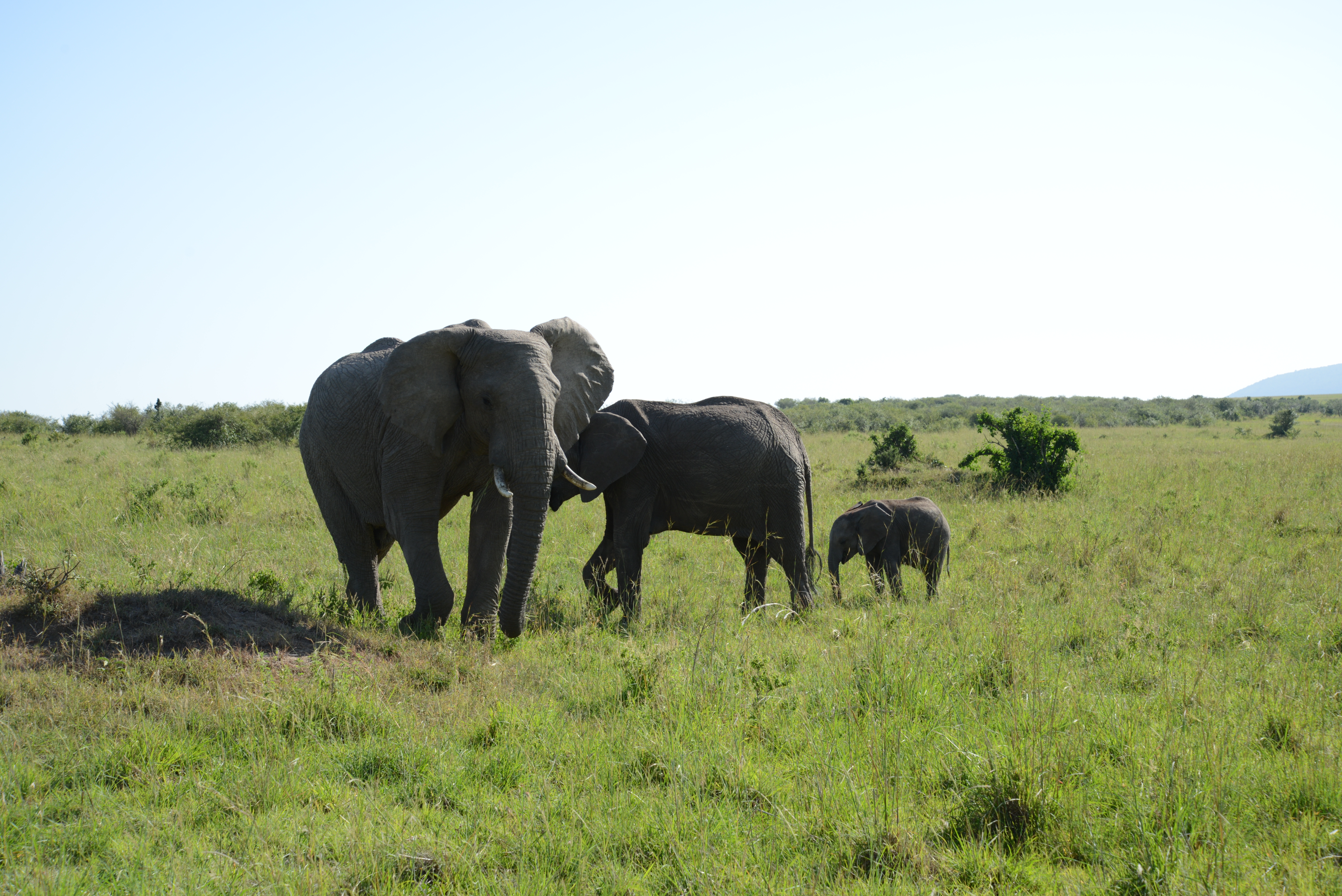
There’s something profoundly equalizing about being in the presence of wild animals. The corporate executive, the retired teacher, and the kindergartener all become students together. They will all be humbled and amazed by nature’s grandeur.
When a leopard drapes itself across an acacia branch at sunset, age and experience fade into irrelevance. Everyone is simply human, witnessing something magnificent.
Grandparent travel with grandchildren takes on deeper meaning in Africa’s wilderness. Grandparents bring patience, perspective, and storytelling abilities that enrich every sighting.
They’re often the ones who notice the lilac-breasted roller perched quietly in the thornbush while everyone else searches for the Big Five. They remember to look up, to breathe, to savor.
Meanwhile, children bring fresh eyes and unfiltered wonder that reminds older generations why travel matters. Their questions, “Why do giraffes have such long necks?” “Where do the lions sleep?” “Can we come back tomorrow?”, transform routine game drives into profound teaching moments.
The conversations that happen on safari are different too. Without the distractions of television, tablets, and busy schedules, families actually talk. They share stories during the long, beautiful drives through the bush. They process their emotions together after witnessing a hunt. And they laugh at the antics of vervet monkeys raiding the breakfast buffet.
These unstructured hours create space for the kind of connection that modern life so rarely allows.
Top Family-Friendly Safari Destinations for Every Generation
South Africa: The Perfect Introduction to Multigenerational Safari Adventures
South Africa stands out as arguably the best safari for families with kids. Particularly those embarking on their first African adventure. The country’s infrastructure rivals any first-world nation. This means that grandparents concerned about medical facilities or travel logistics can relax. Flights are straightforward, roads are excellent, and the tourism industry has decades of experience catering to families.
The Eastern Cape offers something particularly valuable for families with young children or health-conscious grandparents. Malaria-free game reserves with world-class wildlife viewing.
Shamwari Game Reserve, Amakhala Game Reserve, and Kariega Game Reserve all provide Big Five experiences without the need for antimalarial medication. For grandparents who may have concerns about medication side effects or parents worried about young children, this removes a significant barrier to planning a family safari Africa adventure.
Luxury family safari lodges throughout South Africa have mastered the art of multigenerational hospitality. Many properties offer family suites or connecting rooms that keep everyone close while respecting privacy.
At lodges like Lion Sands Game Reserve in the Sabi Sand, families can book private vehicles with dedicated guides who adjust the pace and content to suit all ages. When seven-year-old Emma wants to track every paw print in the sand, the guide indulges her curiosity. When Grandpa Tom needs a slower morning after a full day of activities, the schedule flexes accordingly.
The Kruger National Park area provides both accessibility and authenticity. Grandparents who may have mobility concerns will find that many lodges feature ground-level rooms with easy access. And don’t worry, the elevated viewing decks allow everyone to watch animals visit waterholes without leaving the lodge.
The private concessions adjacent to Kruger, such as Sabi Sand and Timbavati, offer exclusive wildlife experiences with far fewer vehicles. This makes photo opportunities better and the experience more intimate.
Kenya’s Maasai Mara: Where Wildlife Dreams Come True
If South Africa offers the easiest introduction to safari life, Kenya’s Maasai Mara delivers the experience that matches everyone’s wildest imaginings of Africa. This is where the Great Migration thunders across golden grasslands, where cheetahs hunt in broad daylight, and where the density of wildlife can leave even seasoned travelers speechless.
For a multigenerational safari, the Mara excels because of its reliable wildlife viewing year-round. Unlike some destinations where you might drive for hours between sightings, the Mara typically delivers consistent action that keeps children engaged and gives grandparents countless opportunities for that perfect photograph.
The conservancies surrounding the main reserve, such as Mara Naboisho, Olare Motorogi, and Mara North, limit visitor numbers. This ensures that your family isn’t surrounded by dozens of other vehicles during special sightings.
Timing matters here. The best time of year for family safari in the Maasai Mara depends on what you most want to see. July through October brings the Great Migration, when millions of wildebeest and zebras cross the Mara River in dramatic, sometimes heartbreaking displays of survival. This spectacle captivates all ages. Although, parents should be prepared to explain the harsh realities of nature to sensitive children.
January through March offers excellent predator viewing, especially cheetahs with cubs, and coincides with many school breaks.
June and November through December provide fewer crowds and still-excellent wildlife viewing. This is ideal for families seeking a more intimate experience.
The best African safari for families in Kenya includes cultural experiences that add depth to the adventure. Visiting a traditional Maasai village allows children to learn beadwork and warrior jumping. At the same time, grandparents engage with elders about traditional medicine and pastoralist lifestyles.
These interactions, respectful, authentic, and educational, help families understand that Africa isn’t just about animals but about rich human cultures thriving alongside wildlife.
Family-friendly lodges like Basecamp Wilderness and Mara Bushtops offer family tents with multiple bedrooms, private plunge pools, and guides specially trained in engaging young travelers.
The Angama Mara, perched high above the Mara with views that stretch forever, provides photographic studios where teenagers can learn composition from professional photographers. Younger children participate in junior ranger programs.
Tanzania’s Northern Circuit: Adventure for the Whole Family
Tanzania’s northern safari circuit delivers diversity that keeps every member of a multigenerational safari engaged throughout the journey. The Ngorongoro Crater alone justifies the trip. A collapsed volcano that functions as nature’s amphitheater, where all of Africa’s iconic species live within a 100-square-mile arena.
For grandparents who may find multiple game drives taxing, a day in the crater provides extraordinary wildlife density with less extensive driving.
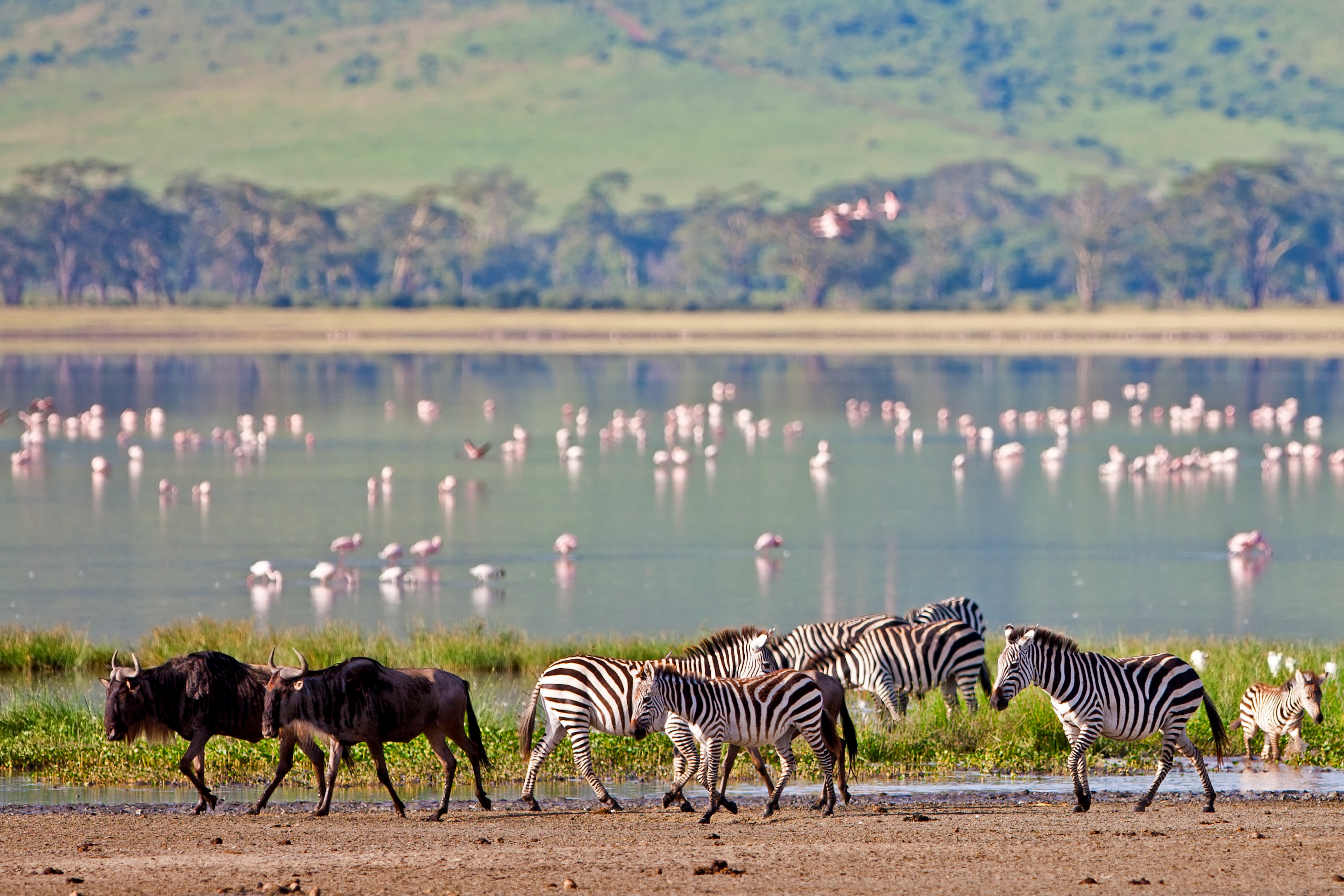
The crater’s floor sits relatively flat and accessible. This makes it one of the easiest wildlife experiences in Africa. Even from the comfort of your vehicle, you’ll encounter black rhinos, lions lounging in morning sun, elephants bathing in swamps, and flamingos painting the soda lake pink.
The short distances between sightings mean less time bouncing over rough roads. A consideration that grandparents with back issues will appreciate.
The Serengeti extends Tanzania’s appeal across different ecosystems and experiences. Family-friendly safari destinations here range from mobile camps that move with the migration (offering adventure-seeking families an authentic bush experience) to permanent lodges with swimming pools and spa facilities. The latter is perfect for rest days when grandparents need to recharge while grandchildren burn energy.
Easy walking safaris for families take on special meaning in Tanzania. While Kenya restricts walking safaris in most areas, Tanzania embraces them with safety and supervision.
Properties in the southern Serengeti and Ruaha National Park offer short, guided walks suitable for ages eight and up with reasonable fitness levels. These walks transform the safari experience from passive observation to active participation. Suddenly you’re reading tracks, examining dung to determine what an elephant ate for breakfast, and understanding how acacias defend themselves against browsers.
Children become naturalists. Grandparents share memories of hiking in their own youth. Parents see their family members in a new light.
Lake Manyara National Park and Tarangire National Park round out the northern circuit with distinctive experiences. Manyara’s tree-climbing lions delight children who never imagined seeing big cats lounging in branches. Tarangire’s massive elephant herds, sometimes hundreds strong, create scenarios where these gentle giants completely surround your vehicle. It is a humbling reminder of our place in nature’s hierarchy.
Botswana: Exclusive and Intimate Family Safari Africa Experiences
Botswana takes a different approach to safari tourism. Fewer people and lower environmental impact. For families who desire a luxury family safari, Botswana delivers unparalleled exclusivity and some of Africa’s most pristine wilderness areas.
The Okavango Delta stands apart from other safari destinations because water defines everything. During flood season (roughly May to September), the desert blooms into a watery wonderland where game drives give way to mokoro (traditional canoe) excursions.
For multigenerational safaris, this variety matters. After several days of bumpy game drives, gliding silently through papyrus-lined channels offers a refreshing change of pace.
Grandparents find the gentle rhythm soothing. Children love the possibility of spotting hippos and crocodiles from a different vantage point. The guides’ expertise in navigating these channels safely means even families with young children can enjoy this unique experience.
Botswana’s private concessions offer something increasingly rare in Africa… Genuine solitude. Lodges like Mombo Camp in the Moremi Game Reserve and Duba Plains limit guest numbers dramatically. Your family might be one of only three or four groups in an area the size of a small country.
This means flexible scheduling. You can sleep in when the five-year-old has a restless night. Head out early when the teenagers want to photograph the golden hour. Or take a mid-morning break when Grandma needs to rest her legs.
The exclusivity extends to wildlife experiences. Private concessions allow off-road driving and night drives, both typically prohibited in national parks. Following a leopard through the bush as darkness falls, watching her hunt under spotlight, creates memories that last lifetimes.
These experiences work well for multigenerational groups because private vehicles mean no strangers to consider. If the toddler needs a snack break, you stop. If Grandpa wants to stay with the lion pride for an extra hour, the guide accommodates.
Chobe National Park, in Botswana’s northeast, provides yet another dimension to a multigenerational safari. River-based wildlife viewing. Boat safaris along the Chobe River reveal massive elephant herds coming to drink, hippos performing their territorial displays, and countless bird species that riparian habitats attract.
For families with very young children or elderly members with limited mobility, boat safaris offer comfortable seating, bathroom facilities, and easy movement. Advantages that traditional game drives cannot match.
Zambia: For Adventurous Multi-Generation Families
Zambia remains Africa’s walking safari capital, but don’t let that intimidate you. The best safari for families with kids in Zambia doesn’t require marathon hikes or survival skills. Instead, lodges in South Luangwa National Park have perfected the art of easy walking safaris for families that accommodate different fitness levels and age groups.
A typical family walking safari in Zambia might last only one to two hours, covering perhaps two kilometers of relatively flat terrain. An armed guide and tracker lead the way, followed by families moving at whatever pace suits them.
These walks reveal the smaller details that vehicle-based safaris miss. The perfectly camouflaged scrub hare frozen in the grass. The industrious dung beetle rolling its prize. And the delicate orchid blooming against all odds in harsh conditions.
What makes these walks special for grandparents traveling with grandchildren is the shared vulnerability and teamwork. Everyone must move quietly, watch where they step, and pay attention to the guide’s signals. The experience creates natural teaching moments where grandparents can share outdoor skills with grandchildren and where grandchildren’s sharp eyes often spot things that older eyes miss.
For families not interested in walking, South Luangwa offers exceptional vehicle-based game viewing, particularly for leopards. The park’s relatively open woodland makes spotting easier than in denser forests. And the leopard population density rivals anywhere in Africa.
Night drives reveal a different cast of characters. Porcupines, civets, genets, and if you’re fortunate, aardvarks. The latter is considered the most peculiar and elusive of African mammals.
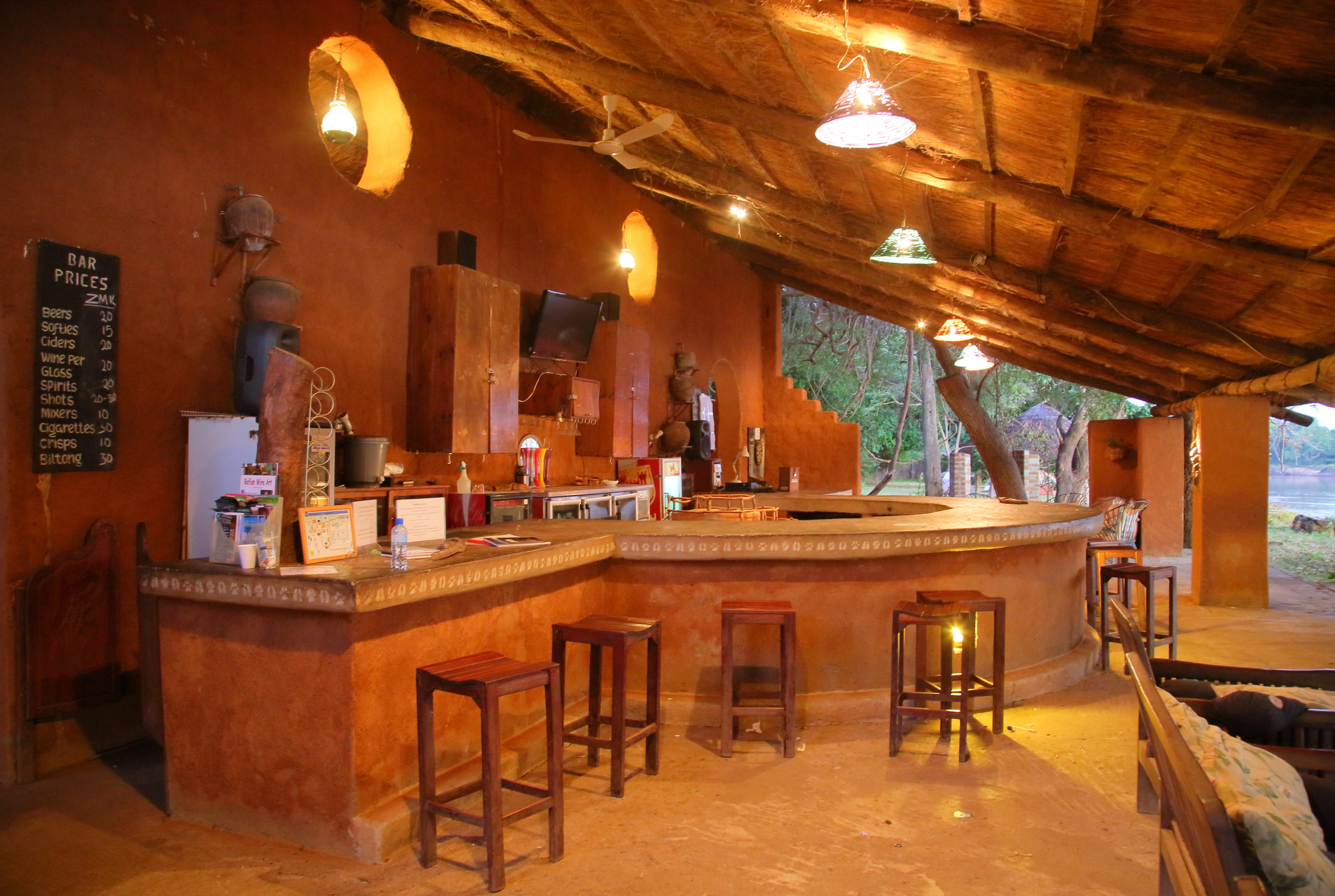
Family-friendly safari destinations in Zambia often feature open-fronted chalets where canvas walls roll up to reveal the bush. This design brings families closer to nature than traditional lodges while maintaining safety and comfort.
Falling asleep to hippo grunts and waking to hornbill calls becomes part of the adventure. For many families, these accommodations strike the perfect balance between comfort and authenticity.
Lower Zambezi National Park offers a second Zambian option with a completely different character. Here, the Zambezi River dominates, providing opportunities for canoeing safaris where families paddle (with guide support) past elephants, pods of hippos, and massive crocodiles.
River activities complement game drives, creating variety that keeps everyone engaged throughout your stay.
When to Plan Your Multigenerational Safari: Timing for Success
Choosing the best time of year for family safari requires balancing several factors. Weather, wildlife patterns, school schedules, and crowd levels. No single answer works for every family, but understanding the variables helps you make informed decisions.
In East Africa (Kenya and Tanzania), two distinct dry seasons provide optimal wildlife viewing. June through October brings the famous migration to the Maasai Mara, excellent weather, and peak-season crowds. The shorter dry season from late December through February offers wonderful wildlife viewing, particularly for predators with young cubs, and coincides with many school winter breaks.
The long rains (March to May) and short rains (November) bring dramatic skies and lush landscapes. Although, some remote camps close and road conditions can deteriorate.
Southern Africa’s seasons are inverse from East Africa. In Botswana, South Africa, and Zambia, May through October constitutes the dry season when animals concentrate around water sources, making viewing more predictable. July and August bring cold nights that grandparents should prepare for. Temperatures can drop to freezing in places like the Okavango Delta.
September and October deliver heat that challenges everyone but provide excellent game viewing as water becomes scarce. November through April brings rain, green landscapes, and baby animals but also hot, humid conditions and more challenging wildlife spotting.
For multigenerational safaris, shoulder seasons (the periods just before or after peak season) often provide the best value. April in Kenya, May in Botswana, or November in Tanzania all offer good wildlife viewing and fewer tourists.
School schedules naturally constrain many families to July, August, or December. If you have flexibility, traveling during May, June, or September can dramatically improve your experience. A multigenerational safari works better when lodges aren’t at capacity, guides have more time to answer questions, and wildlife sightings aren’t surrounded by rings of other vehicles.
Safety First: Ensuring Comfort for Young Children and Grandparents During a Multigenerational Safari
Are safaris safe for young children and elderly? This question tops nearly every family’s concern list, and the answer is reassuringly positive. Yes, safaris are safe when you plan appropriately. Modern safari tourism has evolved sophisticated safety protocols that protect guests while still delivering authentic wildlife experiences.
Age restrictions vary by destination and activity. Most safari lodges welcome children of all ages for game drives. However, many prefer children to be at least six years old for optimal enjoyment. Walking safaris typically require participants to be at least eight to twelve years old, depending on the property and local regulations.
These restrictions exist not because younger children face greater danger but because their limited attention spans and unpredictable behavior can compromise the experience for everyone.
For grandparents with mobility concerns, family-friendly safari destinations have adapted extensively. Many luxury lodges now feature ground-level rooms with wide doorways and step-free access. Vehicles often include steps or stools to ease entry and exit. Private guides can adjust game drive routes to minimize rough terrain. And photographic hides at lodges allow wildlife viewing without leaving camp. This is perfect for days when grandparents need rest.
The question of malaria deserves honest discussion. Several excellent family safari Africa destinations, including South Africa’s Eastern Cape reserves, parts of the Madikwe Game Reserve, and some areas of Botswana during winter, are malaria-free.
For destinations where malaria exists, prophylactic medications provide effective protection. Consult with a travel medicine specialist well before departure, as some antimalarials require starting weeks in advance.
For families uncomfortable with medication, timing your visit during cooler, drier months when mosquito populations plummet can significantly reduce risk.
Medical facilities in Africa range from basic to excellent depending on location. South Africa’s private game reserves maintain high-quality medical clinics and can arrange rapid evacuation to urban hospitals if needed.
Kenya and Tanzania’s popular safari areas have reliable medical support and air evacuation services, though facilities may be more basic.
Travel insurance covering medical evacuation provides essential peace of mind. This isn’t where you cut corners when planning a multigenerational safari.
Wildlife encounters follow strict protocols. Guides understand animal behavior intimately and maintain safe distances. Inside vehicles, you’re protected by the animals’ tendency to perceive vehicles as single, unthreatening entities.
The moment someone exits or stands up, that perception changes. Following your guide’s instructions exactly, staying seated during encounters, remaining quiet when necessary, not pointing or making sudden movements, keeps everyone safe.
The real dangers on safari often surprise people. It’s not lions or elephants but dehydration, sunburn, and tripping over tent ropes after dark. Encourage everyone to drink more water than seems necessary. Apply and reapply sunscreen religiously. Use the provided flashlights after sunset. And don’t walk anywhere alone at night. Those hippo grunts you hear come from animals that kill more people in Africa than any predator.
Activities That Bridge Generations: Safari Experiences Everyone Will Love
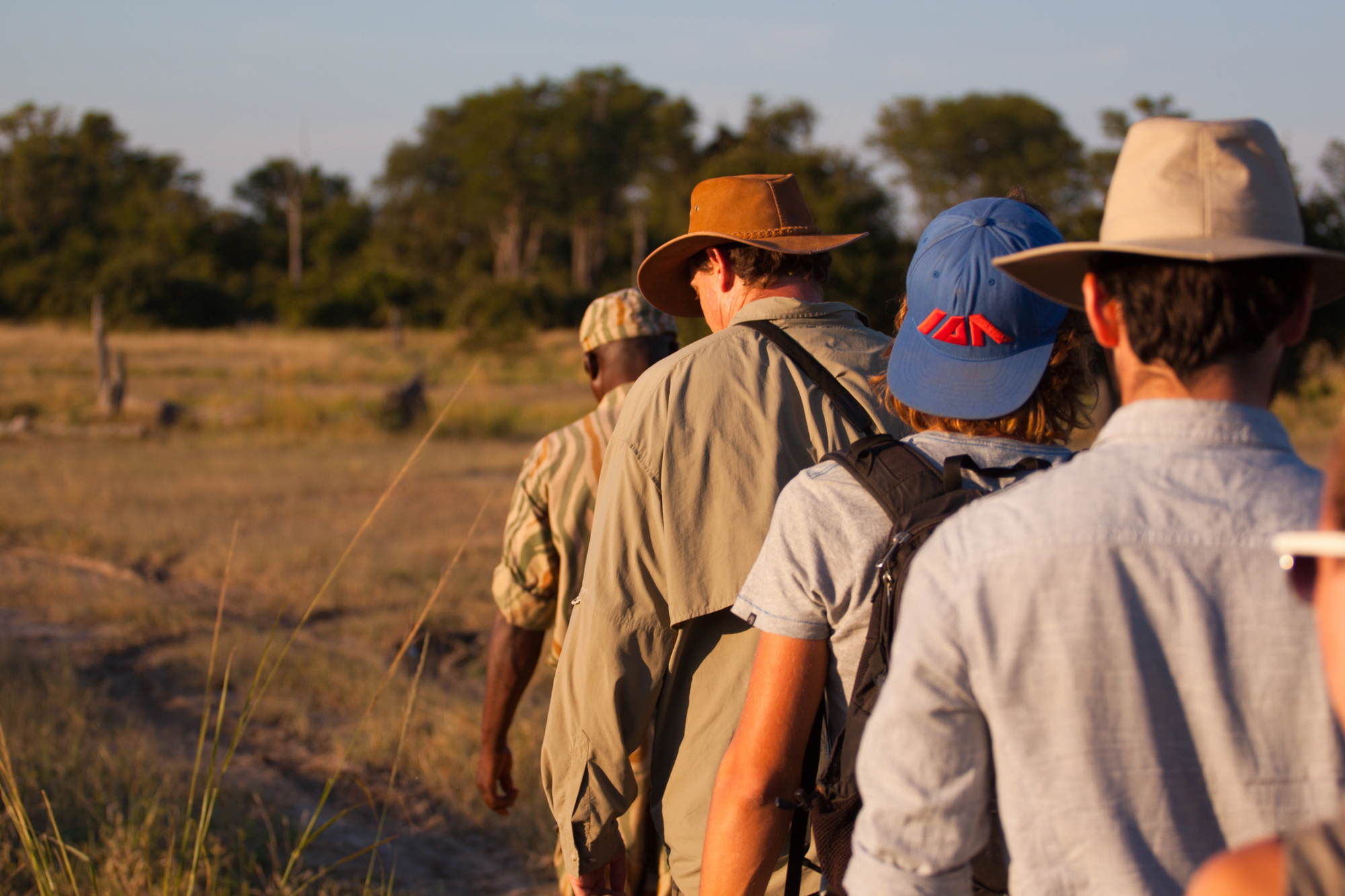
The best safari activities accommodate different physical abilities while creating shared experiences that resonate across age groups. Game drives form the foundation of any safari, but the way your family approaches them matters.
Morning drives typically leave around sunrise when animals are most active. The cool air invigorates, and photographic light paints everything gold. However, 5:30 AM departures can challenge families with young children or grandparents who need time to prepare for their day.
Many family-friendly safari destinations offer flexible scheduling. Perhaps the teenagers and grandparents take the early drive while parents and toddlers enjoy a leisurely breakfast before a mid-morning outing.
Evening drives capture the magic hour when light softens, and animals emerge from midday rest. Many lodges include sundowner stops where guides set up drinks and snacks at scenic viewpoints. Watching the sun dip below the African horizon while sipping juice (for kids) or something stronger (for adults) creates ritual moments that families remember forever.
These pauses also serve a practical purpose. They break up long drives and allow children to stretch legs and burn energy.
Other Safari Like Activities
Bush walks transform safari from spectator sport to immersive experience. Even 30-minute walks around camp reveal wonders that vehicle-based tourists miss. Guides explain how animals communicate, how plants survive, and how everything connects in intricate webs.
Children become detectives, looking for signs and clues. Grandparents share observations that come from moving slowly and looking carefully. These easy walking safaris for families require minimal fitness but maximum curiosity.
Cultural visits add human dimension to wildlife adventures. The best African safari for families includes opportunities to engage with local communities respectfully and authentically.
Learning about Maasai livestock practices helps families understand the complex relationship between pastoralists and wildlife. Watching Zambezian women prepare traditional meals connects food to landscape. These interactions teach children that conservation isn’t just about animals but about supporting communities who share space with wildlife.
Junior ranger programs, offered at many lodges, give children age-appropriate education and activities. They learn tracking, collect leaves for identification, create plaster casts of animal prints, and earn certificates upon completion. These programs free parents and grandparents for spa treatments or quiet time while ensuring children stay engaged and supervised.
Photography safaris within safaris appeal to teenagers and grandparents alike. Many luxury family safari lodges offer photographic guidance, from basic smartphone tips to advanced DSLR techniques. Working toward a common goal, capturing that perfect lion portrait or freezing a cheetah mid-sprint, gives family members shared purpose. Evening reviews of everyone’s photos become entertainment, with good-natured competition and genuine appreciation for different perspectives.
Night drives reveal Africa’s nocturnal residents, many of which families would otherwise never see. Spotlights illuminate eyes in the darkness. The reflective green of a genet, the orange of a lion, or the red of a scrub hare. The darkness adds adventure that children find thrilling and adults find enchanting.
These drives work particularly well for multigenerational safaris because the slow pace suits all abilities. And the spotlight’s directed focus helps everyone see what the guide describes.
Packing Smart: What to Bring on Your Multigenerational Safari
Packing for a multigenerational safari requires careful planning to ensure everyone’s comfort without bringing excessive luggage. Most light aircraft that transfer guests between camps enforce strict weight limits. Typically, 30-40 pounds per person in soft-sided bags. This constraint actually helps families pack thoughtfully.
Clothing and Shoes for a Multigenerational Safari
Clothing should follow a layered approach suitable for all ages. Mornings and evenings, especially during winter months, can be surprisingly cold. Pack fleece jackets or light down vests for everyone.
Days heat up considerably, particularly October through April in most regions. Lightweight, long-sleeved shirts and pants in neutral colors (khaki, olive, tan) protect from sun and insects while maintaining safari tradition.
Avoid blue and black, which attract tsetse flies in some areas.
For grandparents, comfortable, supportive footwear matters tremendously. Closed-toe shoes with good grip prevent slips on lodge steps and support ankles on uneven terrain. A wide-brimmed hat protects from intense African sun. Especially important for anyone taking medications that increase sun sensitivity. Consider packing a small cushion or seat pad for game drives if sitting for extended periods causes discomfort.
Special Items for Children
Children’s packing lists include the practical and entertainment. Binoculars designed for small hands help kids engage with distant animals. Field guidebooks or animal identification cards transform game drives into educational hunts. Journals and colored pencils encourage children to document their adventure. Small backpacks let them carry their own essentials and give them ownership over their experience.
Health and Safety Items
Health and safety items deserve particular attention for multigenerational groups. Pack any prescription medications in carry-on luggage with extras in case of travel delays. Bring comprehensive first aid supplies including blister care, antihistamines for unexpected allergic reactions, and remedies for upset stomachs.
Sunscreen (SPF 50+), lip balm with SPF, and after-sun lotion protect skin. Insect repellent containing DEET works most effectively, though parents may prefer lower concentrations for young children.
Photography and Electronics
Photography gear should match skill levels. Serious photographers need long lenses (300mm or more), extra batteries, and memory cards. Smartphones with good cameras serve casual photographers well. Many lodges now offer charging stations and some provide photographic accessories. Consider bringing a portable charger, as access to electrical outlets can be limited.
Entertainment for downtimes helps when energy levels vary. E-readers loaded with books, downloaded movies on tablets (with headphones), card games, and simple puzzles give families options when some members need rest. Many lodges prohibit Wi-Fi in guest areas to maintain the bush atmosphere. So, be prepared for digital detox.
Thoughtful extras include… Binocular straps to prevent dropping, lens cloths for dust, a small cooler bag for medication requiring temperature control, nightlights for navigating tented camps after dark, and copies of important documents stored separately from originals.
Planning Tips for the Best African Safari for Families
Successful multigenerational safaris require more planning than typical vacations but deliver proportionally greater rewards. Start planning at least 8-12 months ahead for peak-season travel (July-August, December) and 6 months for shoulder seasons. Popular family-friendly lodges book far in advance. And early planning also secures better flight options.
Accommodations
Accommodation arrangements significantly impact family dynamics. Request family suites, connecting rooms, or private villas that keep everyone close while respecting space needs. Many luxury family safari lodges offer multi-bedroom units with shared living areas. These are perfect for morning coffee together before game drives and evening story-sharing after dinner.
Clarify sleeping arrangements. Can the lodge provide appropriate beds for children? Are cribs available for toddlers? Can grandparents have ground-floor rooms?
Transportation
Private vehicles and guides transform the multigenerational safari experience. Instead of sharing game drives with strangers who may have different interests or tolerance levels, private vehicles let your family control the pace and focus. If your seven-year-old wants to watch dung beetles for 20 minutes, you can. If your grandmother needs to return to camp early, you will. Private guides also become attuned to your family’s dynamics, remembering that one grandchild loves birds while another obsesses over reptiles.
Time in Each Destination
Itinerary pacing requires careful calibration. The temptation to pack in multiple destinations and maximize wildlife variety can backfire when traveling with multiple generations. Consider fewer destinations with more time at each. Three nights at a minimum per location allows everyone to settle in, recover from travel, and actually relax.
Rushing between camps every two days exhausts everyone and turns adventure into endurance test.
Travel Insurance
Travel insurance becomes non-negotiable for multigenerational groups. Medical coverage, evacuation insurance, and trip cancellation protection safeguard your investment and your family. When traveling with elderly grandparents or young children, health emergencies become more likely. Comprehensive coverage provides peace of mind worth far more than its cost.
Pre-departure preparation includes logistics and expectations. Distribute packing lists to everyone. Share information about what to expect. Wake-up times, meal arrangements, typical game drive durations, and lodge amenities.
For children, books and videos about African wildlife build excitement and provide educational foundation. For grandparents unfamiliar with safari life, detailed information reduces anxiety about unknowns.
Creating Your Legacy Safari
A multigenerational safari represents more than a vacation. It’s an investment in family legacy. Long after you return home, after the photos are framed and the stories told, something fundamental remains changed.
Your children will remember the morning they watched a lioness teach her cubs to hunt, and they’ll remember sharing that moment with you. You will recall seeing your parents discover new dimensions of joy and adventure. And you’ll carry the knowledge that you gave your family something increasingly rare. Undivided time together in one of Earth’s most magnificent places.
You will gain perspective that comes only from sitting under African skies where stars multiply beyond counting. You will gain humility that comes from watching elephants demonstrate family bonds that mirror and perhaps exceed our own.
And you will gain stories that will be retold at holiday dinners for decades. “Remember when the warthog ran through camp during breakfast?” “Remember when Grandpa spotted the leopard before the guide did?” “And remember when we all watched the sun rise over the Serengeti together?”
These best African safari for families’ destinations, South Africa’s accessible luxury, Kenya’s abundant wildlife, Tanzania’s diverse ecosystems, Botswana’s exclusive wilderness, Zambia’s walking safari excellence, all offer something unique. But they share the essential element. Space for families to reconnect with each other and with something larger than themselves.
Are you ready to start planning a multigenerational safari in one of these destinations?
If you said yes, click here to schedule a personalized planning session with me. Clicking the link will take you directly to my digital calendar to schedule a time that is convenient for you.
Not ready to start planning a multigenerational safari just yet? Sign up for my newsletter and continue to receive all the travel information I share.

Tracy is the owner of Elite Travel Journeys, a luxury travel agency dedicated to crafting extraordinary, memory-making journeys for families, multigenerational groups, empty nesters, and solo female travelers. A proud military veteran and President of the Central PA Chapter of ASTA, Tracy brings both discipline and deep passion to everything she does. With a particular love for river cruising, especially Europe’s enchanting Christmas Markets, she has been turning travel dreams into life-changing experiences since 2014. Tracy believes that extraordinary travel doesn’t just take you somewhere new; it changes who you are.
Enter your Name and best Email Address to receive
On Your Next Family Vacation
We respect your privacy and will never share or sell your information.
3 Ways to See It All in Alaska


On Your Next Family Vacation
Click here for 10 Exciting Family Adventures
You Can Plan
NOW