
Japan Travel for Empty Nesters: Why Right Now Is the Moment You Have Been Waiting For
The house is quiet in a way it has never been quiet before. And somewhere between loading the dishwasher for two and realizing you can book a flight without checking a school calendar, it hits you: This is your turn. Japan travel for empty nesters is not a trend I discovered. It is something I have watched happen to women I know. Women who spent two decades moving at the speed of everyone else’s needs. The women who finally stepped off that treadmill and let themselves want something entirely for themselves. And almost every single one of them, when they finally went, said the same thing: I should have done this sooner.
Japan was not waiting for you to find it. It was waiting for you to be ready for it.
Japan Travel for Empty Nesters: Why Right Now Is the Moment You Have Been Waiting For
Why Japan, and Why Now

There is a version of Japan that exists for the traveler who is always in a hurry: The bullet train schedules. The efficient hotel lobbies. And the group tours that move like a school of fish through temple gates. That version is fine. But it is not the Japan I am talking about.
The Japan I am talking about requires something most of us did not have until now: The willingness to slow down and actually be somewhere. When your children were small, travel was logistics management with a view. Snacks and nap schedules and everyone’s conflicting opinions about what to do next.
Beautiful, yes. But present? Rarely.
Japan travel for empty nesters works the way it does because you have finally arrived at the version of yourself who can receive it.
Learn why you should embrace empty nester travel this year.
Japan Moves at Your Pace Now
Slow travel Japan for couples is not a compromise. It is the whole point. Japan is a country built on presence, on ritual, on the kind of attention that turns an ordinary morning into something you will describe for years.
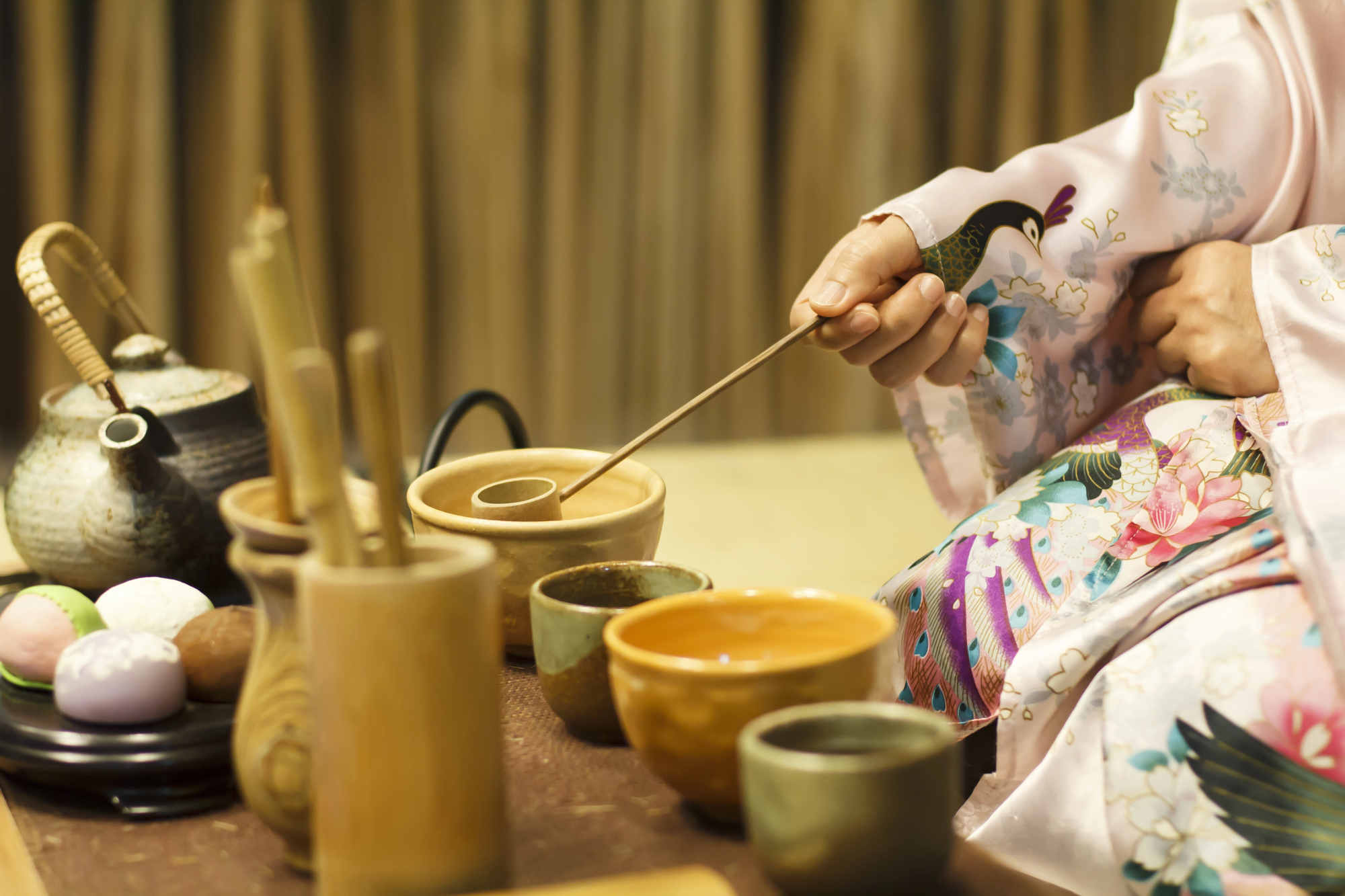
The way a tea ceremony unfolds one deliberate gesture at a time. The way a bowl of ramen arrives, and you sit with it, really sit with it, tasting the broth the chef has been simmering since four in the morning. And the way a garden is designed so that every step reveals a different view. As if the path itself is telling you a story.
None of that lands when you are managing a family itinerary. All of it lands when you have nowhere else to be.
The World Agrees: Japan Is the Destination Right Now
If you have been feeling that pull toward Japan, you are not imagining it. Japan was ranked the number one travel destination for 2026. Not because it is new, but because travelers are finally catching up to what it has always offered.
The global shift toward experiential, culturally immersive travel has been building for years. Japan is where that appetite gets fed completely.
As empty nester international travel ideas go, this one sits at the very top of the list, and for good reason.
What Japan Feels Like When You Are Not Chasing Anyone
I want you to imagine a version of travel where the only schedule you are keeping is your own. Where breakfast happens when you want it. The afternoon can stretch as long as you like. And no one needs anything from you.
That is Japan when you are finally free to experience it.
The Food in Japan Is a Full Experience, Not a Pit Stop
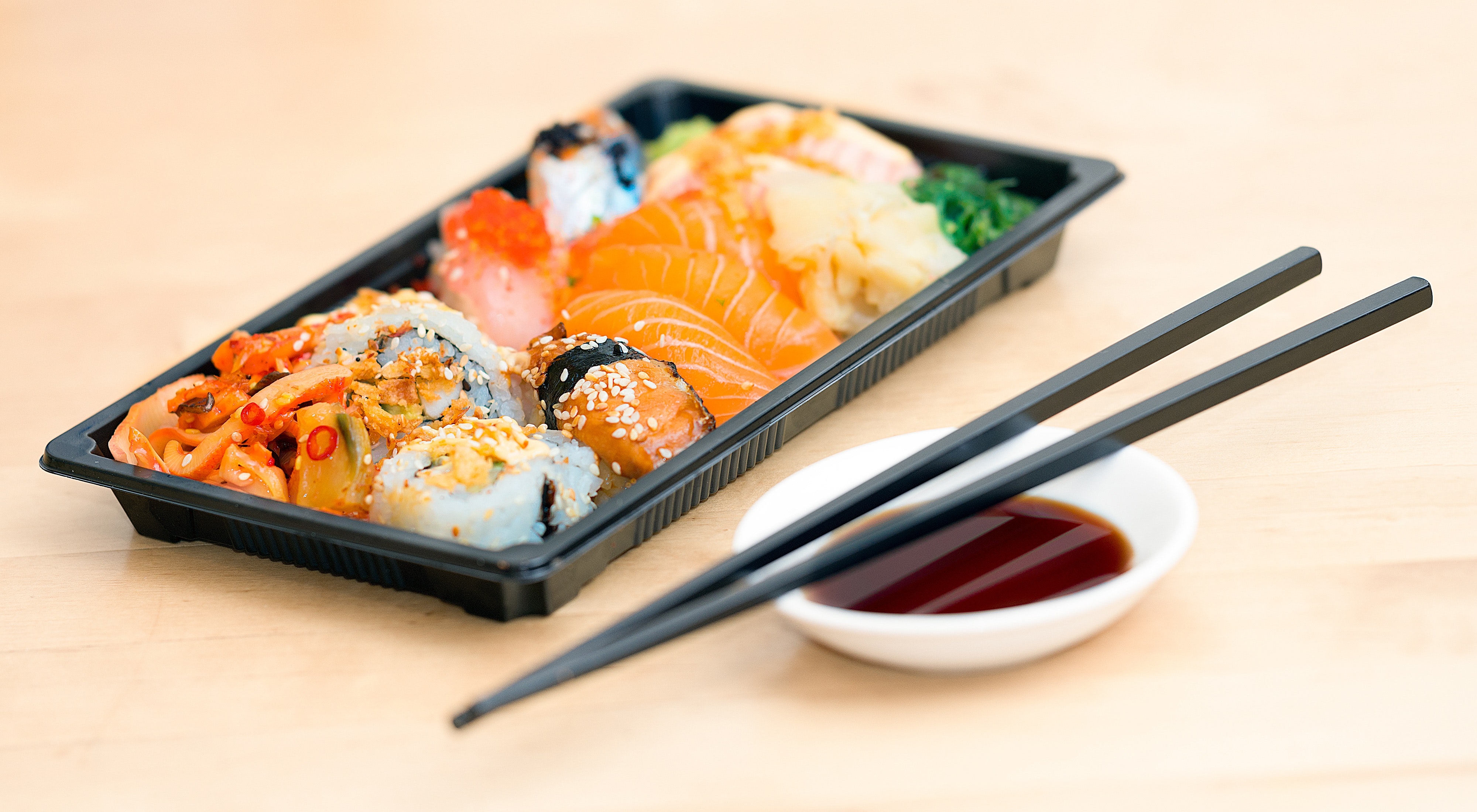
Picture this. It is your second morning in Kyoto. You find a tiny coffee shop tucked down a side street. The kind with six seats and a hand-written menu. You order without knowing exactly what is coming. What arrives is a pour-over coffee so carefully made it feels almost ceremonial. Plus, a piece of toast with butter and jam that somehow tastes better than toast has any right to taste. You have nowhere to be for three hours. So, you sit.
That is one of the best places in Japan for cultural immersion: Not just the grand temples. Although, those will move you too. It is the accumulated weight of a thousand small moments where beauty and craft and care are just built into the ordinary.
A Japan trip for couples after kids leave home is a chance to rediscover the pleasure of paying attention together, without the noise.
The Quiet That Gets into Your Bones During Japan Travel for Empty Nesters
There is a sound Japan makes at six in the morning that I cannot fully describe. It is the sound of gravel shifting under your feet on a temple path. It is the distant clang of a single bell. The bamboo in Arashiyama moving in a wind you cannot feel but can hear, a sound like the world breathing. You will walk into a moss garden in Kyoto and feel something in your chest release that you did not know was clenched.
Japan is a deeply quiet country in its soul, even in its cities. That quiet gets into you. It slows your nervous system down. And after years of holding everything together for everyone else, that kind of quiet is not just beautiful. It is medicinal.
The Ryokan: Your Secret Weapon for This Trip

If there is one thing I would tell every woman planning Japan travel for empty nesters, it is this: Anchor your trip around at least one night, and ideally three, in a traditional Japanese inn. A ryokan is not simply a place to sleep. It is the heart of the experience.
What Happens When You Walk Through the Door at a Ryokan
You leave your shoes at the entrance. A woman in a kimono bows and leads you down a hallway that smells faintly of hinoki wood and something green, maybe fresh tatami.
Your room is a study in simplicity: A low table. Two cushions on the floor. A window that opens onto a garden. A yukata, folded precisely, is waiting on the futon that will be laid out for you after dinner.
The Japan ryokan experience for couples strips away everything that is not essential. No television to fill the silence. No minibar to ignore. Just the two of you, a pot of tea, and a garden that was designed by someone who understood that beauty should not have to compete for your attention.
Why It Hits Differently at This Stage of Life
The multi-course kaiseki dinner will arrive in your room in small, perfect courses. Each one has a different texture and temperature and color. Each one telling you something about the season. You will eat slowly because there is no reason to hurry.
The private onsen, a small stone bath fed by geothermal water, will be yours for a window of time in the evening and again at dawn. You will sit in that water in the dark with steam rising around you and look up at a patch of sky and feel, perhaps for the first time in years, genuinely restored.
The ryokan works this way because it is built around the exact things you have been missing: Stillness, beauty, being cared for, and time with the person you chose, without anyone else’s needs filling the room. It is the single accommodation experience that makes Japan travel for empty nesters feel less like a vacation and more like a homecoming to a self you thought you had set aside permanently.
Where to Go in Japan: The Places That Will Stay with You
Japan is a country that rewards the traveler who is willing to go slightly off the expected path. The most satisfying approach to Japan travel for empty nesters means choosing a mix: Some of the iconic places, yes, because they are iconic for good reason. Some of the quieter corners that most tourists never reach.
Japan off the beaten path travel is not difficult to find. You just have to be willing to allow free time in your itinerary.
Kyoto: The One That Changes You
Go to Kyoto in the early morning before the city wakes up. Walk the stone path along the Philosopher’s Path when the light is low and the canal is still.
In spring, the cherry trees arch over the water and drop petals onto the surface. The whole world goes soft and pink and impossible. In autumn, the maples turn a red so saturated they look painted. And the temple gardens hold the color like they are lit from inside.
This is the best time to visit Japan for a couple: Spring for the blossoms. Fall for the foliage. And either season for the feeling that you have walked into a painting that has been waiting for you specifically.
Kyoto is where a Japan trip for couples after kids leave home begins to feel less like a vacation and more like a revelation.
Where to go as an empty nester to see cherry blossoms during an amazing vacation.
Beyond Kyoto: The Japan Most Tourists Miss
In 2026 and 2027, many empty nesters traveling in Japan are moving away from the most crowded corridors and toward the places that have been quietly extraordinary for centuries. Japan off the beaten path travel rewards the empty nester traveler especially, because these destinations move at exactly the pace you now have permission to keep.
Kanazawa
Kanazawa is what Kyoto was thirty years ago, before the tour buses arrived. The preserved geisha districts glow at dusk. The seafood market at dawn is one of the most sensory experiences in all of Japan. And Kenroku-en, one of Japan’s three great gardens, is the kind of place where you walk in planning to stay twenty minutes and leave an hour and a half later without knowing where the time went.
Takayama

Takayama sits in the Japanese Alps. It feels like a town that decided time could simply stop. The old town’s dark wooden storefronts have not changed in centuries. The morning markets, held along the river, sell pickled vegetables, mountain vegetables, and handmade crafts. Vendors bow when you leave whether you bought anything or not.
Drink a cup of miso soup from a paper cup and watch the mist lift off the mountains. You will not want to leave.
Is Japan Easy to Navigate? Honest Answers for the First-Time Visitor Over 50
This is the question I hear most often, and I want to answer it directly: Japan is one of the easiest countries in the world to travel. Even if you do not speak a single word of Japanese.
The Truth About Getting Around When Traveling in Japan as an Empty Nester
The rail system is so precisely organized it feels almost like a gift. Signs at every major station appear in English. The trains run exactly on time. And the staff at information desks are patient and genuinely helpful.
Boarding a shinkansen, the bullet train, and watching the countryside blur past the window at two hundred miles an hour is one of those travel moments that stays with you permanently. You step on in Tokyo and step off in Kyoto two and a half hours later. The only thing required of you was to find your reserved seat.
City navigation is equally manageable. The major cities have English on subway signs. English menus are widely available in tourist areas. Google Maps works with remarkable accuracy.
Japan travel for empty nesters does not require a guide for every moment. Although, having an expert travel advisor plan the framework makes the whole thing feel effortless rather than effortful.
What to Know Before You Land in Japan
Japan has a cash culture that surprises most Western travelers. Many smaller restaurants, rural ryokans, and market vendors do not accept credit cards. So, carrying yen matters.
Get a local data SIM or pocket Wi-Fi at the airport before you leave the terminal. On the trains, calls are considered rude, voices are kept low, and the quiet car is not a suggestion.
None of this is difficult. It is just worth knowing before you arrive so that your first day feels like arrival rather than orientation.
One more thing: The bow. You will bow more in Japan than you have ever bowed in your life. By your third day, it will feel completely natural.
It is the country’s way of saying I see you and I respect you. After a while, you will realize you have started doing it at home too.
When to Travel to Japan as an Empty Nester: The Question Everyone Asks
The best time to visit Japan is a question with two excellent answers, and both of them are right.
Spring and the Cherry Blossoms
Cherry blossom season runs roughly from late March through mid-April, shifting slightly each year and by region. The Japanese call it sakura season.
They treat it as a national event: Parks fill with families and friends sitting under the trees in a tradition called hanami or flower viewing. The entire country seems to exhale with pleasure.
For an empty nester couple, sitting under a canopy of blossoms with a bottle of sake and nowhere else to be is the kind of moment you will describe for the rest of your life.
The blossoms are transient by design. They last about two weeks. Their beauty is inseparable from the fact that they are leaving. That particular lesson lands differently when you are fifty than it did at thirty.
Learn where to see the cherry blossoms in Japan during your vacation.
Autumn and the Maple Season
Fall foliage in Japan, the momiji season, runs from late October through November. This is the better-kept secret of the two seasons. The maple leaves turn colors so vivid they seem almost fictional: Crimson and copper and gold layered through temple gardens and mountain paths. The crowds are smaller than in spring. The light is lower and warmer. And the air carries the first edge of cold that makes a bowl of hot noodles or a long soak in an outdoor onsen feel like a reward you have genuinely earned.
If I had to choose for an empty nester couple experiencing Japan for the first time, I would say autumn. You will have the country mostly to yourselves. The colors will rearrange your understanding of what beautiful means. And the ryokan experience is never better than when the nights turn cool.
How Long Do You Actually Need?
Japan travel for empty nesters is not a trip to rush. The single most common regret I hear from women who have been is that they did not stay longer.
The Ten-Day Sweet Spot for Japan Travel for Empty Nesters
Ten days in Japan feels like a complete story. You arrive in Tokyo and let the city wash over you. The organized electricity of Shibuya at night. The reverence of the Meiji Shrine at dawn.
You take the bullet train to Kyoto and spend three days moving slowly through temples, gardens, and side streets. You add a night in a ryokan somewhere along the way. A night that will anchor the whole trip in memory. You come back to Tokyo for a final evening and realize you have only just begun to understand this place.
Ten days is enough to feel Japan. It is enough to plan a Japan trip for two that has genuine depth rather than the feeling of a highlights reel.
Why Two Weeks Opens Everything Up During Japan Travel for Empty Nesters
Two weeks is where the trip transforms. A second week means you can add Kanazawa and Takayama without rushing through either. It means a second ryokan night. It means a day in Hiroshima and the ferry to Miyajima, where a vermilion torii gate rises from the sea. And it means the kind of slow travel Japan for couples delivers when time is not the enemy.
You stop moving like you are trying to see everything and start moving like someone who has decided to actually be somewhere.
Two weeks is the version of this trip you will talk about for years. Ten days is the version that makes you immediately start planning to go back.
You Have Been Planning Everyone Else’s Adventure. It Is Time to Plan Yours.
You know that feeling right before something changes you? That hum of anticipation that tells you this one is going to matter?
Japan gives that feeling before you even land. It gives it in the planning, in the choosing of the ryokan, in the first photograph of a cherry blossom that shows up on your phone and makes you catch your breath. Japan travel for empty nesters is not simply a trip. It is a reclamation. It is the declaration that this chapter of your life deserves the same care and intention you gave to every chapter that came before it.
The house is quiet. The calendar is open. Japan has been waiting patiently, and it is extraordinary at waiting.
So, are you ready as empty nesters to plan Japan travel?
If you said yes, I would like to invite you to click here to schedule a personalized planning session with me. Clicking the link will take you directly to my digital calendar to schedule a time that is convenient for you.
Not ready to start planning Japan travel yet as empty nesters? Sign up for my newsletter so you don’t miss out on any of the exciting travel information I share.

Tracy is the owner of Elite Travel Journeys, a luxury travel agency dedicated to crafting extraordinary, memory-making journeys for families, multigenerational groups, empty nesters, and solo female travelers. A proud military veteran and President of the Central PA Chapter of ASTA, Tracy brings both discipline and deep passion to everything she does. With a particular love for river cruising, especially Europe’s enchanting Christmas Markets, she has been turning travel dreams into life-changing experiences since 2014. Tracy believes that extraordinary travel doesn’t just take you somewhere new; it changes who you are.
Enter your Name and best Email Address to receive
On Your Next Family Vacation
We respect your privacy and will never share or sell your information.
3 Ways to See It All in Alaska


On Your Next Family Vacation
Click here for 10 Exciting Family Adventures
You Can Plan
NOW