
Do I Need a Visa for Europe and Other International Destinations? What American Travelers Need to Know
If I had a dollar for every time a client called me in a mild panic asking, “Do I need a visa for Europe?” I could pay for a first-class transatlantic flight without blinking. And honestly, I do not blame them one bit. International entry requirements have changed more in the past few years than they had in the previous two decades. Keeping up with all of it is practically a part-time job. That is exactly why clients hire me. Whether you are planning a multigenerational river cruise through the heart of Europe, a girls’ trip to the Amalfi Coast, or a milestone anniversary journey through Japan, understanding what documents you need before you step foot on that plane is not optional. It is essential.
In this post, I am going to walk you through everything you need to know about visa requirements, passport rules, and the brand-new entry systems rolling out across Europe and beyond. I will cover what is changing, what is staying the same, and what you need to do right now to make sure your dream vacation goes off without a single hitch. Because when you are spending precious time with the people who matter most to you, the last thing you want to be worrying about is paperwork at a foreign border.
Do I Need a Visa for Europe and Other International Destinations? What American Travelers Need to Know
When the Rules Change Mid-Planning
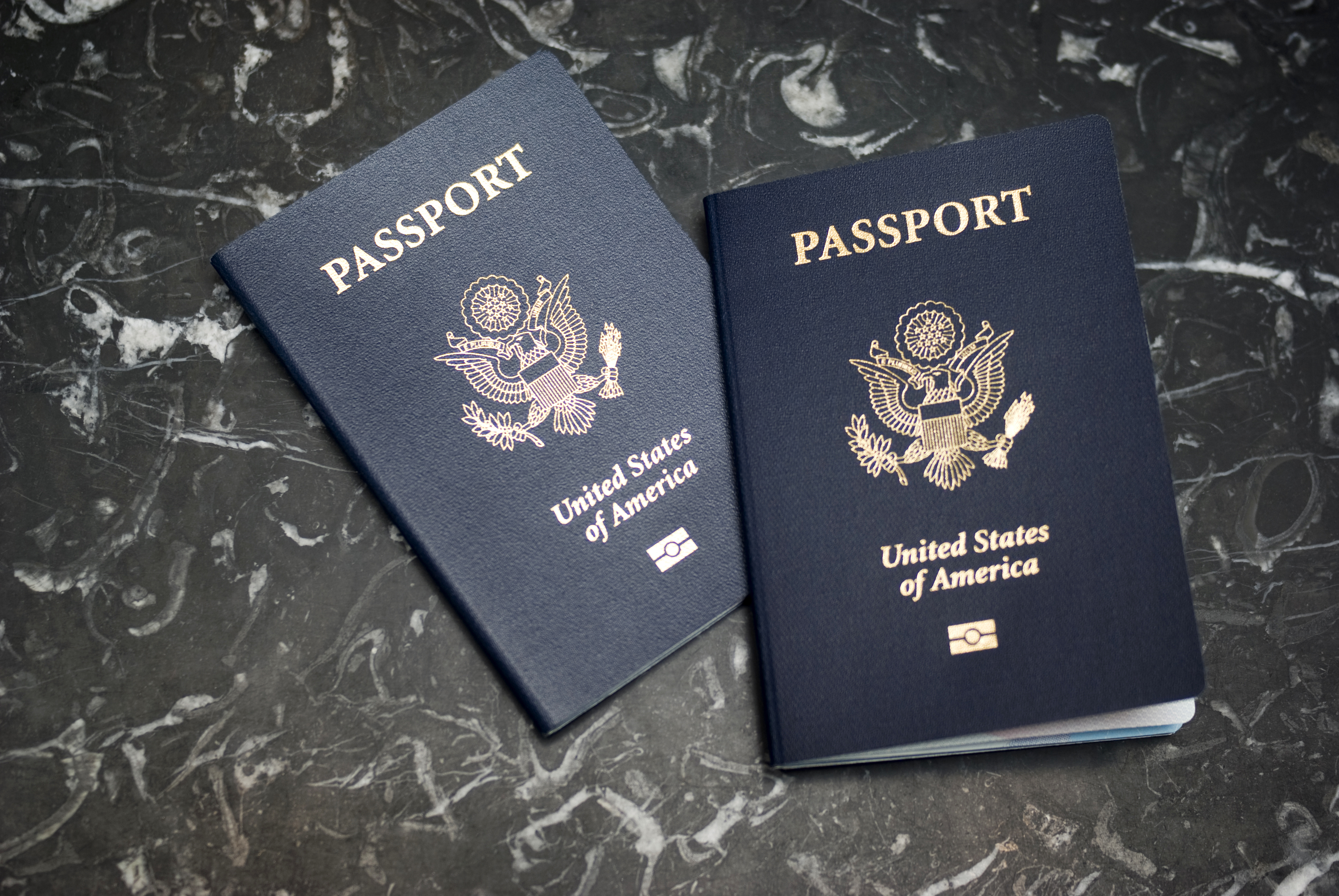
Let me tell you about a client I will call Susan. Susan is a CEO who runs a multi-million-dollar company with an iron hand and a warm heart. She knew exactly what she wanted. A private multigenerational Christmas Markets river cruise for fourteen family members, including her parents, her in-laws, her adult children, and their spouses. She came to me organized, decisive, and ready to write a check. She had done her research. And she thought she knew what was needed and was ready to go.
What she did not know was that her mother’s passport had less than six months of validity remaining. She also had no idea that a brand-new European entry system was coming that would affect every single person in her group. Had she booked this trip on her own, that passport issue alone could have stopped her mother at the gate. Instead, because she worked with me, we caught it early, handled the renewal with plenty of time to spare, and her family glided through every border crossing without a single problem.
That is the kind of detail that separates a truly seamless trip from a nightmare. And it is the kind of thing I watch for every single day.
Check out my guide for traveling internationally for the first time.
Do I Need a Visa for Europe as an American Traveler?
Here is the good news: As of right now in 2026, the answer to “do I need a visa for Europe” is no. Not for most American travelers taking a trip of 90 days or less. United States citizens have enjoyed visa-free access to most of Europe for decades, and that has not changed. What has changed, and what is continuing to change, is the system that governs how you enter. As well as how your movements are tracked once you arrive.
The key to understanding European travel for Americans is the Schengen Area. Once you understand what the Schengen Area is and how it works, everything else starts to make a lot more sense.
What Is the Schengen Area and Which Countries Are Included?
The Schengen Area is a group of 30 European countries that have agreed to a common border policy. When you enter one Schengen country, you can travel freely between all of them without going through passport control at each border. Think of it as one giant travel zone.
The 30 countries currently in the Schengen Area are:
- Austria
- Belgium
- Bulgaria
- Croatia
- Cyprus
- Czech Republic
- Denmark
- Estonia
- Finland
- France
- Germany
- Greece
- Hungary
- Iceland
- Italy
- Latvia
- Liechtenstein
- Lithuania
- Luxembourg
- Malta
- Netherlands
- Norway
- Poland
- Portugal
- Romania
- Slovakia
- Slovenia
- Spain
- Sweden
- Switzerland
Two important countries that are NOT part of the Schengen Area are the United Kingdom and Ireland. Both have their own separate entry requirements, which I will cover in detail a little further down.
The Schengen 90-Day Rule Explained
As a US citizen, you can spend up to 90 days within any 180-day period in the Schengen Area without a visa. That 90-day clock does not reset every time you leave and re-enter. Europe calculates that 90-day clock across the entire 180-day window, which means if you have already spent 60 days in Europe during one trip, you only have 30 more days of visa-free access remaining in that same 180-day period. For most leisure travelers, this is not an issue. But for my clients who are combining extended European travel with business, I always make sure we are counting those days carefully.
Do I Need a Visa for Europe Right Now in 2026?
Right now, today, no action is required for Americans traveling to Europe beyond making sure your passport is valid. However, two major new systems are either already live or coming very soon. Every American traveler needs to understand them.
The first is the Entry Exit System, which is already operational. The second is ETIAS, which the EU plans to launch in the final quarter of 2026. I will walk you through both.
The New Europe Entry Requirements Americans Need to Know About
Europe is modernizing its borders. The EU did not design these changes to make travel harder for legitimate tourists, but they do add steps that did not exist before. Here is what every American traveler needs to understand before their next trip across the Atlantic.
What Is ETIAS and Do Americans Need It?
ETIAS stands for European Travel Information and Authorization System. It is not a visa. I want to say that again clearly because this is one of the biggest sources of confusion I hear from clients: ETIAS is not a visa. It is a pre-travel screening authorization. It is similar in concept to the ESTA that foreign visitors need to enter the United States.
Once ETIAS launches towards the end of 2026, American travelers will need to apply for it before visiting any of the 30 Schengen Area countries. The application is done entirely online. It will be linked digitally to your passport and will be valid for three years or until your passport expires, whichever comes first. During that validity period, you can make unlimited trips to the Schengen Area without reapplying. As long as your stay stays within the 90-day rule.
As of now, the EU has confirmed that no action is required yet. The official ETIAS website states that travelers do not need to apply at this point. And the EU will announce the specific launch date several months before it goes live.
My advice is simple: Stay informed and make sure you are working with a travel advisor who monitors these developments on your behalf.
How to Apply for ETIAS Authorization When the Time Comes
When ETIAS does launch, the application process is expected to be quick and straightforward.
Here is what to expect:
- Complete an online application through the official EU ETIAS portal at travel-europe.europa.eu/etias.
- Provide personal information including your full name, birth date, and passport details.
- Answer health and security screening questions about your medical history, criminal record, and prior travel history.
- Pay the application fee of 20 euros (approximately 23 USD). The fee is waived for travelers under 18 and over 70.
- Submit and wait. Most applications are approved within minutes, though some may take up to 96 hours.
- Receive your approval, which will be electronically linked to your passport.
One important warning: Beware of unofficial third-party websites that claim to offer ETIAS applications. There is only one official ETIAS application portal. It is run by the European Union. Any other site charging a fee to apply is not official. When the time comes, I will be guiding all my clients through this process directly.
The Entry Exit System (EES): Europe’s New Border Technology
While ETIAS is still coming, the Entry Exit System Europe (EES) is already here. As of April 10, 2026, EES became fully operational across participating European countries. Although, individual border points are still rolling out the technology at varying speeds.
EES replaces the old practice of physically stamping passports at the border. Instead, your entry and exit from the Schengen Area is now recorded digitally. When you arrive at any European border for the first time under this system, you will need to have a photo of your face taken and your fingerprints scanned. This biometric data is stored digitally and used to track your entries and exits. This replaces the passport stamp system that has been in place for decades.
The practical impact for travelers is simple: Expect longer wait times at passport control, especially during the initial rollout period. If you are connecting through a major European hub or arriving at a busy international airport, build extra time into your schedule. I always prepare my clients for this reality so that it does not become a stressful surprise on day one of their trip.
Do I Need a Visa for the UK? Understanding the UK ETA
The United Kingdom is not part of the Schengen Area and is not part of the ETIAS system. The UK has its own separate pre-travel authorization called the Electronic Travel Authorization, or ETA. American travelers visiting the UK for short stays, tourism, or business now need an ETA before they travel.
The UK ETA costs 16 British pounds (approximately 21 USD) and is valid for two years or until your passport expires, whichever comes first. Like ETIAS, you apply for it online. It is then linked digitally to your passport. It covers multiple visits during its validity period.
Here is an important detail that surprises many of my clients: If you are planning a trip that combines London with a stop in Paris, Rome, or Amsterdam, you will need both a UK ETA and an ETIAS authorization. They are completely separate systems. One does not substitute for the other. This is exactly the kind of overlapping requirement that is easy to miss when you are planning a trip on your own. Yet it is very easy for me to catch when I am managing your trip.
What Documents Do I Need to Travel to Europe?
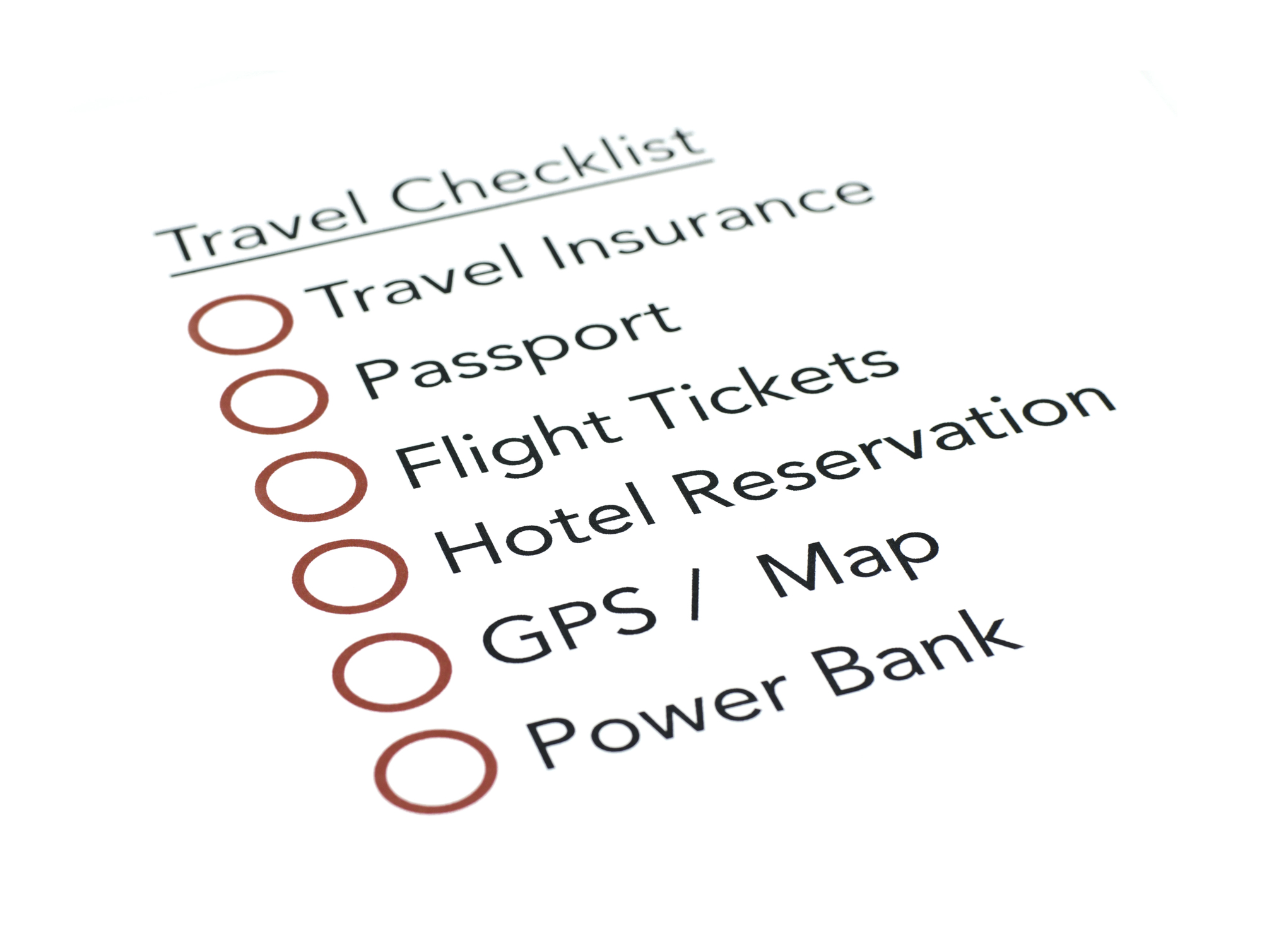
Every time I prepare a client for a European trip, I work through a comprehensive international travel documents checklist to make sure nothing slips through the cracks.
Here is what every American traveler heading to Europe needs to have in order:
- A valid US passport with at least 6 months of validity beyond your planned arrival date in the Schengen Area. Many countries in Europe will turn you away at the border if your passport does not meet this requirement.
- UK Electronic Travel Authorization (ETA), if your itinerary includes the United Kingdom. Apply through the official UK government website.
- ETIAS authorization, once it launches in towards the end of 2026, for travel to any of the 30 Schengen Area countries.
- EES biometric registration at the border upon arrival. This happens automatically when you go through passport control at a participating European border.
- Travel insurance is strongly recommended and sometimes required as proof of coverage at the border. I help all my clients select appropriate coverage for their specific itinerary.
- Proof of onward travel, such as a return flight confirmation, in case it is requested at the border.
- Evidence of financial means if asked. Although, most leisure travelers are never asked for this.
For multigenerational travel, this checklist multiplies. I review every traveler’s documents individually, including children and elderly family members, because requirements can differ based on age. Children traveling without both parents may also need additional documentation depending on the destination. I make sure my clients know exactly what to prepare.
Visa Requirements by Country for Americans Beyond Europe
Europe is not the only place my clients love to explore. I regularly plan trips to Japan, the Caribbean, Australia, Southeast Asia, and beyond. Here is a look at what Americans need to know about visa-free travel for US citizens in some of the most popular international destinations.
Do I Need a Visa for Japan?
Japan is one of the most spectacular destinations in the world. And the good news for American travelers is that no, you do not need a visa for Japan for stays of up to 90 days for tourism or business purposes. You will receive a temporary visitor stamp upon arrival at any Japanese airport or seaport. No advance application is required.
Passport requirements for Japan are slightly different from Europe. Your passport does not need to have six months of validity beyond your arrival. It simply needs to be valid for the entire duration of your stay. You will also need at least one blank page for your entry stamp. Japan strictly enforces passport condition requirements, so make sure your passport is not damaged or worn before you travel.
One thing to be aware of: When you arrive at a Japanese immigration counter, officials collect biometric data including fingerprints and a photo from all foreign visitors over the age of 16. This is standard procedure and takes only a moment.
Do I Need a Visa for the Caribbean?
The Caribbean is a mosaic of islands, each with its own government and its own entry requirements. The broad answer is that most Caribbean islands do not require Americans to obtain a visa in advance for tourist stays. However, “no visa required” does not always mean “no paperwork required.”
Many Caribbean destinations require a tourist card or charge a departure tax or arrival fee. You can pay this fee in advance online or upon arrival. Some islands have very specific passport validity requirements. A handful of destinations require you to complete their own digital pre-arrival forms before you board your flight.
Because the Caribbean is made up of so many individual island nations with constantly evolving requirements, a travel advisor who knows these destinations well can save you significant time, stress, and frustration. I handle every pre-arrival form, every fee, and every entry requirement for my Caribbean clients so that they step off the plane already in vacation mode.
Other Popular Destinations and Their Entry Requirements
Here is a quick overview of what Americans currently need for a few other top destinations. Please note that requirements change, and you should always verify current rules before booking.
- Australia: Americans must apply for an Electronic Travel Authority (ETA) before arrival. The application is quick, done online, and linked to your passport.
- South Korea: As of January 2026, the K-ETA (Korea Electronic Travel Authorization) is required for American travelers. This is applied for online before departure.
- Thailand: Americans can enter Thailand visa-free for stays of up to 30 days for tourism. No advance application is currently needed.
- Costa Rica: Visa-free for Americans for tourist stays, making it a popular and easy destination for family and adventure travel.
- Mexico: No visa required for American tourists. However, you will need to complete a tourist card. This is often handled by the airline.
The landscape of international entry requirements shifts constantly. A country that was visa-free last year may have introduced a digital authorization this year. This is one of the most compelling reasons to work with a travel advisor who monitors these changes as a core part of the job.
Do I Need a Visa for a River Cruise in Europe?
This is one of my absolute favorite questions to answer, because river cruising in Europe is one of my deepest passions. And I want every client to feel completely prepared and excited before they step aboard.
So, let me be clear: Do I need a visa for Europe when I am taking a river cruise? The answer is the same as for any European trip. Right now, no visa is required for American travelers. And once ETIAS launches, a single ETIAS authorization will cover your entire river cruise journey. Even if you are passing through multiple Schengen countries along the way. You do not need a separate authorization for each country the river flows through.
European river cruises are one of my absolute specialties, particularly the Christmas Markets cruises along the Rhine, Danube, and Moselle rivers. There is truly nothing like gliding through centuries-old cities decorated for the holidays. Stepping off the ship to wander through markets that smell of mulled wine and roasted nuts. And returning to the warmth of your ship as the winter sun sets over the river.
What I love most about river cruising for my clients is that it is the perfect vehicle for multigenerational travel. You unpack once. You travel without the chaos of airports between cities. Your grandparents have easy access ashore and can rest onboard while younger family members explore. And every evening, everyone comes back together to share a meal and talk about what they saw. The ship becomes your home base, and the river takes care of the rest.
How I Handle River Cruises
When I book a river cruise for a client, I handle the entire document picture from start to finish. Every passport review. Every ETA and ETIAS application when needed. And every pre-departure requirement. My clients board their ship knowing that every detail has been managed by someone who has done this many times and genuinely loves it.
How Long Does My Passport Need to Be Valid for International Travel?

Passport validity requirements are one of the most overlooked details in international travel planning. They can bring an entire trip to a screeching halt if they are ignored. Here is what you need to know by destination.
Passport Validity Requirements by Destination
- Europe (Schengen Area): Your passport must be valid for at least 6 months beyond your planned arrival date. Many airlines will not even allow you to board if this requirement is not met.
- United Kingdom: Your passport should be valid for the full duration of your stay, with an additional 6 months strongly recommended.
- Japan: Your passport must be valid for the full duration of your stay. Japan does not require the 6-month rule, but a damaged or worn passport can cause issues at immigration.
- Caribbean: Requirements vary by island. Most require validity for at least 6 months beyond the date of travel.
- Australia: Your passport must be valid for the duration of your stay.
- General rule of thumb: If your passport has fewer than 12 months of validity remaining, start the renewal process now. Do not wait.
Passport Renewal Timing: Why Earlier Is Always Better
The passport processing times at the US State Department can be unpredictable and are often longer than people expect. Routine processing can take anywhere from 6 to 12 weeks. Expedited processing is available for an additional fee but is still not instantaneous. If you are planning a multigenerational trip and need to coordinate renewals for several family members, I cannot stress this enough: Start early.
One of the first things I do when a new client comes to me with a trip in mind is ask them to check every traveler’s passport expiration date. We catch issues early, we handle them calmly, and we never leave a client scrambling in the weeks before departure. That kind of attention to detail is what I built Elite Travel Journeys on when I opened in 2014. And it is what I stand behind every single day.
What not to do when it comes to your passport for vacations.
Why Visa Requirements Are Just One Reason to Book with a Luxury Travel Advisor
I have been asked more times than I can count whether a person really needs a travel advisor in the age of the internet. My answer is always the same: You do not need one. You need the right one.
My clients are not buying trips. They are buying time. Time with their parents while they still can. Time with their children who are growing up faster than anyone expected. More time with a spouse who they have not truly been present with in months. Time with the friends who have been there through everything. That time is irreplaceable, and it deserves to be protected.
International entry requirements change without announcement. A country that required no pre-travel authorization last year may require one now. A passport that seemed perfectly fine may fall short of a destination’s validity requirement. ETIAS will launch in late 2026, and when it does, every American traveler heading to the Schengen Area will need to have it in place before they fly. These are not things you want to discover at check-in.
As a military veteran and the current President of the Central PA chapter of ASTA, I hold myself to the highest professional standards in this industry. I have been doing this since 2014, and I bring every year of that experience to every single client trip I plan. When you work with me, you are not just getting someone who knows the destinations. You are getting someone who knows the rules, watches for the changes, and makes sure that nothing stands between you and the memories you came to make.
Peace of Mind Is the Real Luxury
I had a client once who told me that the best part of her European river cruise was not the Christmas Markets. Although, she said those were more beautiful than she had ever imagined. It was not the wine or the food or the snow-dusted cobblestone streets. Although, she described those with the kind of wonder that makes this job endlessly rewarding.
The best part, she said, was that she never once thought about logistics. Not a single moment. She was fully present for every conversation with her mother, every laugh with her sister, every quiet morning coffee watching the river go by with her husband. She was there, completely and entirely, because she knew that I had taken care of everything else.
That is what I do. And if you are ready to stop thinking about paperwork and start thinking about the moments you want to create, I would love to help you get there.
So, are you ready to plan an international trip?
If you said yes, I would like to invite you to click here to schedule a personalized planning session with me. Clicking the link will take you directly to my digital calendar to schedule a time that is convenient for you.
I also recommend signing up for my newsletter so you never miss any of the travel information I share, which includes all the changing travel requirements.
Frequently Asked Questions
Do I need a visa for Europe as an American in 2026?
Not currently. American travelers do not need a visa for Europe for stays of 90 days or fewer in the Schengen Area. However, the EU plans to launch ETIAS, a new pre-travel authorization system, later in 2026. ETIAS is not a visa, but Americans will need it once it goes live. You do not need to take any action at this moment.
What is ETIAS and when does it start?
ETIAS stands for European Travel Information and Authorization System. It is a pre-travel screening authorization, not a visa. This authorization is required for Americans and other visa-exempt travelers visiting the Schengen Area. It is expected to launch in the final quarter of 2026. The EU will announce the specific date several months in advance.
How is ETIAS different from a Schengen visa?
Citizens of countries without visa-free access to Europe must obtain a Schengen visa before they travel. Americans have always had visa-free access and do not need a Schengen visa. ETIAS is a lighter pre-screening authorization, applied for online, that simply adds an electronic check before travel. It costs 20 euros, takes minutes to apply for, and is valid for three years.
How long does my passport need to be valid for Europe travel?
Your passport must be valid for at least 6 months beyond your planned arrival date in the Schengen Area. If your passport does not meet this requirement, you can be denied boarding before you even reach the airport in Europe.
Do I need a visa for a river cruise in Europe?
Americans taking a European river cruise do not currently need a visa. Once ETIAS launches, one single ETIAS authorization will cover your entire cruise, even across multiple Schengen countries. You do not need a separate authorization for each country.
Do I need a visa for Japan or the Caribbean?
Americans do not need a visa for Japan for stays up to 90 days. Most Caribbean islands also do not require a visa for Americans, though some require tourist cards, entry fees, or digital pre-arrival forms. Requirements vary by island, so always verify before you travel.
What is the Entry Exit System (EES)?
The EES is Europe’s new digital border tracking system that replaced passport stamps as of April 10, 2026. When you arrive at a participating European border, border agents collect your fingerprints and facial image and store them digitally. It applies to all non-EU travelers visiting for short stays and is separate from ETIAS.
Do I need both a UK ETA and ETIAS if I visit the UK and Europe on the same trip?
Yes. The UK is not part of the ETIAS system. If your trip includes both the United Kingdom and Schengen Area countries, you will need a UK ETA and an ETIAS authorization. They are separate systems and one does not substitute for the other.
Why should I use a travel advisor to handle international entry requirements?
International entry requirements change frequently, and mistakes can result in being denied boarding or entry at the border. A luxury travel advisor like me monitors these changes on your behalf, reviews every traveler’s documents before departure, handles all pre-travel applications, and makes sure that nothing stands between you and your trip. The peace of mind alone is worth every penny.

Tracy is the owner of Elite Travel Journeys, a luxury travel agency dedicated to crafting extraordinary, memory-making journeys for families, multigenerational groups, empty nesters, and solo female travelers. A proud military veteran and President of the Central PA Chapter of ASTA, Tracy brings both discipline and deep passion to everything she does. With a particular love for river cruising, especially Europe’s enchanting Christmas Markets, she has been turning travel dreams into life-changing experiences since 2014. Tracy believes that extraordinary travel doesn’t just take you somewhere new; it changes who you are.
Enter your Name and best Email Address to receive
On Your Next Family Vacation
We respect your privacy and will never share or sell your information.
3 Ways to See It All in Alaska


On Your Next Family Vacation
Click here for 10 Exciting Family Adventures
You Can Plan
NOW