The Best Coral Reefs in the World to See Before They Change Forever (and How to Plan the Trip for World Reef Day)
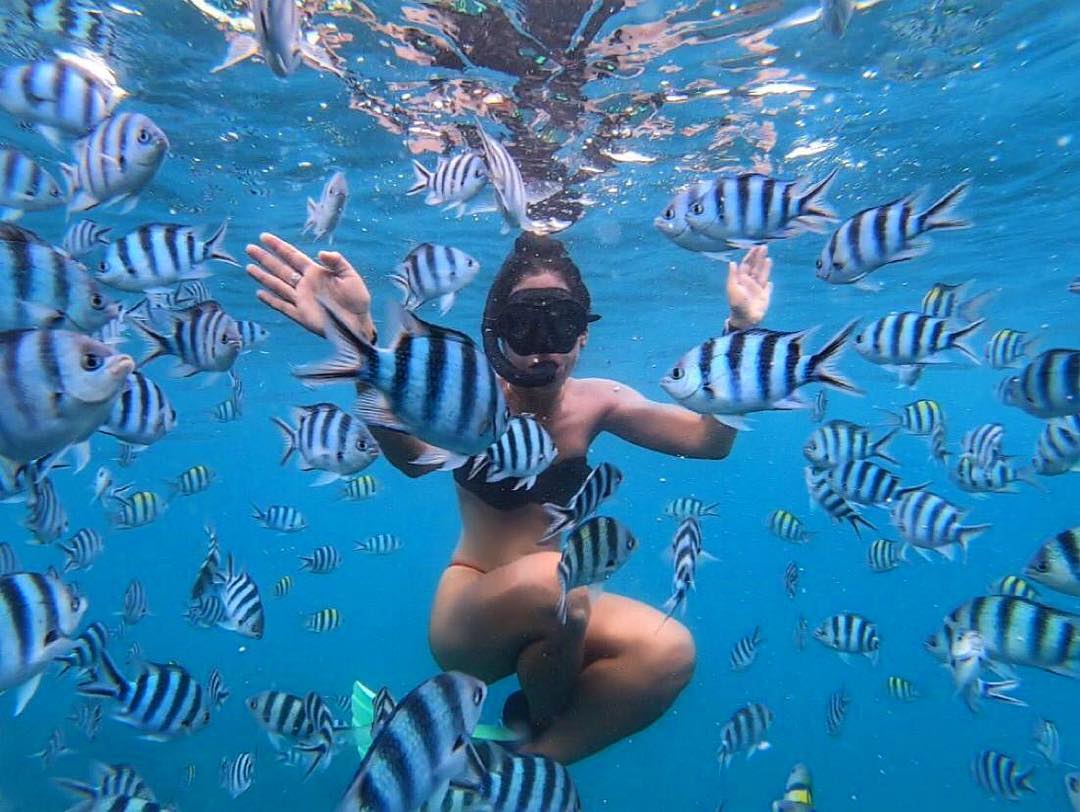
There is a moment, just after your face breaks the surface and the noise of the world disappears, when you understand why people plan their entire lives around seeing the best coral reefs in the world. The color hits you first. Not the postcard blue you expected, but something living and layered. Staghorn coral in amber and ivory. Brain coral in rusted gold. Sea fans swaying in slow motion like they have nowhere to be and all the time in the world to get there. A parrotfish drifts past without acknowledging you. A sea turtle banks left and disappears into the blue. And you float there, breathing through a little plastic tube, thinking: I had no idea.
The best coral reefs in the world are still around. But they are not the same as they were ten years ago, and they will not be the same ten years from now. Between 2023 and 2025 alone, bleaching-level heat stress touched more than 84 percent of the world’s coral reef area in the largest bleaching event ever recorded. That is not a reason to stay home. It is the most compelling reason to go, now, with intention, with the people you love, and with enough time to actually feel it.
Every year on June 1, World Reef Awareness Day brings together conservationists, travelers, ocean lovers, and people who have never seen a reef in their lives. They are all looking at the same thing on the same day. If you missed it this year, you have almost twelve months to do something about it. Start here.
The Best Coral Reefs in the World to See Before They Change Forever (and How to Plan the Trip for World Reef Day)
Why World Reef Awareness Day Is the Best Reason to Finally Book the Trip
Picture this. It is a Tuesday afternoon in July. You are sitting at the kitchen table with a glass of wine and a calendar, and you circle June 1 with a red pen. Not because someone told you to. Because you decided that next year, you are not just going to be aware of coral reefs. You are going to be standing in the water next to one.
World Reef Awareness Day was founded in 2019 by Raw Elements USA. They are a reef-safe sunscreen company and a member of 1% for the Planet. The intention was simple: Give the world one recurring calendar date to stop, look at what is happening to coral reefs, and choose to do something about it.
That something does not have to mean signing a petition or changing your sunscreen, though both matter. It can mean booking a trip that puts your family, your mother, your best friend, or just yourself, in the water above a living reef.
Coral reef conservation travel is one of the most meaningful ways a leisure traveler can participate in the health of these ecosystems. Sustainable tourism dollars fund marine protection programs, local conservation organizations, and research that keeps reefs on the global agenda. When you choose to use reef-safe sunscreen, travel with operators who give back, and keep your hands to yourself underwater, you are not just a tourist. You are part of the reason the reef survives the next decade.
June 1 gives you a date to aim for. But the reefs below are worth visiting any time of year. Let the day be your reason to finally stop browsing and start planning.
The Best Coral Reefs in the World Worth Showing Up For
Not every coral reef vacation destination is the same. Some are built for spectacle and scale. Some are built for color and intimacy. And some are best experienced from the surface in a snorkel mask. Others reward the extra effort of going deeper. All three of the destinations below appear on any serious list of the best coral reefs in the world. And all three offer something the others do not.
Whether you are planning a Great Barrier Reef family trip with three generations in tow, a bucket list reef experience with your closest friends, or a solo journey you have been putting off for years, one of these three will feel like it was built for you. Travelers who ask me where to start when researching the best coral reefs in the world almost always leave this conversation with one of these three destinations already circled.
Queensland, Australia: The Greatest Living Thing on Earth
Imagine flying into Cairns, Australia as the sun comes up. Below the plane, the Coral Sea shifts from deep indigo to turquoise. Somewhere beneath that water, stretching for more than 1,400 miles along the Queensland coast, is the largest living structure on the planet.
The Great Barrier Reef was added to the UNESCO World Heritage List in 1981. It has earned every word of the designation. What most people picture as one continuous wall of coral is actually a collection of nearly 3,000 individual reefs, each with its own character, its own residents, its own particular light.
More than 1,500 species of fish make their home here. Humpback whales pass through on migration between June and October. Sea turtles have been returning to the same nesting beaches for longer than recorded history.
The Great Barrier Reef family trip is one of those travel experiences that tends to change the people who take it. I have heard parents describe watching their child see a sea turtle for the first time. The way the child went completely still, mask pressed to the water, not wanting to breathe in case it left. That stillness is worth the flight.
Check out my guide for an amazing luxury family vacation in Australia.
How to See the Great Barrier Reef Without a Scuba Certification
This is the question I hear most often, and the answer is better than people expect. You do not need a single diving qualification to have a full, extraordinary experience at the Great Barrier Reef.
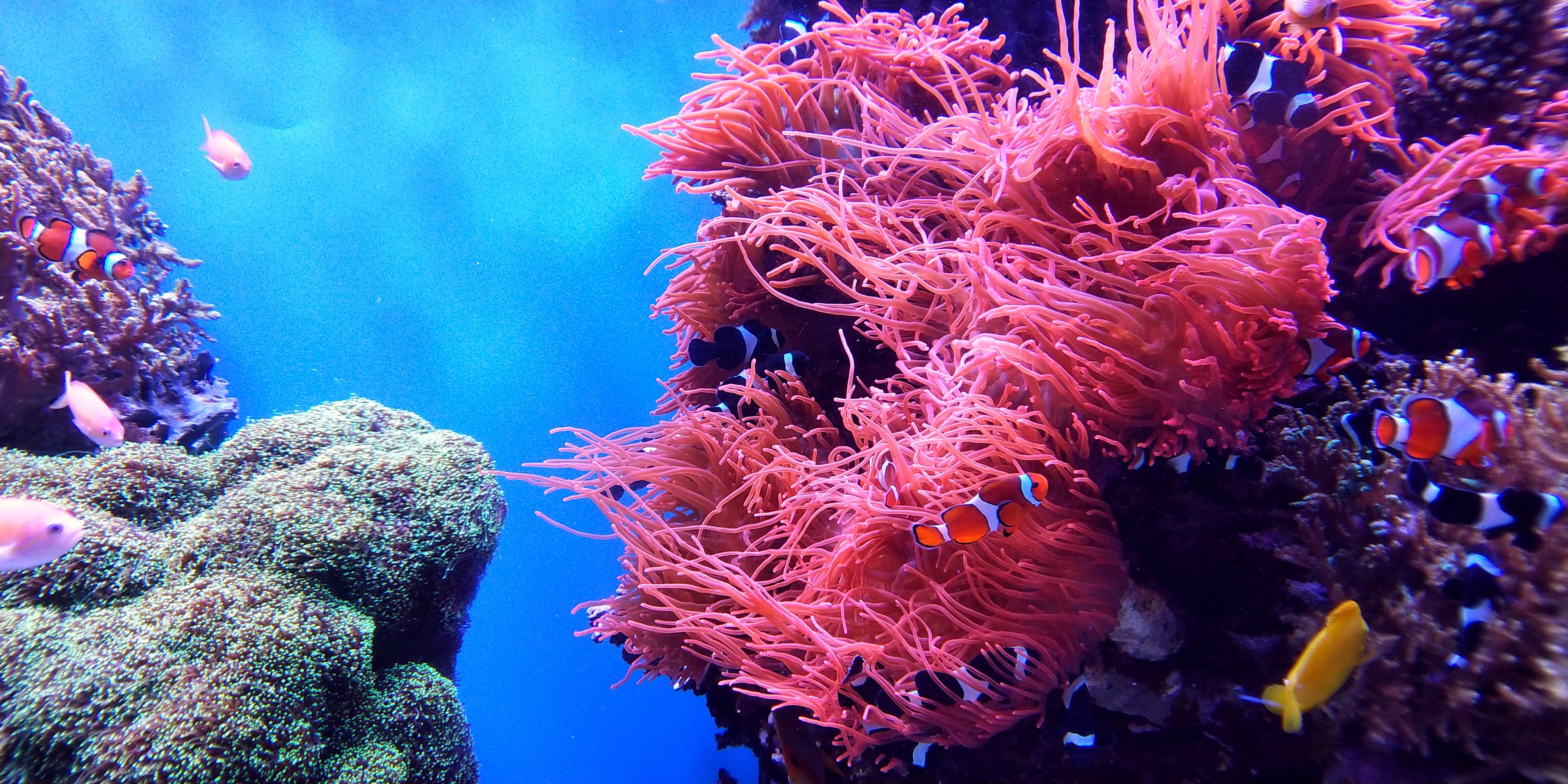
The inner reef sits in shallow, calm water that is made for snorkeling. You can float face-down for an hour above a coral garden and never run out of things to look at.
For families with young children or anyone who prefers to stay dry, glass-bottom boat tours offer a clear view of the reef below without ever getting your hair wet.
And for a perspective that reorients everything, a scenic flight or helicopter tour above the Whitsundays reveals the reef’s true scale in a way that no underwater view can replicate. Heart Reef, a naturally formed coral structure shaped like a heart, is visible only from the air and has made grown adults cry.
The best time to visit the Great Barrier Reef for snorkeling is between June and October. This is when water temperatures are comfortable, visibility is at its highest, and the humpback whales are passing through. That window lands beautifully around World Reef Awareness Day on June 1.
Check out the best scuba diving sites around the world for your family vacation.
Who the Great Barrier Reef Trip Is For
The Great Barrier Reef works for almost everyone, which is exactly why it tops every list of the best coral reefs in the world for families and multigenerational groups. Grandparents who want to stay on the boat can watch the reef through a glass bottom while grandchildren snorkel in circles around them. Teenagers who want more can take an introductory dive experience with a certified instructor on site. Parents who want everything at once can have it.
For a multigenerational snorkeling vacation where every age needs something different, the Great Barrier Reef’s range of access points, from calm lagoon snorkeling to open-water diving, means no one is left waiting on shore while someone else has an adventure.
Taveuni, Fiji: The Reef That Earns Its Name
The island of Taveuni sits in the South Pacific with the kind of quiet confidence that belongs to places that know exactly what they are. It does not need to advertise. Taveuni is the soft coral capital of Fiji, and Fiji is the soft coral capital of the world. The Rainbow Reef in the Somosomo Strait between Taveuni and Vanua Levu is the reason both of those titles exist.
Slip below the surface here and the light does something you do not expect. In most underwater environments the color drains out as you descend, the blues flattening into grey.
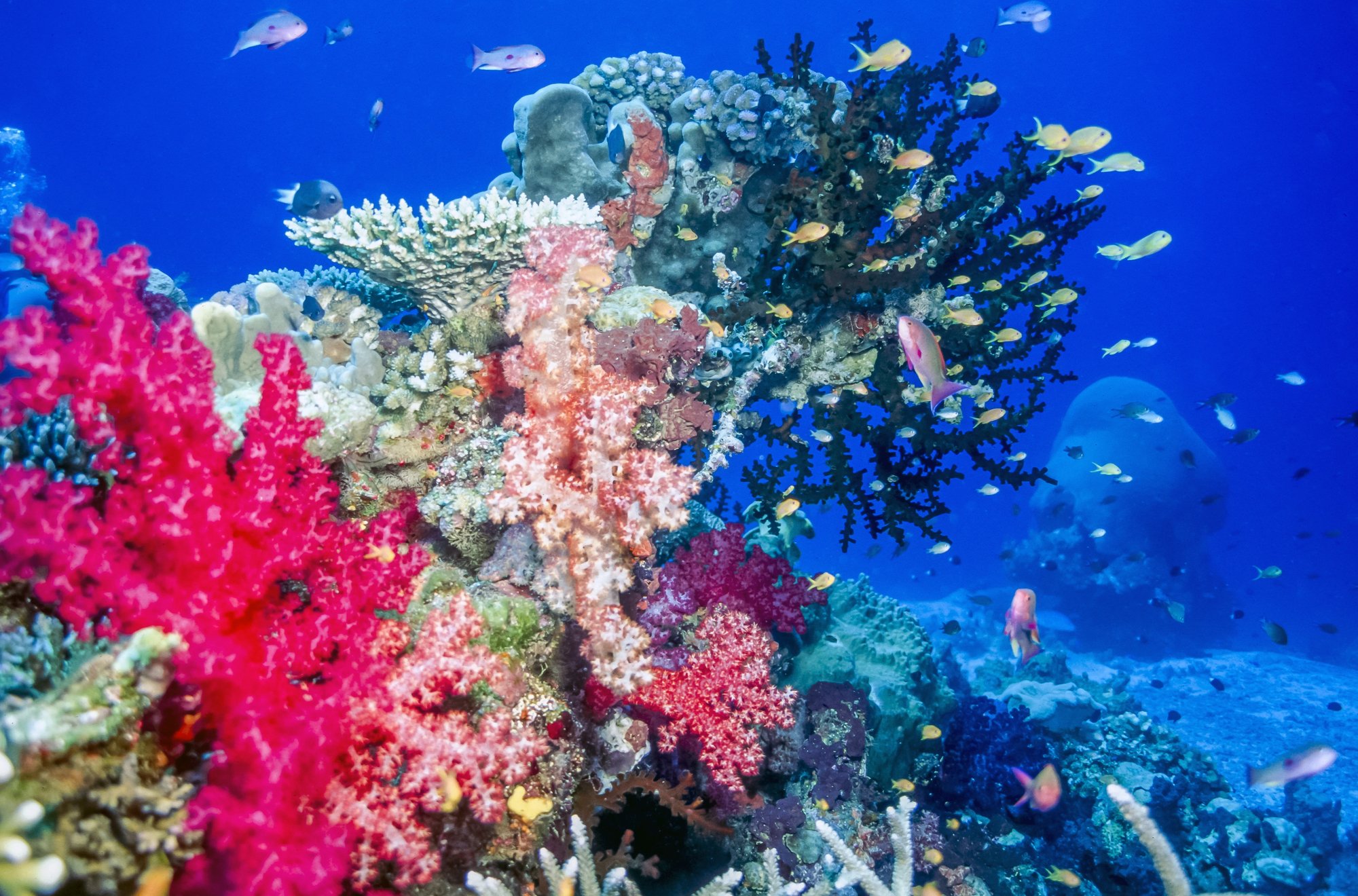
At Rainbow Reef it goes the other direction. The corals here, scarlet, fuchsia, burnt orange, deep violet, grow denser as you go deeper. The current moving through the strait keeps them all in motion. A slow constant ripple like a field of flowers in wind.
Eels thread through the formations. Barracudas hold their position in the current like silver arrows. Sharks move through the blue distance, easy and unhurried.
The structures at Rainbow Reef are luminescent in a way that photographs do not fully capture. They have to be seen in person, in the water, with your own eyes, to understand why this reef appears on every serious list of the best snorkeling destinations in the world.
Coral reef snorkeling trips in Fiji work well for families and for groups of women traveling together. Taveuni specifically tends to attract travelers who want a genuine experience rather than a resort-managed one. The island is less developed than the main Fijian islands. This means the reef has been less impacted by high-volume tourism, and the water clarity is extraordinary.
Why Fiji Works for Every Age in the Group
The Somosomo Strait has sites that range from shallow to calm. This is ideal for first-time snorkelers and older travelers. There are deeper wall dives for more experienced swimmers who want to follow the coral formations down into the blue. That range means a family vacation or multigenerational group can spend a full day in the same location with everyone doing something that suits their comfort level.
Off the water, Taveuni has rainforest walks, waterfalls, and the kind of long, slow dinners where families actually talk to each other. For the grandparent who wants to sit on a terrace with a view while the grandchildren snorkel, Taveuni delivers that too.
Check out the most unforgettable things to do in Fiji during a family vacation.
The Mayan Riviera, Mexico: A Living World Beneath the Caribbean
Stand at the edge of the dock at dawn in the Mayan Riviera before the boats go out, before the dive guides have finished their coffee, before anyone else is awake. The Caribbean is flat and completely clear. The kind of clear where you can see twenty feet down from above the surface.
Below you the reef is already moving. Parrotfish grazing. Grouper drifting. The whole quiet machinery of an ecosystem that has been running for longer than any human civilization.
The Mesoamerican Barrier Reef, which stretches nearly 200 miles from the tip of the Yucatan Peninsula south through Belize and beyond, is the second largest coral reef system in the world. It is home to more than 100 species of hard coral and over 600 species of fish. The section of it accessible from the Mayan Riviera offers some of the most accessible coral reef vacation destinations in the entire Caribbean basin.
Belize barrier reef snorkeling, on the southern end of this same system, attracts travelers specifically seeking out the Great Blue Hole and the rich coral gardens around the Belize atolls. The reef does not recognize the border between Mexico and Belize, and neither should your trip planning. The entire system is worth understanding as one continuous living world.
Planning Around the Mesoamerican Barrier Reef’s Recovery
Here is something I will always tell you the truth about. Parts of the Mesoamerican Barrier Reef have deteriorated. Years of high-volume tourism, warming water temperatures, and proximity to coastal development have stressed sections of the reef significantly. That reality is not a reason to avoid it. It is a reason to approach it carefully.
The most meaningful way to experience this reef is with a guide who knows which areas are in active recovery and which are healthy and accessible. Responsible operators keep groups out of fragile zones, brief their guests on no-touch etiquette before anyone enters the water, and often participate directly in restoration programs. When you travel this way, your visit becomes part of the reef’s recovery rather than a disruption to it.
Reef-safe travel here means using non-nano zinc oxide sunscreen. The kind of sunscreen that does not send chemicals into the water column when you swim. It means not standing on coral, not touching anything, and not taking anything home. It means choosing a guide the same way you would choose a surgeon: On the basis of their values, not just their availability.
This is what coral reef conservation travel actually looks like in practice. Not sacrifice. Just paying attention.
How to Plan a Reef Trip Worth the Journey
Imagine sitting down on a Sunday morning with a fresh cup of coffee. You open your laptop to start planning a trip you have been thinking about for three years. The first question to ask yourself is not where to go. It is who this trip is for.
A Great Barrier Reef family trip with four generations in the group looks completely different from a solo reef experience in Fiji or a girlfriend’s trip to the Mayan Riviera. The destination that makes sense for your trip depends on who is coming, what everyone needs from the water, and how much adventure the least adventurous person in the group is willing to embrace. Every family coral reef vacation I have ever helped plan has started with that single conversation. It is always the most useful conversation we have.
For multigenerational snorkeling vacations, Queensland and Taveuni both offer the range of access points that allow every age to participate at their own level. For families with younger children who are snorkeling for the first time, the calm inner sections of the Great Barrier Reef and the protected bays around Taveuni both offer a gentle introduction. Any travelers who want the most reef for the least travel time from the US, the Mayan Riviera is an obvious starting point.
Timing matters too. June 1, World Reef Awareness Day, falls at the beginning of the best snorkeling season for both the Great Barrier Reef and the Mayan Riviera. This makes it a genuinely ideal target date rather than just a symbolic one. Fiji’s Taveuni is accessible year-round, with visibility and water conditions that stay excellent through most of the calendar.
Reef-Safe Travel: The Small Choices That Matter
The woman who travels the best reefs in the world and leaves them better than she found them is not a conservationist by profession. She is just someone who pays attention.
This woman checks her sunscreen before she packs it, choosing non-nano zinc oxide because she understands that what goes on her skin goes into the water and eventually reaches the coral. She keeps her hands at her sides underwater. Not because a guide told her to, but because she would not pick up a piece of art in a gallery either. And she tips the reef guide well, because that person’s livelihood being tied to the reef’s health is one of the strongest conservation tools that exists.
She asks questions before she books. She wants to know what an operator does to protect the reef, not what discount they are running this week.
None of this is hardship. All of it is the natural behavior of someone who loves the places she visits and wants them to exist for the people who come after her.
Circle World Reef Awareness Day Now, and Let Me Handle the Rest
Remember that first moment. Face in the water, the noise of the world gone, a parrotfish banking left into the blue.
The best coral reefs in the world are not a travel trend or a bucket list checkbox. They are living ecosystems that have been building themselves for millions of years. They are more extraordinary than any description of them can prepare you for.
The Great Barrier Reef will make you feel small in the best possible way. Rainbow Reef in Fiji will show you a color you did not know existed. The Caribbean will hold you in water so warm and clear that getting out feels like a small loss every time.
They are still there. And if you have ever typed “best coral reefs in the world” into a search bar and then closed the tab without doing anything about it, this is the sign to open it back up.
So, are you ready to book a family vacation at one of these destinations to see the best coral reefs in the world??
If you said yes, I would like to invite you to schedule a planning session with me by clicking here. This will take you directly to my digital calendar to schedule a time that is convenient for you.
And if you are not ready to book a family vacation at one of these destinations to see the best coral reefs, you can easily sign up for my newsletter here. This will ensure you continue to receive all the travel information I share.

Tracy is the owner of Elite Travel Journeys, a luxury travel agency dedicated to crafting extraordinary, memory-making journeys for families, multigenerational groups, empty nesters, and solo female travelers. A proud military veteran and President of the Central PA Chapter of ASTA, Tracy brings both discipline and deep passion to everything she does. With a particular love for river cruising, especially Europe’s enchanting Christmas Markets, she has been turning travel dreams into life-changing experiences since 2014. Tracy believes that extraordinary travel doesn’t just take you somewhere new; it changes who you are.
Enter your Name and best Email Address to receive
On Your Next Family Vacation
We respect your privacy and will never share or sell your information.
3 Ways to See It All in Alaska


On Your Next Family Vacation
Click here for 10 Exciting Family Adventures
You Can Plan
NOW