
Documents, Passports, and Visas Can Be a Dealbreaker for Your First International Trip
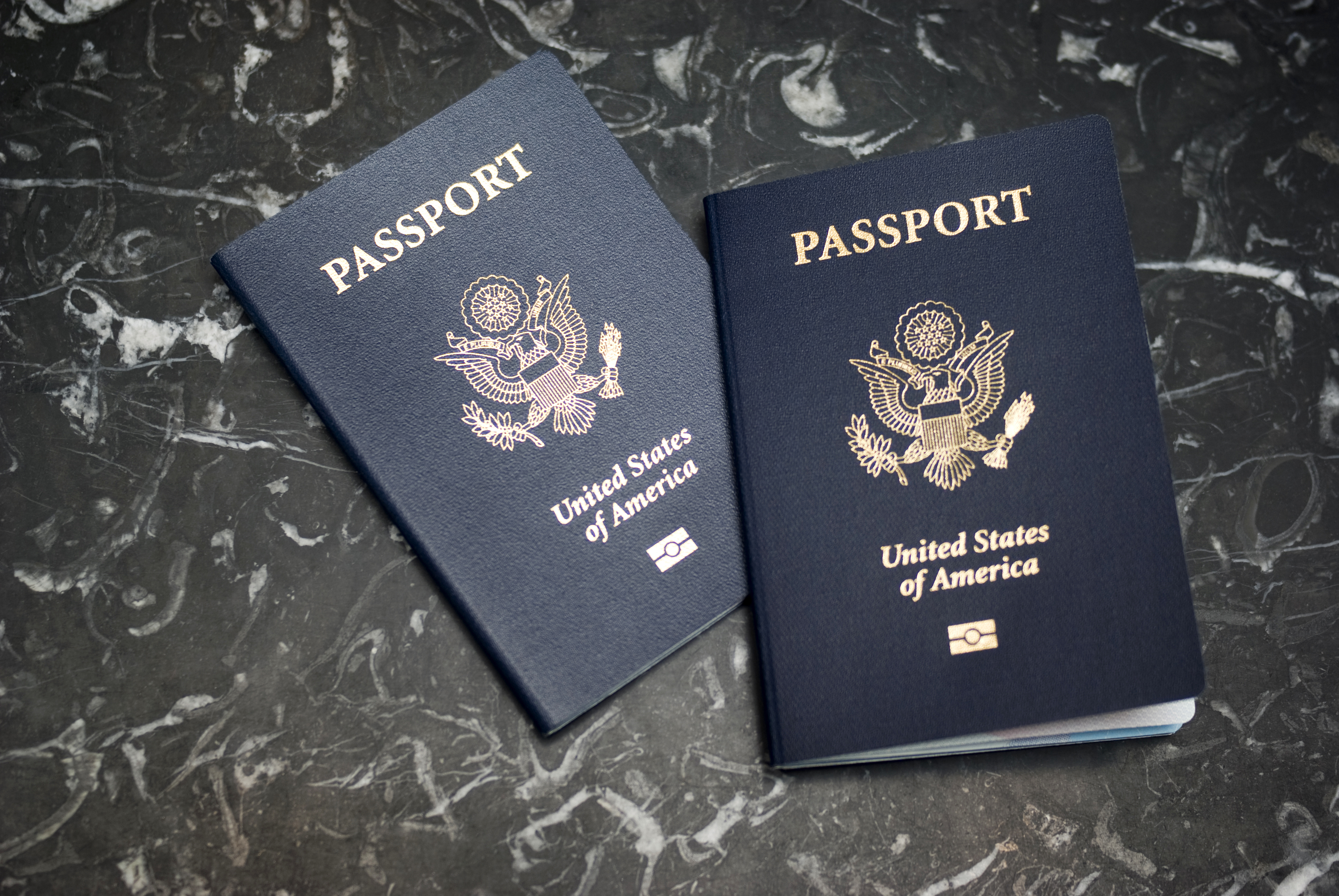
Ask anyone who’s taken their first international trip, and they’ll tell you this part causes the most stress. Yes, you need a passport. But what surprises many first-time travelers are the additional requirements that come with traveling abroad.
Some countries require visas. Others require that your passport be valid for at least six months beyond your travel dates. Some require proof of onward travel or accommodation.
These details vary by destination, which is why understanding what to know before traveling internationally is essential.
This isn’t about fear. It’s about preparation. When your documents are handled correctly, the airport experience feels smooth instead of nerve-wracking.
International Flights Feel Different—Because They Are
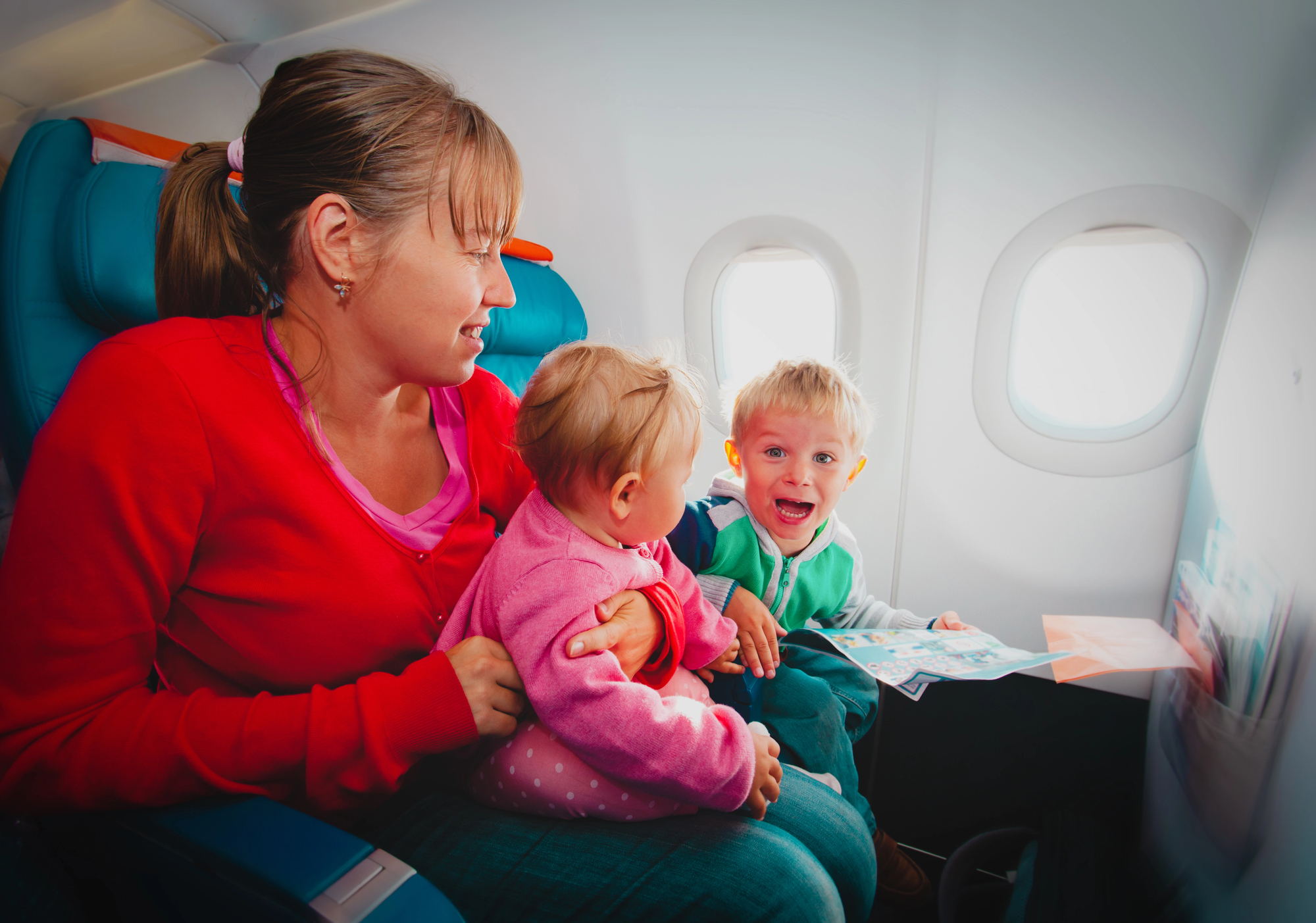
For many people, their first international trip also means their first long-haul flight. These flights require a slightly different mindset. You’re not just getting from Point A to Point B. You’re adjusting to time changes, longer hours in the air, and unfamiliar airport procedures.
Hydration, movement, and comfort matter more than you think. Carry-on bags should include essentials you’ll need if luggage is delayed.
And yes, jet lag is real. Especially if you’re crossing multiple time zones.
International travel tips for beginners often focus on packing lists, but the real key is pacing yourself. Your body needs time to adjust, and that’s okay.
Check out this beginner’s guide to traveling abroad.
Your Arrival Day Sets the Tone for Your Whole First International Trip
One of the most overlooked aspects of a first international trip is what happens after you land. Customs lines, transportation logistics, and navigating a new city can feel overwhelming if you try to do too much too soon.
This is where realistic expectations come into play. Planning a gentle arrival day, one with time to rest, explore nearby areas, or simply settle in, helps prevent burnout before the trip truly begins. Jet lag fades faster when you don’t fight it.
Language Barriers Are Less Scary Than You Think

Many travelers worry about not speaking the local language on their first international trip. The truth? You don’t need to be fluent. Knowing a few polite phrases and having a translation app available goes a long way.
Even small efforts, like saying hello or thank you, often lead to warmer interactions and more positive experiences. Confidence builds quickly once you realize you can communicate, even without perfect language skills.
Food Is Part of the Adventure (And You’re Allowed Preferences)
Trying local food is one of the most memorable parts of international travel. But first-time travelers sometimes worry about unfamiliar dishes. The key is balance. Start with well-known local specialties, ask for recommendations, and ease into new flavors.
And yes, comfort food exists almost everywhere. Enjoying familiar meals doesn’t mean you’re missing out. It means you’re traveling in a way that works for you.
Less Is More When It Comes to Your Itinerary
It’s tempting to see everything on your first international trip. But overscheduling is one of the fastest ways to feel exhausted.
International travel is richer when you slow down, spend time in fewer places, and allow space for unexpected moments.
This is especially true when visiting multiple cities or regions. Spending several nights in one location allows you to understand the rhythm of daily life and enjoy it.
Culture Shock Is Normal (And Temporary)
Every country has its own customs, social norms, and expectations. Feeling surprised, or even uncomfortable at times, doesn’t mean you’re doing anything wrong. Culture shock is a natural part of traveling internationally, especially the first time.
Approaching differences with curiosity instead of comparison helps turn those moments into learning experiences rather than frustrations.