
Historical Travel in Europe: Discovering Europe’s Historical Gems Together as Empty Nesters
Historical travel in Europe takes on a deeper meaning once the kids are grown and the pace of life finally allows space for curiosity, conversation, and connection. Especially for empty nesters who are ready to travel with intention. This stage of life invites travel that feels less rushed and more intentional. Journeys where wandering cobblestone streets, lingering in centuries-old cafés, and standing before landmarks steeped in history becomes something you experience together. Not something you race through.
For empty nesters, Europe offers a rare blend of accessibility and depth. There are centuries of history packed into walkable cities. Well-preserved sites to see. And destinations designed to be explored slowly rather than rushed. Many of the world’s most celebrated Europe historical sites are thoughtfully interpreted. It is easy to explore all of them without exhausting days or rigid schedules. From ancient ruins to medieval towns and grand cities shaped by art, religion, and revolution, Europe rewards travelers who are ready to slow down and truly absorb what they’re seeing.
Traveling as a couple after the kids leave home isn’t about recreating past trips. It’s about rediscovering what excites you now. Historical travel allows you to share meaningful moments, ask better questions, and experience places at a rhythm that feels natural. Europe becomes not just a destination, but a backdrop for reflection, learning, and shared discovery as you step into this new chapter together.
Historical Travel in Europe: Discovering Europe’s Historical Gems Together as Empty Nesters
Why Historical Travel in Europe Is Perfect for Empty Nesters
Historical travel in Europe aligns beautifully with this season of life because it favors depth over speed and meaning over motion. After years of planning trips around school calendars, sports schedules, and nonstop activity, many couples find themselves craving travel that allows them to slow down, linger, and actually be present in the places they visit. Europe was practically built for that kind of travel.
For empty nesters, Europe offers an unmatched concentration of history within manageable distances. You can explore Roman ruins in the morning, enjoy a long lunch in a centuries-old square, and spend the afternoon wandering museums or neighborhoods shaped by generations of life. All without feeling rushed or overwhelmed.
This is what makes empty nester travel in Europe so rewarding. The ability to experience culture at a comfortable pace, with time to reflect and connect.
Europe travel for couples also benefits from the way history is woven into everyday life. In many destinations, Europe historical sites aren’t isolated attractions. They’re part of the daily rhythm.
Churches still host services. Ancient bridges are still crossed. And historic town centers remain places where locals gather. That sense of continuity creates a more personal connection to the past, turning sightseeing into shared discovery rather than passive observation.
Perhaps most importantly, historical travel creates space for conversation. Standing together in places that have witnessed centuries of human triumph, struggle, and creativity naturally invites reflection.
For couples entering this next chapter, Europe becomes more than a destination. It becomes a place to reconnect, learn together, and experience the joy of travel on your own terms.
Avoid these mistakes while traveling abroad.
Best Places for Historical Travel in Europe
The most meaningful historical travel in Europe isn’t about seeing everything. It’s about choosing places where history reveals itself slowly through architecture, geography, and stories that invite reflection. These are the historical gems that resonate most with empty nesters because they reward patience, curiosity, and the freedom to linger.
Rome: Where Western Civilization Was Built, Rebuilt, and Remembered
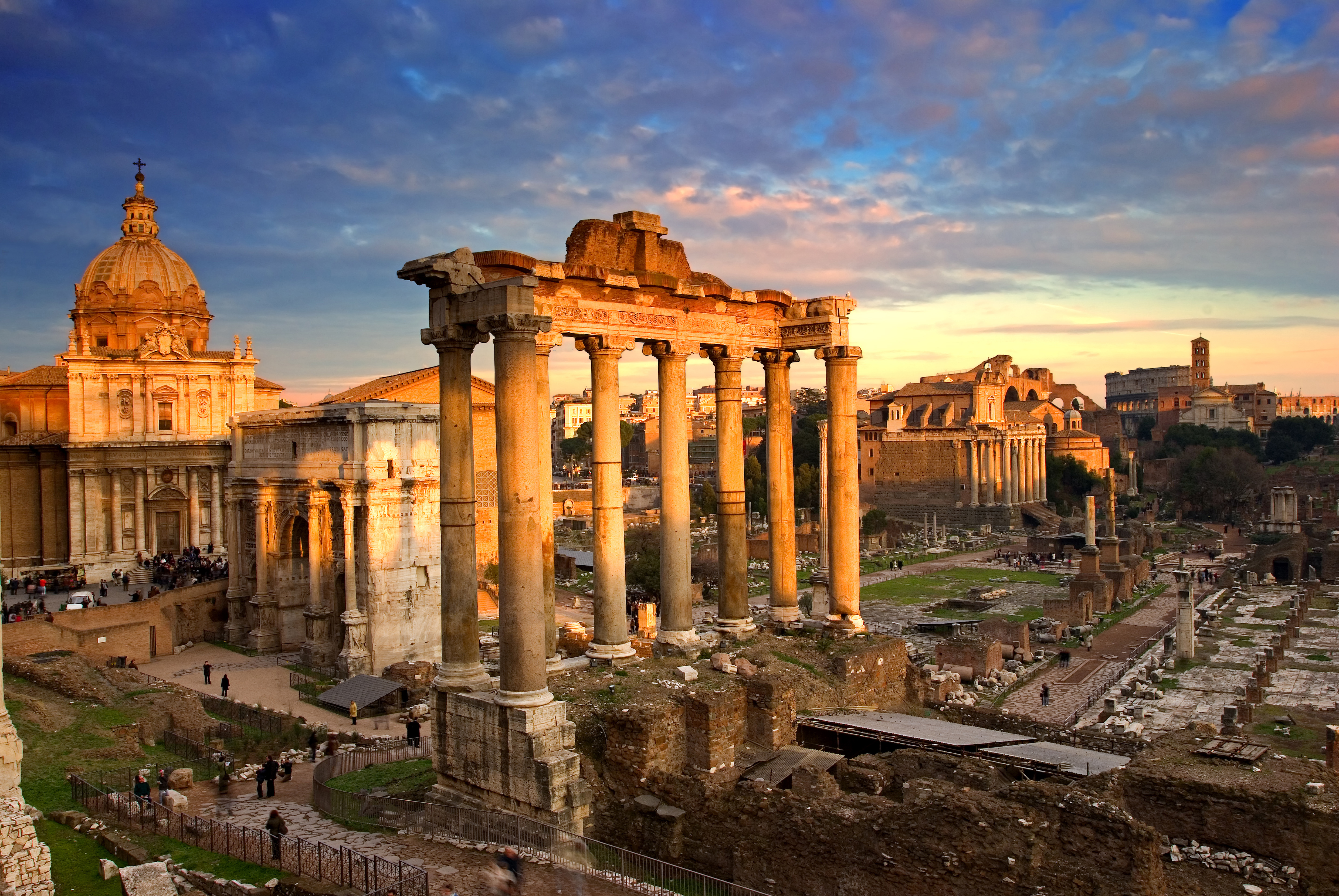
In Rome, history is not preserved in isolation. It is layered, reused, and repurposed across millennia.
The Roman Forum was the political and ceremonial heart of the ancient world. It was where laws were debated, justice was administered, and power was publicly performed. Walking its worn stone paths reveals how governance, civic duty, and public life evolved in ways that still influence modern democracies.
Nearby, the Colosseum exposes another side of Roman society. An empire that used spectacles to unify, distract, and control its population, turning entertainment into a tool of authority.
Rome’s history does not end with antiquity. Early Christian catacombs tell the story of faith practiced in secrecy. Renaissance palaces and Baroque churches reveal how the Catholic Church later asserted dominance through art, architecture, and patronage.
Nowhere else in Europe can couples so clearly trace the shift from pagan empire to Christian stronghold to artistic powerhouse within a single city.
For empty nesters, Rome offers the rare opportunity to connect these eras thoughtfully. With the ability to slow down and savor every moment, history becomes legible rather than overwhelming.
This is one of the most powerful Europe historical sites to visit because it explains not just what happened, but how civilization itself evolved.
Athens: The Foundations of Democracy, Philosophy, and Western Thought
In Athens, history isn’t a backdrop. It’s the blueprint.
The Acropolis and Parthenon are not simply iconic ruins. They represent a civilization shaping ideas of citizenship, governance, and public life that still influence modern democracies. Standing there, couples aren’t just looking at ancient stones. They’re seeing the symbol of a society that argued, questioned, and built systems that changed the world.
Below the Acropolis, the Ancient Agora tells the story of democracy in action. This is where citizens gathered, debated, and participated in civic decisions.
Nearby, sites connected to early philosophical life echo the origins of inquiry itself. The habit of asking better questions, challenging assumptions, and pursuing truth.
Athens is ideal for empty nesters and history lovers alike because it rewards thoughtful pacing. It’s one of the most meaningful Europe historical sites to visit for couples who want to understand not only what happened, but why those ideas still matter now.
Paris: Revolution, Royal Power, and the Art of a Changing World
In Paris, history is written in grandeur and in upheaval.
The story begins with royal power. The city’s grand avenues and palaces reflect centuries of monarchy shaping France as a European powerhouse. But Paris also holds the pulse of revolution. Places connected to the French Revolution reveal a city that didn’t just witness history. It made it, redefining ideas of rights, citizenship, and modern society.
Then there’s the quieter history. Paris is also the world capital of art, literature, and ideas. In museums and historic neighborhoods, couples can trace how creativity and political change constantly influenced one another.
How art documented resistance. How writers shaped identity. And how public spaces became stages for history.
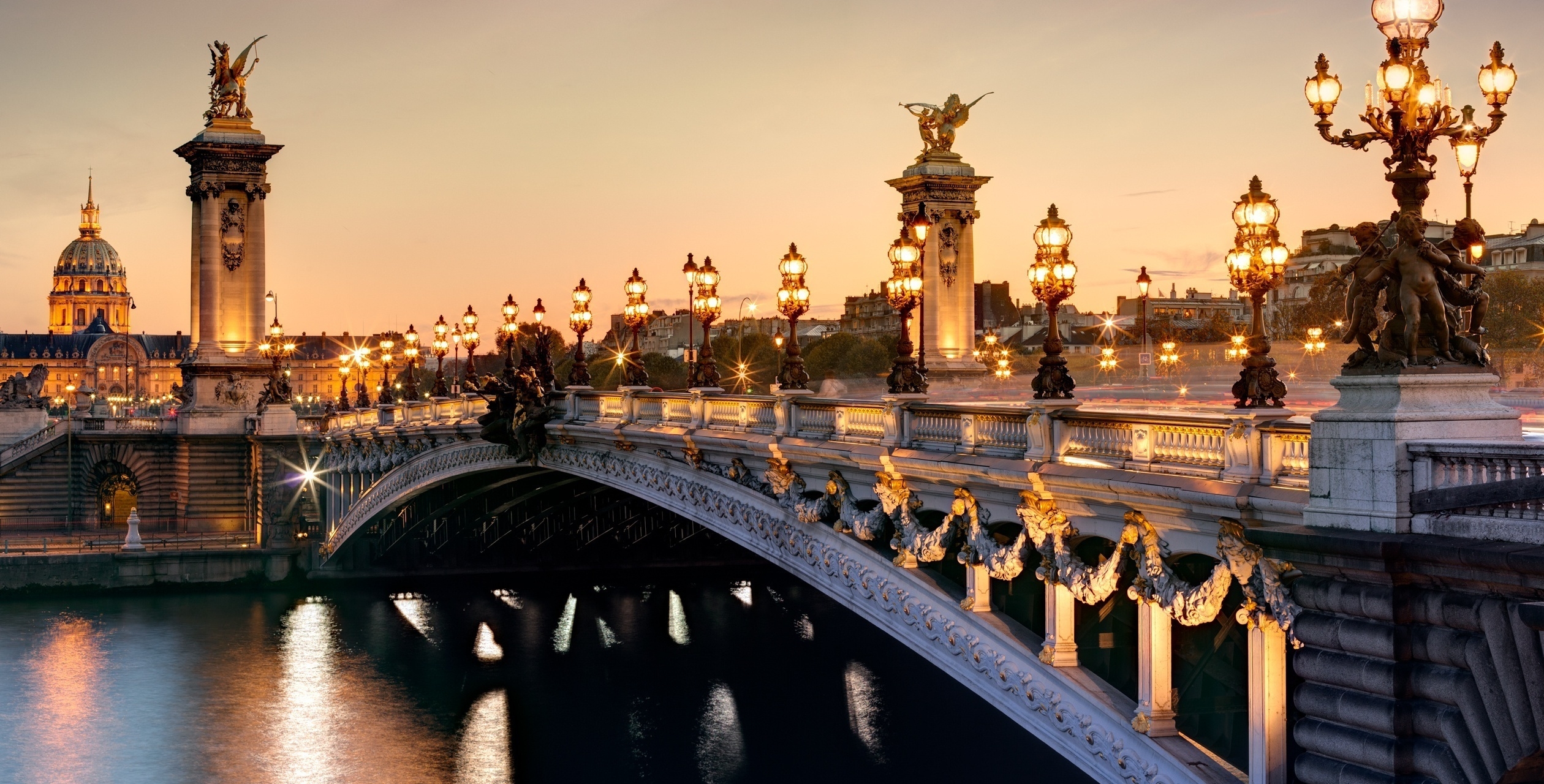
During Europe travel for couples, Paris works beautifully when approached slowly. Early museum hours, long lunches, evening walks along the Seine, and curated experiences that focus on story rather than crowds.
It remains one of the best historical destinations in Europe because it offers both the sweep of empire and the intimacy of lived history.
London: Monarchy, War, and the Birth of the Modern World

In London, history spans centuries of monarchy, empire, and transformation. Often all in the same afternoon.
The Tower of London is one of Europe’s most gripping historical gems, where royal intrigue, imprisonment, and executions shaped the nation’s story. Nearby, Westminster Abbey holds the historical ceremonies of a kingdom. Coronations, burials, and moments that defined leadership and legitimacy over a thousand years.
These are Europe historical sites to visit that don’t just inform. They hum with consequence.
London also tells the story of modernity. Industrial growth. Wartime resilience. And cultural evolution. WWII history is especially tangible here. Stories of endurance, rebuilding, and national identity shaped under pressure.
London is best explored by neighborhood and theme rather than by checklist when including it in an empty nester travel in Europe itinerary. With the right pacing, couples can experience London as a living timeline. Royal power, wartime courage, and the evolution of a city that influenced the modern world.
Prague: A Fairytale City with a Fierce, Unforgettable Past
In Prague, the architecture is enchanting, but the history is what makes it unforgettable.
The Prague Castle complex tells a story of kingdoms, shifting borders, and centuries of power centered on one hill. Walking across the Charles Bridge at a quiet hour feels almost ceremonial. It is a passage through time where saints, legends, and daily life have blended for generations.
Prague’s medieval streets don’t just look preserved. They feel inhabited by history.
Prague’s more recent past adds depth that many travelers don’t expect. The city’s 20th-century story, occupation, resistance, and the fight for freedom, created a resilience that can still be felt in its memorials, museums, and local storytelling. It’s a destination that quietly invites reflection without overwhelming the experience.
For couples who love beauty and substance, Prague is one of the best historical destinations in Europe. It offers walkability, atmosphere, and layered history. This is ideal for those who want historical travel in Europe without the crush of constant crowds.
Florence: The City That Redefined Power, Creativity, and the Human Spirit
In Florence, history marks a turning point. It is when Europe began to look forward instead of backward.
The rise of the Medici family transformed Florence into the birthplace of the Renaissance. Not through conquest, but through influence. By funding artists, architects, and philosophers, the Medici reshaped how power was expressed. Subtly, intellectually, and visually.
The city itself became a statement. That statement was that beauty, knowledge, and innovation were forms of authority.
Standing before Michelangelo’s David is not simply an artistic encounter. It represents Florence’s belief in civic strength and individual potential during a time of political uncertainty.
The Duomo, with Brunelleschi’s revolutionary dome, reflects a leap in engineering and imagination that challenged centuries of accepted limitations.
Florence rewards travelers who want to think as much as they see. For couples, it becomes a place where conversations naturally turn toward questions of creativity, ambition, and progress.
This is why Florence remains one of the best historical destinations in Europe for empty nesters seeking depth rather than spectacle.
Explore wine country as a coupe during your next empty nester vacation.
Vienna: Empire, Intellect, and the Quiet Forces That Shaped Europe
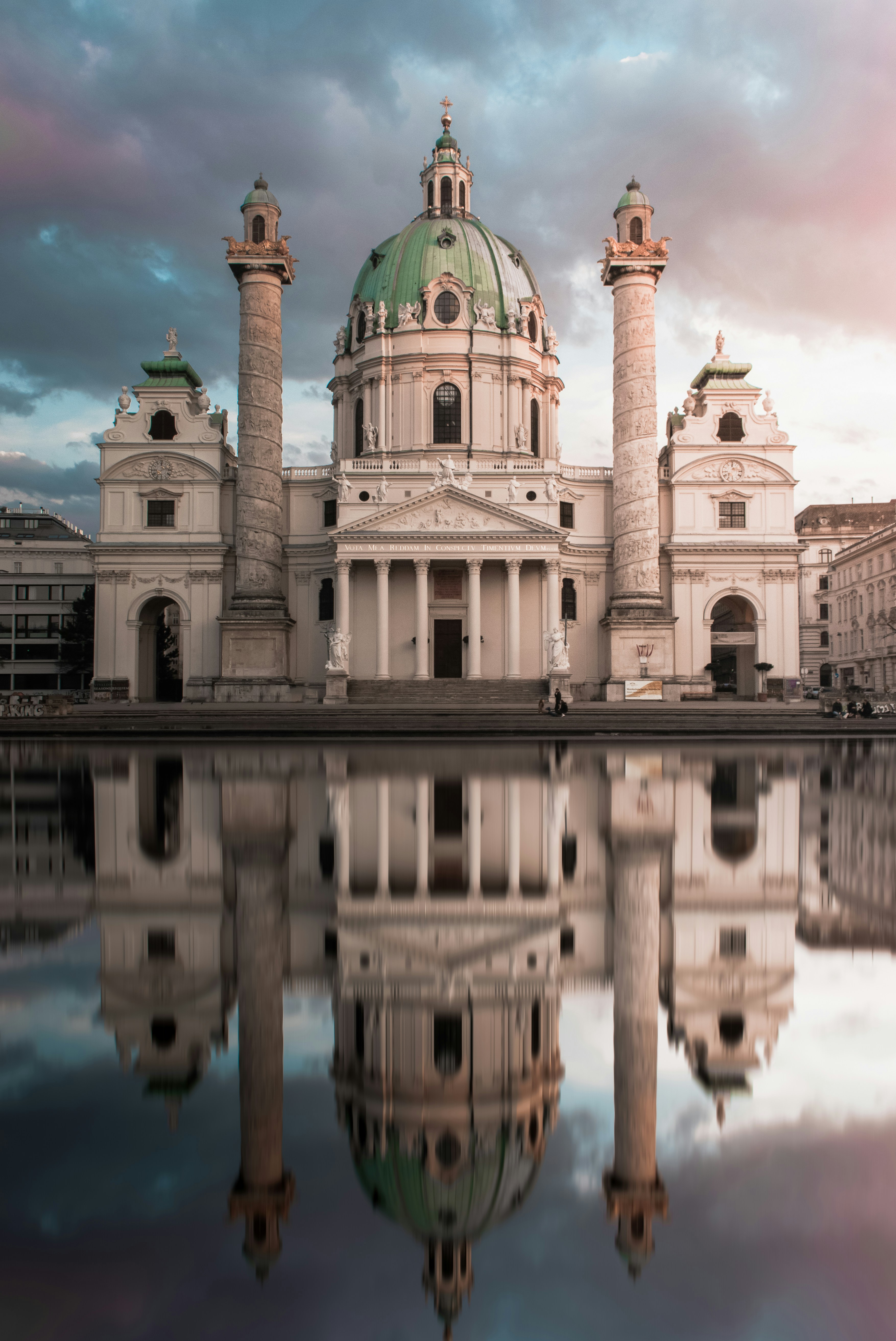
In Vienna, history reveals itself through restraint, refinement, and influence exercised behind closed doors.
For centuries, the Habsburg dynasty ruled much of Europe from Vienna, shaping borders, alliances, and wars that defined the continent. The Hofburg Palace tells the story of centralized imperial power. Schönbrunn Palace reflects how monarchy used grandeur and order to project stability in an increasingly fragile world.
Yet, Vienna’s most lasting impact may be intellectual rather than imperial. Its historic coffeehouses became informal salons where composers, philosophers, and political thinkers gathered, debated, and quietly reshaped European thought. Music, psychology, economics, and diplomacy all found fertile ground here, influencing modern identity far beyond Austria’s borders.
Vienna is ideal for empty nester travel in Europe itineraries because it encourages reflection, conversation, and a more contemplative connection to the past. There is no pressure to rush. Instead, couples are invited to sit, listen, and reflect. This makes Vienna a destination where history feels contemplative rather than performative.
Check out these options for heritage travel during your next empty nester vacation.
Seville: Where Cultures Converged and History Was Never Simple
In Seville, history is complex, layered, and deeply emotional.
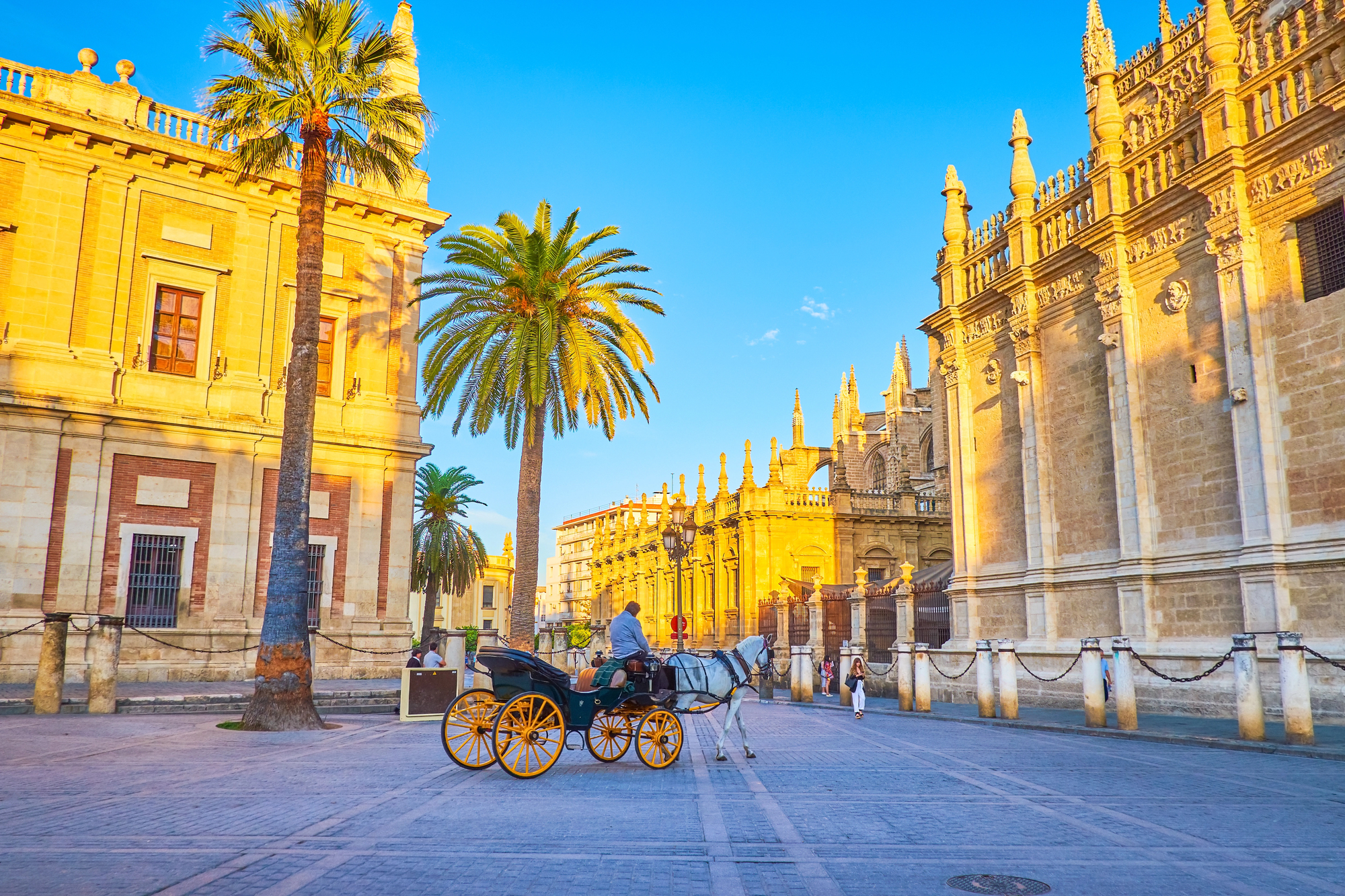
The Real Alcázar stands as a living record of Moorish rule, Christian reconquest, and cultural blending. Its intricate Islamic design survived political upheaval, revealing how art and craftsmanship often outlast ideology.
Nearby, the Seville Cathedral, constructed atop a former mosque, reflects a deliberate assertion of Christian power while still echoing the city’s Islamic past.
Walking through Seville’s historic Jewish Quarter exposes another chapter. One coexistence followed by expulsion. These streets quietly reveal how religion, fear, and authority reshaped communities, leaving marks that remain visible centuries later.
Seville’s history is not confined to monuments. It lives through flamenco, festivals, and daily rituals that carry memory forward. For couples seeking historical travel in Europe that feels lived rather than curated, Seville offers cultural depth without detachment. This makes it especially compelling for travelers who value meaning over momentum.
Visit these underrated destinations in Europe during your next empty nester vacation.
Kraków: Where Europe’s History Demands to Be Remembered
In Kraków, history isn’t abstract. It’s personal, layered, and deeply human.
Kraków’s medieval Old Town has remained largely intact since the 13th century, making it one of the best-preserved historic city centers in Europe. Standing in its vast market square, couples are surrounded by centuries of trade, civic life, and resilience.
Just steps away, St. Mary’s Basilica tells a quieter story of devotion and loss, marked daily by the interrupted trumpet call that commemorates a medieval watchman killed while warning the city of invasion.
Above the city, Wawel Castle and Wawel Cathedral trace Poland’s royal and religious identity. Kings were crowned, buried, and remembered here, shaping a nation that repeatedly faced occupation and erasure. For empty nesters, this setting offers a rare opportunity to understand how power, faith, and survival intertwine over centuries.
Kraków’s modern history adds another profound layer. Nearby World War II sites confront visitors with the realities of occupation, resistance, and moral choice. These experiences are best approached slowly, with thoughtful guides who provide context and space for reflection.
For couples ready for meaningful historical travel in Europe, Kraków delivers one of the most honest and emotionally resonant journeys on the continent. One that stays with you long after you leave.
Edinburgh: A City Shaped by Power, Faith, and Ideas
In Edinburgh, history unfolds vertically as much as it does chronologically.
High above the city, Edinburgh Castle sits on an ancient volcanic rock, serving as a fortress, royal residence, and symbol of Scottish resistance for over a thousand years. This is where monarchs were crowned, battles were planned, and national identity was fiercely defended. From its ramparts, couples can literally see the layers of history stretching outward across the city.
Descending the Royal Mile, history becomes more intimate. Medieval closes and courtyards reveal how ordinary people lived amid political upheaval and religious conflict. Sites connected to the Scottish Reformation show how faith reshaped daily life, governance, and personal freedom, often violently and irrevocably.
Edinburgh’s later chapters are just as compelling. During the Scottish Enlightenment, thinkers like David Hume and Adam Smith gathered here, influencing philosophy, economics, and democratic thought far beyond Britain.
Walking through the New Town, couples experience how Enlightenment ideals were translated into urban design, order, and progress.
What makes Edinburgh especially powerful for empty nesters is how naturally history reveals itself through walking, storytelling, and conversation. There’s no need to rush from site to site.
The city rewards curiosity and contemplation, making it one of the most engaging historic European cities for couples who want history to feel alive rather than staged.
Visit one of these romantic castles during your next empty nester vacation in Europe.
Why These Historical Gems Matter for Empty Nesters
Together, these destinations show how historical travel in Europe becomes most powerful when time, context, and curiosity are allowed to shape the experience.
These destinations aren’t chosen because they’re famous. They’re chosen because they allow history to be understood. Not just observed. They reward travelers who have the time and curiosity to ask better questions and appreciate nuance.
This is where historical travel in Europe becomes transformative. Not faster. Not louder. Just deeper.
How Couples Can Enjoy Historical Travel in Europe Without Rushing
One of the greatest advantages of historical travel in Europe for empty nesters is the freedom to let go of urgency. Without school schedules or packed itineraries, couples can finally travel at a pace that allows history to unfold naturally rather than feeling compressed into a checklist.
Europe’s cities and regions were not designed to be rushed. Many of the most meaningful Europe historical sites reveal their significance gradually. All through layered architecture, evolving neighborhoods, and the quiet details that are easy to miss when moving too quickly.
Enjoying historical travel without rushing means choosing depth over distance and allowing time for context, reflection, and conversation.
For couples, this slower approach transforms how history is experienced. Instead of remembering what you saw, you remember what you understood. The stories connect. The places linger. And the journey feels restorative rather than exhausting.
Planning a Slow-Paced Europe Trip Focused on History
A slow-paced, history-focused Europe trip begins with intentional planning. Especially for couples who want historical travel in Europe to feel immersive rather than exhausting. Rather than hopping between countries every few days, couples benefit from choosing fewer destinations and staying longer in each place. This allows time to experience both iconic Europe historical sites and the quieter spaces that give them meaning.
Thoughtful pacing might include morning visits to major landmarks followed by unstructured afternoons. Guided walking tours paired with independent exploration. Or overnight stays near historic centers rather than commuting in from afar.
These choices reduce fatigue and create room for spontaneity. An essential ingredient for empty nester travel Europe experiences that feel personal and unhurried.
Working with an expert who understands history-focused travel can also make a significant difference. Well-planned itineraries anticipate crowds, balance guided insight with free time, and align experiences with a couple’s interests. This ensures historical travel in Europe feels immersive rather than overwhelming.
Meaningful Historical Experiences That Go Beyond Landmarks
While Europe is rich with famous monuments, the most meaningful historical experiences often happen beyond the postcard moments. Historical travel in Europe becomes truly memorable when couples engage with history as a lived experience rather than a series of stops.
This might mean attending a classical concert in a historic hall, joining a small-group discussion led by a local historian, or exploring neighborhoods where history shaped daily life rather than royal power. Markets, religious traditions, local cuisine, and regional customs all provide insight into how history continues to influence modern Europe.
For empty nesters, these experiences create emotional connection. For example, sharing a private evening concert in a centuries-old hall or walking in a historic neighborhood with a local historian can turn abstract history into a moment you experience together. They allow couples to understand how people lived, struggled, celebrated, and adapted over centuries.
These moments often become the most talked-about parts of a trip. Not because they were grand, but because they felt authentic and deeply human.
Comparing Historical Travel Destinations in Europe for Couples
At this stage of life, comparison matters because couples are no longer choosing destinations based on pace or novelty, but on how deeply a place aligns with their shared interests, energy level, and desire for meaningful connection.
Not all historical destinations in Europe offer the same experience, which is why comparison matters. Some regions are ideal for travelers who love ancient civilizations and archaeology, while others resonate more with couples interested in art, political history, or cultural transformation.
Large, iconic cities deliver unmatched historical scope but benefit from careful pacing and expert guidance. Smaller historic cities or regions often offer intimacy, walkability, and fewer crowds, making them especially appealing for couples seeking quieter reflection. Understanding these differences helps couples choose destinations that match their energy level, interests, and travel style.
This is where historical travel in Europe becomes highly personal. The best historical destinations in Europe are not universal. They are the ones that align with what a couple wants to learn, feel, and experience together during this stage of life.
Experiencing European History Without Overcrowded Tours
Guided and private experiences play a key role during European travel. They allow couples to explore Europe historical sites with expert context, flexible pacing, and access that simply isn’t possible in large group settings.
Crowds can quickly dilute the emotional impact of even the most important Europe historical sites to visit. Fortunately, experiencing European history without feeling overwhelmed is entirely possible with thoughtful planning.
Timing plays a major role. Visiting during shoulder seasons, scheduling early-morning or after-hours access, and choosing less obvious entry points can dramatically change how history feels. Smaller group tours and private guides also offer richer storytelling and allow couples to engage more deeply with the past.
Equally important is knowing when to step away from the most visited sites. Some of the most powerful historical moments happen in places that aren’t trending on social media. Quiet churches, lesser-known museums, or preserved historic districts just outside major hubs. These experiences often provide the clarity and connection that travelers seek from historical travel in Europe.
Writing Your Next Chapter Through Europe’s Past
Historical travel in Europe offers empty nesters something rare. The chance to explore the past while fully present in the moment. This kind of travel isn’t about keeping up or seeing everything. It’s about choosing experiences that invite understanding, conversation, and shared reflection.
As you enter this new chapter, Europe becomes more than a destination. It becomes a place to reconnect, learn together, and experience history in a way that feels unrushed and meaningful. With the right pacing and thoughtful planning, Europe’s past doesn’t feel distant. It feels relevant, personal, and unforgettable.
This is where well-designed travel matters most. When history is experienced at the right rhythm, it’s not something you visit. It’s something you carry with you long after the journey ends.
So, are you ready to start planning historical travel in Europe to discover a few of these amazing destinations?
If you said yes, I would like to invite you to click here to schedule a personalized planning session with me. Clicking the link will take you directly to my digital calendar to schedule a time that is convenient for you.
And if you aren’t ready to start planning your next empty nester vacation, that’s okay. You can sign up for my newsletter instead, so you can stay up to date with all the travel information I share throughout the year.

Tracy is the owner of Elite Travel Journeys, a luxury travel agency dedicated to crafting extraordinary, memory-making journeys for families, multigenerational groups, empty nesters, and solo female travelers. A proud military veteran and President of the Central PA Chapter of ASTA, Tracy brings both discipline and deep passion to everything she does. With a particular love for river cruising, especially Europe’s enchanting Christmas Markets, she has been turning travel dreams into life-changing experiences since 2014. Tracy believes that extraordinary travel doesn’t just take you somewhere new; it changes who you are.
Enter your Name and best Email Address to receive
On Your Next Family Vacation
We respect your privacy and will never share or sell your information.
3 Ways to See It All in Alaska


On Your Next Family Vacation
Click here for 10 Exciting Family Adventures
You Can Plan
NOW