
How to Avoid Travel Scams on a Family Vacation
The vacation you spent six months planning can unravel in sixty seconds if the wrong person spots you first. Knowing how to avoid travel scams on a family vacation is not optional anymore. It is part of the planning process itself. And it is the conversation that no one seems to be having loudly enough.
Every year, families lose hundreds, sometimes thousands, of dollars to scams that were entirely preventable. The Federal Trade Commission reports thousands of cases of travel, vacation, and timeshare fraud every year. The total losses exceeded $297 million in 2025. Behind every one of those statistics is a family that thought it would never happen to them.
It happened because scammers study travelers. They know you are tired, distracted, and emotionally invested in giving your family a beautiful experience. They know you will do almost anything to smooth over a problem without making a scene in front of your kids. And they know exactly which moments to strike.
This guide will walk you through the most common vacation scams families fall for, the newer digital threats most travel content is not talking about yet, and the single most important thing you can do to protect your family before you ever leave home.
How to Avoid Travel Scams on a Family Vacation
How to Avoid Travel Scams on a Family Vacation: Start Before You Book
The most dangerous travel scams targeting families do not begin at the airport or in a crowded market. They begin at your kitchen table, on your laptop, while the kids are in bed and you are trying to check one more thing off the planning list.
The Rise of Fake Booking Websites and Fraudulent Travel Deals

One of the most urgent warnings in 2026 is the explosion of fraudulent travel websites designed to look exactly like legitimate booking platforms. These sites are sophisticated. The photography is gorgeous. The pricing is just low enough to feel like a deal. And the checkout process mirrors every reputable platform you have ever used.
You pay. You receive a confirmation number. And when your family arrives at that beachfront rental or that charming European apartment, one of two things happens: The property does not exist, or the real owner has no idea who you are.
Knowing how to book travel safely and avoid fraud starts with a few non-negotiable habits.
Always verify the web address of any booking platform before entering payment information. Fraudulent sites often use URLs that are one letter off from a familiar brand name. Look for https security certification, but do not rely on it alone. It is necessary but not sufficient. Check that the site has a verifiable physical address, a real customer service number, and reviews that exist on independent platforms, not only on the booking site itself.
If a deal feels too good to be true, that instinct deserves respect. Scammers design their offers to bypass your rational mind by creating urgency. “Only two left at this price.” “This offer expires in 10 minutes.” Any vendor who pressures you to book immediately without time to research is not a vendor you want to trust with your family’s vacation.
Vacation Rental Scams: What Every Family Needs to Know
Vacation rental fraud has become one of the most financially devastating tourist scams to avoid abroad. Particularly for families who rent entire homes rather than individual hotel rooms. A family paying for a four-bedroom coastal property is a much more attractive target than a solo traveler booking a single night.
Common rental scams include listings that are stolen from legitimate properties and reposted with a different owner’s contact information. Once you reach out, you may be asked to communicate off platform. This is the moment all consumer protections disappear. Never, under any circumstances, move your booking conversation or your payment outside of the official rental platform.
Post-checkout fraud is also rising sharply. This is when a host makes a claim of damage after you have left the property and the charge appears on your account days later. Before you check in, document everything. Walk through the property with your phone recording. Photograph every surface, every scratch, every pre-existing stain. Send those photos to the host through the platform immediately so they are time-stamped in the system.
More safe travel tips for families going on vacation.
Common Vacation Scams Families Fall for in Popular Destinations
Transportation Scams: From the Airport to the City
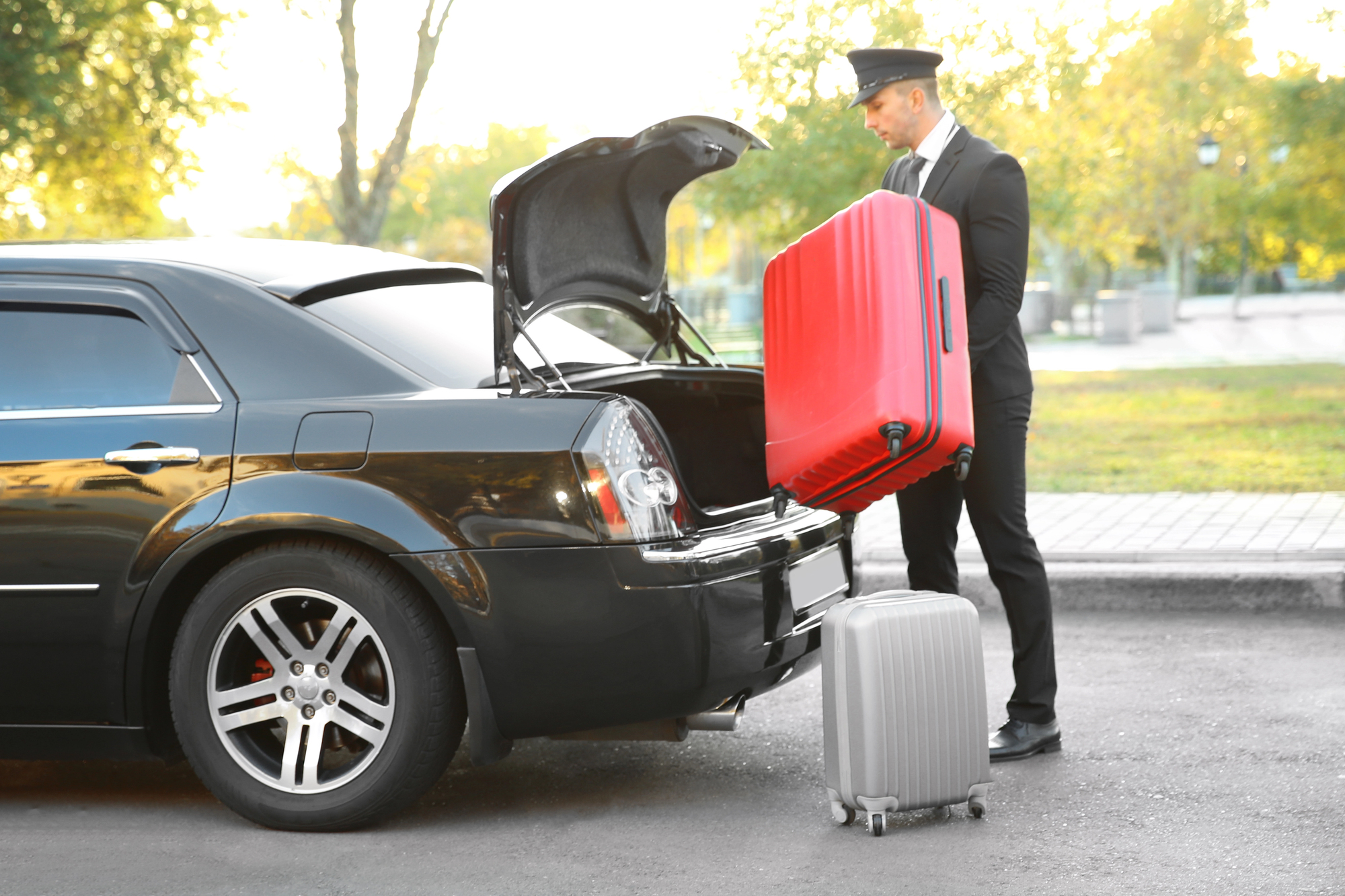
The moment your family steps outside the arrivals hall with suitcases and children in tow, you are visible. And taxi scammers are watching for exactly that picture.
The most common taxi scam involves a driver who informs you, usually just after pulling into traffic where it is inconvenient to exit, that the meter is broken. From that point, the fare is whatever they decide it is. Some drivers will take intentionally long routes to inflate the price. In more aggressive versions of this scam, a driver will help load luggage into the trunk and then drive away before everyone is in the vehicle.
The solution is simple and must become a reflex. Agree on the price before you get in. Better yet, research the standard fare from the airport to your destination in advance and state it confidently when you enter. If you are traveling with older children or another adult, always keep at least one person beside the vehicle until every piece of luggage has been removed.
Fake rideshare drivers are another version of this scam gaining traction in 2026. Someone at the airport holds a sign with a name that is close to yours or claims to be your rideshare driver when you have not yet requested one. Always verify the license plate number, driver name, and vehicle make through the actual app before you get in.
Pickpocket Scams on a Family Vacation in Europe
If there is a city in Europe your family is visiting this summer, this section is required reading.
Pickpocket scams on a family vacation in Europe are not a cliche. They are coordinated, professional operations. In cities including Barcelona, Rome, Paris, and Prague, organized groups work in rotation to target tourists. Families make particularly appealing targets because parents are often managing multiple children and multiple bags simultaneously.
The distraction is always the tool. One member of the group creates a scene, spills something, drops something, or asks for directions with an open map. While your attention shifts, another person moves through your pockets or bag with practiced efficiency.
Travel scams in Europe families should know include the friendship bracelet approach. This is common in Paris and along popular tourist corridors. A person approaches, usually cheerful and seemingly harmless, and fastens a bracelet to your wrist before you have fully processed what is happening. Once it is on, the demand for payment begins. The best response is prevention. If someone approaches with a bracelet, flower, or any unsolicited gift, keep your hands in your pockets and walk away without engaging.
The found ring scam operates similarly. A stranger bends down near you, picks up a ring from the ground, and insists you dropped it. They offer it back in exchange for a reward. There is no ring. There is no reward owed. Walk away.
How to Protect Valuables While Traveling with Kids
When you are managing a stroller, a diaper bag, snacks, and the emotional needs of multiple children at once, securing your valuables requires planning, not willpower.
Use a crossbody bag that sits against your front, not a backpack. Keep your phone in your front pocket or a secure interior compartment. Distribute your valuables so that no single theft can take everything. Give your partner or travel companion a separate card and some cash so there is always a backup. Consider a slim RFID-blocking wallet that sits flat in a front pocket rather than the traditional billfold in a back pocket.
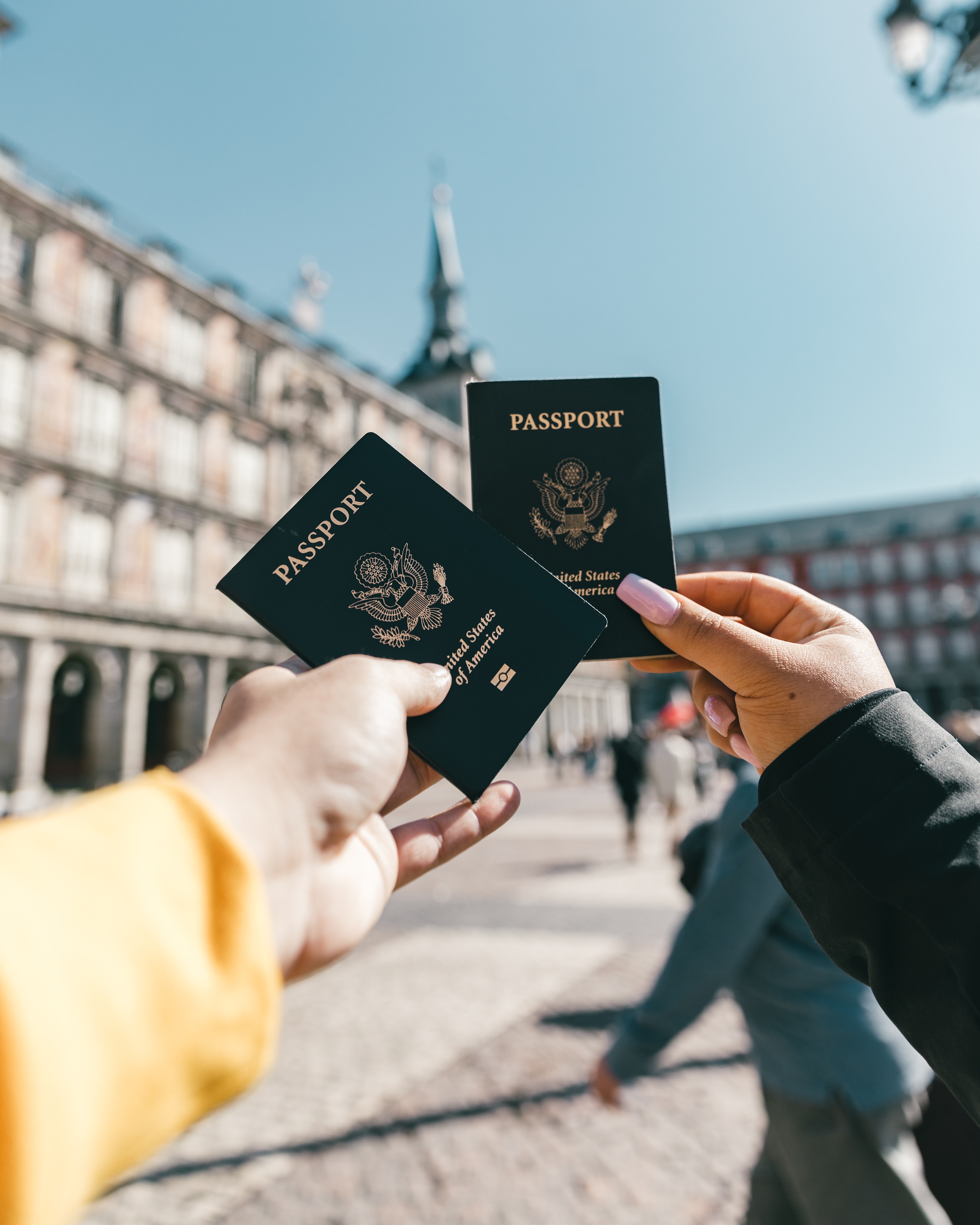
Do not keep your passports in the same place as your cash. Consider carrying copies of your passport and leaving the originals secured in the hotel safe. In most day-to-day situations abroad, a photograph of your passport on your phone is sufficient identification.
Over-Friendly Strangers and Bar Tab Scams
On a family vacation, a late night at a bar is not usually on the agenda. But the over-friendly stranger scam shows up in restaurants, cafes, and tourist areas as well.
The setup is consistent across locations. Someone makes contact with your group, often positioning themselves as a local who loves to help tourists. The conversation is warm and generous. They might join your table or walk with you for a while. And then, when a bill arrives or when you are momentarily distracted, the dynamic shifts. Either items have been added to your tab that you did not order, or your new friend has helped themselves to cash from a bag or jacket that was briefly unattended.
The rule here is not to be suspicious of every nice person you meet. Travel is enriched by genuine human connection. The rule is to stay aware when a connection feels unusually eager or unusually convenient.
The Overbooked or Closed Hotel Scam
You are in a taxi heading to your hotel after a long flight with tired children, and the driver tells you your hotel has been overbooked or closed. This scam is particularly effective because it targets exhausted travelers at a moment of vulnerability.
The driver knows of another hotel nearby, of course. It will likely cost significantly more than what you booked, and the driver will receive a commission for delivering you there.
The defense is simple. Confirm your reservation directly with the hotel before departure. Have the hotel’s phone number saved. If a driver tells you the hotel is closed, call the hotel yourself before agreeing to any alternate plan. Do not let urgency or exhaustion make the decision for you.
Travel Scams Targeting Families in 2026: The Digital Threats You Need to Know
This is the section of the conversation that most family travel content hasn’t shared yet. The scams above have existed for decades. The threats below are newer, more sophisticated, and in some ways more alarming, because they target not just your wallet but your sense of reality.
AI Voice Cloning and Virtual Kidnapping
This is perhaps the most emotionally devastating scam currently operating. Families with active social media presences are the primary targets.
Scammers can now clone a person’s voice using only a few seconds of audio pulled from a public social media video. Once they have that voice, they can use it to call family members at home with what sounds exactly like your voice, claiming you have been arrested, injured, or are in immediate danger and need money sent right away.
The call is convincing because it sounds like you. It may include details pulled from your public posts, your location, your itinerary, even the names of people you are traveling with.
Before your next trip, establish a family code word. This is a word or short phrase that only your immediate family members know. If anyone receives a call claiming to be you in an emergency, they ask for the code word. If the caller cannot provide it, they hang up and call your phone directly.
Limit what you share publicly on social media while traveling. Posting your location in real time, tagging your hotel, or sharing your daily itinerary gives bad actors a script to work from.
QR Code Scams and Public Wi-Fi Risks

QR codes in restaurants, at tourist attractions, and on posted signage have become a common delivery mechanism for phishing. A fraudulent QR code overlaid on a legitimate one can redirect you to a site designed to harvest your login credentials or payment information.
Before scanning any QR code in a public space, confirm it is not a sticker placed over the original. When possible, navigate directly to a restaurant’s website by typing the URL rather than scanning.
Public Wi-Fi in airports, hotel lobbies, and cafes is another significant vulnerability. Never access your bank account, enter a password, or make a purchase over an open network. Use your phone’s personal hotspot instead. Or invest in a travel-grade VPN before your trip.
More tips to avoid scams while using Wi-Fi while on a family vacation.
Fake Travel Agents and Fraudulent Package Deals
The proliferation of fraudulent travel agents online has accelerated sharply in recent years. These operations look like professional agencies. They have websites, logos, and even customer testimonials. They offer seemingly curated packages at prices that feel like an insider deal. And they disappear completely after they have your payment.
This is precisely why working with a vetted, credentialed travel advisor matters more now than it ever has.
How a Travel Advisor Protects You from Vacation Scams
This is the question worth asking directly: Is it safer to book through a travel advisor?
The answer is yes, and the reasons go deeper than most people realize.
A professional travel advisor does not simply book travel. She vets every vendor, every property, and every experience through established professional relationships and supplier networks. She knows which properties are legitimate because she has direct contacts there. They know which tours are reputable because she has sent clients and collected their feedback. And they know the booking systems, the payment protections, and the red flags.
When you book through a trusted advisor, your payment goes through properly established, secure channels. You are not handing your credit card number to a website you found at midnight after your fourth search refinement. You have a human being who knows your family, knows your trip, and is reachable if anything goes sideways.
How a travel advisor protects you from vacation scams is also about what she knows before you even ask. She monitors travel alerts, fraud warnings, and industry communications continuously. She will tell you which destination is seeing a spike in rental fraud right now. And she will warn you about the current scam pattern at a specific airport. You do not have to research your way to that information. She already has it.
For families especially, this layer of professional oversight is not a luxury. It is a form of protection for the people you love most and the investment you have made in time together.
What to Do If You Get Scammed on a Vacation
Even well-prepared travelers can encounter fraud. Knowing what to do if you get scammed on vacation before it happens means you will be able to act quickly and clearly instead of spending precious hours trying to figure out the process.
Report financial fraud to your bank or credit card company immediately. Most major cards offer strong purchase protections, including the ability to dispute and reverse fraudulent charges. Time matters here. The faster you report it, the better your options.
File a report with local police, even if you believe it will not result in any action. A police report is often required to support a credit card dispute and can be necessary for travel insurance claims.
Contact your travel insurance provider. If you have a comprehensive policy, many scam-related losses, including fraudulent accommodation bookings, are covered.
Report the incident to the booking platform if it occurred through one. Most reputable platforms have fraud teams and financial remedies for verified cases.
Save everything. Screenshots, confirmation emails, chat logs, receipts. The more documentation you have, the stronger your position.
If you are abroad and need consular assistance, contact your country’s embassy or consulate. They cannot get your money back, but they can provide guidance and, in serious situations, emergency support.
Travel Safety Tips for Families: A Practical Pre-Trip Checklist
Knowing how to avoid travel scams on a family vacation is most powerful when it becomes part of your preparation ritual, not a reaction to something that has already gone wrong.
Use this as a starting point before your next trip.
- Confirm every booking directly with the property or provider at least 72 hours before departure. Do not rely solely on your confirmation email.
- Research standard taxi fares and transportation options from the airport to your accommodations at every destination before you arrive.
- Enable purchase alerts and international travel notifications on every credit card you will be carrying.
- Save the phone number for your country’s embassy or consulate in each destination directly into your phone.
- Establish a family emergency code word before departure and share it with immediate family members at home.
- Review your credit card’s international fraud protection and dispute policies so you understand your options.
- Photograph all valuables before departure, including electronics and luggage, for insurance documentation purposes.
- Set your social media accounts to private for the duration of your trip or commit to posting photos after you have already left a location rather than in real time.
The Deeper Truth About Family Travel Safety
Knowing how to avoid travel scams on a family vacation is ultimately about something larger than a list of schemes to watch for. It is about traveling with the kind of confidence that lets you be present. When you are not scanning every interaction for risk, you can actually be there, at the table, in the moment, laughing at the thing your youngest just said, taking in the view that made the whole trip worth it.
The scammers are counting on you to be anxious, reactive, and alone in your planning. The antidote to all three of those things is preparation, awareness, and the right professional in your corner.
Your family’s vacation deserves to be exactly what you imagined when you started planning it. With the right knowledge and the right support, it will be.
Now that you know how to avoid travel scams on a family vacation, are you ready to book your next trip?
If you said yes, I would like to invite you to schedule a planning session with me by clicking here. Clicking this link will take you directly to my digital calendar to schedule a time that is convenient for you.
And if you are not ready to plan your next family vacation, you can sign up for my newsletter by clicking here. This will ensure you continue to receive all the travel information I share.

Tracy is the owner of Elite Travel Journeys, a luxury travel agency dedicated to crafting extraordinary, memory-making journeys for families, multigenerational groups, empty nesters, and solo female travelers. A proud military veteran and President of the Central PA Chapter of ASTA, Tracy brings both discipline and deep passion to everything she does. With a particular love for river cruising, especially Europe’s enchanting Christmas Markets, she has been turning travel dreams into life-changing experiences since 2014. Tracy believes that extraordinary travel doesn’t just take you somewhere new; it changes who you are.
Enter your Name and best Email Address to receive
On Your Next Family Vacation
We respect your privacy and will never share or sell your information.
3 Ways to See It All in Alaska


On Your Next Family Vacation
Click here for 10 Exciting Family Adventures
You Can Plan
NOW