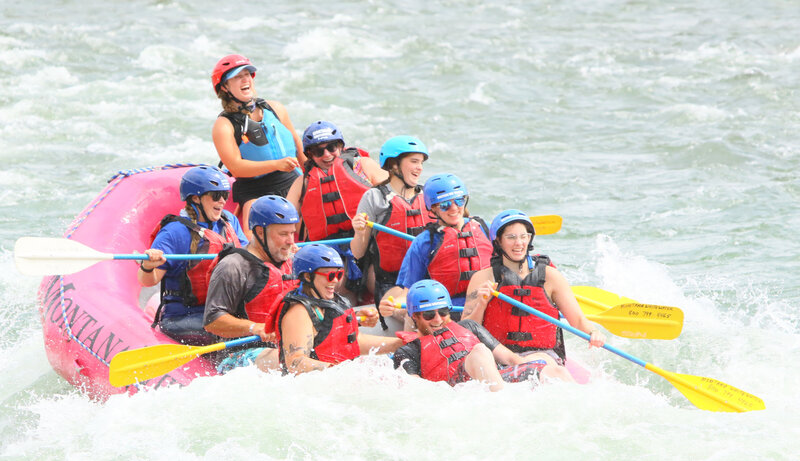
Is a River Cruise Right for Your Multigenerational Family? An Honest Guide
Somewhere between your mother’s bad knee and your fourteen-year-old’s eye roll, there is a vacation that makes both of them happy. For more families every year, that vacation is a multigenerational river cruise. I want to show you why it works, where it falls short, and how to tell which side of that line your family lands on.
Picture this. It’s a Tuesday night, and you’re at the kitchen table with three tabs open and a cold cup of tea. Your parents want culture and a comfortable bed. Your kids want adventure and decent Wi-Fi. Maybe your spouse wants one week where nobody asks him to carry a suitcase up a staircase. You are the one planning all of it, the way you always are.
I’ve sat at that table too. I’ve taken river cruises with my own kids, and before we were even home, they were asking when we could go again. That reaction told me more than any brochure could.
If Europe’s rivers are calling, keep reading. This is my version, including the parts most guides leave out.
Is a River Cruise Right for Your Multigenerational Family? An Honest Guide
What Makes a Multigenerational River Cruise Different from Every Other Family Trip?
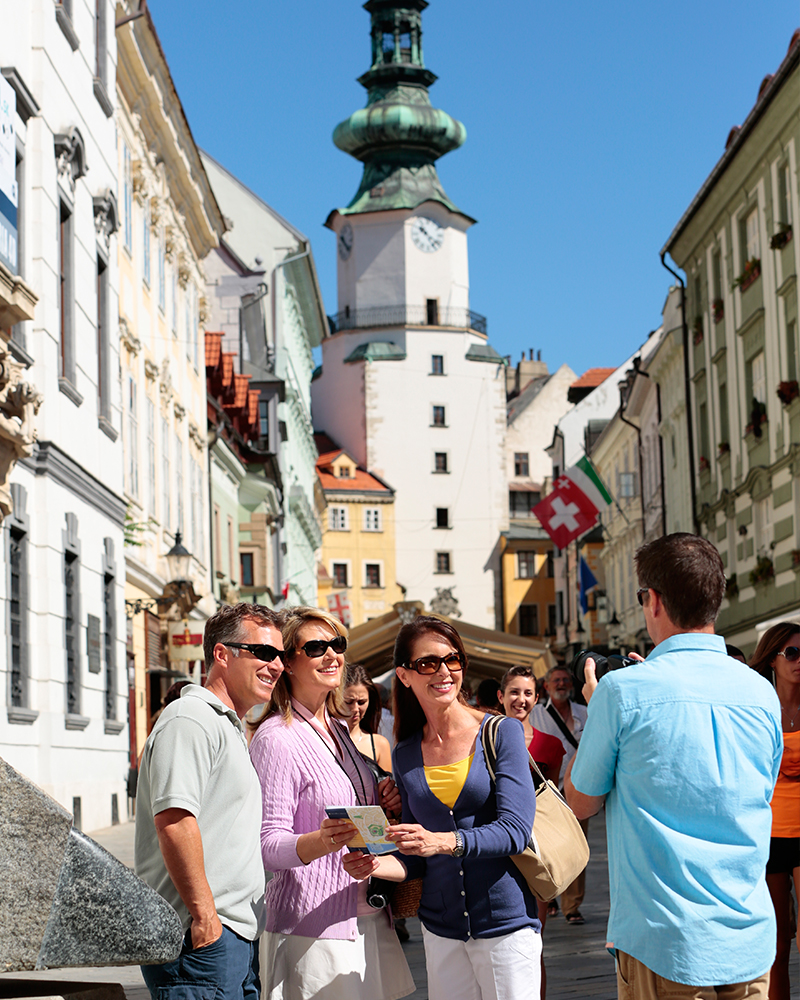
A river cruise gives three generations one home base that moves with them. That single change removes most of the friction that wears families down on vacation.
One Small Ship, Unpacked Once, a New Town Every Morning
A church bell wakes you before your alarm does. You pull back the curtain and find a cobblestone waterfront, half-timbered houses leaning toward each other, and a baker sweeping flour dust off her front step. You fell asleep in a different part of the country last night. Nobody packed anything to change destinations.
That is the quiet magic of the river. You unpack once, and the scenery changes around you.
The ship itself stays small and easy to get around. Most river ships carry around 200 guests, compared with the thousands aboard the largest ocean liners. The lounge, the dining room, and the sun deck sit a short walk apart. Your father can find the whole family in two minutes without a deck map. Your youngest can’t wander far enough to get lost.
And when the ship ties up, the town is usually right there. You walk down the gangway and onto a riverside promenade. No shuttle bus and no long tender line.
Why So Many Families Are Choosing the River Right Now
You are far from the only woman planning for three generations this year. Cruise Lines International Association reports that multigenerational families now make up roughly one third of all cruise travelers.
What those families want is telling. In Road Scholar’s 2026 Multigenerational Travel Survey, activities for every age ranked as the single most important factor in choosing a trip. A multigenerational river cruise is built around that need. Everyone sails together, and everyone gets choices once the ship docks.
River Cruise vs Ocean Cruise for Families: An Honest Comparison
If you’re weighing a river cruise vs ocean cruise for families, start with what your family wants from the week.
An ocean ship is a destination of its own. Think waterslides, kids’ clubs, Broadway-style shows, and a dozen places to eat. Families often scatter the moment they board, with the kids at one end of a floating city and the grandparents at the other.
A river ship works the other way around. The destination is the entertainment. The castle on the hill, the market square, and the lock your ship rises through become the shared story. Because the ship is small, you spend far more of the week in the same room, at the same table, looking at the same view.
The ocean wins for families with toddlers who need constant stimulation, or for anyone dreaming of beach days. The river wins for families who want history, food, and real time together.
Learn which cruise line is best for your family vacation.
The Trip Where the Planner Finally Gets to Rest
Here is the part nobody puts on a brochure. Planning for three generations often feels like planning three separate trips, and you are usually the one doing all three.
On a river cruise, the decisions that drain you are already made. Meals on board are handled. Most river cruises build at least one guided excursion into every stop. Many lines pour wine and beer with lunch and dinner and keep soft drinks flowing for the kids.
Picture the moment that usually breaks you. It’s 7 p.m. in a foreign city. Eight hungry people stand on a sidewalk, scrolling eight different phones, debating where to eat. On the river, that moment never comes. Dinner is waiting, the table is set, and you get to sit down like a guest instead of a tour director.
Are River Cruises Good for Kids? What Every Age Can Expect
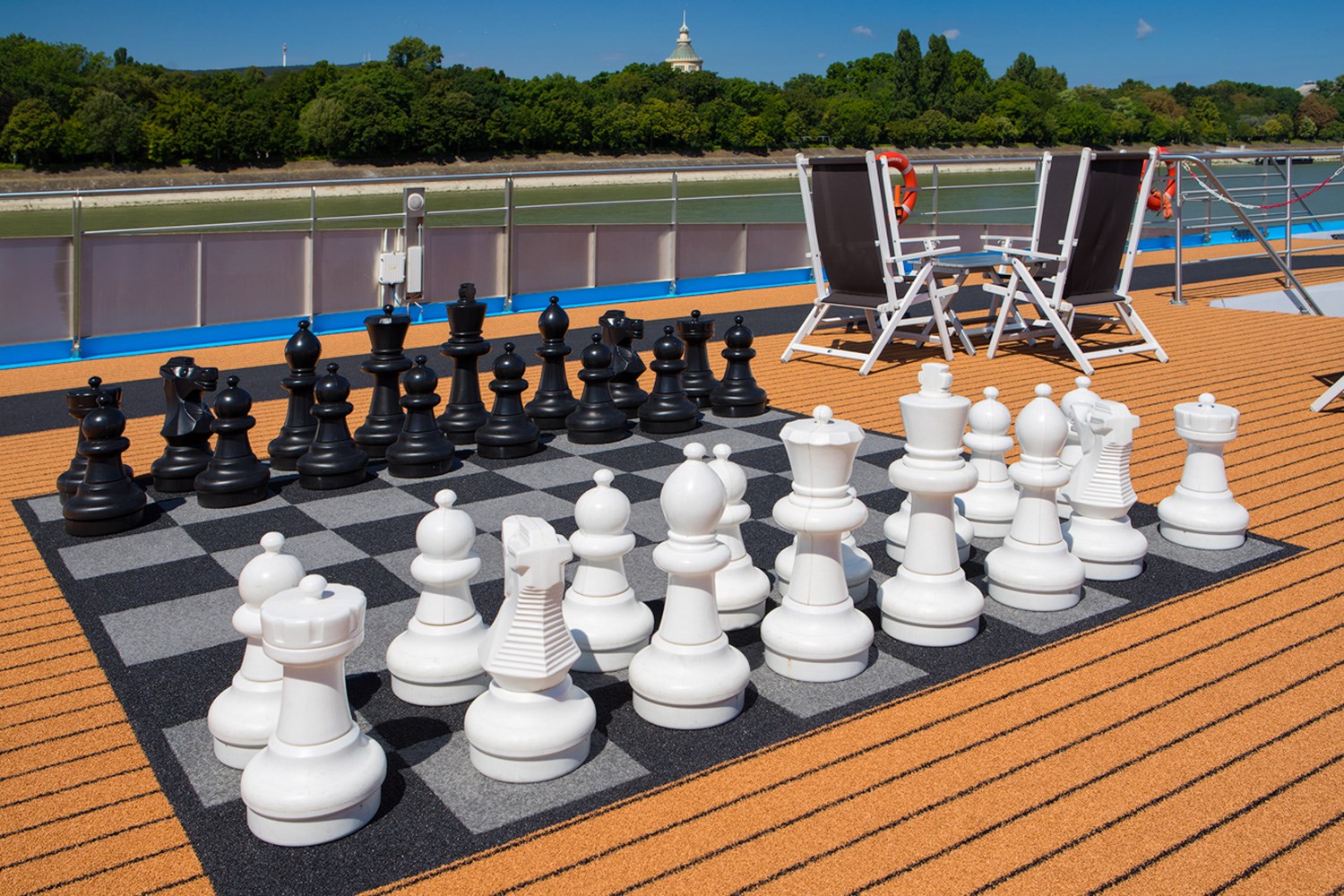
River cruises are good for kids when you match the right child to the right sailing. The same week that thrills a curious ten-year-old can bore a restless four-year-old silly.
River Cruise Minimum Age Rules Vary More Than You’d Think
Here’s a scene I’ve watched unfold more than once. You find the itinerary of your dreams. Castles, vineyards, and a farewell night in Budapest. You show it to your sister, she books flights, and then you read the fine print. Her nine-year-old can’t board.
That happens more often than you’d guess, because river cruise minimum age policies are all over the map. Some lines welcome babies and set no minimum at all. Others accept children from age four but recommend eight and older. Several popular lines require guests to be at least 12. At least one major line states no one under 18.
This is the first thing I check for any family, before anyone falls in love with a route.
Little Ones and Grade Schoolers on Family Departures
Most of the kid-focused magic happens on dedicated family departures. These special sailings usually run during summer break and the December holidays. Each line offers a limited number of them each year.
On these kid friendly river cruises, the whole ship shifts its rhythm. Family hosts lead scavenger hunts through old towns. Pastry chefs teach kids to roll dough. Some ships set a young travelers’ table at dinner. Shore excursions slow to a pace that matches a seven-year-old’s attention span.
Picture your daughter in a flour-dusted apron, twisting pretzel dough in a German bakery while a local baker laughs at her lopsided knot. You’re sitting ten feet away with a warm coffee, and nobody needs you for a whole hour.
On a standard sailing, that programming disappears. Most river ships don’t have kids’ clubs, and children are simply guests among adults.
Why a River Cruise with Teenagers Works Better Than You’d Guess
Teenagers are the surprise success story of the river. Industry leaders say parents are often amazed at how much their teens enjoy the experience.
Part of the reason is freedom. River ships often stay docked in town into the evening, when an ocean ship would already be heading out to sea. That gives a fifteen-year-old room to explore a lantern-lit square with a cousin, gelato in hand, while the adults linger over dessert.
The other reason is movement. Many lines keep bicycles aboard for riding the smooth paths that trace the riverbanks. A teen who rolled her eyes at “another church” will happily spend an afternoon pedaling past vineyards.
Planning a river cruise with teenagers? Look for itineraries with active excursions like biking and hiking.
When a River Cruise Is Not the Right Fit
Honesty matters more to me than a booking. A river cruise may not suit your family if your children need constant structured entertainment, or if your toddler will be the only small child aboard a standard sailing.
The menu matters too. Outside of family departures, dinner leans toward regional, grown-up dishes. A child who lives on chicken nuggets may find the week a long one.
None of this rules a family out forever. It might mean waiting two years, or choosing a family departure instead of a regular one.
Planning a River Cruise with Grandparents and Kids When Mobility Matters

A grandparent with limited mobility can have a wonderful week on the river, as long as you plan around the ship’s stairs and the town’s cobblestones instead of pretending they aren’t there.
Stairs, Gangways, and the Sun Deck Nobody Mentions
Most guides skip this part. I won’t, because it’s the question you’re quietly asking on your mother’s behalf.
River ships are built low to slip beneath old stone bridges. That means the sun deck is often reachable only by stairs, and even ships with an elevator rarely run it to the top. Not every ship offers accessible staterooms, and cabins are smaller than most hotel rooms.
Getting on and off can take effort too. The gangway angle shifts with the river level. At busy docks, ships sometimes tie up side by side, and you walk across a neighboring ship’s lobby to reach shore.
Then there are the towns themselves. Europe’s river villages were built centuries before anyone thought about ramps. Expect cobblestones, hills, and walking tours that keep you on your feet for a couple of hours. Motorized scooters are generally not realistic on a European river ship. Some excursion coaches won’t carry them.
If you’re planning a river cruise with limited mobility in mind, none of this is a dealbreaker. It’s simply the things you plan for.
Is a River Cruise for Seniors with a Cane Realistic?
In most cases, yes. The test is simple. If your parent can manage a short flight of stairs and walk on uneven ground with a cane, a European river cruise is well within reach.
Nearly every river cruise line now offers slower walking groups, often called gentle walkers, that cover less ground at an easier pace. Excursions are never mandatory. Some ports even offer panoramic coach tours instead of walking ones.
Here’s how that looks in real life. The grandkids race off behind the guide toward the castle gate. Your mother settles into a café chair on the market square, sun on her shoulders, and a slice of apple cake in front of her. Forty minutes later, the kids come tumbling back with stories. She’s the one they tell first.
That’s a multigenerational river cruise working the way it should. Not everyone does everything, and everyone comes back to the same table.
For travelers who need step-free access, a river cruise in the United States can be a better choice, since American ports and ships follow ADA standards.
The Questions I Ask Before Booking for a Grandparent
When a client tells me her father walks with a cane, I ask the cruise line things you shouldn’t have to.
- Does this ship have an elevator, and which decks does it reach?
- Is there an accessible stateroom, and what does the bathroom threshold look like?
- How are the walking tours graded?
- Will the crew help with the gangway at every stop?
The answers shape which ship, which river, and which cabin I recommend.
Where Everyone Sleeps: River Cruise Family Cabins and Connecting Cabins
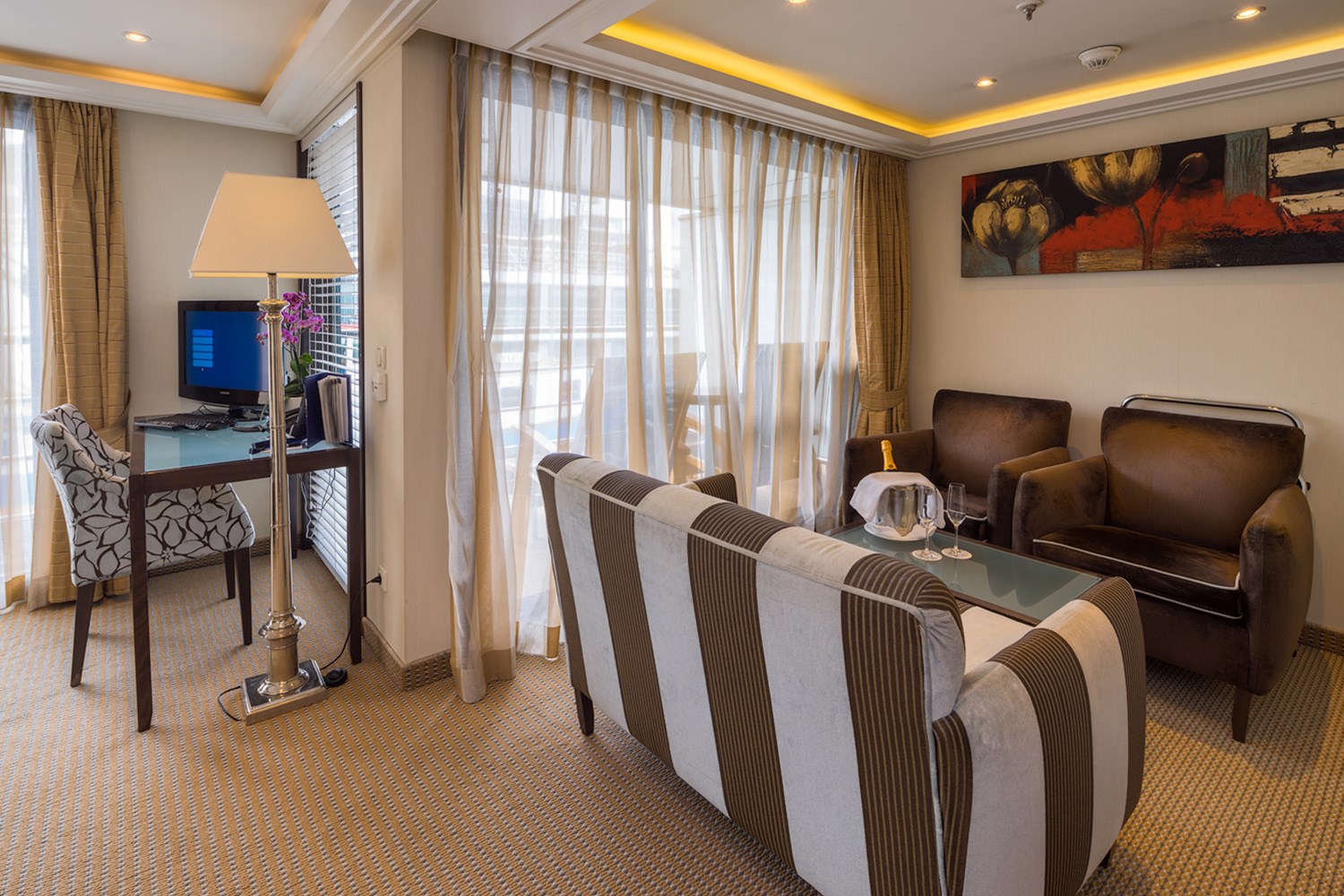
Where everyone sleeps is the detail most likely to derail a river cruise for a family. Yet it is the one you can solve by booking early.
Why Family Cabin Space Disappears First
If you’ve sailed on a big ocean ship, you may expect a cabin with a pull-down bunk and a sofa bed for the kids. River ships rarely work that way. Their staterooms are compact, and most are designed for two.
Some ships do offer river cruise family cabins. Triple rooms often add a sleeper chair, and quad rooms add a convertible sofa. A few ships pair a triple with an adjoining double through an inside door, which can sleep a family of five.
Here’s the catch. The connecting cabins river cruise ships offer come in small numbers. There are sometimes only a handful per vessel. During school holidays, those rooms are the first to go, often many months ahead. When a family tells me they’re thinking about next summer, I tell them the cabin hunt starts now.
A grandparent traveling alone has options too. Some ships set aside a few single staterooms, which can spare her the cost of a double cabin she’d use alone.
Grandparents Next Door, Not Down the Hall
It’s 7:30 in the morning. There’s a soft knock on the connecting door, and your father leans in holding a warm almond croissant from the breakfast buffet, wrapped in a napkin for his granddaughter.
That is what a well-planned cabin layout buys you. The kids have their own space and you have yours. Grandparents can choose a connecting room for easy morning visits, or a stateroom down the corridor for a little more quiet. Either way, everyone is close enough to gather and far enough apart to rest.
One Day on a Multigenerational River Cruise, From Sunrise to Dessert
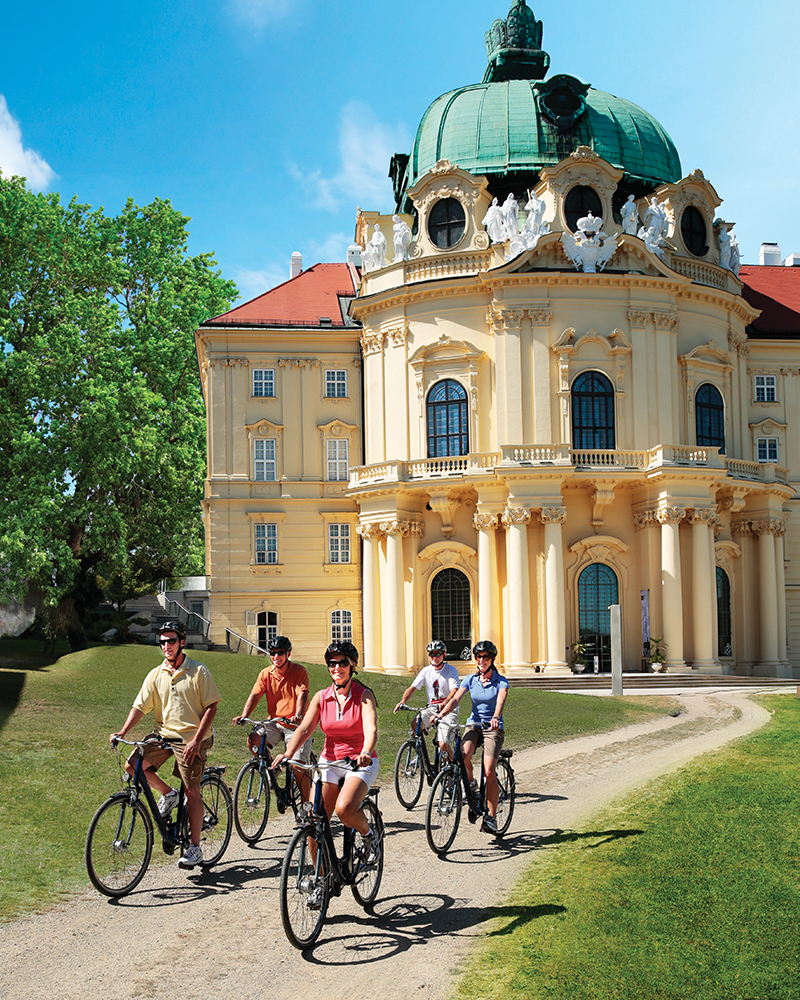
The best way to know whether this trip fits your family is to live one day of it. Here’s how a typical port day unfolds.
Morning: Coffee on the Deck While the River Wakes Up
The ship glides through mist so thick the far bank looks like a watercolor. You’re the first one up, as usual. The difference is that here, someone hands you a cappuccino instead of asking where the clean socks went.
Below you, a fisherman lifts a hand from his skiff. A row of vineyards climbs the hillside, each terrace a darker shade of green. One by one, your family drifts up the stairs in sweatshirts. Your son spots a castle tower through the fog and goes quiet in a way you haven’t seen in months.
Midday: Splitting Up in Port Without Anyone Feeling Left Out
By ten o’clock, the ship has docked and the family splits apart. This is the part I love, because time apart is part of what makes the reunion sweet.
Your husband and the teenagers grab helmets for a bike ride along the river path. Your parents join the gentle walking group for a slow loop past the cathedral, with stops to sit. You take the youngest on the family excursion, where a costumed guide turns a medieval wall into a story about knights and secret tunnels.
Nobody had to compromise. Nobody spent the morning sighing through someone else’s plan.
Evening: Everyone Back Around One Long Table
By seven, the whole family is gathered at one long table, cheeks pink from the day. Plates of local cheese and river fish arrive, and on family sailings there’s a children’s menu for the pickiest eater in the bunch.
This is when the day turns into a story. Your father explains the history he heard from the guide. The teenagers describe the hill they nearly couldn’t climb. Your youngest insists the tunnel was real. Everyone learned something different, and everyone wants to share it.
After dinner, the multigenerational river cruise keeps its easy pace. There may be live music in the lounge, a trivia night, or a talk from a local historian. On family departures, kids often get movie nights and game rooms of their own. Then the river rocks everyone to sleep and tomorrow brings a new town.
What every first-timer needs to know before going on their first river cruise.
Multigenerational Travel Without Small Kids: Grown Children, Moms, and Daughters
Multigenerational travel doesn’t require a single child on board. Cruise lines say much of the multigenerational travel they see is adults traveling with their own parents or in-laws, and mother and daughter trips are on the rise.
The Trip You Take with Your Mother
Imagine late afternoon in the Douro Valley. You and your mom sit on your balcony as the ship slides past terraced hillsides, and the light turns everything the color of honey. Neither of you is checking a phone. She’s telling you a story about her own mother that you’ve never heard before.
That’s the trip many women in their forties and fifties are quietly craving. Not a girls’ getaway and not a family reunion. Instead, a week of unhurried time with the woman who raised you, while she can still climb the stairs to the sun deck.
A multigenerational river cruise suits this pairing beautifully. Your mother gets comfort, culture, and a cabin where she only unpacks once. You get a trip where someone else handles every detail. And you both get long dinners with nowhere else to be.
Planning a Milestone Birthday River Cruise or Family Reunion River Cruise
More families are building trips around the moments that matter. American Express Travel’s 2026 Global Travel Trends report found that 66 percent of surveyed travelers planned a trip to celebrate someone else’s milestone.
A milestone birthday river cruise turns a dinner party into a week of celebrations. Picture your father’s 75th, with three generations raising glasses on the sun deck as the ship passes a hilltop castle at golden hour. Someone gives a toast. Someone else cries. Your youngest asks if every birthday can be like this one.
For a family reunion river cruise, the small ship becomes your gathering place. Families of eleven and seventeen have sailed together on a single departure. Larger groups sometimes reserve a block of cabins or a whole private sailing. Cousins who see each other once a year end up sharing a week of meals, walks, and late-night card games.
Skip-Gen River Cruises: When Grandparents Take the Grandkids
A skip-gen river cruise is a trip where grandparents travel with their grandchildren and the parents stay home. Nearly three in ten families are now embracing this style of travel, and the river makes it easier than almost any other trip.
The ship does the heavy lifting a grandparent would otherwise carry alone. There’s no driving on foreign highways and no hunting for dinner reservations. On a small ship, a grandmother can easily keep track of a teenager without hovering. Every excursion comes with a guide who knows the way back.
That’s why a multigenerational river cruise without the middle generation works especially well. Grandparents get the bonding without the exhaustion.
The Sweet Spot Age for a Skip Generation Cruise
Travel planners who specialize in this style agree on the ideal window. A skip generation cruise tends to work best with grandchildren from the tween years through their early twenties.
At that age, the grandkids can handle a long flight, a full day ashore, and a dinner that lasts longer than an hour. They’re old enough to explore a riverside town on their own after the guided tour ends, and young enough to still think their grandparents are pretty great.
Your phone buzzes at home with a photo from the Rhine. Your sixteen-year-old, the one who usually answers in single syllables, stands at the ship’s rail beside his grandfather. The cruise manager is telling the tale of a robber baron’s castle, and your son is mid-question, hand raised toward the ruins. By the end of the week, the two of them have planned their next trip together.
What the Middle Generation Does With a Quiet House
There’s a quiet bonus here, too. While the grandparents and grandkids sail, the parents get something rare: A week of quiet. Some couples spend it catching up on sleep. Others book a trip of their own and finally rediscover each other without a permission slip in sight.
When Is the Best Time for a Family River Cruise in Europe?

The best time for a family river cruise in Europe depends on two calendars: Your family’s school schedule and the river’s own seasons. The main European season runs from March through December, opening with tulip cruises in the Netherlands and Belgium and closing with the Christmas markets.
Summer Sailings and School Breaks
Summer is when most family departures set sail, which makes it the natural choice for parents tied to a school calendar. The days are long and warm, the café terraces are full, and kids can eat ice cream in a different city every afternoon.
The tradeoff is crowds and heat. Popular sites draw long lines in July and August. Interestingly, many of river cruising’s traditional older travelers are now skipping the summer months, which can leave more room on board for families.
Fall Harvest and Spring Blooms for Flexible Families
If your group isn’t bound by school bells, the shoulder months are glorious. Think of a skip-gen trip with a college-age grandchild, or a mother and daughter week in October.
September and October bring golden vineyards, harvest festivals, and crisp mornings that call for a sweater on deck. Late March and April bring the tulip fields, with stripes of red and yellow running to the horizon. A multigenerational river cruise in either season trades summer’s buzz for softer light and quieter streets.
A Christmas Market River Cruise with Kids
Snow dusts the rooftops of a Bavarian town. Your kids clutch paper cones of roasted almonds while steam rises from mugs of hot cider. Wooden stalls glow with hand-carved ornaments. Somewhere a brass band plays a carol you half remember from your own childhood.
A Christmas market river cruise with kids lets you visit several of these markets in one week, often across more than one country, without hauling luggage through the cold. The Danube leads the way for market density. Several lines run a family Christmas river cruise over the December school break.
I’ve written a whole guide to the benefits of taking a Christmas Market river cruise as a family, so I’ll let that tell the rest of the story.
River Cruise Low Water Levels: What the Summer of 2026 Taught Us
This summer brought a hard lesson to Europe’s rivers. Record heat and drought pushed the Danube and Rhine to historic lows. In early August, the water level in Budapest dropped to about 4 inches, breaking the previous record low of 13 inches set in 2018.
Cruise lines adapted rather than cancel outright. Some swapped ships midway, so guests continued on a vessel waiting past the shallow stretch. Others rerouted. When water was too low to sail, lines hired motorcoaches to carry guests between cities and booked hotel stays.
For a family, river cruise low water levels are worth planning around. A ship swap is an adventure for a twelve-year-old and a hassle for a grandmother with a cane. Three things protect you. Build flexibility into your expectations, buy travel insurance, and work with an advisor like me who watches the river for you and calls before you have to ask.
The Best River Cruises for Families Start with the Right River
The best river cruises for families match the river to the people on board. Each waterway has its own personality. The right one depends on who’s coming and what they love.
The Rhine for Castle Lovers
The Rhine is the storybook river. Through the Middle Rhine Valley, a castle seems to appear around every bend. Some crumbling, some restored, all of them perched high above the water. For children raised on knights and dragons, this is the river that makes the stories real. History-loving grandparents adore it too.
Learn where to sail with the kids beyond the Rhine in 2027.
The Danube for City Explorers
The Danube strings together some of Europe’s grandest cities in a single week. Picture Vienna’s palaces, Bratislava’s compact old town, and Budapest’s Parliament glowing gold at night as your ship slides past. This river suits families who love museums, music, and a new skyline every few days.
France and Portugal for Food, Wine, and Slower Days
For groups of grown children and their parents, France and Portugal pull at the senses. In Portugal’s Douro Valley, whitewashed wine estates sit above the water. Each one is an invitation to linger over a tasting. In France, a single week can carry you past Burgundy’s markets or into Normandy’s quiet history. Food, wine, and long lunches set the pace here, and a multigenerational river cruise of adults settles happily into it.
Beyond Europe for Seasoned Travelers
For older teens and well-traveled grandparents, Asia’s rivers offer something new in a different key. Mekong sailings through Vietnam and Cambodia are growing popular with multigenerational groups. Families describe how exploring somewhere completely unfamiliar draws them closer together. Floating markets, temple spires at dawn, and village visits make it the trip the grandkids will still be talking about at their own weddings.
Quick Answers About a Multigenerational River Cruise
These are the questions families ask me most often once they’ve decided the river might be right for them.
How long is a typical family river cruise Europe itinerary?
Most classic European river cruises run seven nights. This gives you about eight days on the water. Longer routes of ten to fifteen days exist. However, a single week tends to suit families best, since it fits inside one school break and one round of vacation days.
Do kids need their own travel documents for a European river cruise?
Yes. Every traveler needs a passport of their own, including infants. You’ll want to check expiration dates against your return date well before booking. Europe’s new travel authorization for visitors from visa-exempt countries like the United States, called ETIAS, has been scheduled for the last quarter of 2026, though its launch has been moved several times. Once it’s required, every traveler will need one regardless of age. The EU has promised several months of notice before the exact start date, followed by a transition period, so I’ll confirm the current rules for your family when we plan.
Can older kids have some independence on the ship?
A river ship’s small, enclosed layout makes it one of the easier places to give a responsible tween or teen a little freedom. They can head to the lounge for a game or up to the sun deck to watch a lock fill, and you’ll never be more than a minute or two away.
Is a Multigenerational River Cruise Worth the Long Flight?
It is, especially if you plan the travel days with care. Arriving in your departure city a day or two early lets everyone sleep off jet lag before boarding. Plus, it gives you a cushion if a flight runs late. Roundtrip itineraries that begin and end in the same city make life easier still, especially when relatives are flying in from different states.
Are You Ready to Start Planning Your Multigenerational River Cruise?
You’ve carried the planning for everyone else long enough. Let me take this one. I’ll match the river to your family, find the cabins before they’re gone, ask the questions about stairs and gangways, and keep an eye on the water while you count down the days.
Tell me honestly. Are you ready to watch three generations fall in love with the same river?
If you said yes, I would like to invite you to schedule a planning session with me by clicking here. Clicking the link will take you directly to my digital calendar to schedule a time that is convenient for you.
And if you are not ready to plan a family vacation, a river cruise, or to another destination, that’s okay! Sign up for my newsletter and receive all the travel ideas, tips, and other helpful information I share throughout the year.

Tracy is the owner of Elite Travel Journeys, a luxury travel agency dedicated to crafting extraordinary, memory-making journeys for families, multigenerational groups, empty nesters, and solo female travelers. A proud military veteran and President of the Central PA Chapter of ASTA, Tracy brings both discipline and deep passion to everything she does. With a particular love for river cruising, especially Europe’s enchanting Christmas Markets, she has been turning travel dreams into life-changing experiences since 2014. Tracy believes that extraordinary travel doesn’t just take you somewhere new; it changes who you are.
Enter your Name and best Email Address to receive
On Your Next Family Vacation
We respect your privacy and will never share or sell your information.
3 Ways to See It All in Alaska


On Your Next Family Vacation
Click here for 10 Exciting Family Adventures
You Can Plan
NOW