
Portugal, Spain, & Morocco Travel: Three Countries, One Unforgettable Mediterranean Journey
Spain Portugal Morocco travel offers one of the most captivating adventures you can experience. It combines the soulful charm of Portugal, the passionate spirit of Spain, and the exotic allure of Morocco into a single, extraordinary journey. After decades of guiding families, couples, and solo travelers through some of the world’s most remarkable destinations, I can tell you that few itineraries compare to the magic of exploring these three culturally rich countries in one seamless trip. The cobblestone streets of Lisbon echo with fado melodies. Seville’s plazas burst with color and life. And Tangier’s medinas transport you to a completely different world. All within days of each other. This is travel that transforms you, creating memories that span two continents and countless unforgettable moments.
Portugal, Spain, & Morocco Travel: Three Countries, One Unforgettable Mediterranean Journey
Why Spain Portugal Morocco Travel Should Be on Your Bucket List
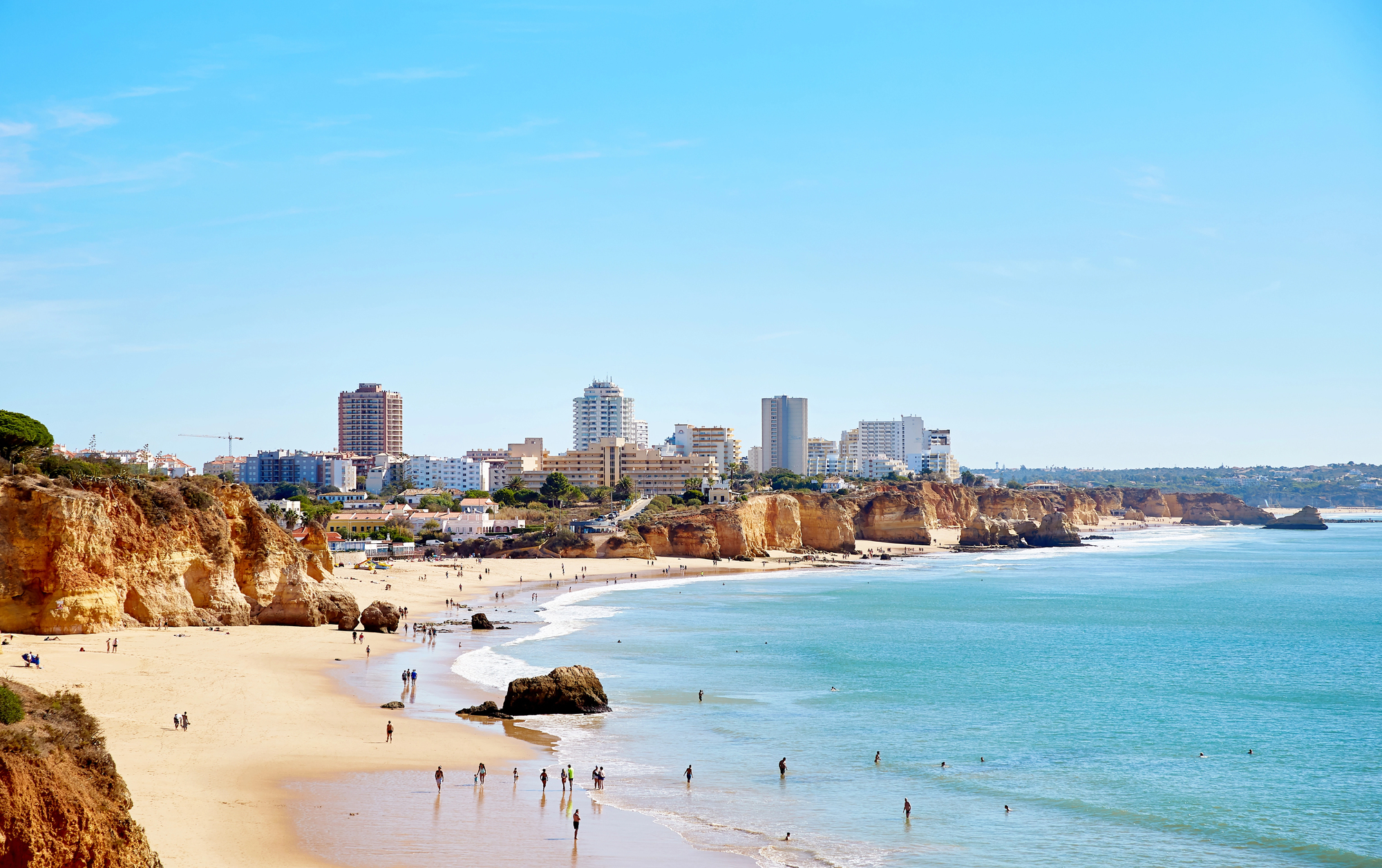
There’s something truly special about experiencing three distinct countries while on vacation. Each one has its own language, cuisine, traditions, and landscapes. Yet all connected by centuries of shared history and the sparkling waters of the Mediterranean. When you embark on Spain Portugal Morocco travel, you’re not just visiting destinations. You’re immersing yourself in a tapestry of cultures that have influenced each other for millennia.
The best time to visit Portugal and Spain, along with Morocco, is during the spring months of April and May. This is when temperatures are comfortable for exploration, the crowds are manageable, and the landscapes are lush and colorful.
Mediterranean cruise departures during this time of year take advantage of this perfect weather window. It allows you to experience each destination at its absolute best.
The mild spring climate means you can comfortably wander through Lisbon’s hilly neighborhoods, explore Seville’s sun-drenched plazas, and navigate Tangier’s bustling markets without the intense summer heat.
This journey is ideal for anyone seeking cultural enrichment and authentic experiences. Families find endless opportunities to create shared memories, from riding Lisbon’s iconic trams to watching flamenco dancers in Seville.
Multigenerational groups appreciate the variety of pace. Energetic exploration balanced with leisurely meals and scenic moments.
Empty nesters discover a new chapter of adventure together, while solo female travelers find these well-traveled routes both safe and endlessly fascinating.
Ready to experience these three incredible destinations for yourself? Discover my exclusive April 2027 cruise to Portugal, Spain, and Morocco.
Lisbon, Portugal: Where Your Journey May Begin
Lisbon welcomes you with open arms and a gentle warmth that immediately makes you feel at home. Portugal’s capital is a city of seven hills. This is where pastel-colored buildings cascade down to the Tagus River. Vintage trams clatter through narrow streets. And every corner seems to hold a story waiting to be discovered.
What to See in Lisbon: Must-See Attractions
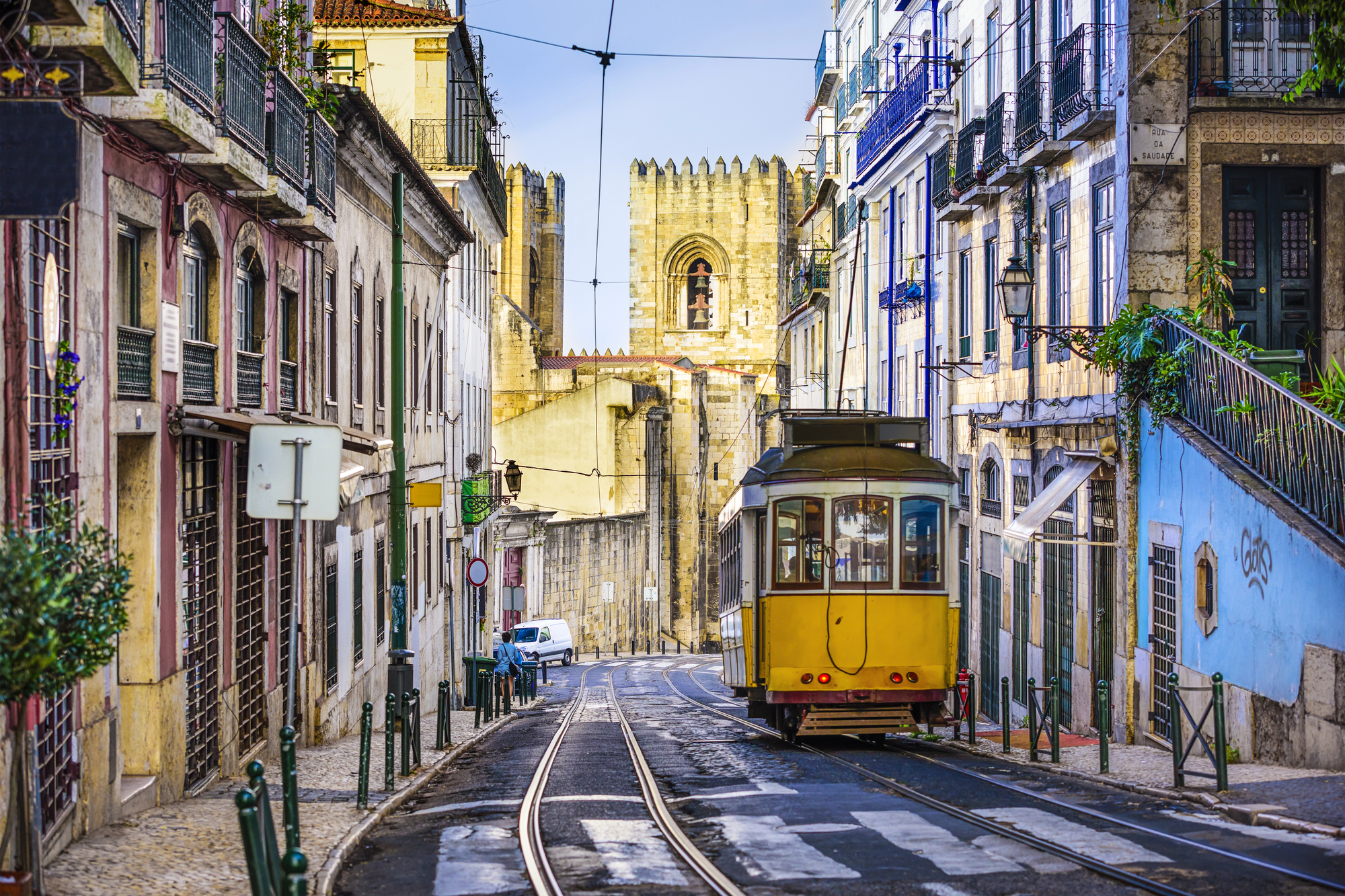
The best things to do in Lisbon Portugal start with the city’s most iconic landmarks. The Belém Tower stands as a beautiful monument to Portugal’s Age of Discovery, its Manueline architecture reflecting in the river waters.
Just steps away, the Jerónimos Monastery showcases the same intricate architectural style, with its breathtaking cloisters and the tomb of explorer Vasco da Gama. São Jorge Castle, perched atop one of Lisbon’s highest hills, offers panoramic views across the terracotta rooftops to the river beyond. I recommend arriving before the crowds for an almost magical experience.
The Alfama district, Lisbon’s oldest neighborhood, is a maze of narrow alleys where laundry hangs between buildings and local taverns serve petiscos (Portuguese tapas) alongside glasses of vinho verde.
Ride the famous Tram 28 through this historic quarter, and you’ll understand why Lisbon captures hearts so completely. The MAAT (Museum of Art, Architecture and Technology) represents Lisbon’s modern side, with its striking contemporary design along the waterfront.
For families, the Lisbon Oceanarium ranks among Europe’s finest aquariums, housing an incredible diversity of marine life that fascinates visitors of all ages. The Time Out Market in Cais do Sodré brings together the city’s best chefs under one roof. It’s perfect for sampling multiple Portuguese specialties in a vibrant, family-friendly atmosphere.
Hidden Gems in Lisbon That Tourists Miss
While the major attractions are absolutely worth visiting, some of Lisbon’s most memorable experiences happen off the beaten path. The LX Factory, a former industrial complex in the Alcântara neighborhood, has been transformed into a creative hub filled with bookstores, art galleries, quirky shops, and excellent restaurants. On Sunday mornings, the adjacent Feira da Ladra flea market offers treasures ranging from vintage azulejo tiles to antique books.
Lisbon’s miradouros (viewpoints) provide some of the city’s most stunning vistas, and many remain blissfully uncrowded. Miradouro da Senhora do Monte offers the best sunset views in the city, while Miradouro de Santa Catarina attracts a local crowd who gather to watch the day end over craft beers and conversation.
The National Tile Museum (Museu Nacional do Azulejo) showcases Portugal’s extraordinary tilework tradition in a former convent. A peaceful, beautiful space that most tourists overlook.
For authentic fado music, skip the tourist-heavy restaurants and seek out smaller venues in Alfama or Mouraria. This is where local fadistas pour their souls into these haunting Portuguese ballads. Many neighborhood taverns offer fado nights where the music feels intimate and genuine, often beginning late in the evening when the atmosphere is just right.
Best Food to Try in Lisbon During Portugal, Spain, and Morocco Travel
Portuguese culture and cuisine come together beautifully in Lisbon, where centuries-old recipes meet fresh Atlantic ingredients. Your culinary journey must begin with pastéis de nata. They are custard tarts with caramelized tops that originated at the Pastéis de Belém bakery over 180 years ago. While you’ll find these treats throughout the city, the original recipe at Belém remains special.
Bacalhau (salt cod) appears on menus in countless preparations. The locals say there are 365 recipes, one for each day of the year. Try bacalhau à brás, a comforting dish of shredded cod with crispy potatoes and eggs. Fresh seafood is extraordinary here. But I recommend ordering grilled sardines, octopus salad, or percebes (gooseneck barnacles) for a true taste of Portugal’s Atlantic bounty.
For an unforgettable meal, visit Cervejaria Ramiro for some of Lisbon’s best seafood, served in a lively, no-frills atmosphere. Time Out Market offers variety if your family has different preferences, while smaller tascas (taverns) in neighborhoods like Graça or Mouraria serve traditional Portuguese home cooking.
Don’t leave without trying ginjinha, a cherry liqueur served in tiny cups at specialized bars throughout the city. Ginjinha Sem Rival near Rossio Square is a local favorite.
For a deeper dive into all that Portugal offers, from Porto’s wine cellars to the Douro Valley’s terraced vineyards, check out my Ultimate Guide to Portugal.
Seville, Spain: The Heart of Andalusia
From Lisbon’s gentle hills, your journey continues to Seville, where Spain’s Andalusian soul beats strongest. This is a city that lives outdoors. Where orange trees line the streets. Horse-drawn carriages clip-clop past Moorish palaces. And the sound of castanets accompanies flamenco dancers late into the night.
Seville Spain Attractions You Can’t Miss During Portugal, Spain, and Morocco Travel
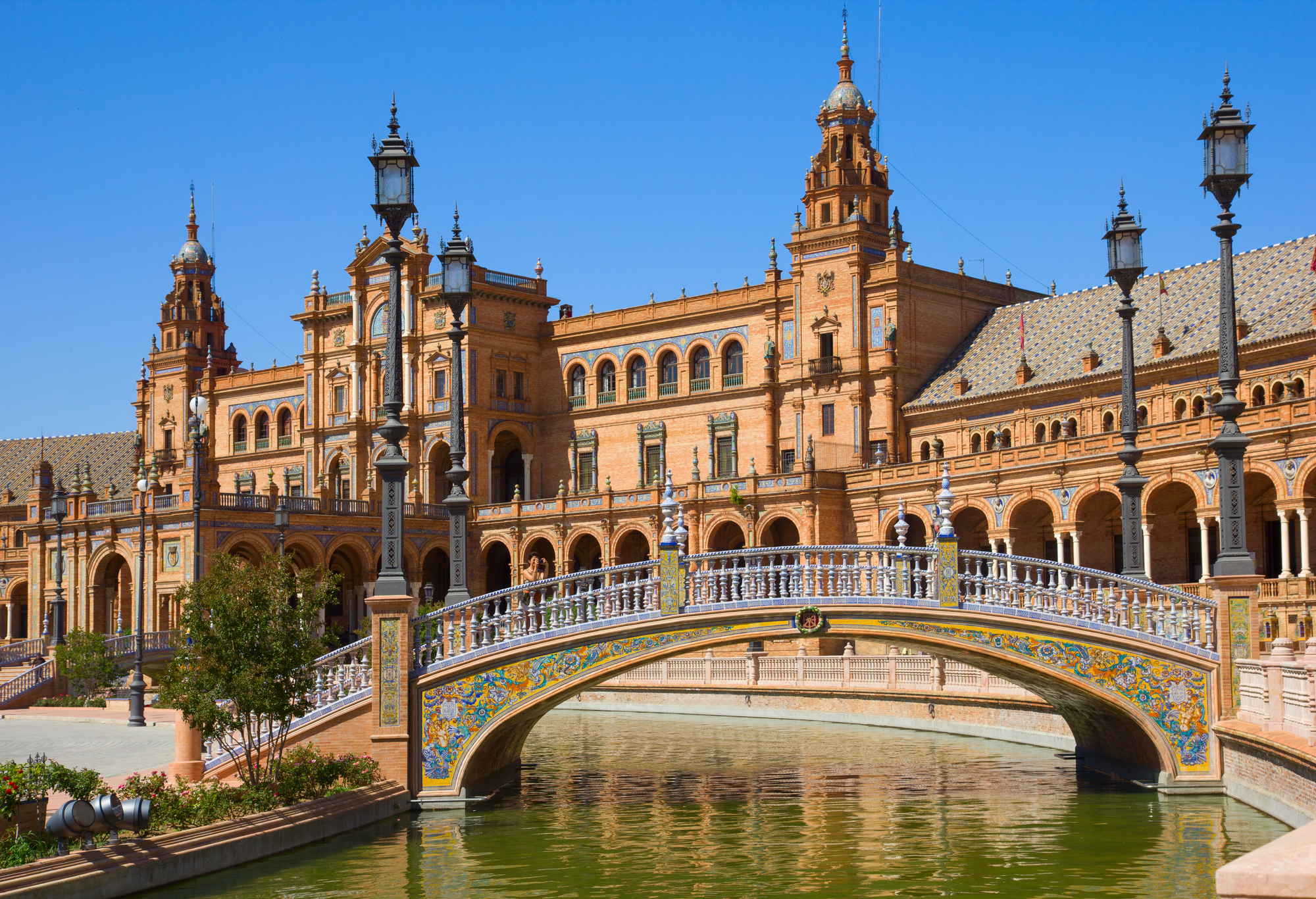
Seville Cathedral and Plaza de España represent the city’s architectural crown jewels. The cathedral, the world’s largest Gothic cathedral, contains Christopher Columbus’s tomb and La Giralda. The latter is the bell tower that was originally a minaret from the mosque that once stood on this site. Climb the ramps to the top for sweeping views across Seville’s rooftops and the Guadalquivir River.
The Royal Alcázar showcases the stunning Mudéjar architecture that blends Islamic and Christian styles. Its palace rooms feature intricate tilework and carved wood ceilings, while the gardens offer a peaceful retreat with fountains, pavilions, and shaded pathways. These same gardens appeared in Game of Thrones, representing the Water Gardens of Dorne.
Plaza de España, built for the 1929 Ibero-American Exposition, is one of Spain’s most photographed landmarks. This semicircular plaza features a canal where you can rent rowboats, colorful ceramic tile alcoves representing each Spanish province, and bridge architecture that blends Renaissance and Moorish styles. Visit early morning or late afternoon when the light is golden and the temperature is more comfortable.
The Metropol Parasol, known locally as “Las Setas” (the mushrooms), represents Seville’s modern face. This contemporary wooden structure houses a market below and offers panoramic walkways above, providing a completely different perspective on the city.
Things to Do in Seville in One Day
When time is limited, prioritize strategically. Start early at the Royal Alcázar when it opens to beat the crowds, spending about two hours exploring the palace and gardens. Walk to the nearby cathedral and climb La Giralda for those incredible views.
Stroll through the Santa Cruz neighborhood’s narrow streets, stopping for coffee and churros at a local café.
For lunch, experience tapas the Seville way. Standing at bar counters, ordering small plates, and moving from one place to another. The Triana neighborhood across the river offers excellent tapas bars with fewer tourists.
In the afternoon, relax at Plaza de España, perhaps taking that romantic boat ride if you’re traveling as a couple.
As evening approaches, Seville truly comes alive. This is when you should experience flamenco. Not in a tourist trap, but at a tablao (flamenco venue) where the artistry is authentic. Casa de la Memoria and La Carbonería offer intimate settings where you can feel the duende (spirit) of this passionate art form.
Seville Travel Tips for Families
Best family-friendly activities in Seville include the boat rides at Plaza de España, which children absolutely love. Parque de María Luisa, the green lung of Seville, offers shaded paths, duck ponds, and Plaza de América with its beautiful pavilions. The Interactive Museum of Music allows kids to try instruments from around the world.
Consider a horse-drawn carriage ride through the historic center. It’s touristy, yes, but children find it magical. And it gives tired little feet a rest while you take in the sights.
Many restaurants offer outdoor seating where families feel welcome, and Spanish culture embraces children dining out even late in the evening.
Tangier, Morocco: A Gateway to Another World
Crossing from Spain to Morocco is like stepping through a portal into a completely different sensory universe. The call to prayer echoes across the city. The aroma of cumin and saffron fills the air. And the vibrant colors of spices piled in market stalls dazzle your eyes. This is where your Spain Portugal Morocco travel adventure reveals its most exotic chapter.
Is Tangier Worth Visiting? Absolutely and Here’s Why
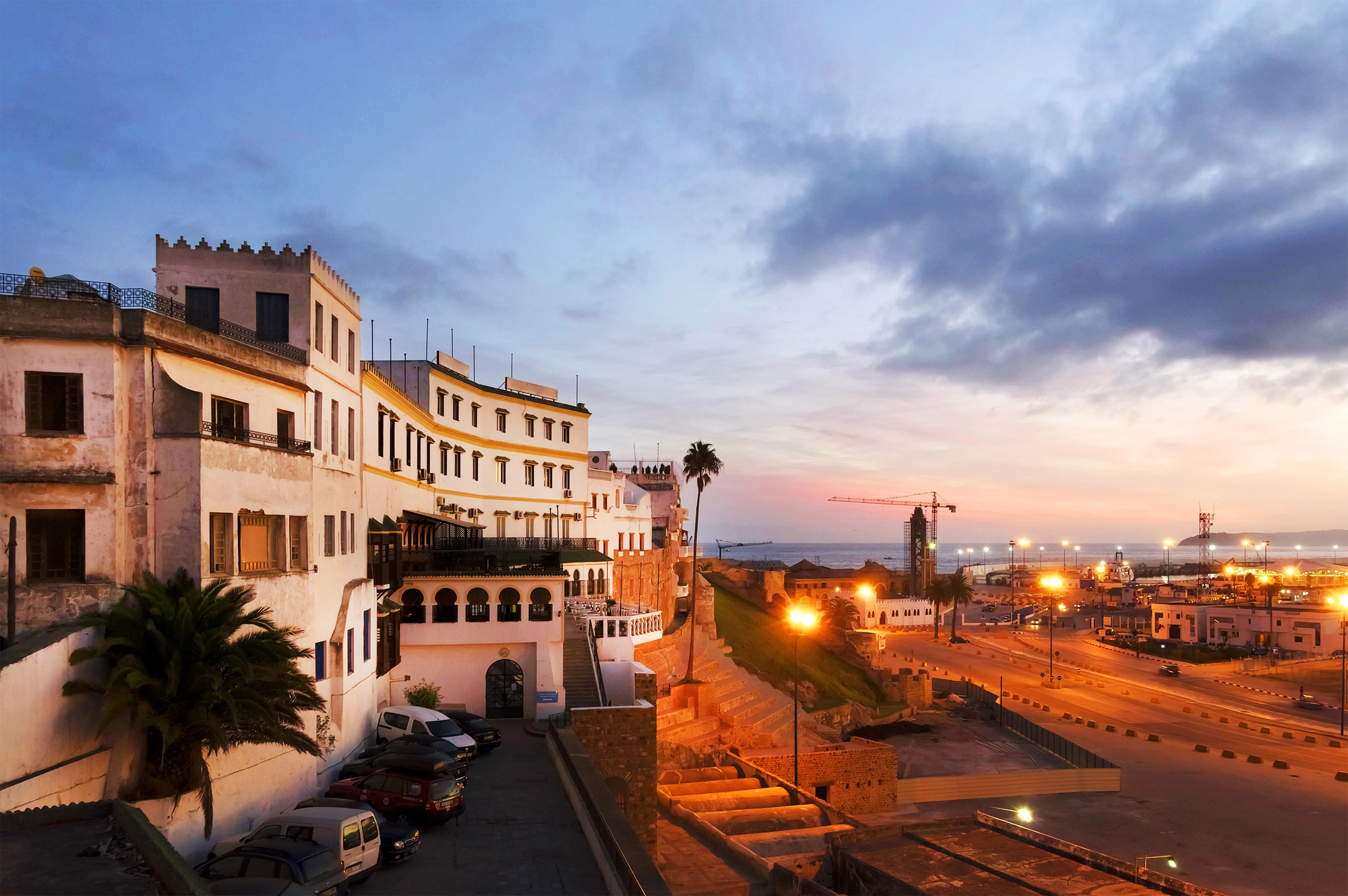
Tangier Morocco attractions offer something you won’t find anywhere else on this journey. While Marrakech and Fez often dominate Morocco travel conversations, what makes Tangier unique compared to other Moroccan cities is its position as a cultural crossroads. For centuries, Tangier has been a meeting point between Europe and Africa, Islam and Christianity, tradition and modernity.
The city’s cosmopolitan history is evident everywhere. The Kasbah, perched high above the medina, houses a former sultan’s palace now converted into a museum showcasing Moroccan art and artifacts.
Walk through the Kasbah’s gates and you’ll find yourself in a quieter, more refined section of the old city, with painted doorways and stunning views across the Strait of Gibraltar. On clear days, you can see Spain across the water.
What to see in Tangier in one day requires some strategic planning, but it’s absolutely achievable. The American Legation Museum, housed in the first American public property outside the United States, tells the story of Morocco-American relations.
The Caves of Hercules, just outside the city, offer mythological intrigue and a unique rock formation that resembles the shape of Africa.
But perhaps Tangier’s greatest appeal lies in its authentic atmosphere. Unlike some Moroccan cities that have become overwhelmed by tourism, Tangier retains a genuine character. Local life unfolds at its own pace, and you’re invited to observe and participate rather than simply consume a manufactured experience.
Moroccan Markets and Medinas: A Sensory Experience During Portugal, Spain, and Morocco Travel
Where are the best markets to visit in Tangier? The answer begins at the Grand Socco (large square), where the old medina meets the newer ville nouvelle. This bustling plaza serves as Tangier’s social heart, where locals gather, vendors sell produce, and the energy of daily life pulses constantly. From here, enter the medina through the archway and immerse yourself in Moroccan markets and medinas.
The Petit Socco, deeper within the medina, is a smaller square surrounded by cafés where men sip mint tea and discuss the day’s events. This was once the center of Tangier’s international zone. Back when writers like Paul Bowles and William S. Burroughs made the city their home. Today, it retains that bohemian charm.
Winding through the medina’s covered souks, you’ll discover stalls selling everything imaginable. Hand-woven carpets in jewel tones, leather babouches (slippers), traditional caftans, copper lanterns, colorful ceramics, and mountains of aromatic spices.
Unlike some tourist markets, Tangier’s souks still primarily serve locals. So, you’ll see housewives bargaining for vegetables alongside craftsmen selling their wares.
Shopping etiquette in Morocco differs from Western customs. Bargaining is expected and should be approached as friendly negotiation, not a confrontation. Start at about half the asking price and work toward a mutually agreeable amount.
When merchants offer you tea, accept. It’s part of the ritual and an opportunity to connect across cultures. Learn a few Arabic phrases like “shukran” (thank you) and “la, shukran” (no, thank you), and you’ll find interactions much warmer.
What Are the Best Local Dishes to Try in Morocco
Moroccan cuisine represents one of the world’s great culinary traditions. And tasting it authentically is essential to your experience.
Tagine, slow-cooked in the distinctive cone-shaped earthenware pot, comes in countless variations. Chicken with preserved lemons and olives. Lamb with prunes and almonds. Or vegetable combinations fragrant with spices.
Each tagine tells a story through its ingredient combinations and seasoning.
Couscous, particularly the Friday tradition of couscous with seven vegetables, represents Moroccan comfort food at its finest. The tiny semolina grains are steamed to fluffy perfection and crowned with tender vegetables, chickpeas, and often lamb or chicken.
Fresh bread accompanies every meal. Watch for women carrying flat rounds of bread on boards balanced on their heads as they return from communal ovens.
Mint tea, “Moroccan whiskey” as locals jokingly call it, is the national beverage and a symbol of hospitality. Prepared with green tea, fresh mint, and generous amounts of sugar, it’s poured from height to create a frothy top and served in small glasses throughout the day. Accepting tea when offered shows respect and opens doors to conversation.
For street food, try harira (a hearty soup with tomatoes, lentils, and chickpeas), msemen (flaky flatbread), or grilled sardines fresh from the Atlantic. Tangier’s fish market near the port offers the freshest seafood, grilled to order and served with bread and salad.
Don’t be intimidated by unfamiliar settings. Sof the most memorable meals happen at simple spots where locals eat.
Best family-friendly activities in Lisbon and Seville extend to Tangier as well, though with different flavors. Children are welcomed warmly in Moroccan culture and watching their eyes light up at the exotic sights, sounds, and flavors of the souks creates treasured family memories.
Planning Your Spain Portugal Morocco Travel Adventure
Portugal Spain Morocco Cruise vs. Independent Travel
One question I hear frequently is whether to explore these countries independently or during a Portugal Spain Morocco cruise. Both approaches have merit, but for most travelers, particularly those new to this region, the Mediterranean cruise destinations approach offers distinct advantages.
When you travel independently, you manage all logistics. Hotels, transportation between cities, restaurant reservations, and navigating language barriers in three different languages. This works wonderfully for experienced travelers who work with an expert travel advisor like me. However, the magic of visiting Mediterranean cruise destinations is that complex logistics are handled while you focus entirely on experiencing each place.
You wake up in a new port ready to explore. Your comfortable accommodations travel with you. And you maximize precious vacation time without hours spent in transit or checking in and out of hotels.
For multigenerational families, this seamless approach means everyone enjoys the journey without the stress of keeping children entertained during long transfers or managing different mobility levels across varied terrain.
Expert guidance enhances every port. Having someone who knows where to find the best pastéis de nata in Lisbon, which Seville tapas bars locals actually frequent, or how to navigate Tangier’s medina with cultural sensitivity transforms your experience from good to extraordinary. After over a decade of helping families and couples explore these destinations, I’ve learned that the right guidance makes all the difference.
Mediterranean Food and Wine Throughout Your Journey
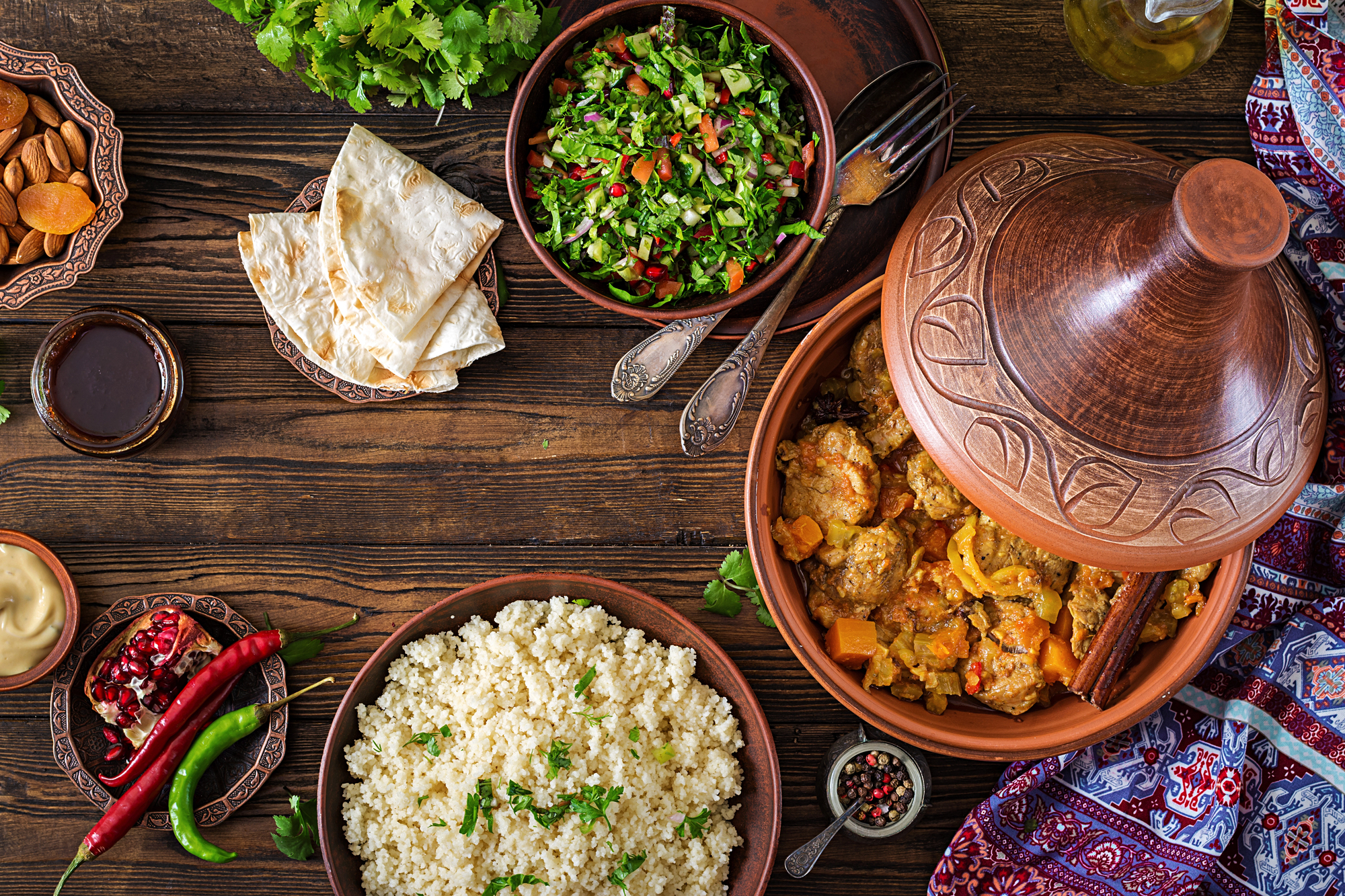
One of the greatest joys of Spain Portugal Morocco travel is the culinary journey that parallels your geographical one. Each country brings distinct flavors, cooking techniques, and food traditions that reflect its culture and history.
Portugal’s cuisine centers on fresh Atlantic seafood, olive oil, and simple preparations that allow quality ingredients to shine. The wines, from crisp vinho verde to full-bodied reds from the Douro Valley, pair beautifully with every meal.
Seville introduces you to Spain’s tapas culture and bold flavors, where sherry from nearby Jerez accompanies dishes like jamón ibérico and gazpacho.
Morocco brings entirely new flavor profiles. The warm spices of ras el hanout, the sweet-savory combinations of tagines, and the mint tea that punctuates every day.
Experiencing Mediterranean food and wine across three countries reveals how cuisine tells the story of people, place, and history. The Moorish influence in Andalusian cooking connects to North African flavors you’ll taste days later in Tangier. Portuguese seafood traditions reflect centuries of Atlantic exploration. Every meal becomes an opportunity to understand these cultures more deeply.
Making the Most of Your Three-Country Mediterranean Journey
After helping countless travelers plan their Spain Portugal Morocco travel adventures, I’ve learned what separates good trips from transformative ones. It comes down to preparation, openness, and presence.
Packing for Three Countries
Pack layers and versatile pieces that work across different climates and cultures. Spring weather can be variable, so bring a light jacket or cardigan for cooler evenings.
Comfortable walking shoes are non-negotiable. You’ll cover miles exploring these cities’ cobblestone streets and hilly neighborhoods.
For Morocco, dress modestly out of respect for local customs. Lightweight pants or longer skirts work well for both comfort and cultural sensitivity.
Bring a small daypack for carrying water, sunscreen, and any purchases from markets. A universal power adapter serves all three countries. And though credit cards work widely, having some local currency for small purchases and tips makes transactions smoother.
Cultural Considerations
Each country has its own rhythm and customs. Portugal moves at a gentle pace. Don’t rush through meals or sightseeing.
Spain operates on a later schedule. Dinner starts around 9 PM or later, and the afternoon siesta is real.
Morocco requires extra cultural awareness. Dress modestly, ask permission before photographing people, remove shoes when entering someone’s home, and use your right hand when eating.
Learning basic greetings in Portuguese (“obrigado/obrigada” for thank you), Spanish (“gracias”), and Arabic (“shukran”) shows respect and usually brings warm smiles.
Europeans and North Africans appreciate politeness and genuine interest in their cultures over loud enthusiasm or hurried interactions.
Creating Lasting Memories
The most meaningful memories come from being fully present. Put your phone down sometimes and simply observe. Watch the sunset paint Lisbon’s buildings in golden light. Listen to the passion in a flamenco singer’s voice. Feel the energy of Tangier’s medina surrounding you.
Talk to locals when opportunities arise. Their stories and perspectives enrich your understanding far beyond any guidebook.
Keep a journal or collect small mementos. A tile from Portugal, a recipe from Spain, or a small pouch of spices from Morocco. These tangible connections help you hold onto the experiences long after you return home.
Share meals slowly, wander without specific destinations sometimes, and allow room for spontaneous discoveries. These three countries offer endless opportunities for serendipity if you remain open to them.
Your Three-Country Mediterranean Adventure Awaits
Spain Portugal Morocco travel represents more than visiting three countries. It’s an immersion into centuries of history, an exploration of diverse cultures that have shaped each other, and an opportunity to experience some of the Mediterranean’s most captivating destinations. From Lisbon’s fado-filled nights to Seville’s flamenco passion to Tangier’s exotic markets, every day brings new discoveries, flavors, and perspectives.
The western Mediterranean’s magic lies in its ability to surprise, delight, and transform everyone who visits with an open heart and curious mind. Whether you’re drawn by the artistic treasures, the culinary adventures, the historical significance, or simply the promise of experiencing something beautifully different from everyday life, these three countries will exceed your expectations.
Ready to experience Portugal, Spain, and Morocco for yourself? I’d love to help you plan a journey that matches your interests, pace, and travel style perfectly. Let’s start planning your unforgettable adventure.
And if you’re not ready to start planning a vacation in Portugal, Spain, and Morocco, sign up for my newsletter. This will ensure you always stay up to date with all the travel information I share.

Tracy is the owner of Elite Travel Journeys, a luxury travel agency dedicated to crafting extraordinary, memory-making journeys for families, multigenerational groups, empty nesters, and solo female travelers. A proud military veteran and President of the Central PA Chapter of ASTA, Tracy brings both discipline and deep passion to everything she does. With a particular love for river cruising, especially Europe’s enchanting Christmas Markets, she has been turning travel dreams into life-changing experiences since 2014. Tracy believes that extraordinary travel doesn’t just take you somewhere new; it changes who you are.
Enter your Name and best Email Address to receive
On Your Next Family Vacation
We respect your privacy and will never share or sell your information.
3 Ways to See It All in Alaska


On Your Next Family Vacation
Click here for 10 Exciting Family Adventures
You Can Plan
NOW