
The Netherlands Family Vacation Nobody Warns You Is This Easy
Somewhere around the second afternoon, most parents finally stop bracing for the meltdown that never comes. That is the quiet surprise sitting underneath every Netherlands family vacation: The trip you expected to manage becomes the trip you get to enjoy instead.
You packed the spare shirt. You packed the tablet loaded with three seasons of a show your youngest has memorized start to finish. I bet you even packed the mental script for the airport meltdown you were certain was coming. And then you land in a country where the hardest decision of the morning is which canal to walk along first. Where your ten-year-old asks, unprompted, whether you can come back next summer. That is what it feels like during a family vacation in the Netherlands.
This guide is everything your research left out: Timing. Pacing. The cities worth anchoring your trip to. And the truth about how this small, flat country holds space for a toddler, a teenager, and a grandparent, all in the same week.
The Netherlands Family Vacation Nobody Warns You Is This Easy
What Nobody Tells You About a Netherlands Family Vacation

Every parent packs a private list of worries before a trip to the Netherlands with kids: The language barrier, the unfamiliar trains, and the fear that four days in will collapse into exhaustion and short tempers. None of it tends to survive contact with this destination.
Picture a platform at Amsterdam Centraal on a Tuesday morning. A father juggles a stroller, a diaper bag, and a paper cup of coffee. A stranger reaches over and folds the stroller for him without being asked, because that is what happens here when someone looks like they need a hand.
The train arrives on time. The conductor asks your daughter, in accented but confident English, whether she is excited about the trip. Nobody rushes. Nobody stares at the family taking an extra thirty seconds to board.
That small platform moment tends to repeat itself all week. In a bakery, on a bike path, or at a museum front desk. A Netherlands family vacation runs on an ease that catches most parents off guard, precisely because nowhere else in Europe has managed to make family travel feel this unhurried.
Is the Netherlands Safe for a Family Trip?
“Is the Netherlands safe for families?” is a question I get all the time. My answer is always, yes! This is a country that has ranked among the safest in the world for travelers of any age, year after year.
What that looks like in practice is less a statistic and more a feeling: Your eight-year-old walking six steps ahead of you down a quiet street in Utrecht, as your shoulders stay loose instead of climbing toward your ears.
It looks like bike paths separated from car traffic by curbs and color. Turning what once needed hawk eyed vigilance into something as simple as picking a lane.
It looks like a teenager riding the tram alone to meet you at a museum, because the transit system is simple enough for a kid who has never left home to read it correctly on the first try.
Safety here is not a caveat buried in fine print. It shapes the whole trip.
Why This Small Country Fits Families Better Than You’d Guess
Part of the ease comes down to geography. The Netherlands is smaller than the state of West Virginia. This means the windmill village you saw in a photo last week and the beach your kids want to run on this afternoon might sit forty minutes apart by train. Nobody spends a vacation day trapped in transit here.
Part of it comes down to language. English is spoken fluently in cities and small towns alike. On menus, on train announcements, and in the mouth of the eleven-year-old selling stroopwafels from a market stall. A parent who speaks no Dutch beyond a nervously practiced word of thanks will still manage every logistics conversation of the trip without breaking a sweat.
And part of it is cultural. Dutch families take their own kids everywhere. To restaurants after dark, to art museums, and to long dinners that stretch past a bedtime American parents would consider sacred. Nobody looks twice at your kids for being kids. That permission, more than any single attraction, is what makes this small country feel built for families instead of merely tolerant of them.
When to Go: The Best Time to Visit the Netherlands with Kids

Ask five Dutch grandmothers when to visit and you will get five different, deeply held opinions. The honest answer depends less on a single perfect week and more on what your family wants most from the trip: Color, warmth, or quiet.
Chasing Tulip Season at Keukenhof with Kids
There is a kind of magic in walking a five-year-old down a gravel path and watching her stop dead in front of a field saturated with color deep enough that it looks retouched. Except nothing about it is. That field belongs to Keukenhof, the world’s largest spring garden. It is open for a narrow window each year, roughly eight weeks stretching from mid-March into May. It is timed to when the bulbs decide to bloom.
Keukenhof with kids works best in the late morning. Basically, after the first wave of tour buses has cleared and before the golden hour crowds arrive for photos.
Strollers roll easily along the paved paths. Plus, there is enough open lawn for a toddler to put down whatever she is holding and run.
Older kids gravitate toward the windmill at the garden’s edge. They climb to a view that stretches over rows of tulips arranged like a quilt someone shook out over the countryside.
Because the season is short and popular, timed tickets sell out weeks ahead during peak bloom in April. Book earlier than feels necessary. Build the rest of that day around it rather than trying to squeeze in a second major stop.
Long Summer Evenings and Canal Side Living
By June, daylight in the Netherlands stretches until well past nine at night. The whole country seems to move its living room outdoors. Families linger over dinner on canal side terraces while kids chase each other along the water’s edge. Nobody checks a watch because the sun refuses to set on any reasonable schedule.
Summer is peak season, and it shows in hotel prices and museum lines. But it buys you something no other stretch of the calendar can: The long, loose evenings that make a family vacation feel less like a checklist and more like a season of its own.
Beach towns along the North Sea fill with Dutch families building sandcastles until dusk. City parks stay lively long after your kids would normally be in pajamas back home.
If your family thrives on activity and daylight and does not mind sharing the sidewalk with everyone else who had the same idea, summer delivers exactly that trade.
The Quieter Months, for Families Who Want Fewer Crowds
Not every family wants the busiest season. The Netherlands rewards the ones who arrive in the gaps. September carries the last of summer’s warmth without the crowds. Museums that required timed entry in July suddenly let you wander in without a wait.
Winter brings its own kind of storybook scene: Canals occasionally freeze solid enough for skating. Market stalls sell hot chocolate thick enough to coat a spoon. Days shorten into something cozy rather than bleak. Cities light up for the holidays with a warmth that makes the early sunset feel less like a loss and more like an invitation to slow down.
For a family that measures a good vacation by how much elbow room they have at the popular spots, the shoulder season quietly outperforms everything else on the calendar.
Building a Netherlands Family Itinerary Day by Day
A week, closer to seven days than five, works as a reliable baseline for a first Netherlands family itinerary: Enough time to settle into Amsterdam, take a couple of day trips, and still leave room for the unplanned afternoon that always ends up being someone’s favorite memory.
Families combining multiple generations or wanting a beach day on the coast often stretch that to ten days. Although, a long weekend can still work if you keep the radius small and skip the day trips altogether.
Amsterdam with Kids: Where Every Trip Begins
Nearly every Netherlands family vacation starts with options for the kids, and for good reason. Amsterdam packs canals, museums, parks, and a genuinely walkable center into a space small enough that a family can cover meaningful ground without anyone’s legs giving out by midafternoon.
Check out the best things to do in Amsterdam during a family vacation.
Canals, Bikes, and the Rhythm of the City
Rent bikes on your first morning, even if half the family has not ridden one in years.
Amsterdam’s cycling network is wide, clearly marked, and shared by families doing exactly what you are about to do. Wobbling slightly, ringing the bell too often, and laughing more than expected.
Follow the canals rather than a strict route. The Jordaan neighborhood rewards aimless wandering with narrow streets, flower stalls, and cafes that will hand your toddler a cookie without being asked twice. Stop wherever the smell of fresh waffles gets too strong to ignore. Then let the afternoon pull you to whatever your kids find interesting rather than whatever the guidebook says comes next.
Museums Built for Small Hands
Amsterdam solved the museum boredom problem before most cities knew it existed. NEMO Science Museum stacks five floors of hands-on experiments inside a building shaped like a ship’s hull. Kids who groan at the word museum will lose an entire afternoon here without complaint.
For a gentler pace, the Amsterdam Zoo sits inside the city center. It is close enough to walk to from a canal boat. Plus, you can add it to an afternoon that started somewhere else entirely.
Between the two, families searching for things to do in the Netherlands with kids rarely run out of options before they run out of energy.
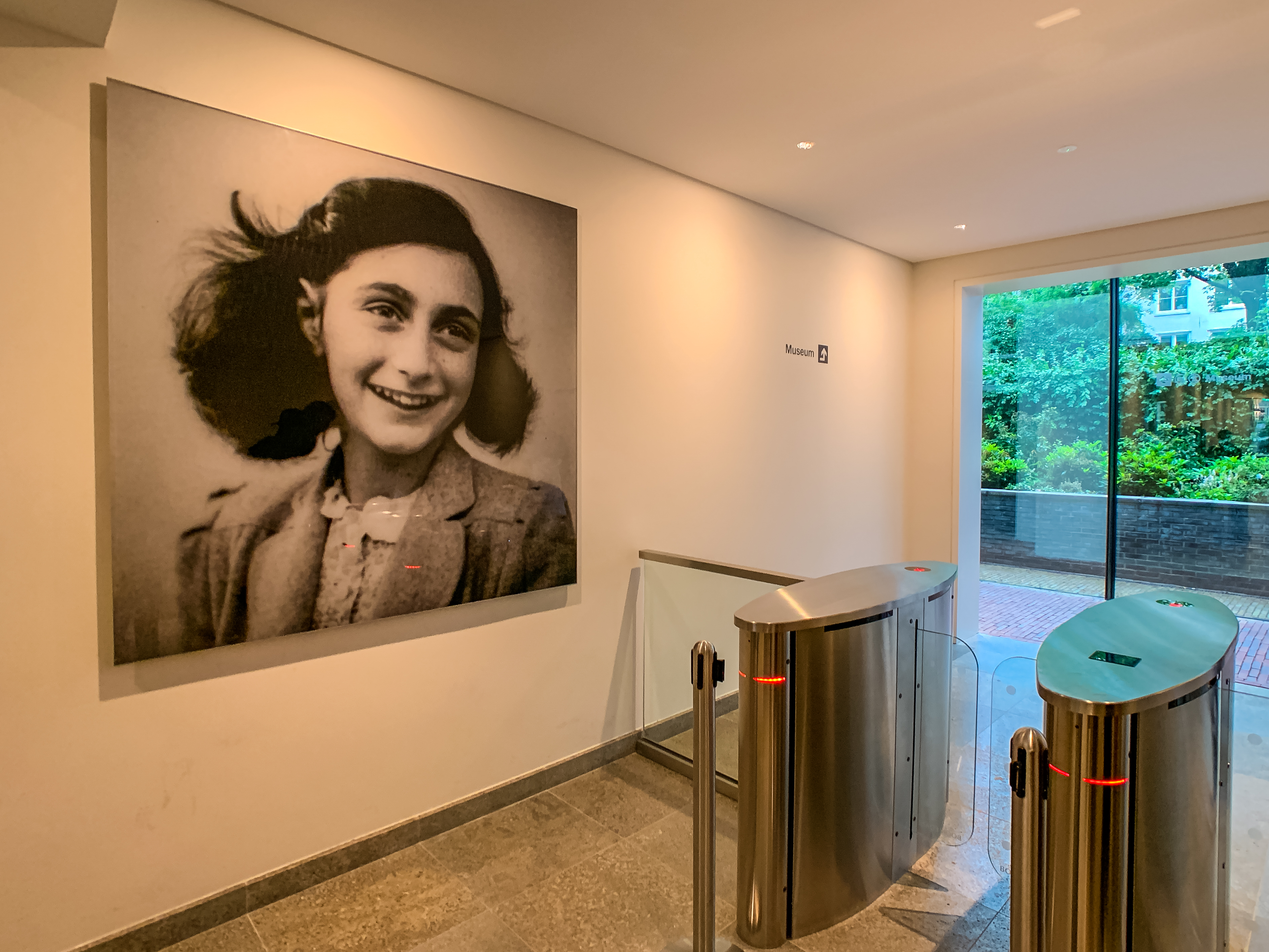
Save the more solemn stops, like the Anne Frank House, for kids old enough to sit with heavy history. Check age recommendations before booking, since some experiences ask more of a young visitor than a family vacation day can comfortably hold.
Beyond the City: Windmills, Trains, and Day Trips
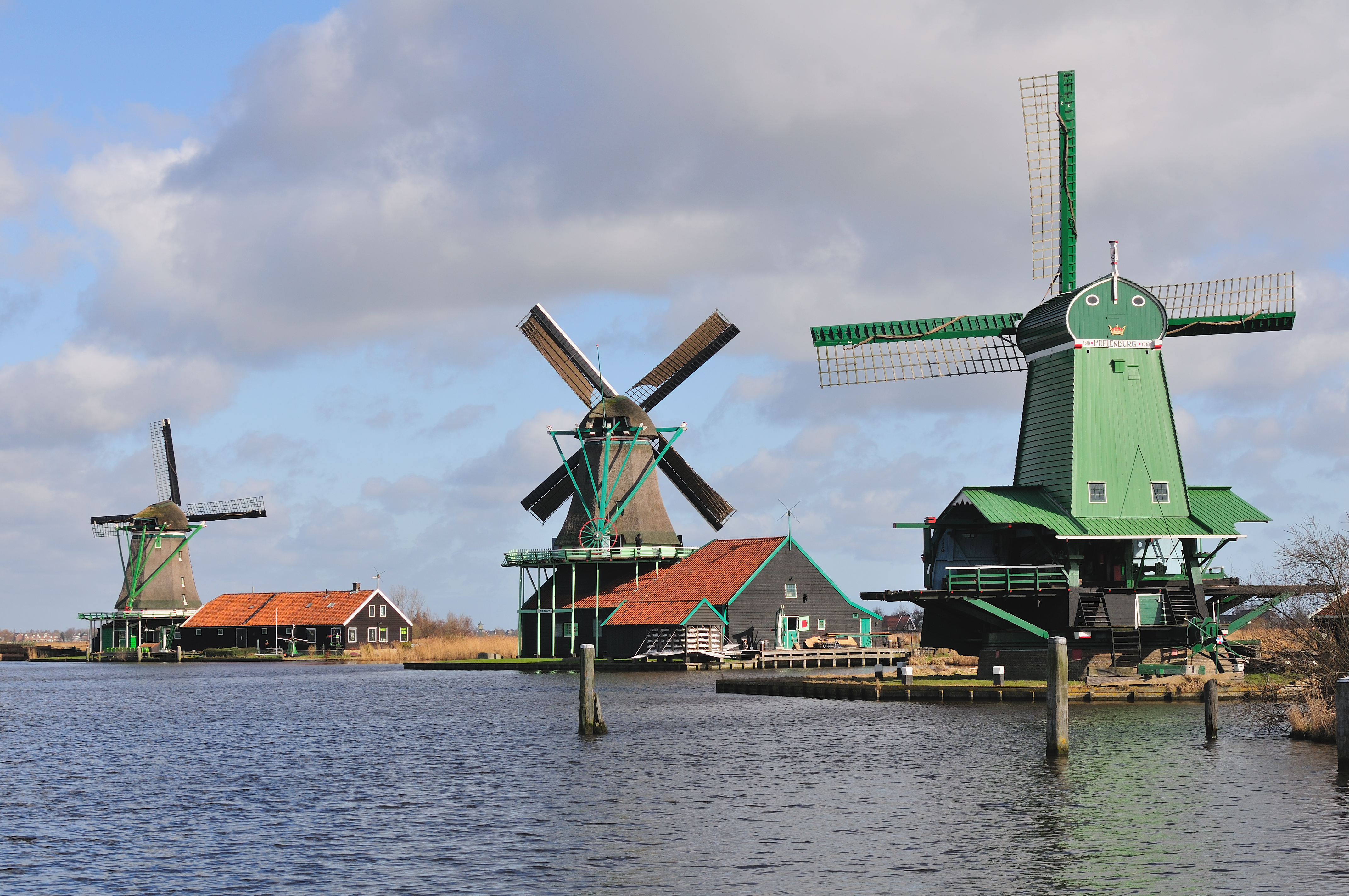
Once the city has been walked, biked, and thoroughly explored, the countryside starts calling. Thankfully, getting there rarely requires renting a car.
Kinderdijk and the Windmills That Still Turn
Forty minutes outside Rotterdam, nineteen windmills line a stretch of waterway at Kinderdijk. They turn slowly against the open sky exactly as they have for nearly three hundred years. Kids who have only seen a windmill drawn in a picture book stop short at the sight of the real thing. The blades are taller than the house they live in back home and move with a creak that carries across the water.
Walk the path between mills at a toddler’s pace. Or rent bikes at the visitor center and cover the full stretch in under an hour. Either way, bring a jacket. The wind that keeps those blades turning does not spare visitors either. A Dutch breeze off open water has a way of finding the one gap in a light jacket every time.
Getting Around Without a Car
The Dutch rail network makes a rental car close to unnecessary for most family itineraries. The fare structure rewards traveling with young kids. Children up to three ride completely free. Kids from four through eleven typically ride free alongside a paying adult too, provided you register them for the correct child ticket before boarding rather than trying to sort it out on the platform.
Trains run frequently, arrive close to schedule, and come equipped with space for strollers and space for restless kids to stand near a window and watch the countryside blur past. For older kids, a discounted day pass makes exploring a second city entirely doable. Even if the adults in the group would rather stay put and let the afternoon slow down.
A stroller rolls easily through most stations. Elevators are standard rather than a lucky exception. This matters more than almost anything else once you are traveling with a sleeping toddler and a bag on each shoulder.
Rotterdam, Utrecht, and The Hague: A Second Base Worth Considering
Amsterdam earns its reputation, but families willing to split their week between two cities often come home with a fuller picture of the country. Rotterdam’s skyline looks like nothing else in the Netherlands. It is all sharp angles and cantilevered architecture. The covered Markthal gives kids a warm, dry place to pick lunch from dozens of stalls on a rainy afternoon.
Utrecht moves at a gentler pace than Amsterdam. The canals are set a level below street traffic, letting kids watch boats glide by from a bench at eye level with the water. The Hague adds Madurodam to the mix. It is a miniature version of the entire country built at a scale where your kids tower over replica canal houses and windmills the size of a lunch box. This is a favorite stop for families with kids too young for a full day of walking but old enough to want something to marvel at.
Splitting a week between two bases means one extra hotel check in and one extra set of packed bags. However, it also means your family sees a version of the Netherlands that a single city stay never quite reveals.
A Netherlands Family Vacation That Changes with Every Age in the Car

The right Netherlands family vacation for a family with a two-year-old looks almost nothing like the right one for a family with two teenagers. This country happens to be flexible enough to be the right answer for both.
How a Netherlands Family Vacation Shifts with a Toddler in Tow
Traveling in the Netherlands with toddlers asks for a different rhythm than traveling with older kids: Fewer stops, shorter windows between naps, and a lower bar for what counts as a good day.
Naps, Cobblestones, and Slower Mornings
Cobblestone streets look storybook pretty in photos. However, they are considerably less charming when you are pushing a stroller over them at seven in the morning because your toddler woke up in your home time zone.
Pack a baby carrier alongside the stroller. Amsterdam’s older neighborhoods were built centuries before anyone considered wheels. A carrier saves your arms during the stretches of roads where a stroller cannot roll smoothly.
Plan mornings around whatever nap schedule survived the flight. Treat the afternoon as the real start of the day. Toddlers travel well here because much of what there is to do happens outdoors, in parks, along canals, and at petting zoos tucked into city green spaces. All places where a meltdown draws sympathetic nods rather than stares.
Keep the daily plan light. One outing before nap, one after, and a slow dinner somewhere with outdoor seating tends to outperform an ambitious three stop day every time.
Efteling with Kids: A Ride for Every Age
Efteling with kids solves a problem most theme parks never quite crack: Keeping a five-year-old and a twelve-year-old equally delighted inside the same afternoon.
The Forest Where Fairy Tales Still Live
Walk the Fairy Tale Forest at dusk with a young child and watch her stop talking entirely, caught somewhere between belief and disbelief, as animatronic figures act out stories she has heard a hundred times at bedtime. Efteling built its reputation on this forest decades before roller coasters entered the picture. It still shows in every carved tree stump and glowing window.
Younger kids move slowly here by design, pausing at each scene, tugging a parent’s sleeve to point out a detail easy for an adult to miss. Budget more time for this section than feels necessary. The pace that frustrates an adult trying to keep to a schedule is the same pace that makes this stretch of the park stick in a five-year old’s memory for years afterward.
For the Older Kids Who Want a Thrill
Older kids drift naturally toward the other side of the park, where roller coasters wind through forest and past the same fairy tale scenery their younger siblings lingered over an hour earlier. A tween who declared the whole trip babyish an hour ago tends to change their tune fast once a coaster drops through actual trees rather than a flat, open track.
Height requirements apply to the bigger rides. Check them before promising a specific coaster to an eager nine-year-old. Splitting into two groups for an hour, one covering the gentler side of the park with younger kids and one tackling the thrill rides with the rest, keeps everyone content without forcing a single pace onto a mixed age group.
When Three Generations Travel Together
A multigenerational trip to the Netherlands works in a way that surprises families who have struggled to combine generations anywhere else. Book accommodations with a bit of separate space, an apartment or a suite with a second room. Let the group come together for meals and outings without living entirely on top of each other for a week.
Build flexibility into each day rather than a locked schedule. Grandparents might prefer a slower museum morning while parents take the kids out for something more physical. Then everyone regroups for a long, unhurried dinner that stretches the way Dutch dinners tend to.
Finding a Pace Everyone Can Keep
Flat terrain does more heavy lifting here than people expect. A grandparent with knees that complain on hills can keep pace with grandkids on bikes without falling behind. Short distances between cities mean nobody spends half a vacation day trapped in a car while everyone else naps.
The country’s manageable size means even a modest week-long trip lets three generations cover real ground together, rather than compromising down to whatever the slowest or youngest member of the group can handle.
Practical Things Every Parent Wants to Know Before Going
What to Pack for Unpredictable Dutch Weather
Dutch weather has a reputation for changing its mind mid conversation. Packing for a Netherlands family vacation means preparing for four seasons inside one afternoon rather than trusting whatever the ten-day forecast promised before you left home.
Pack a light rain jacket for every member of the family, even in July. Keep it accessible rather than buried at the bottom of a suitcase. A sudden shower rarely lasts more than twenty minutes, but twenty minutes standing under an awning with two soaked kids and no jacket in reach feels considerably longer.
Layers matter more than heavy coats, since temperatures shift several degrees between a shaded canal walk and an open bike path in direct sun. Waterproof shoes save more vacation days than any other single item in a family suitcase. Especially for kids who consider every puddle a personal invitation.
Is the Netherlands the Same Thing as Holland?
Somewhere between baggage claim and the rental car counter, someone in the family will ask why half the airport signage says Netherlands and the other half says Holland. It is a fair question that trips up plenty of first-time visitors.
The Netherlands is the country. Holland refers, technically, to only two of its twelve provinces. North Holland and South Holland, home to Amsterdam and The Hague. For centuries, foreign traders dealt mostly with those two coastal provinces. The name stuck internationally even though it never described the whole country.
You will hear both terms used interchangeably in shops, on tour brochures, and in casual conversation. No local will correct you for using either one. Knowing the difference makes the map a little easier to read as you are holding it and steering the family toward the next stop.
Where to Rest Each Night
After a day spent chasing windmills, tulips, and tired legs on a Netherlands family vacation, where you land at night shapes how the next morning starts. Family friendly hotels in the Netherlands tend to understand this instinctively. They offer rooms built for more than two people, breakfast spreads that satisfy a picky eight year old alongside a coffee dependent parent, and staff who greet a stroller in the lobby without a flicker of hesitation.
Look past the generic chain listings toward smaller, family run properties tucked into converted canal houses or countryside farmhouses. A room with a window overlooking a working canal, or a converted barn on the edge of a bulb field, tends to leave a stronger impression on a ten year old than any five-star lobby ever could. I can help you find these magical accommodations when I plan your family vacation in the Netherlands.
Choosing One Home Base or Moving Between Cities
Some families do best staying in a single city and taking day trips each morning. They unpack once and live out of drawers rather than suitcases for a full week. Others prefer to move every few nights, trading the comfort of routine for a broader slice of the country.
A single base works well for families traveling with a toddler or anyone who values a predictable bedtime routine over covering more ground. Amsterdam or Utrecht both work as a base, with day trips reaching most of the country’s major stops inside ninety minutes each way.
Moving between two or three cities suits families with older kids who enjoy the small thrill of a new hotel room and do not mind repacking every few days.
Whichever approach fits your family, resist scheduling every day around a big attraction. The unplanned afternoon, wandering a neighborhood with no destination in mind, tends to be the one everyone still talks about a year later.
Plan Your Own Netherlands Family Vacation?
Somewhere between the windmills and the waffles and the kid who fell asleep on a train past Utrecht, you stop managing the trip and start living inside it. That is the whole promise of a Netherlands family vacation: A country patient enough to hold a toddler’s nap schedule, a teenager’s need for a thrill, and a grandparent’s need for a bench. All inside the same unhurried week.
So, are you ready to start planning your family’s own version of this trip?
If you said yes, I would like to invite you to click here to schedule a personalized planning session with me. Clicking the link will take you directly to my digital calendar to schedule a time that is convenient for you.
Not ready to start planning your next trip? Sign up for my newsletter and stay up to date with all the travel information I share.

Tracy is the owner of Elite Travel Journeys, a luxury travel agency dedicated to crafting extraordinary, memory-making journeys for families, multigenerational groups, empty nesters, and solo female travelers. A proud military veteran and President of the Central PA Chapter of ASTA, Tracy brings both discipline and deep passion to everything she does. With a particular love for river cruising, especially Europe’s enchanting Christmas Markets, she has been turning travel dreams into life-changing experiences since 2014. Tracy believes that extraordinary travel doesn’t just take you somewhere new; it changes who you are.
Enter your Name and best Email Address to receive
On Your Next Family Vacation
We respect your privacy and will never share or sell your information.
3 Ways to See It All in Alaska


On Your Next Family Vacation
Click here for 10 Exciting Family Adventures
You Can Plan
NOW