Family Safari in Africa: The Best Destinations for Kids, Parents, and Grandparents
The quietest your children will be all year is the moment an elephant walks past close enough to hear it breathe. I have watched it happen on a family safari in Africa more times than I can count, and it never gets old. A seven-year-old who could not sit still through breakfast suddenly forgets to blink. Her grandmother reaches over and squeezes her hand, and neither of them says a word. That silence is the souvenir. Everything else grows from it: The photos, the dust on your boots, and the stories retold every Thanksgiving for years.
Family Safari in Africa: The Best Destinations for Kids, Parents, and Grandparents
Why Is a Family Safari in Africa Worth It for Every Generation?
You have planned the holidays, the carpools, the birthday parties, and the doctor appointments. This trip asks something different of you. It asks you to sit in an open vehicle at dawn, coffee in hand, while someone else does the steering, the spotting, and the worrying.
What Makes Africa With Kids Different From Any Other Vacation
Most family vacations split the group. Teens wander off, little ones need naps, and grandparents wait on a bench. A game drive keeps everyone in the same seat, looking at the same horizon, waiting for the same tawny shape to step out of the grass.
Traveling through Africa with kids also rewires the rhythm of the day. Mornings start before sunrise, when the air smells of wet earth and woodsmoke. Afternoons slow to a crawl in the shade while the animals rest too. Evenings end around a fire, with a guide explaining why hyenas sound like they are laughing.
Nothing here requires a long hike or a hard climb. A game drive asks only that you sit, watch, and whisper. That is why a 10-year-old and a 75-year-old can share the same thrill from the same bench seat.
The Rise of the Multigenerational Safari
You are not the only family dreaming about this. Virtuoso’s 2026 Luxe Report, drawn from more than 2,400 travel specialists in over 50 countries, ranks multigenerational family travel as the second biggest trend in luxury travel.
I understand why. A multigenerational safari gives grandparents a story they will tell for the rest of their lives: The year they showed the grandchildren a lion. It gives parents a rare week off from being the family’s only planner. And it gives kids a version of their grandparents they may never have met. The one who gasps, laughs out loud, and stays up late counting stars.
What Are the Best Countries for a Family Safari in Africa?
The best family vacation destinations in Africa are the ones that fit your youngest traveler and your oldest one at the same time. Here is how I think about each country when I match it to a family.
South Africa: Malaria-Free Reserves for the Youngest Travelers
Picture a three-year-old counting warthogs out loud as they trot past, tails straight up like antennas. That scene plays out in South Africa’s malaria-free reserves. It is why South Africa is where I send most young families first.
Madikwe Game Reserve sits about three and a half to four hours by road from Johannesburg, near the Botswana border. The Pilanesberg is closer still to the city. In the Eastern Cape, Addo Elephant National Park lets families watch whole herds wallow in red mud. Many lodges in these areas welcome children of every age.
For families with toddlers, a pregnant traveler, or a grandparent who cannot take antimalarial medication, this is where a family safari in Africa begins.
Botswana: Wildlife by Water

In Botswana, the safari moves at the pace of a paddle. Families glide through the Okavango Delta in a mokoro, a narrow dugout-style canoe, while lily pads brush the sides and a hippo surfaces with a snort. Elephants wade across the channels in a single gray line.
Botswana is widely regarded as one of the most stable countries on the continent. Its quiet, spread-out camps mean you rarely share a sighting with another vehicle. It suits families with children around eight and older, who can handle small-plane hops between camps and longer days in the bush.
Namibia: Desert Wonder for Curious Kids
Some children fall for lions. Others fall for landscapes that look like another planet. Namibia is for the second kind.
At Dead Vlei, near Sossusvlei, a pan of cracked white clay holds the blackened skeletons of camel thorn trees that died centuries ago. Around them, apricot and rust colored dunes rise like frozen waves. Arrive at sunrise, and the light pours down the dune faces until the whole valley seems to glow from within. Kids race up the nearest dune, then tumble down the soft side with sand in every pocket.
Families often pair the desert with Etosha National Park, where animals gather around waterholes in the dry months. You can watch for hours from one spot. The roads are long but quiet, which makes Namibia a favorite for road-trip families with older kids.
Kenya: Open Plains and the Great Migration
Imagine your teenager standing in the vehicle, camera forgotten, as a line of wildebeest hesitates at the edge of the Mara River. One jumps. Then a hundred follow, churning the brown water while crocodiles wait below. Nobody in that vehicle will forget the afternoon.
The Maasai Mara hosts the Great Migration from roughly July through October. August and September usually bring the best odds of a river crossing. Kenya also offers visits with Maasai communities. This is where kids learn how families herd cattle and build homes on the open plains. For a family safari in Africa built around one jaw-dropping wildlife spectacle, Kenya delivers.
Reasons to choose a safari in Kenya for your family vacation.
Tanzania: The Ngorongoro Crater and What to Know Before You Book

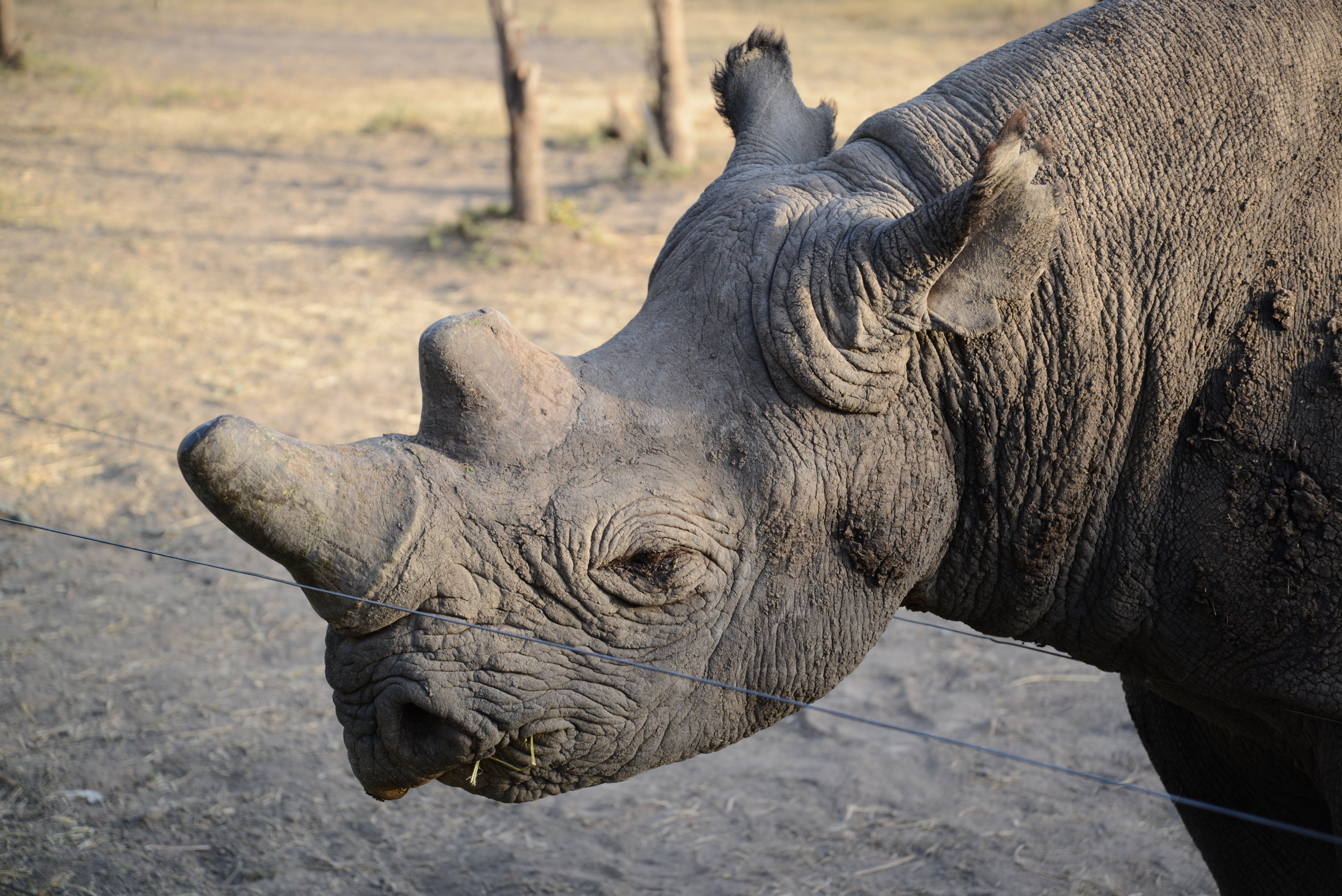
Stand on the rim of the Ngorongoro Crater in the early morning and you will see the whole bowl spread out below, mist lifting off the floor like steam from a teacup. From the top of the access road, the view takes in the entire crater at once. Then you descend, switchback by switchback, to the base, where zebras, buffalo, lions, and black rhino live inside one enclosed world.
A short note before you book: Since October 31, 2025, the State Department has rated Tanzania Level 3, Reconsider Travel, citing unrest, crime, terrorism, and the targeting of gay and lesbian individuals. Families are still going. I plan Tanzania only with careful routing and backup plans. I recheck the advisory before every booking.
Uganda: Tea Country and a Trip to Save for Later
Few people think of tea when they picture Uganda, yet its western hills roll with emerald plantations that look combed by hand. Nearby forests hold chimpanzees. Uganda is one of the few places on earth where teens can trek to see mountain gorillas.
For now, I am holding Uganda for later. In 2026, the State Department raised its advisory to Level 4, Do Not Travel, tied to an Ebola outbreak centered in the neighboring Democratic Republic of the Congo. I will tell you the moment that changes.
Beyond the Game Drive: Wonder Between Safaris
The safari is the heartbeat of the trip, but the days around it can hold as much wonder. These are the places I love to weave in before or after the bush.
Victoria Falls
Locals call it Mosi-oa-Tunya, the Smoke that Thunders. You will understand why long before you see it. The roar reaches you first. Then comes the mist, drifting over the treetops like smoke from a forest fire. On the path along the edge, the spray soaks everyone within minutes. The kids shriek as rainbows form in the air beside them.
The falls straddle the border of Zambia and Zimbabwe. This makes them an easy add-on to a Botswana safari. You may want to stand at the viewpoints for hours, watching the Zambezi River crash into the gorge below.
Madagascar’s Avenue of the Baobabs
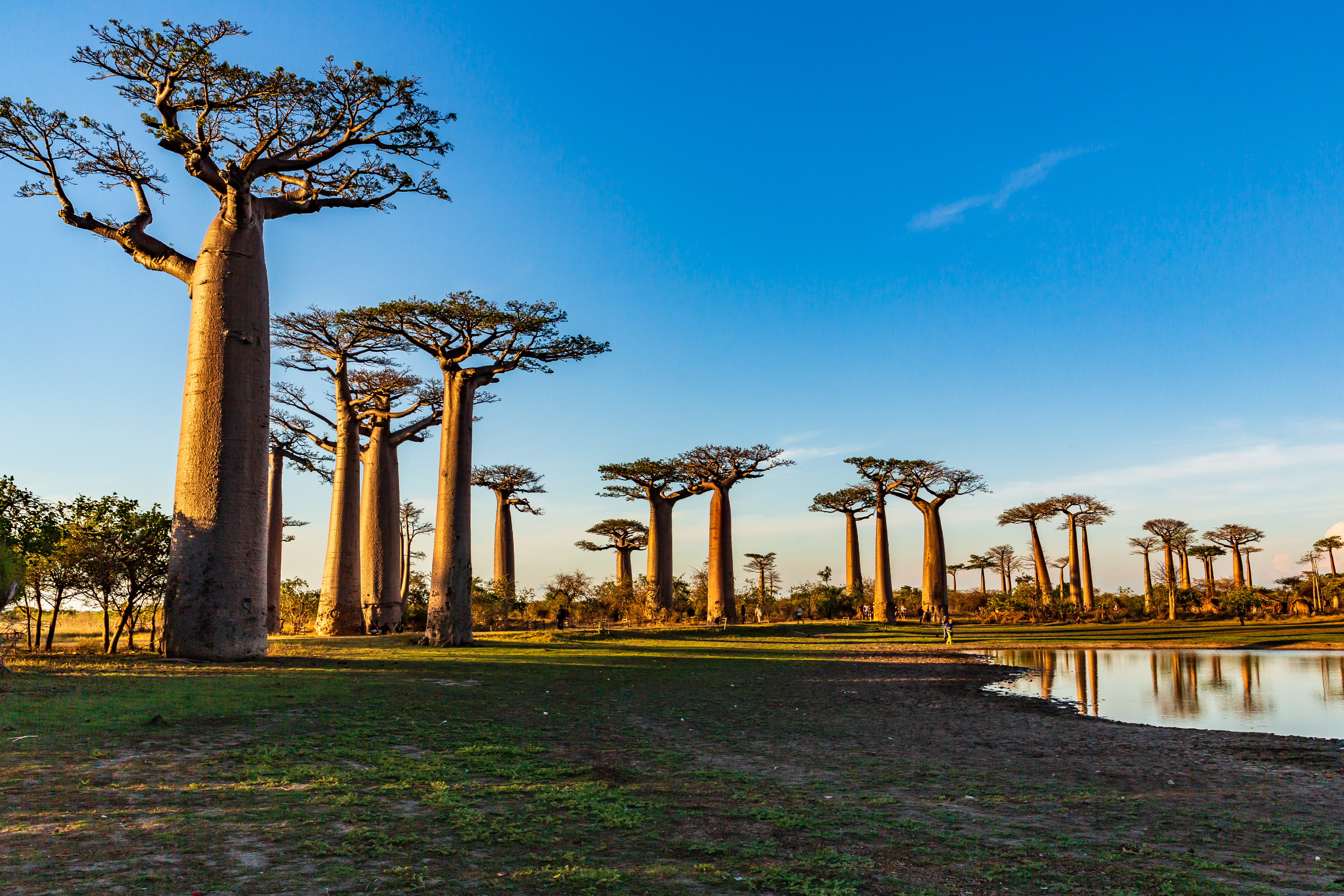
Along a red dirt road in western Madagascar, giant baobab trees stand in a row like the columns of an ancient temple. At sunset, the trunks turn copper and pink. Their bare branches look like roots reaching for the sky. In the dry forests nearby, families can watch lemurs leap between branches, wide-eyed and impossibly agile.
Madagascar is a long journey and suits adventurous families with older children. Some regions carry stronger travel warnings than others. I check the guidance area by area before planning any family vacation there.
North Africa for History-Loving Families
For the child who reads about pharaohs under the covers with a flashlight, North Africa turns those pages into stone, gold, and sand.
Chefchaouen and the Cities of Morocco
Most families who visit Morocco head straight for Marrakesh and Fez. Fewer make the drive into the Rif Mountains to Chefchaouen, where nearly every wall, staircase, and doorway is washed in shades of blue. The town is calmer than the big medinas. Kids love chasing each other up the winding lanes while cats nap on painted steps. If your family wants a slower pace than the crowded souks, this is where you will find it.
Egypt and the Grand Egyptian Museum
Near the Pyramids of Giza, the Grand Egyptian Museum gives kids a front-row view of King Tutankhamun’s treasures, including his golden burial mask. Pair it with a sail on the Nile and an evening with a Nubian family in Aswan, and history stops feeling like homework. October through April brings the most comfortable temperatures for exploring.
How Do You Plan a Safari and Beach Family Vacation?
After a week of 5 a.m. wake-up calls, sand between the toes feels like a reward. A safari and beach family vacation lets everyone come down slowly, swapping binoculars for snorkel masks.
Zanzibar and Stone Town
Wander Stone Town’s narrow lanes, and every turn reveals another carved wooden door studded with brass. The old merchant houses here were built from soft coral stone. The whole town feels like a puzzle your children get to solve one alley at a time. Stop at the market stalls, breathe in the cloves and cinnamon, and let the kids pick a treasure to bring home.
Mozambique’s Bazaruto Archipelago
Off southern Mozambique, the Bazaruto Archipelago is a string of islands where the water shifts from turquoise to deep sapphire. Snorkel here and you may glide above a sea turtle grazing on seagrass. With luck, you may spot a dugong, a gentle sea cow that few travelers ever see in the wild.
La Digue in the Seychelles
In La Digue, most families get around by bicycle. You pedal along the coast from one cove to the next, granite boulders glowing pink in the afternoon light. Keep an eye on the road, though. Giant tortoises love to plant themselves in the middle of it and refuse to move. It will quickly become your children’s favorite traffic jam.
Choosing Your Beach by Season
Here is the detail most families miss: Summer break in the United States is winter on South Africa’s Cape. July is lovely for whale watching and beach walks, but not for swimming. For warm water during those months, head to Mauritius, Mozambique, or Zanzibar instead.
The water itself matters, too. South Africa’s coastline tends to bring rolling breakers that suit confident swimmers. Mauritius and Zanzibar are largely ringed by coral reefs, which create calm lagoons where a five-year-old can float in a ring while Grandpa wades nearby.
Safari With Kids: Ages, Rules, and Real Expectations

The question I hear most from parents planning a safari with kids is not where to go. It is when their children will be ready.
What Is the Best Age for a Family Safari?
If you can choose, the best age for a family safari is somewhere between eight and twelve. At that age, children can sit through a three-hour drive, follow a guide’s explanation of animal tracks, and fill a field journal with sketches of every bird they spot. They are old enough to remember it all, and young enough to squeal when a baby elephant trips over its own trunk.
That said, I have planned beautiful trips for toddlers and teens alike. The key to a family safari in Africa with young children is matching the destination and the style of camp to your youngest traveler, not your oldest.
What Is the Minimum Age for Game Drives?
There is no universal law that sets a minimum age for game drives. Each lodge sets its own rules, and they vary more than most parents expect.
Toddlers and Little Ones
Many lodges keep children under six off shared open vehicles, partly for safety and partly out of courtesy to other guests. The answer is a private vehicle, where your guide can shorten the drive, stop for snacks, and head back the moment someone gets cranky. Fenced lodges and dedicated kids’ programs add another layer of comfort. Little ones shape clay animals or learn to read footprints while you enjoy a sundowner.
Tweens and Teens
Older kids open the door to new adventures. Walking safaris usually start somewhere between ages 12 and 16, depending on the lodge. Hot air balloon flights often require children to be at least seven. Gorilla and chimpanzee treks set the bar at 15, which makes them a rite of passage for teens when conditions allow. A teenager who walks through the bush beside a tracker, reading bent grass and fresh prints, comes home a little taller.
Planning a Safari With Grandparents
A safari with grandparents is not a regular safari with older travelers added in. It is a trip designed so nobody has to keep up with anybody else.
One Trip, Three Speeds
Picture the afternoon. Grandma is napping on a shaded deck, a novel open on her lap. The kids are splashing in the pool while a camp host keeps watch. Mom and Dad are out on a longer photography drive, chasing the evening light. Nobody is compromising, and everyone is happy.
That is the secret to a multigenerational family safari in Africa: Build in flexibility from the start. Splitting into two activities lets each generation keep its own schedule.
A full rest day at the lodge between park transfers gives small children and grandparents time to recover. I also look for step-free paths, easy vehicle access, interconnecting rooms, and menus that please both a picky seven-year-old and a grandfather with dietary needs.
Practical Answers Before You Go
When Is the Best Time for a Family Safari in Africa?
For most of East and Southern Africa, the dry season runs from about June through October. The grass is short, animals gather at shrinking waterholes, and they are far easier to spot. Happily, that window lines up with American summer break, which makes it the best time for a family safari for most school-age travelers.
Traveling over winter or spring break instead? Look toward South Africa, where game viewing stays strong year-round. For peak summer dates, plan a year or more ahead, since the most family-friendly camps fill early.
Don’t want to leave the US right now? Check out where to go on safari in the US.
Is It Safe to Take Kids on Safari?
Is it safe to take kids on safari? With the right guide and the right camp, yes. Safari guides are trained professionals who read animal behavior the way you read your children’s moods. They know when an elephant is curious and when it wants space. Inside the vehicle, the rules are simple: Stay seated, keep arms inside, and use your whisper voice.
Paperwork to Start Early
South Africa’s Unabridged Birth Certificate Rule
South Africa requires every minor flying in or out to show an unabridged birth certificate, the long-form version listing both parents, along with a passport. If only one parent is traveling, bring a signed affidavit of consent from the other. Order these documents from your state’s vital records office well in advance. Arriving without them can mean being turned away.
Kenya’s eTA for Every Traveler
Kenya replaced its visa with an Electronic Travel Authorization in January 2024. The rule covers children under 16, who used to be exempt. Apply online through the official government portal at least three days before departure. Print each approval, since some airlines ask to see it before boarding.
Health Prep for the Whole Family
Schedule a travel clinic visit for every generation four to six weeks before departure. Many safari regions carry malaria risk, which means preventive medication for anyone who can safely take it. Some countries also require proof of yellow fever vaccination, depending on your route. Pack insect repellent, long sleeves for evening drives, and every medication the grandparents need, with extras in carry-on bags.
Are You Ready to Start Planning Your Family Safari in Africa?
Close your eyes for a moment. Hear the engine fall silent. Feel the cool morning air on your arms and the warm weight of a sleepy child leaning against your shoulder. Somewhere ahead, a lion yawns in the golden grass, and three generations of your family lean forward at once.
You do not have to figure out the camps, the flights, the paperwork, or the pacing. That is my job, and I love it.
Are you ready to start planning the trip your family will talk about for decades?
If you said yes, I would like to invite you to click here to schedule a personalized family vacation planning session with me. Clicking the link will take you directly to my digital calendar to schedule a time that is convenient for you.
Not ready for a personalized family vacation planning session yet? Sign up for my newsletter and continue to receive all the travel information I share.

Tracy is the owner of Elite Travel Journeys, a luxury travel agency dedicated to crafting extraordinary, memory-making journeys for families, multigenerational groups, empty nesters, and solo female travelers. A proud military veteran and President of the Central PA Chapter of ASTA, Tracy brings both discipline and deep passion to everything she does. With a particular love for river cruising, especially Europe’s enchanting Christmas Markets, she has been turning travel dreams into life-changing experiences since 2014. Tracy believes that extraordinary travel doesn’t just take you somewhere new; it changes who you are.
Enter your Name and best Email Address to receive
On Your Next Family Vacation
We respect your privacy and will never share or sell your information.
3 Ways to See It All in Alaska


On Your Next Family Vacation
Click here for 10 Exciting Family Adventures
You Can Plan
NOW