
How to Honor Hawaiian Culture and Traditions on a Multigenerational Hawaii Trip
Your mother bows her head at the airport curb, a plumeria lei settles onto her shoulders, and your eight-year-old asks the question nobody in your family can answer: “Do we get to keep it forever?” That small moment holds the whole challenge of a Hawaiʻi family vacation. You want three generations to fall in love with these islands, and you want them to do it with respect. Hawaiian culture and traditions are not a show staged for visitors. They are a living way of life. The families who arrive knowing a little of it are the ones who get welcomed in.
Here is everything I want you to know before your multigenerational Hawaiʻi trip begins, from the meaning behind that lei to the festivals worth planning around.
How to Honor Hawaiian Culture and Traditions on a Multigenerational Hawaii Trip
Why Hawaiian Culture and Traditions Matter on a Multigenerational Hawaiʻi Trip

A Living Culture, Not a Backdrop
Picture the first Polynesian voyagers more than a thousand years ago, reading stars and ocean swells from double-hulled canoes. They carried plants, stories, and a worldview that saw land and people as one family. That worldview survived a hard history. Hula was banned. The language was pushed out of schools. Then, beginning in the 1970s, the Hawaiian Renaissance brought chant, canoe voyaging, and ʻŌlelo Hawaiʻi back into daily life.
What you see today is the fruit of that revival. It lives in the street names, the songs schoolchildren learn, and the way a cashier says mahalo. The simplest advice I give every family is this: In Hawaiʻi, you are a guest in someone’s home. Respectful travel in Hawaiʻi means behaving the way you would hope a guest behaves in yours.
That is why understanding Hawaiian culture and traditions belongs on your list of things to know before visiting Hawaiʻi, right beside flights and packing.
How to choose which Hawaiian Island is best for your family vacation.
Hawaiian Traditions and Local Traditions Share One Table
Over the last two centuries, families from Japan, China, the Philippines, Portugal, Korea, and beyond made these islands home. Their customs blended with Native Hawaiian ones into what residents call local culture. Knowing the difference helps your family see each tradition clearly.
Stand in line at a Honolulu fish market before sunrise on December 31 and you will feel it. Families crowd the counters for sashimi and ahi, because raw fish on New Year’s Eve is a beloved local custom with Japanese roots. Arrive early, since markets often sell out by midmorning. It is a treasured island tradition, though not a Native Hawaiian one.
The same recognition helps at a lūʻau. Fire knife dancing thrills every grandchild, yet it comes from Samoa, not Hawaiʻi. Enjoy it fully and let your kids know whose story they are watching.
More New Year’s Eve traditions to be aware of when planning your family vacations.
The Hawaiian Values Your Family Will Feel Before You Can Name Them
Every one of the Hawaiian culture and traditions you will experience grows from a handful of values. Learn these first, and the rest of the islands start to make sense.
Aloha Spirit Meaning, Beyond Hello and Goodbye
Your teenager will notice it first. A crowded beach park, one outdoor shower, and a line of strangers waiting their turn with easy smiles. No one rushes. Someone waves the grandmother with sandy feet to the front.
That is aloha in action. Visitors learn the word as a greeting, yet the aloha spirit meaning runs far deeper: Presence, kindness, compassion, and care for others. Hawaiʻi wrote it into state law in 1986, naming the Aloha Spirit a guiding principle for government and citizens alike. Slowing down to match that pace is the first gift your family can give back.
ʻOhana Meaning and the Honored Place of Kūpuna
The ʻohana meaning is family in its widest sense. Close friends, neighbors, and the aunties who feed you at a backyard party all belong. That inclusiveness is why first-time visitors often leave feeling adopted.
At the center of that circle sit the kūpuna, the elders. Their wisdom guides the family, and their presence is honored at every gathering. You will hear children call any respected older person “Aunty” or “Uncle,” with no blood tie at all.
Picture your granddaughter at a roadside lei stand on Kauaʻi. “Mahalo, Aunty,” she says, and the lei maker’s face softens into a grin. For a multigenerational family, this value is a gift. It invites your children to see their own grandparents the way Hawaiʻi sees its elders.
Kuleana and Mālama Hawaiʻi, Where Respect Becomes Action
Kuleana has no tidy English twin. It holds privilege and responsibility together: The honor of being here, and the duty that comes with it. Residents have found that when visitors understand the reasons behind island customs, most gladly follow them.
Mālama means to care for. Through the state’s Mālama Hawaiʻi program, visitors can join volunteer projects with local nonprofits and community groups, from planting native trees to restoring coastline.
Picture three generations barefoot in a loʻi kalo, a taro patch, the mud cool and silky around their ankles. Grandpa pulls weeds with slow, steady hands. Your son discovers a tiny crab. A community guide explains that Hawaiians regard the taro plant as an elder sibling, which is why caring for it matters. That morning will outlast every souvenir in your suitcase.
Hawaiian Etiquette for Visitors of Every Age
Good manners here are rarely complicated. Most Hawaiian etiquette for visitors comes down to noticing, asking, and following your host’s lead.
Lei Etiquette From the Airport Curb to the Last Morning

Receiving and Wearing a Lei
A lei is aloha you can wear. Locals give them for graduations, birthdays, retirements, and welcomes. This is why your family may receive several during one stay.
Good lei etiquette starts with gratitude: Accept the lei with a smile, along with the hug or cheek kiss that often comes with it.
Wear it draped over your shoulders, half in front and half down your back. Keep it on while the giver is with you, since removing it in their presence can feel like refusing the gift. If someone in your group is expecting a baby, she should receive an open lei, untied at the ends. Tradition holds that a closed lei brings bad luck to the baby.
What Makes a Lei a Lei
A true lei is made from materials grown in Hawaiʻi: Flowers, leaves, seeds, nuts, or shells. A silk garland or imported orchid strand may look pretty, but it does not carry the same meaning. Maile vine, ti leaf, and kukui nut lei are favorites for men and boys, which gives every member of the family something to wear.
Letting Your Lei Go
Fresh lei hold their fragrance longer in the refrigerator. Your kids will love opening the door to that perfume each morning. When the flowers fade, never toss a lei in the trash. That gesture throws away the giver’s affection. Remove the string if you can, since it can harm wildlife, then return the blossoms to the land or the sea.
Remember the eight-year-old at the airport? On your last morning, he can wade into the shallows and scatter his faded petals on the water. He won’t keep the lei forever. He will remember giving it back.
Greetings, Cheek Kisses, and A Hui Hou
Among friends and family, a hug and a kiss on the cheek often open and close a gathering. With new acquaintances, follow their lead. A warm handshake and a smile are always welcome. When you part, you will hear “a hui hou,” meaning until we meet again. It is a gentler goodbye than “see you,” and your kids will love saying it.
Slippers at the Door and a Dish in Your Hands
Walk up to almost any home in Hawaiʻi and you will find a jumble of slippers by the door. That is what locals call flip-flops. They stay outside, keeping sand and red dirt out of the house. If you are invited to a gathering, bring a small dish to share. A large family is expected to bring a little more.
Sacred Sites, Kapu Signs, and Little Rock Collectors
Every island holds heiau, ancient temple sites built of stacked stone. Treat them as you would a church or a cemetery: Stay on the path, keep voices low, and never climb the walls. A sign reading kapu means forbidden or sacred. Do not enter.
Now picture your seven-year-old at a black sand beach, pockets heavy with smooth volcanic stones. Gently empty them before you leave. Hawaiʻi Volcanoes National Park receives packages of returned rocks from regretful visitors every week. Skip the leaf-wrapped stones you may see left at sacred sites, too. Those “offerings” from visitors have become litter, not tribute.
How to cruise the Hawaiian Islands to see more sacred sites during your family vacation.
Caring for the Reef and the Shoreline
Respect extends into the water. On Maui, Lānaʻi, and Molokaʻi, county law allows only mineral sunscreens made with zinc oxide or titanium dioxide. Hawaiʻi Island has a similar rule. Pack a mineral lotion or stick for everyone, from toddler to grandparent.
Give resting honu, the green sea turtles, plenty of room. If a stretch of sand is roped off, a Hawaiian monk seal is likely napping there. Turn it into a family game: Who can spot wildlife first without getting close?
Hawaiian Words to Know Before You Land
The Story of ʻŌlelo Hawaiʻi
ʻŌlelo Hawaiʻi, the Hawaiian language, arrived with those first voyagers. For centuries it lived as a spoken language of chant, story, and genealogy. After missionaries arrived in 1820, a written form took shape. Hawaiians embraced reading with remarkable speed. By the mid-1800s, the kingdom was one of the most literate nations on earth.
Then came loss. After the overthrow of the Hawaiian Kingdom in 1893, an 1896 law made English the only language of instruction in schools. Within a few generations, few children grew up speaking Hawaiian at home.
Is Hawaiian still spoken today? Yes. Hawaiian became an official state language in 1978. Immersion schools across the islands now raise new generations of fluent speakers. Your family will hear it in music, on the radio, and on every road sign.
A Starter Vocabulary for the Whole Family
Picture your father on the flight over, practicing under his breath until he has it. You already know aloha, ʻohana, and kūpuna. Add these Hawaiian words to know:
- Mahalo: thank you
- E komo mai: welcome, come in
- Keiki: children
- ʻOno: delicious
- Pau: finished
- Mauka: toward the mountains
- Makai: toward the sea
- Kāne and wahine: man and woman, handy on restroom doors
Mauka and makai are how locals give directions. Your kids will feel like insiders using them.
Pronounce every vowel, and treat the ʻokina as a quick catch in the breath, like the pause in “uh-oh.”
Trying earns smiles. You will also hear Pidgin, the lively local creole. Enjoy listening, but leave speaking it to residents, since imitating it can come across as mocking.
Hawaiian Cultural Experiences for Families That Honor the Source
The richest Hawaiian cultural experiences for families invite you to take part, not only watch. This is where Hawaiian culture and traditions come alive for every age in your group.
Hula as Storytelling

Watch a dancer’s hands. They become rain falling on a valley, a flower opening, waves rolling toward shore. Hula is a language, and every movement carries meaning.
It has survived a great deal. In 1830, Queen Regent Kaʻahumanu, influenced by missionaries, banned public hula. King David Kalākaua brought it back into the open during his reign, which began in 1874, calling hula the language of the heart.
Today you will see two main forms. Hula kahiko is the ancient style, performed to chant and drum. Hula ʻauana is the modern style, with ukulele, guitar, and flowing motion.
Many families take a beginner lesson together, where kids learn a few hand motions and the story behind them. Mastering the art takes years of training in a hālau, a hula school, under a kumu hula, a master teacher. This is Hawaiian culture for families at its most incredible moment: Grandmother and granddaughter telling the same story with their hands.
Chants That Carry a Genealogy
Long before writing, Hawaiians kept their history in oli, or chant. One revered example is Ea Mai Hawaiʻinuiākea. It is a genealogy chant tracing the birth of the islands themselves and the divine origins of early chiefs. Chants like this affirm that people and land share one family line. Hearing one at dawn, a single voice rising over the surf, will quiet even your busiest teenager.
Historic Sites That Hold the Story
Every island has places where history still feels close. In Honolulu, ʻIolani Palace was home to Hawaiʻi’s last reigning monarchs, King Kalākaua and Queen Liliʻuokalani. Kids are wide-eyed to learn it had electric lights before the White House did.
Nearby, Mauna ʻAla, the Royal Mausoleum, is a hushed resting place for Hawaiian royalty.
On Hawaiʻi Island, Puʻuhonua o Hōnaunau National Historical Park preserves an ancient place of refuge. A person who broke a kapu could escape punishment by reaching its walls. Walk the grounds as late sun warms the lava rock and carved wooden figures stand watch over the bay.
Choosing a Lūʻau With Care
A lūʻau is a feast. A good one honors Hawaiian food and story. Kālua pig from an underground imu, poi, laulau, and coconut haupia belong on the table.
When I choose a lūʻau for a family, I ask a few questions.
- Does the program tell Hawaiʻi’s own story, or a pan-Polynesian revue?
- Are cultural practitioners part of it?
- Is there time for keiki to try games or crafts before dinner?
The answers shape an evening your family will retell for years.
Aloha Wear and Aloha Friday
You will notice it on your first Friday. Bankers, teachers, and attorneys stride downtown in bright floral shirts and flowing muʻumuʻu dresses. Aloha wear is business attire here, and Friday is its day to shine.
Pack one aloha shirt or dress for each person and plan a family photo. Grandparents especially love this one.
Hawaiian Festivals Worth Planning Your Trip Around
Timing your trip to a celebration lets your family experience Hawaiian culture and traditions shared by the community itself.
Makahiki Season, November Through February
When Makaliʻi, the Pleiades star cluster, rises at sunset in late fall, Makahiki season begins. Ancient Hawaiians set aside war for roughly four months to honor Lono, the god of peace, rain, and abundance. Communities gathered for feasting, hula, and games of strength and skill.
Today, Makahiki celebrations across the islands invite visitors to play along. Your kids might try ʻulu maika, a stone-rolling game, while grandparents cheer from the shade. For a winter visit, this season adds meaning to every gathering.
Lei Day Every May 1
In Hawaiʻi, May Day is Lei Day, a tradition reaching back to the late 1920s. On Oʻahu, the City and County of Honolulu hosts a celebration at Queen Kapiʻolani Park, rain or shine, with hula, live music, lei-making, and a contest of astonishing handmade lei.
The next day, contest lei are laid at Mauna ʻAla to honor Hawaiʻi’s aliʻi, its royalty. Hilo and Kauaʻi host their own observances, too.
Merrie Monarch Week in Hilo
The Merrie Monarch Festival honors King Kalākaua and fills Hilo each spring, the week after Easter. Hālau from across Hawaiʻi and beyond compete in the most respected hula competition in the world. Competition seats are hard to come by, and the town books up early. Plan well ahead. Daytime craft fairs, exhibitions, and a royal parade let your family soak in the energy beyond the stadium.
Summer and Fall Celebrations
- King Kamehameha Day, June 11: Honors the king who united the islands, with lei-draping ceremonies and parades.
- Prince Lot Hula Festival, July: The largest noncompetitive hula event in Hawaiʻi, held at a historic royal site in Honolulu.
- Aloha Festivals, September: Floral parades, music, and cultural celebrations on Oʻahu.
What Has Changed for Visitors to Hawaiʻi in 2026
Visiting Lahaina With a Gentle Heart
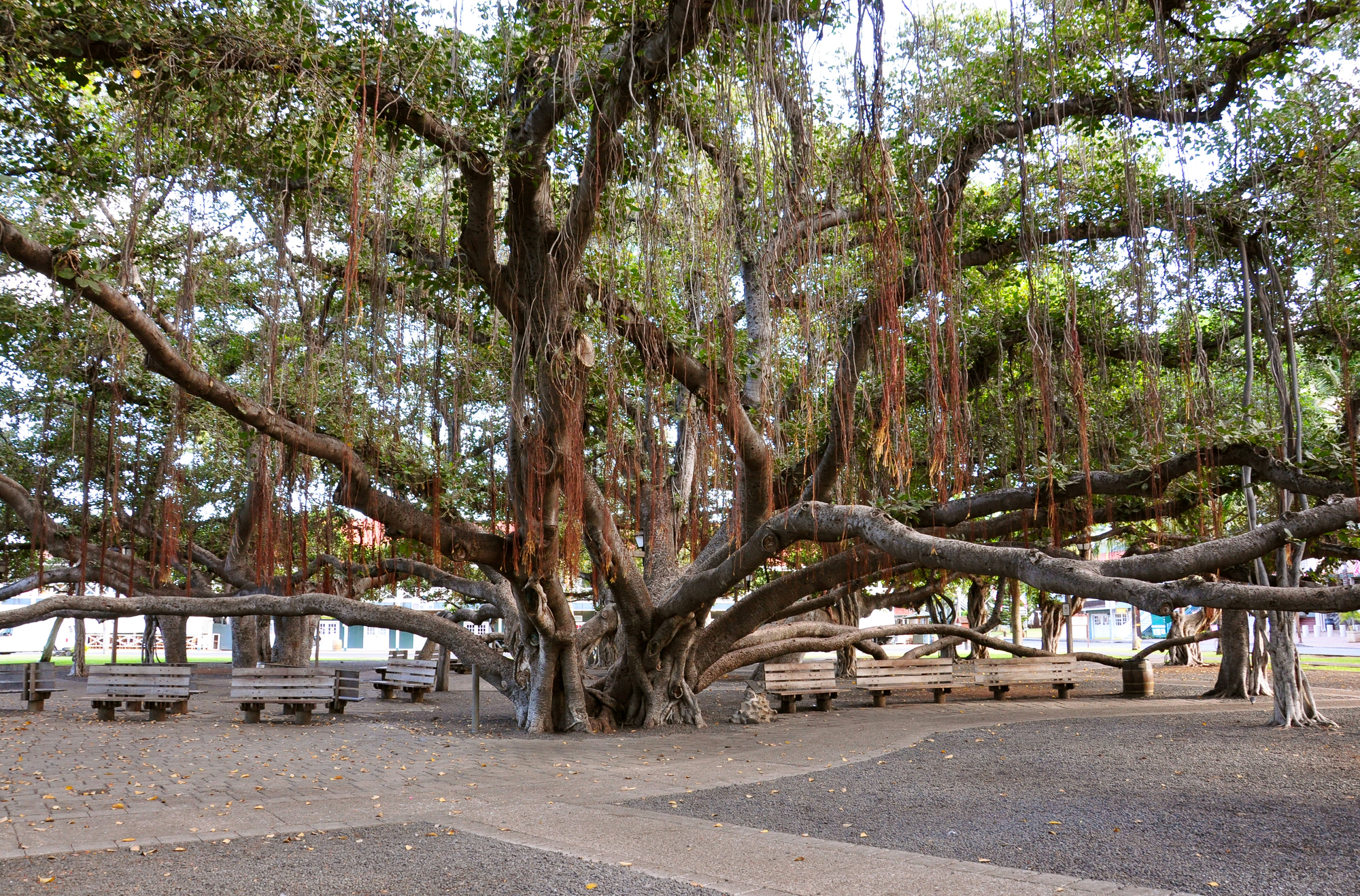
Lahaina is rebuilding after the 2023 wildfire, and the community asks visitors to move with care. Front Street reopened to vehicle traffic on August 1, 2026, but much of the historic town has not yet been rebuilt. For many residents, it remains a place of remembrance rather than a sightseeing stop.
Please do not drive through to view or photograph fire damage. Support West Maui instead by spending at local businesses that have reopened and welcome visitors. Recovery news changes quickly. I check the latest county updates before every Maui itinerary I build.
How Your Stay Quietly Gives Back
Since January 1, 2026, part of Hawaiʻi’s lodging tax, known as the Green Fee, has gone toward conservation, climate resilience, and the protection of beaches and reefs. Every night your family sleeps here now helps care for the places you came to see. It is mālama, built right into your stay.
Carrying the Lessons Home
Preparing Kids for Hawaiian Culture and Traditions Before You Fly
The best trips begin at the dinner table weeks before departure. Teach one Hawaiian word each night and let the kids quiz Grandpa. Read a picture book about Hawaiʻi together. Ask the grandparents what respect looked like in the homes they grew up in, then talk about how it echoes kuleana.
Before you leave, write a short family pledge together: Listen before we speak, take only photos and memories, and leave every place better than we found it. Children who arrive prepared never feel like outsiders. They feel like guests who were expected.
You have spent the year deciding everything for everyone. Let this be the trip where someone else holds the details. Your only job is to watch your mother’s face when that first lei settles onto her shoulders.
Are you ready to start planning a Hawaiʻi family vacation where Hawaiian culture and traditions shape every moment, for every generation?
If you said yes, I would like to invite you to schedule a planning session with me by clicking here. This will take you directly to my digital calendar. You can easily schedule a time that is most convenient for you.
And if you are not quite ready to start the planning process, you can sign up for my newsletter here. This will ensure you receive all the travel information I share as you prepare for your next family vacation!

Tracy is the owner of Elite Travel Journeys, a luxury travel agency dedicated to crafting extraordinary, memory-making journeys for families, multigenerational groups, empty nesters, and solo female travelers. A proud military veteran and President of the Central PA Chapter of ASTA, Tracy brings both discipline and deep passion to everything she does. With a particular love for river cruising, especially Europe’s enchanting Christmas Markets, she has been turning travel dreams into life-changing experiences since 2014. Tracy believes that extraordinary travel doesn’t just take you somewhere new; it changes who you are.
Enter your Name and best Email Address to receive
On Your Next Family Vacation
We respect your privacy and will never share or sell your information.
3 Ways to See It All in Alaska

On Your Next Family Vacation
Click here for 10 Exciting Family Adventures
You Can Plan
NOW