Galapagos Family Vacation Guide: The Trip Your Kids Will Talk About for Years
You can spend eleven months planning a family trip and still lie awake the night before, wondering if you have made a mistake. That is the strange, wonderful truth of all trips, including a Galapagos family vacation. A Galapagos trip is one of the most researched trips a parent will ever book. And it is one of the most rewarding. Especially, the moment you are standing on black lava sand, watching your child laugh at a sea lion instead of a screen, salt still drying on their shoulders from the last swim. I have planned this trip for families talking about the Galapagos with kids for the first time, second guessing every choice down to the stroller. I’ve also planned it for families coordinating three generations, hip replacements and homework schedules landing in the same email thread. What I tell every one of them is the same thing: The hesitation always fades the second the wildlife shows up.
Galapagos Family Vacation Guide: The Trip Your Kids Will Talk About for Years
Is This the Right Trip for Your Family?
This is the question I hear the most when someone is considering taking their family to the Galapagos Islands.
Last spring, a mother called me two weeks before her deposit was due and asked if she could still back out. Her daughter was seven. Her son was eleven. She had read a forum post about rough water crossings and could not stop picturing the worst version of the trip.
Underneath the question she asked, book a refund or not, sat the real one: Is Galapagos safe for kids? Or is this simply too remote, too wild, too far from home for a family like ours?
I hear some version of it tucked inside almost every conversation I have, whether the parent says it out loud or not.
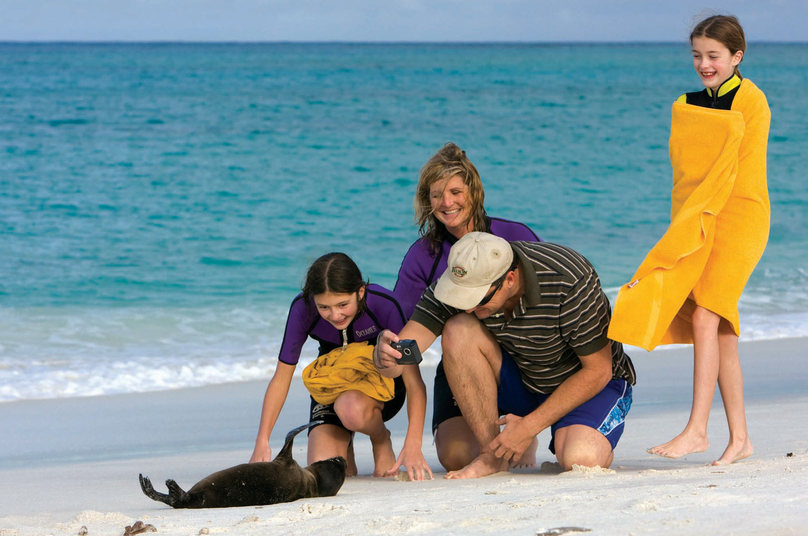
Here is what I told her, and what I will tell you. The islands are one of the most tightly regulated destinations on earth. Visitor numbers are capped. Guides are certified naturalists who train for years before leading a group. And the wildlife has evolved with almost no fear of people. This means the animals move slowly, calmly, and predictably around your children rather than the other way around.
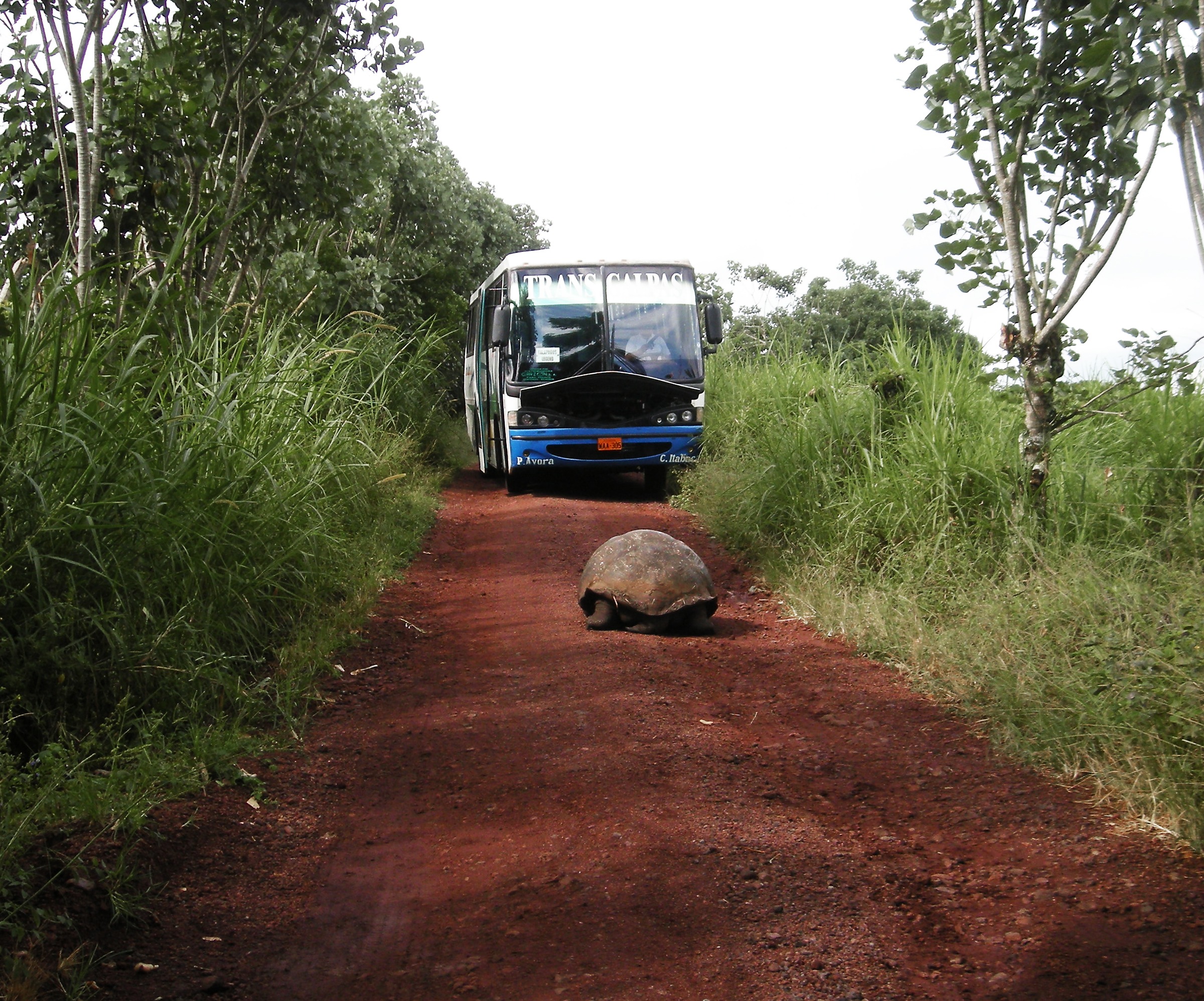
A giant tortoise will not startle. A sea lion pup will not bolt. The danger you are picturing in your head, the one that keeps you up at night, simply does not match the reality on the ground.
What Changes Once You Land
That mother booked her trip. A month later she sent me a photo of her son standing knee deep in the shallows, a marine iguana sunning six feet away, entirely unbothered by the boy staring back at it. She told me the moment she stopped worrying was the moment she watched her daughter kneel down to look a tortoise in the eye instead of reaching for a phone.
What matters more than safety is how the trip is planned. A Galapagos family vacation rewards curious kids, flexible schedules, and a willingness to trade air conditioning and room service for salt air and early mornings.
If that sounds like your family, you are already halfway to booking. The rest of this guide will show you exactly what to expect once you do.
What a Galapagos Family Vacation Looks Like, Age by Age
No two ages experience these islands the same way. Pretending otherwise is how families end up disappointed. Here is what unfolds at each stage of childhood, told the way it happens rather than the way a brochure promises it will.
Traveling with Toddlers and Little Ones
Your toddler will not remember the tortoise. You will remember it for both of you, and that is enough. Little ones tend to sleep through boat transfers, lulled by the engine hum and the rocking. They then wake with salt spray on their cheeks to a shoreline that looks nothing like anywhere they have been before. They splash happily in shallow tide pools, chase crabs that skitter sideways across black rock, and point wide eyed at pelicans folding their wings mid dive.
Keep the days shorter than you think you need to. Protect naps like they are sacred. And let the islands handle the rest. They will.
Elementary Age Explorers
This is the golden window. A nine-year-old will plant themselves in front of the oldest tortoise on the trail and ask forty questions without pausing for breath. Why does its shell look cracked in places? How old is the oldest one here? Can it hear me right now?
A good naturalist guide answers every single one, patiently, and something shifts in a kid this age when an adult treats their curiosity as worth a real answer instead of a quick brush off. They absorb the islands like sponges, and science comes alive in a way no classroom worksheet could ever manage.
Tweens and Teens Who Want Real Adventure
Somewhere around a snorkeling site, a fourteen-year-old who has not looked up from a phone in months will surface with wide eyes, having just swum alongside a sea turtle close enough to see its shell ripple in the current. That moment, the one where the phone stays forgotten in a dry bag for the rest of the afternoon, is worth the entire trip on its own.
Older kids and teens want movement. Longer hikes that leave their legs sore in the good way, deeper snorkeling routes. The physical thrill of kayaking past a colony of marine iguanas piled on the rocks like something out of a nature documentary.
Give them that, and this becomes the trip they bring up unprompted years later, at a family dinner, out of nowhere, still grinning about it.
Galapagos Family Cruise or Land Based Adventure: Choosing Your Trip Style
Every family asks me this eventually, and there is no single right answer. There is only the right answer for your family, your patience levels, and the ages you are traveling with.
What a Galapagos Family Cruise Feels Like
Picture this. You fall asleep to the gentle rocking of the boat. The itinerary is already handled. Your suitcase was unpacked exactly once for the whole trip. You wake up to a porthole framing an island you were not anchored near the night before. And by the time breakfast is cleared, you are already in the water snorkeling before the day gets hot.
A Galapagos family cruise suits families who want maximum wildlife variety without the logistics of moving hotels every few days. It works especially well for a wide age range, since ships often build in separate activity levels so a grandparent and a seven-year-old are not forced onto the same hike.
How to choose between a Galapagos cruise and island hopping for your family vacation.
What Land Based Galapagos Family Tours Feel Like
Land based Galapagos family tours trade the rocking boat for solid ground and a slower, steadier rhythm. You wake up in the same bed each morning, which matters enormously to a toddler who falls apart without routine. Plus, you get evenings free to wander a small-town square, share a meal at a table that does not sway, and let older kids stretch restless legs after a long day of hiking.
It is the better fit for families who get seasick, or who simply prefer roots over constant movement. You have one home base each night instead of a new anchor point every morning.
Planning a Multigenerational Galapagos Trip
Picture grandparents on the flat trail toward the Wall of Tears, moving at their own steady pace, walking sticks tapping lava rock. All while grandkids race ahead toward the tunnels calling back updates on what they can see.
Somewhere in the middle, parents catch both moments at once, half watching the kids, half slowing to walk alongside their own parents. That is a multigenerational Galapagos trip in a single scene. It is one of the most rewarding versions of this journey I plan.
A Trail with Room for Every Pace
Three generations rarely move at the same speed or want the same day. A Galapagos family vacation makes peace with that better than most destinations.
Choose excursions with built in flexibility. A shorter walking option alongside the longer hike. A glass bottomed boat for anyone who would rather watch the reef than snorkel through it. And a bench at the halfway point instead of a forced march to the summit.
I once watched a grandfather teach his granddaughter to identify a frigatebird by its silhouette alone, the two of them sitting out a hike neither wanted while the rest of the family pushed on ahead.
Nobody has to sit out the trip entirely. Everybody comes home with their own version of the same story.
Best Time to Visit the Galapagos with Family
Forget the four seasons you know from home. The islands run on just two, and understanding them changes how you pack, how you plan, and how comfortable your family feels every single day of the trip.
The Two Seasons, and What They Really Feel Like on the Ground
From roughly December through May, warm rain arrives fast and drenches everything for twenty minutes. It clears just as quickly, leaving behind bright sun, calm seas, and a sky rinsed clean. Kids splash straight through the downpour and are dry again before lunch. The rest of the year brings a cooler, mistier feel, with a fine drizzle locals call garua settling over the highlands even on days that look perfectly clear from the coast. It is the kind of soft gray light that makes a tortoise’s shell glisten.
Temperatures barely shift year-round and hover near 75 degrees. So, the real difference is texture and light rather than heat.
Choosing Your Window Around School Breaks and Crowds
The best time to visit the Galapagos with family often comes down less to weather and more to your school calendar. Warmer, sunnier months between December and May tend to draw bigger crowds during holiday breaks. The trails are a little busier and the boats a little fuller.
If flexibility is on your side, shoulder season weeks sitting just outside peak school vacations give you calmer trails and easier wildlife viewing. There are the same sea lions and the same tortoises. Just fewer people between you and them.
What to Pack for a Galapagos Vacation for Families
The Suitcase Test
The night before you leave, your suitcase will tell the truth about this trip better than any packing list ever could. Skip the nice outfits. Reach instead for shorts, swimsuits, and quick dry shirts that can go from a hike straight into the water without a second thought.
A light raincoat earns its space for sudden downpours. Sturdy sneakers handle the lava rock trails without complaint. And flip flops carry you the rest of the day with sand between your toes at dinner.
A packable sundress works beautifully for warm evenings if that is your style. Choose something you can shake out and wear straight from the bottom of the bag.
One Extra Layer for the Highlands
This is warm weather packing with a splash of rain built in. If your route includes the cooler highlands, especially during the misty garua months, tuck in one layer warmer than you think you will need.
Families who skip this step end up borrowing a jacket from the boat crew on their first foggy morning hike. They are grateful and a little embarrassed in equal measure.
The Best Activities for a Galapagos Family Vacation
There is no version of boredom on these islands. The only real challenge is choosing where to spend your energy each day.
Water Adventures on a Galapagos Family Vacation
Slip into the water here and a sea lion may swim a slow, curious circle around your child before darting off, entirely unbothered by the audience. Snorkeling puts you eye to eye with sea turtles and reef fish in water so clear it barely feels real. The sunlight breaks into ribbons across the sand below.
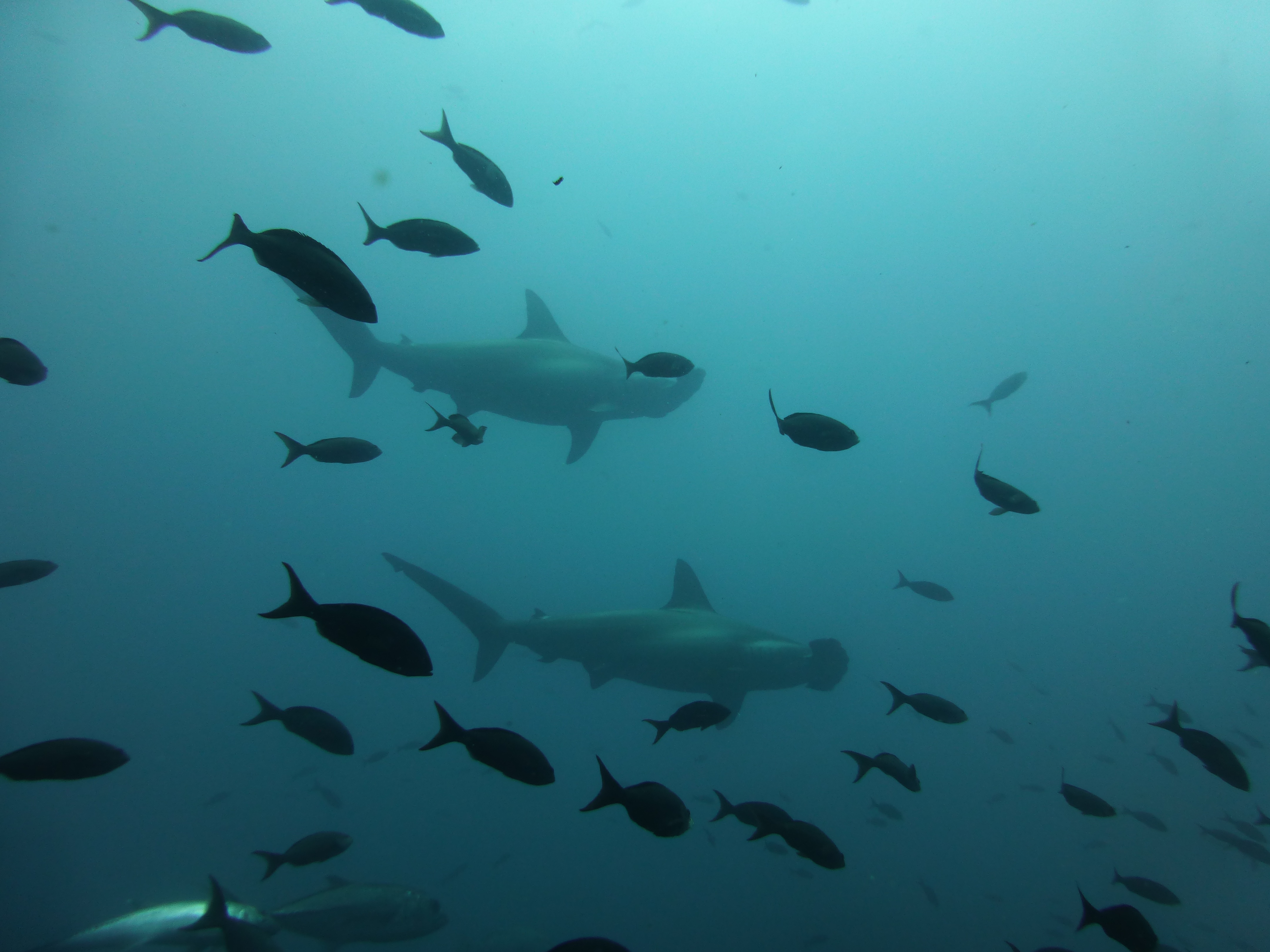
For families who want to go deeper, literally, scuba diving opens up an entirely different world beneath the surface. This is where hammerhead sharks glide past in the distance for the braver members of the group.
If staying dry matters more, sea kayaking lets younger kids watch the marine life glide past from the safety of a boat. It is close enough to see but far enough to feel completely at ease.
Swimming with sea turtles in the Galapagos during your family vacation.
On Land
Hiking here means crossing black lava trails that look almost lunar. Your boots crunching over rock that cooled into strange, twisted shapes centuries ago. The climb toward Sierra Negra, one of the largest volcanic craters on earth, rewards tired legs with a view that stops even chatty teenagers in mid-sentence.
Horseback riding opens up the greener highlands at a slower, gentler pace. This is perfect for a family member who would rather not hike.
Mountain biking covers more ground for older kids craving speed, wind pulling at their shirts on the downhill stretches. A simple dinghy ride between anchor points can turn into its own small adventure too with sea birds diving nearby the entire way. Someone will always be shouting to point out a ray gliding just beneath the surface.
More amazing activities to add to your Galapagos Islands family vacation itinerary.
Under the Stars
Ask any family what they remember most and stargazing nights come up again and again. Far from city light, the sky opens into a thick, glittering wash of stars that most kids have never truly seen in full. The Milky Way visible as an honest to goodness band of light overhead.
A boat tour after dark often means gliding quietly past the silhouette of an island with nothing but the water and the sky for company. Your youngest kid will inevitably fall asleep against your shoulder before the tour is over.
The Best Galapagos Islands for Families
Not every island offers the same experience and knowing where to spend your time shapes the whole trip.
Santa Cruz Island
Start here, at the Charles Darwin Research Station, where your family can wander gardens filled with giant tortoises moving at their own unhurried pace. Learn about the islands’ history before heading anywhere else.
Kids tend to go quiet the first time a tortoise the size of a coffee table turns its head to look back at them. It is the gentlest, most accessible introduction to a Galapagos family vacation. Plus, it sets the tone for everything that follows.
How to choose the best island for your Galapagos family vacation.
Isabela Island
The hike to the Wall of Tears runs mostly flat. It goes past quiet lakes where flamingos sometimes wade and mangroves thick enough to hide a dozen birds at once. This makes it manageable for nearly every age in your group. The trail ends at an unfinished wall built from stacked lava rock. It is a monument to a much harder chapter of the islands’ history that gives older kids something real to think about on the walk back.
Nearby, Los Tuneles offers a walk through volcanic lava tunnels that feels genuinely otherworldly. Cool air rises off the rock. It is the kind of place your kids will describe to their friends for months.
Beyond the Big Two
Once Santa Cruz and Isabela are covered, a handful of smaller stops round out a Galapagos family vacation. Each one earns its place for a different reason.
Tortuga Bay
Soft white sand stretches farther than most kids expect. The water stays calm enough near shore for even nervous young swimmers to wade in confidently. It is the kind of beach where nobody wants to leave when it is time to go.
Punta Cormorant and the Tortoise Ranch
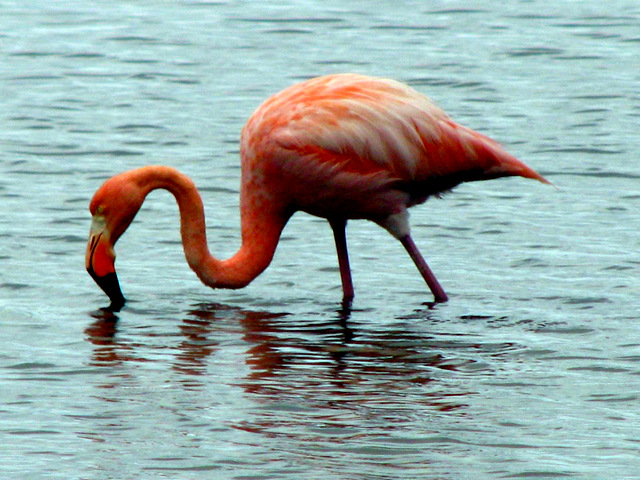
A short walk at Punta Cormorant often turns up flamingos wading in a lagoon just off the trail. It is an unexpected pop of pink against the volcanic landscape.
At the nearby Rancho Primicias tortoise ranch, giant tortoises roam freely in the wild rather than behind fencing. This gives families a completely different kind of encounter than the research station offers.
Tagus Cove and the Interpretation Center
History lovers should not skip Tagus Cove, where the names and dates of sailors who once anchored there are still carved into the cliffside rock. Some of those dates are more than a century old.
The Interpretation Center of San Cristobal fills in the human side of the islands’ story, the settlers and scientists who came after Darwin, in a way that pairs well with a rainy afternoon.
Pinnacle Rock
Photographers will want extra time at Pinnacle Rock. It is one of the most striking formations in the entire archipelago. A jagged spire rising straight out of turquoise water. Penguins occasionally perch right at its base. It is a strange and delightful sight this far north of Antarctica.
Foods Worth Trying on Your Trip
The Seafood Table
After a long day of hiking and salt water, there is nothing quite like a table full of shared plates. Langostino encocado, which is lobster simmered in coconut milk with peppers, garlic, and citrus, tends to disappear fast once it hits the table. Kids will reach for a second piece before the adults have finished their first.
Arroz marinero, a hearty seafood rice, is a local favorite for good reason and travels well as leftovers if anyone packed a picnic lunch for the next day’s hike. Canchalagua ceviche, made from a mollusk found mostly around San Cristobal, is worth seeking out if your family already loves ceviche and wants to try a version you cannot get anywhere else.
Sopa marinera rounds out the table with a creamy, peanut laced seafood soup packed with vegetables. It is the kind of dish that quiets a table of hungry hikers within the first few spoonfuls.
When Everyone Wants Something Different
Not every kid wants seafood after a week of it, and seco solves that problem neatly. Made with chicken, lamb, beef, or goat depending on the restaurant. It is the easy answer for anyone at the table who has decided they have had enough fish for one trip. Plus, it means nobody has to compromise on a shared meal.
The First Plate of the Morning
Save room in the mornings for bolon de verde. It is a breakfast dumpling of mashed plantain wrapped around meat and cheese, still warm enough to steam a little when you break it open. It became the thing one family I worked with requested every single morning of their trip. A small ritual that had nothing to do with wildlife and everything to do with starting the day together.
Essential Tips for This Family Travel Guide to the Galapagos Islands
A few practical notes make the difference between a smooth trip and a stressful one.
Book Early, the Islands Limit Who Gets In
Visitor numbers are capped to protect the ecosystem. This means a Galapagos family vacation booked at the last minute often means settling for whatever dates remain, or worse, no dates at all.
I have had to tell more than one family that their ideal week sold out months earlier. Lock in your window as early as you can, especially around school breaks.
Respecting Wildlife and the Two Meter Rule
Keep a distance of at least two meters from every animal you encounter, no matter how calm or curious it seems. I have watched a sea lion pup waddle right up to a kid who was following the rule perfectly, closing the gap itself, tail flapping. This rule protects the wildlife and keeps your family safely enjoying the encounter rather than accidentally interrupting it.
Sun, Water, and Staying Unplugged
The equatorial sun is stronger than it looks, even under clouds. So, sunscreen and a hat belong on every single day of the itinerary, reapplied often, not just once at breakfast.
Bring a reusable water bottle to cut down on waste, since freshwater refill stations are common on boats and at lodges.
Prepare your family for limited internet access too. It turns out to be one of the trip’s quiet gifts, days with nothing pulling anyone’s attention away from what is right in front of them. A rare stretch of time where nobody is asking to check a phone.
Bringing the Galapagos Home
Months from now, your child will be standing in a school hallway or a friend’s backyard, waddling in slow motion to demonstrate exactly how a blue footed booby walks, and someone will ask where on earth they learned that. They will tell the story from memory, no photos needed, the way kids do when something genuinely mattered to them. That is what a Galapagos family vacation gives you. Not just photos, but a story your kids choose to keep telling long after the suitcases are unpacked and the sunscreen bottle is empty. When you are ready to start planning yours, I am here to handle every detail, so all you have to do is show up and watch it happen.
So, are you ready to begin planning a Galapagos family vacation?
If you said yes, I would like to invite you to schedule a planning session with me by clicking here. Clicking the link will take you directly to my digital calendar to schedule a time that is convenient for you.
If you’re not quite ready to plan a vacation in the Galapagos Islands with my travel guide or anywhere else, you can sign up for my newsletter here. This will ensure you always have the information you need when you are ready for an amazing family vacation anywhere in the world.

Tracy is the owner of Elite Travel Journeys, a luxury travel agency dedicated to crafting extraordinary, memory-making journeys for families, multigenerational groups, empty nesters, and solo female travelers. A proud military veteran and President of the Central PA Chapter of ASTA, Tracy brings both discipline and deep passion to everything she does. With a particular love for river cruising, especially Europe’s enchanting Christmas Markets, she has been turning travel dreams into life-changing experiences since 2014. Tracy believes that extraordinary travel doesn’t just take you somewhere new; it changes who you are.
Enter your Name and best Email Address to receive
On Your Next Family Vacation
We respect your privacy and will never share or sell your information.
3 Ways to See It All in Alaska


On Your Next Family Vacation
Click here for 10 Exciting Family Adventures
You Can Plan
NOW