
Stop Guessing What Money to Pack: The World Currency Guide for Travelers You Need
You are standing at a register in a country you have dreamed about for years, holding out a fistful of unfamiliar bills like a child playing a game she never learned the rules to. You are hoping the cashier picks the right ones instead of you guessing wrong in front of a line of people behind you. That single moment, more than any packing list or itinerary, is why I built this world currency guide for travelers before I let another client board a plane without one. I have watched grown women, sharp, capable, the kind who run entire households without blinking, go quiet and small at a foreign counter simply because nobody ever sat them down and explained what money they would be holding once they landed. So, we are going to fix that right now, together, one region and one register at a time.
Stop Guessing What Money to Pack: The World Currency Guide for Travelers You Need
Why You Need a World Currency Guide for Travelers Before You Pack a Bag

I remember a client, a grandmother taking her whole family to celebrate a fortieth wedding anniversary across three countries, calling me the night before her flight in a small panic. She had euros from a work trip years earlier and assumed they would carry her through every stop. They did not. One of her stops used a currency she had never heard of. The confusion cost her the calm start to the trip she had been picturing for months.
That is the gap a real-world currency guide for travelers is meant to close. Not a dry list of exchange rates nobody remembers. Instead, this is an actual understanding of what is in your wallet at each stop. This way you can walk into a shop, taxi, or a restaurant already knowing what you are working with.
Currency exchange tips for international travel matter, but they only help once you know which currency you are exchanging for in the first place. That is where we start.
Check out what mistakes to avoid while traveling internationally.
How to Know What Currency a Country Uses
Knowing how to know what currency a country uses sounds almost too simple to write down. Yet it is the single most common question I get from clients in the two weeks before departure. The good news is that the answer is nearly always faster to find than the panic that comes before it.
I ask every client to treat this step the same way she would confirm a flight time. Not something to assume, not something to leave for the taxi ride from the airport, but a small, deliberate check she makes while she is still sitting comfortably at her own kitchen table, coffee in hand, days before departure.
What Currency Does Japan Use? A Two Second Check Before You Fly
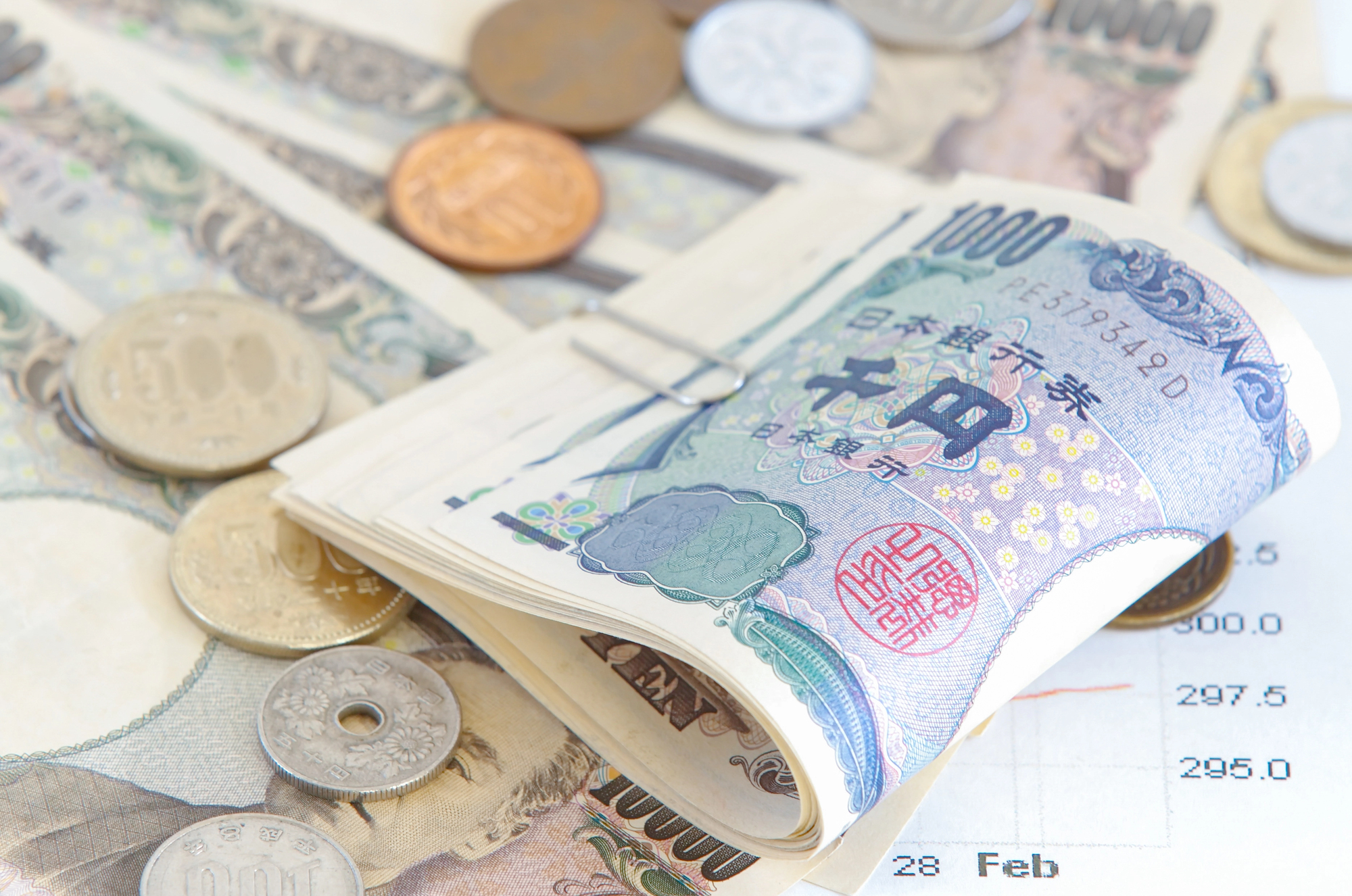
Picture a couple at the gate, boarding passes already in hand. One of them suddenly turning to the other and asking, quietly, almost embarrassed to admit it out loud, “wait, what currency does Japan use?”
It happens constantly, and it is nothing to be embarrassed about. The answer, for Japan, is the yen. The fastest way to confirm it for any destination is to type “currency in” followed by the country name directly into your phone’s search bar. It takes less time than choosing a seat assignment. And it settles a question that otherwise nags at the back of your mind through an entire flight.
I tell every client the same thing. Do this search before you leave home, not after you land, so the answer is already familiar by the time a cashier is waiting on you.
Check out the things you should do the night before your family vacation.
Which Countries Use the Euro, and Which Surprisingly Do Not
Here is where I watch even seasoned travelers stumble. Someone books a trip through what they think of simply as “Europe,” assuming one currency will carry them the entire way. They then find themselves standing in a Swiss train station staring at francs, or in Budapest holding forints, wondering when the euro stopped working.
Knowing which countries use the euro is not as universal an answer as most people expect. Nineteen European Union countries use it, but Switzerland, the United Kingdom, Norway, Denmark, Hungary, Poland, and the Czech Republic all keep their own currency, among others. If your itinerary crosses more than one European country, check each stop individually rather than assuming the last one taught you everything you need for the next.
Countries That Accept US Dollars Without Blinking

There is a specific kind of relief that settles over a traveler the moment they realize they do not need to exchange a single bill. Countries that accept US dollars as their own official currency, places like Ecuador, Panama, and El Salvador, hand American travelers a rare gift on the road: The money already in your wallet is the money you need.
Even outside those official dollar economies, plenty of tourist heavy regions will accept dollars casually for small purchases. Although, it is usually at a worse rate than the local currency would get you. Knowing ahead of time whether your destination falls into this category can shape how much you exchange before you ever leave home.
The Regions Travelers Ask About Most
Every itinerary is different, but I hear the same handful of regions come up again and again. So, let’s walk through what your money looks like in each one. Think of this stretch of the world currency guide for travelers as the part you turn to first once your flights are booked.
What Currency Do I Need for Europe
I had a client ask me what currency they needed for Europe as though it was one simple answer. Honestly, I understood why she assumed that. Her itinerary read like a dream: Paris for four days, a train to Zurich, then a final stretch along the Croatian coast.
Three countries, three currencies, none of them interchangeable.
She left with euros for France, Swiss francs for Zurich, and Croatian kuna waiting for her at an ATM the moment she crossed into Croatia.
The lesson I give every client planning a multi-country European trip is simple. Map your stops first. Then map your currencies second, because assuming one will carry you through all of them is the fastest way to arrive somewhere with a wallet full of the wrong bills.
Caribbean Currency for Cruise Travelers
Caribbean currency for cruise travelers works a little differently. It deserves its own moment here because so many of my clients sail rather than fly. Picture a ship easing into port after port over the course of a week. Each island announces itself with its own distinct blend of music, color, and, yes, currency.
Many Caribbean ports welcome US dollars happily, especially the ones built around cruise tourism. Others, especially islands with their own established currency like Jamaica or the Dominican Republic outside resort grounds, will serve you far better if you carry a small amount of the local money for anything beyond the ship or the resort gate.
I tell cruise clients to keep a little cash in dollars for the easy ports, and a little curiosity for the ones that ask for something more specific.
Cash Economy Countries vs Cashless Countries
I once stood in a night market where the air smelled like charred lemongrass. The only sound louder than the sizzling pans was the rustle of small bills changing hands, because nothing there moved without cash.
Weeks later, in a coffee shop on the other side of the world, I watched a barista glance almost puzzled at a customer who tried to pay with paper money at all, since a simple tap of a card or a phone was all anyone there ever used.
That contrast is the entire idea behind a cash economy countries list and a cashless countries list. Vietnam, Sri Lanka, and much of rural Latin America still lean heavily on cash for daily life. The Netherlands, Sweden, and much of South Korea have moved so far toward digital payment that carrying a wallet full of bills there can feel almost old fashioned.
Knowing which category your destination falls into shapes everything from how much cash to withdraw to how comfortable you can feel relying on a card alone.
Your Currency by Country Cheat Sheet
This is the section I want you to save, because a currency by country cheat sheet is only useful if it is somewhere you can find it again the moment you need it. You don’t want it buried three tabs deep in your browser history.
Consider this the blueprint of the world currency guide for travelers. The part built to be reopened again and again rather than read once and forgotten.
What Money to Bring to Thailand, and Everywhere Else, By Continent
I built this the way I would hand a client a note before she walked out the door. It is organized by continent so you can find your trip quickly rather than scrolling through a list built for someone else’s itinerary.
Europe
- Austria, Belgium, Croatia, Finland, France, Germany, Greece, Ireland, Italy, Malta, Netherlands, Portugal, and Spain: The euro.
- Switzerland: The Swiss franc.
- Sweden: The Swedish krona.
- The United Kingdom (England and Scotland): The pound sterling.
- Hungary: The forint.
- Iceland: The Iceland krona.
- Poland: The zloty.
- Norway and Denmark: Their own kroner, spelled and valued differently from one another despite the shared root.
- Turkey: The Turkish Lira.
Asia and the Pacific
- Thailand: The baht.
- Japan: The yen.
- South Korea: The won.
- Vietnam: The dong.
- China: The Yuan Renminbi.
- Fiji: The Fiji dollar.
- Maldives: The Rufiyaa.
- Philippines: The Philippine peso.
- India: The Indian rupee.
- Taiwan: The New Taiwan dollar.
- Australia: The Australian dollar.
- New Zealand: The New Zealand dollar.
The Americas and the Caribbean
Mexico uses the peso, Canada its own Canadian dollar, and much of Central and South America carries its own currency, from the Costa Rican colon to the Argentine peso. In the Caribbean, expect a mix, with some islands using the US dollar directly and others, like Jamaica and the Dominican Republic, running on their own established currency.
Africa and the Middle East
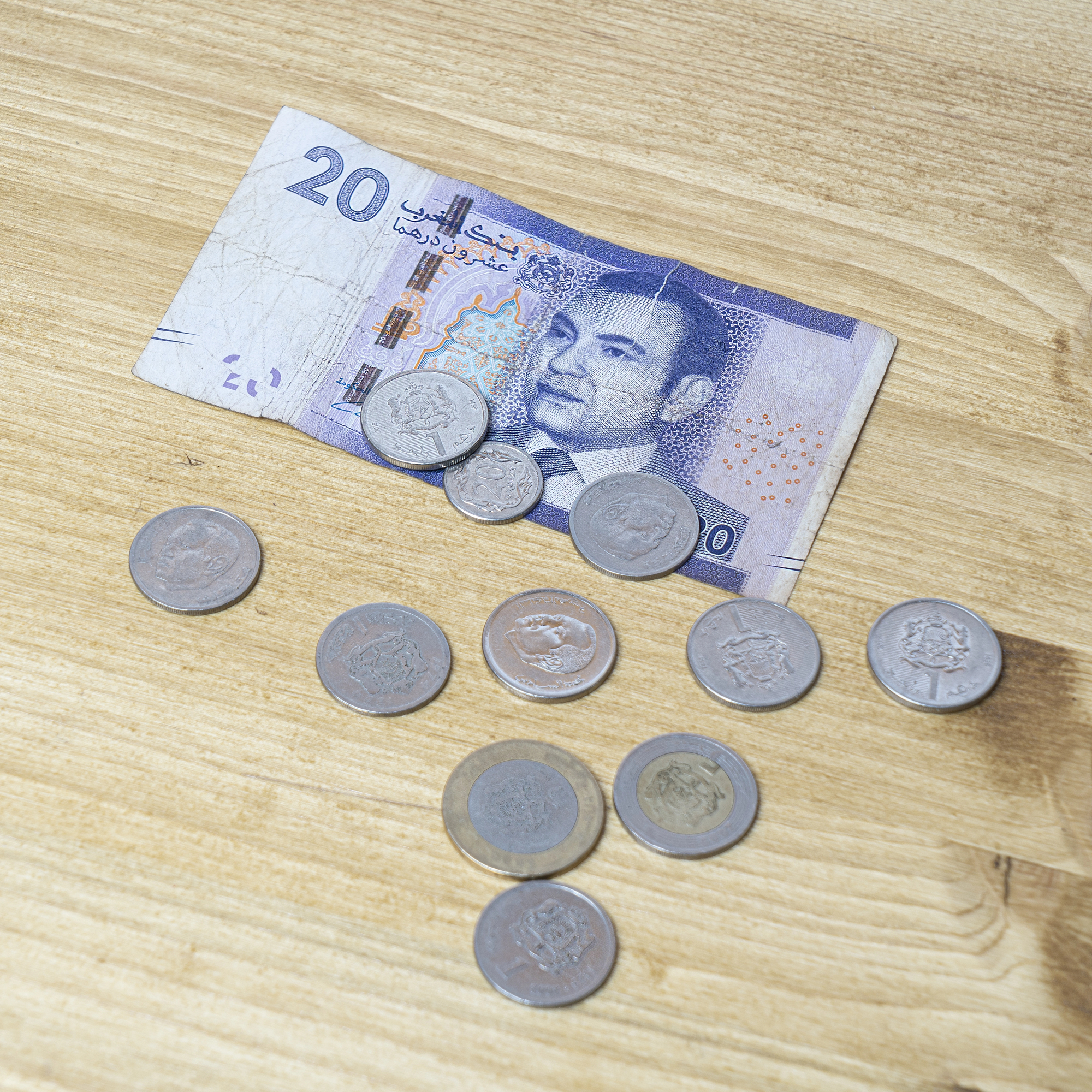
Morocco uses the dirham, Egypt the Egyptian pound, and South Africa the rand. In the Middle East, the United Arab Emirates uses the dirham as well. Although, the UAE’s dirham is a different currency from Morocco’s despite the shared name. And Israel uses the shekel.
Turning This into a Habit You Use on Every Trip
How to Use This World Currency Guide for Travelers on Any Trip
A world currency guide for travelers only earns its keep if it becomes a habit, not a one-time read the week before a big trip.
I encourage every client to build two small routines into every departure. One for checking what currency waits on the other end of the flight. And one for knowing exactly how to convert it once she lands. Both take less time than choosing what shoes to pack.
How to Convert Currency on Your Phone in Two Taps
Picture yourself at a market stall. A beautifully woven scarf held up in front of you. A price scrawled on a small paper tag in a currency you are still getting used to.
Instead of guessing, pull out your phone and open the built-in calculator. Simply change the calculator to conversion rate, which is at the top right corner on an iPhone. Click the currency you want to convert to and from and you will have your answer in seconds.
I do this constantly, standing in the middle of a bustling stall or a quiet café. Nobody has ever noticed or minded the ten seconds it takes. It is the single easiest habit that turns confusion into confidence on the spot.
The Best Currency Exchange Apps for Travel
For anything beyond a quick market moment, the best currency exchange apps for travel are worth having loaded before you leave home. XE and Wise both offer live rate conversions you can check without any signal at all once you have opened the app while still connected to Wi-Fi. This makes them useful the moment you land, even before your phone finds a local network. I keep one open on my own phone through every trip I take, checked quietly and often, the same way I would check the weather.
What Your Credit Card Is Not Telling You About Exchange Rates
Foreign Transaction Fees, and How They Sneak onto Your Statement
I had a client come home from a two-week trip through Portugal and Spain, thrilled with every memory, until she opened her credit card statement and found a string of small, unfamiliar charges tacked onto nearly every purchase she had made. Her bank had been quietly adding a foreign transaction fee, a small percentage of every single swipe, onto each charge the entire trip.
Not every card does this. Many travel focused cards waive the fee entirely. It is worth checking yours before you leave rather than discovering the answer on your statement weeks later. A five-minute call to your bank before departure can save you from that same quiet surprise.
The Register Question That Costs You Money: Pay in Dollars or Local Currency
There is a moment at nearly every register abroad where the machine, or the cashier, asks whether you would like to pay in your home currency or the local one. It sounds like a courtesy. It is usually the opposite. Choosing to pay in dollars lets the merchant set their own conversion rate on the spot, almost always worse than the rate your card would give you automatically.
The habit I teach every client is simple. Always choose to pay in the local currency, every time, without exception. Let your card handle the conversion using its own rate rather than handing that decision to the register in front of you.
Currency Exchange Tips for International Travel That Protect Your Money
How Much Cash to Bring on a Trip
The right amount of cash to bring on a trip has less to do with a fixed number and everything to do with where you are going and how that place moves money. A cash economy destination, a rural stretch, a place where tipping in cash is expected, asks for more on hand than a cashless city where a card slides through everywhere you turn. I walk every client through her actual itinerary, day by day, before we land on a number that fits her specifically, rather than repeating a figure that fits nobody.
What matters more than the amount is the mindset. Bring enough to feel unhurried in a cash heavy destination and trust your card a little more in a cashless one.
The best ways to carry cash while traveling.
Choosing Cash or Card Based on Where You Are Going
This is where everything we have covered folds together into one decision made calmly rather than at a register under pressure. If your destination leans cash heavy, carry more local currency and treat your card as backup. If it leans cashless, flip that ratio, carry a smaller cushion of cash and let your card do most of the work, always paying in local currency when the choice is offered.
The goal is never to memorize every rule in this guide before you fly. It is to know where to look, and to trust yourself once you are standing there.
Pack Your Bags, Not Your Worry
I did not write this world currency guide for travelers so you would memorize a list of currencies before your next trip. I wrote it so you could close this page, finish packing, and let the money part of travel take up exactly as little of your attention as it deserves. You already know how to run a household, coordinate a family, and hold an entire trip together in your head. Currency is simply one more thing you now know how to handle, quietly and well, the moment you land.
Keep this guide bookmarked. Come back to it before every trip, the way you would check the weather before you decide what to pack. A good world currency guide for travelers should feel less like homework and more like a friend who has already been there, waiting to walk you through it one more time.
And then go, because the place you have been dreaming about is waiting, and you are more than ready for it.
Are you ready to start using these tips for your next international vacation?
If you said yes, I would like to invite you to click here to schedule a personalized planning session with me. Clicking the link will take you directly to my digital calendar to schedule a time that is convenient for you.
Not ready to start planning your next trip yet? Sign up for my newsletter and stay up to date with all the travel information I share.

Tracy is the owner of Elite Travel Journeys, a luxury travel agency dedicated to crafting extraordinary, memory-making journeys for families, multigenerational groups, empty nesters, and solo female travelers. A proud military veteran and President of the Central PA Chapter of ASTA, Tracy brings both discipline and deep passion to everything she does. With a particular love for river cruising, especially Europe’s enchanting Christmas Markets, she has been turning travel dreams into life-changing experiences since 2014. Tracy believes that extraordinary travel doesn’t just take you somewhere new; it changes who you are.
Enter your Name and best Email Address to receive
On Your Next Family Vacation
We respect your privacy and will never share or sell your information.
3 Ways to See It All in Alaska


On Your Next Family Vacation
Click here for 10 Exciting Family Adventures
You Can Plan
NOW