
Gluten Free Travel: How to Plan a Trip Where Every Meal Feels Safe
Somewhere between the bread basket and the first course, a family vacation can quietly fall apart. Anyone who has tried gluten free travel with someone she loves knows that moment.
Picture a warm evening in Florence. The candle on your table has burned halfway down. The smell of rosemary and charred steak drifts from the open kitchen. Your husband, who has celiac disease, runs his finger down the menu while the server waits. The table goes quiet. Then you slide a small card across the tablecloth. The server smiles and carries it toward the kitchen. Twenty minutes later, a plate of gluten free pasta arrives, glossy with butter and sage, cooked in a pot no wheat has touched. Your husband laughs with the kind of relief that comes from somewhere deep. That is what a trip feels like when someone has done the thinking before you sit down.
If you are the one who carries that thinking for your family, this is for you. I will walk you through how I plan trips where every meal feels safe, from the first phone call to the last dessert. You will see where the risks hide, which places make it easy, and how to set one table for three generations at once.
Gluten Free Travel: How to Plan a Trip Where Every Meal Feels Safe
Why Does Gluten Free Travel Feel So Heavy Before You Even Leave?
Because the work starts long before the airport, and almost no one sees it happen.
The Weight She Carries at the Kitchen Table
It is eleven at night. The dishwasher hums, the house has gone still, and your laptop is the only light in the kitchen. You have twelve tabs open. One is a menu you cannot read. Another is a review that praises the gluten free options but never mentions the shared fryer. You are not planning a vacation anymore. You are running a risk assessment.
This is the part of the trip nobody photographs. A mother whose husband and son both have the disease describes it as a mental load. You cannot wander into a restaurant on a whim, pick up a menu, and order. For the woman who plans for everyone, that load does not end at booking. It follows her to every table, every airport cafe, and every roadside stop on a foreign highway.
Hear this clearly: The weight is real, and it was never meant to be yours alone. The rest of this guide is about having someone take over the planning for you.
Gluten Free vs. Celiac Safe: What a Server Needs to Hear
A dish can be gluten free on paper and still make someone sick. That gap is the single most important idea in traveling with celiac disease.
Picture a kitchen during the dinner rush. A cook drops gluten free fries into the same oil that cooked breaded calamari a minute earlier. Another slices gluten free bread on a board still dusted with flour. A ladle moves from the regular pasta water to the gluten free pot. None of these dishes contain wheat as an ingredient. All of them can carry enough gluten to harm someone with celiac disease.
That transfer is called cross contact. It is why I never ask a server, “Is this gluten free?” I ask, “Can the kitchen prepare this separately for someone with celiac disease?” The first question earns a quick yes. The second earns an honest answer.
A celiac safe meal meets three conditions: No gluten ingredients. Separate preparation surfaces and tools. A staff that understands why both matters.
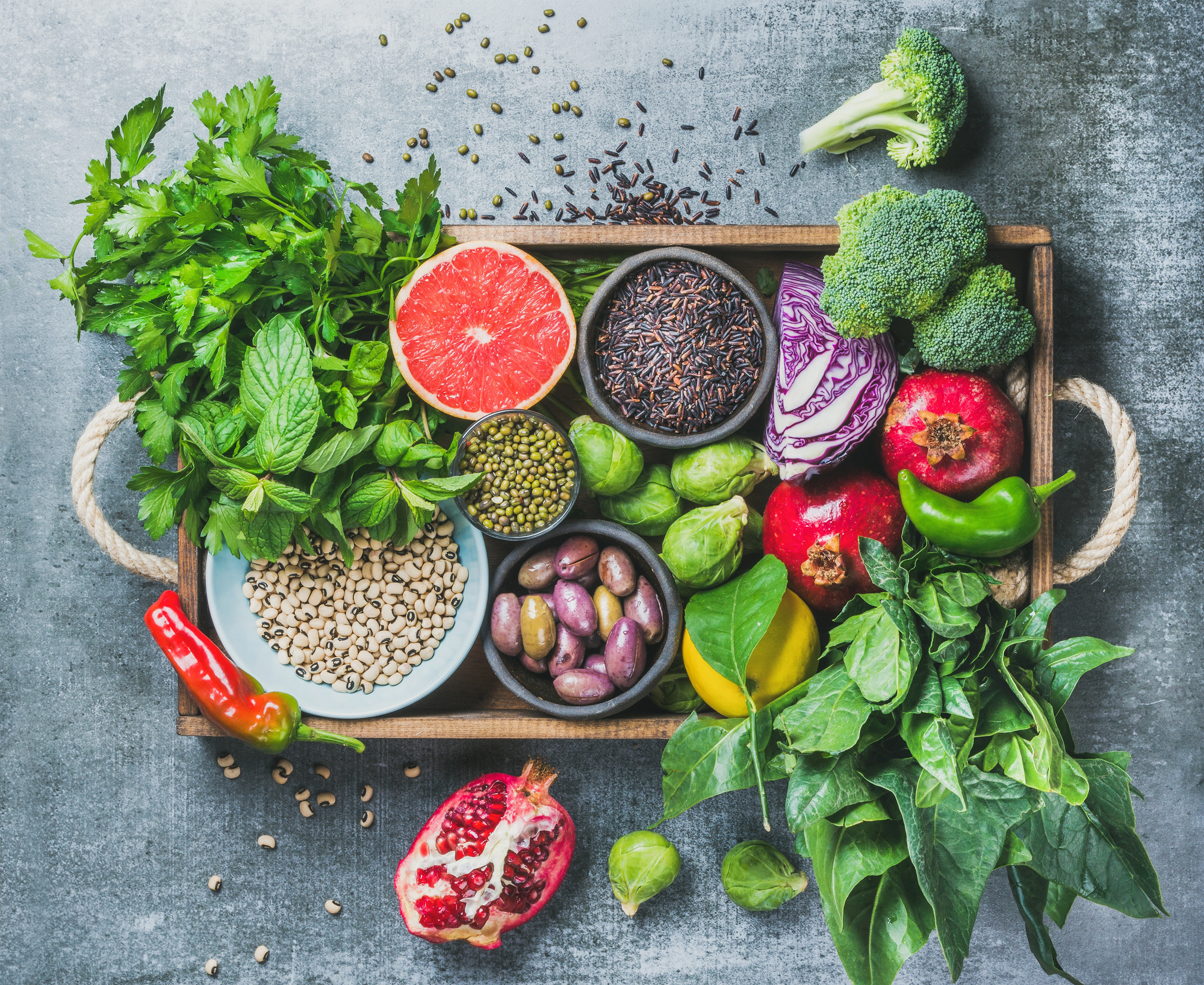
Healthy eating while traveling.
Is Celiac Disease the Same as a Food Allergy?
No, and the difference shapes how you plan. Celiac disease is an autoimmune condition in which gluten damages the small intestine. One accidental exposure can derail several days of a trip. Unlike someone with a severe peanut or shellfish allergy, a person with celiac disease is usually not at risk of life threatening anaphylaxis. At the table, though, both are managed the same way: The trigger food stays off the plate entirely.
If someone in your group carries an epinephrine auto injector, that trip needs its own emergency plan, from the medication bag to the nearest hospital at every stop. It deserves a full conversation, and I am happy to have it with you.
How Do You Start Gluten Free Travel Planning?
You start with conversations, not reservations. The questions come before the deposits, every time.
The Questions I Ask Before Anything Gets Booked
When I call a property on behalf of a client, I am listening for more than a yes. I want to hear a chef pause and think. Here is what I ask:
- Does the kitchen have a dedicated space, or a cleaned and separated station, for celiac orders?
- Who on staff has been trained on celiac disease, and do they work every shift?
- Are fryers, toasters, and pasta water shared?
- How does a celiac order get flagged from the server to the kitchen and back to the table?
- Can breakfast be handled safely, or is it a self serve buffet where crumbs travel?
That last question matters more than most people expect. A breakfast buffet is a lovely sight, with pastries piled high and a toaster humming beside the coffee urn. It is also the riskiest room in many hotels for someone with celiac disease. Serving spoons wander between trays, and small hands reach across everything.
The answers tell me which places have a system and which ones have good intentions. Good intentions are kind. A system is what keeps the person traveling with celiac disease well on day four.
How Gluten Free Travel Shifts with the Kind of Stay You Choose

The roof over your head decides how much of each day you spend thinking about food.
A villa or apartment with a kitchen gives you control. Imagine an early market run in a small coastal town. Your canvas bag is heavy with tomatoes still warm from the sun, soft cheese wrapped in paper, and eggs from a farmer who keeps hens behind his stall. Breakfast and lunch happen on your terrace, prepared on surfaces you trust. Dinner out becomes a pleasure instead of a gamble.
A full service resort trades control for care. The right one assigns a chef who learns your family’s needs the first night and greets you by name the second. The wrong one hands you a printed allergen chart and wishes you luck.
A small inn sits in between. Fewer guests means a kitchen that can slow down for you, and an owner who often cooks breakfast herself. For many of my clients, this is the sweet spot: Personal attention, local character, and a cook who will happily walk you through every ingredient in her morning frittata.
What a Travel Advisor Handles So You Don’t Have To
Plenty of advisors say they can accommodate dietary needs. Far fewer will make the calls, ask the hard questions, and follow up when an answer sounds vague.
When you are traveling with dietary restrictions, my job is to carry the research you would otherwise do at midnight. I vet each property, confirm every meal request, send dining hosts written notes before you arrive, and shape each day around safe meals within easy reach.
You still choose the destination and the pace. You no longer have to be the one who worries at every table.
Can You Bring Gluten Free Food on a Plane?
Yes. On flights from the United States, solid foods like crackers, bars, bread, and dried fruit can be in your carry on bag. Spreads and dips follow the liquids rule.
Getting Through Security With Your Snacks
Picture the security line on a Saturday morning. Your tote holds a sleeve of rice crackers, a few protein bars, a bag of almonds, two apples, and sandwiches on gluten free bread wrapped in parchment. All of it passes. Solid food is generally allowed through the checkpoint without a quantity limit.
The surprise comes with anything you can spread. The TSA treats peanut butter, hummus, jam, and soft cheese as liquids. Each container must hold 3.4 ounces or less and fit in your quart size bag. Tuck single serve packets into that bag, and put full jars in checked luggage.
Now and then, a screener may ask you to move your food into its own bin. That is not a confiscation. Dense snacks can block the X-ray view of whatever sits beneath them. I tell clients to pack food in one clear pouch near the top of the bag. This turns a delay into a ten second shuffle.
Why Customs Is a Separate Rulebook
Here is the piece most guides leave out. Airport security and customs are two different sets of rules. They are run by two different authorities. Clearing the checkpoint at home says nothing about what you may carry into the country where you land.
Many countries restrict fresh fruit, vegetables, meat, and dairy at the border to protect local farms. The apple you saved for the taxi line may be taken at arrival. Sealed, commercially packaged foods tend to fare far better. Declare every food item on your arrival form, keep labels intact, and finish fresh food before the plane touches down. Rules differ by country and change over time. So, I check the current customs guidance for each destination before a client packs.
Requesting a Gluten Free Meal in the Air, and Packing a Backup Anyway
Most airlines that serve meals offer a gluten free option, coded on your booking as a special meal. Many ask for the request at least 24 hours before departure. Certain routes require more notice. A schedule change can quietly erase the request, so I confirm it again after any changes.
Then I tell every client the same thing: Pack a full meal anyway. Several airlines state plainly that they cannot guarantee their gluten free meals are completely free of gluten. Sometimes the tray arrives with a wheat roll tucked beside the salad. Sometimes it never arrives at all.
A backup meal turns that moment from a crisis into a shrug. Picture yourself over the Atlantic, cabin lights dimmed, unwrapping roasted chicken, rice, and herbs you packed that morning. You eat well, and nobody in your row has to scramble.
What Are the Best Gluten Free Travel Destinations?
The places that welcome celiac travelers share three traits: Wide awareness of the disease, kitchens trained to prevent cross contact, and local food that leans away from wheat.
Gluten Free Italy Travel: When Pasta Becomes Possible Again

Italy surprises everyone who expects the land of bread and pasta to be the hardest place to eat. It is one of the easiest.
The Italian Celiac Association launched a national dining program in 2000 to build a network of restaurants that understand celiac disease. Participating kitchens complete training on celiac disease and follow the association’s guidelines to prevent cross contact. The network now includes more than 4,000 businesses, from family trattorias to gelato shops.
That is why celiac friendly Italy feels different when you arrive. Picture a family dinner in a Roman courtyard, string lights overhead and the clatter of plates drifting from the kitchen. The server knows the word celiaco before you say it. Your husband orders carbonara, silky with egg and pecorino, and eats it without a single question. Across the table, your granddaughter works through pistachio gelato in a gluten free cone.
Two habits make gluten free Italy travel smoother. Book dinners ahead whenever you can, since many trained kitchens organize celiac service around reservations. And always mention celiac disease before you order, even at a place you trust.
Spain and the Long, Unhurried Dinner
Spain runs on a later clock. Dinner starts around nine, the plazas fill with families and strollers, and conversations stretch past midnight. That rhythm brings good news for celiac diners, too. Barcelona topped one recent global ranking of gluten free friendly cities, with more than a thousand restaurants offering gluten free options.
Spanish cooking leans on ingredients that welcome you. Think saffron rice crisping at the edge of a wide pan, grilled octopus brushed with olive oil and smoked paprika, and thin slices of cured ham fanned across a wooden board. Many restaurants mark celiac safe dishes on their menus. Some follow the standards of Spain’s national celiac association. Ask about the fryer before ordering anything crispy, then settle in for a dinner that lasts as long as the conversation.
Ireland, Where the Server Already Knows the Word
Ireland may not top anyone’s list of food destinations, yet celiac travelers often come home glowing. Celiac disease is common there. The Coeliac Society of Ireland estimates it affects about one and a half percent of the population. That familiarity shows up in kitchens. Servers rarely blink at a request. Allergens are often listed right on the menu.
Imagine a rainy afternoon in a Dublin pub, peat smoke in the air and a bowl of chowder in front of you, thickened without a pinch of flour. Warm gluten free brown bread arrives on the side before you think to ask. Moments like that earn Ireland its place here.
Naturally Gluten Free Kitchens Worth Crossing an Ocean For
Some of the easiest meals on earth come from cultures that never built their cooking around wheat.
Across Central and South America, corn and rice anchor the table. Picture warm tortillas pressed by hand in Oaxaca, ceviche bright with lime in Lima, or gallo pinto steaming beside sweet fried plantains at a Costa Rican breakfast. In Vietnam, rice noodles, rice paper, and fresh herbs fill bowls of pho that smell of star anise and charred ginger.
These places still call for care. Soy sauce usually contains wheat, flour can thicken a sauce, and street stalls often share oil and grills. But when a cuisine’s foundation is already free of gluten, every meal begins on your side.
Places That Ask a Little More of You
Honesty builds trust, so here it is: Some destinations are harder. France is the classic example. Bread arrives with every meal, flour thickens many sauces, and fryers are often shared. Parts of Central and Eastern Europe, where dumplings and breaded cutlets anchor the menu, offer fewer celiac programs as well.
Harder does not mean off limits. It means a kitchen in your rental, more research before each meal, and a restaurant card in your pocket at all times. If your heart is set on a Paris anniversary, we can make it work. We will plan it step by step so nothing is missed.
How Do You Eat Out Safely in a Country Where You Don’t Speak the Language?

You carry your words with you, choose restaurants before hunger chooses for you, and order with intention.
Gluten Free Restaurant Cards Speak When You Can’t
A restaurant card is a small printed card, written in the local language, that explains celiac disease and cross contact to kitchen staff. It is the most powerful tool in your bag. It weighs almost nothing.
Picture a tiny seafood place on a Greek harbor, nets drying in the sun and the owner wiping his hands on his apron. Your Greek ends at hello. You slide the card across the counter. He reads it, nods slowly, and walks it back to the kitchen himself. Ten minutes later, a whole grilled fish arrives with lemon and olive oil, nothing dusted and nothing fried.
When choosing gluten free restaurant cards, pick ones that mention cross contact, not only ingredients. Celiac organizations offer free versions in dozens of languages. I recommend tucking a set in with your travel documents.
Finding Your Table Before You Arrive
Hunger makes poor decisions. That is why I create an itinerary of safe meals before a client ever lands.
The Find Me Gluten Free app gathers reviews from celiac diners around the world. The most useful reviews mention dedicated fryers, separate prep areas, or whether the writer got sick afterward. I read them the way I would read a letter from a friend. National celiac associations add another trusted source, since many publish lists of trained restaurants. Local celiac groups on social media often know which bakery opened last month.
By the time you arrive, your phone holds a short list for every neighborhood you plan to explore. When jet lag hits at three in the afternoon, you will know exactly where to go.
Reading the Room Once You Sit Down
Even at the right restaurant, a few habits tilt the odds in your favor. These are the gluten free travel tips I share with every client:
- Dine a little early or a little late, when the kitchen is calm and the chef has time to listen.
- Choose a sit down restaurant over a counter, where you can speak with the person carrying your order to the kitchen.
- Outside of trained kitchens, order dishes that are naturally free of gluten, like grilled fish, roasted meats, rice, and vegetables. Specialty gluten free pizza and pasta pass through more hands and shared equipment.
- Ask about the fryer every time, even when the fries are listed as gluten free.
- Look at the plate when it arrives. A crouton on the salad or a tangle of crispy onions tells you everything.
None of this needs to feel tense. Once it becomes a habit, the questions take thirty seconds, and the rest of the evening belongs to the wine and the view.
Planning a Gluten Free Family Vacation When Everyone Eats Differently
A gluten free family vacation rarely involves gluten alone. Celiac disease runs in families. A parent, child, or sibling of someone with celiac has roughly a one in ten chance of having it too. Add a grandmother managing diabetes, a newly vegetarian teenager, and a toddler with a dairy allergy, and dinner becomes a puzzle.
One Dinner, Three Generations, Three Different Plates
Let me set the table. It is a long wooden one on a terrace above the sea, laid for ten. Grandpa has celiac disease. Grandma watches her blood sugar. Your sixteen-year-old has sworn off meat. Your youngest still thinks dinner is a race to dessert.
Multigenerational trip dietary restrictions are where most planning guides go quiet. They mention food in a single line and move on. Yet this table is the heart of the whole trip. It is where stories get told, and where the youngest learns how her grandfather met her grandmother. Everyone has to be able to sit at it.
Here is how I plan it. I send the restaurant one document before arrival, listing each guest’s needs by name. I choose kitchens that cook from scratch, since fresh food can be interchanged more easily than prepared food. And I favor family style menus built around grilled meats, rice, vegetables, and salads. This is where most dishes work for most people and the exceptions are easy to spot.
Grandparents Who Don’t Want to Be a Bother
Older travelers often hide their needs. Grandpa will push food around his plate before he asks a waiter one more question. I handle the asking ahead of time, so he never has to. When the chef steps out on the first night and says his dishes are ready, I watch his shoulders drop. That moment is worth every phone call.
Helping Kids Feel Safe, Not Singled Out
A child with celiac disease does not want to be the reason dinner is complicated. Give her ownership instead. Let her hand the restaurant card to the server. Pack her a small pouch of favorite snacks for afternoon outings. Ask the kids’ club staff about snack time before her first session. When a birthday cake arrives that she can eat, the trip becomes hers, too.
Shared Meals and Separate Moments
Not every meal needs the whole family. Breakfast in small groups, at each family’s own pace, takes pressure off everyone. Lunch can happen on the trail, the beach, or the rental terrace. Then everyone gathers for one great dinner each night.
That rhythm protects the meal that matters most. It also means fewer restaurants to check out and fewer moments of risk across a long day. When evening comes, the table fills with sunburned shoulders, new stories, and plates everyone can trust. That is gluten free travel at its best for a family.
Is a Gluten Free Cruise Worth Considering?
For many families, yes. A ship is a floating kitchen you check out once, then trust for a week. Some sailings now carry dedicated gluten free dining programs, with a separate dining room, staff trained in celiac safety, and menus full of foods celiac guests rarely find elsewhere. It may be the most relaxing form of gluten free travel there is.
Imagine the first night at sea. The ship sways gently, the sky turns pink over open water, and a dessert cart rolls past your table. Every cake, tart, and cookie on it is safe. Nobody at your table has to ask a single question. One grandfather who celebrated his eightieth birthday on such a sailing trip, surrounded by his whole family, said the best part was never having to worry.
Standard sailings can work, too, especially with a dining team that meets you on day one and plans each meal ahead. The difference between a relaxing week and a stressful one usually comes down to what gets confirmed before you board.
What to Confirm Before You Ever Board
Before a client sails, I confirm:
- Whether the sailing offers a dedicated gluten free dining space, and how guests gain access to it
- How the main dining room handles celiac orders, and whether you can preorder the next evening’s meal
- What happens at the buffet, with room service, and in specialty restaurants
- How snacks are handled at the kids’ club and on shore excursions
- Which ports offer safe lunches ashore, and which call for a meal packed from the ship
With those answers in hand, the ship becomes what you hoped for: A place where the hardest decision of the day is which deck chair catches the sunset.
Gluten Free Travel for Solo Women and Empty Nesters
Not every trip involves a crowd. Some of the most meaningful journeys happen with one suitcase, or two.
The First Trip After a Diagnosis
A new diagnosis can shrink your world overnight. Restaurants that once felt easy turn into puzzles. Eating in another language can seem impossible.
That is exactly why the first trip matters. I often suggest starting somewhere with deep celiac awareness, a kitchen in your room, and a slower pace. Picture a week in a small apartment above an Italian piazza. Mornings begin with espresso and ripe figs on your balcony as shutters open across the square. Afternoons belong to museums and long walks. Evenings bring dinner at a trained restaurant down the street, where the owner remembers you by night two.
By the end of that week, something shifts. You stop seeing the diagnosis as a wall. You start seeing it as one more detail you know how to handle. And you begin planning the next trip on your own terms.
Girlfriends’ Getaways and Second Honeymoons
Empty nesters finally have time to travel slowly. Slow travel is good news for celiac diners. Fewer cities and longer stays mean you learn which kitchens to trust, then return to them.
Imagine a long lunch on a Portuguese hillside with your husband, the kids grown and gone, a bottle of local white sweating in an ice bucket. Grilled sardines arrive with boiled potatoes and roasted peppers glistening in olive oil. Nothing on the table needs a second question.
Or picture four friends around a farmhouse table in Provence, at a cooking class planned around a celiac guest, laughing as chickpea flour dusts everyone’s sleeves. Food becomes part of the romance and the friendship again, instead of something to manage.
Are You Ready to Plan a Trip Where Every Meal Feels Safe?
Close your eyes for a moment. You are back at that candlelit table in Florence, or on a terrace above the sea, or under string lights in Rome. The people you love are laughing. Plates pass from hand to hand. You are not scanning the menu, watching the kitchen door, or rehearsing questions in your head. You are tasting the wine. You are listening to your father tell his favorite story for the third time, and loving it anyway.
That is what gluten free travel should feel like. The planning still happens. It happens before you leave, in hands you trust. I have walked those markets, made those calls, and sat at those tables. I know the way, and I will handle it.
Tell me: Are you ready to start planning a trip where every meal feels safe?
If you said yes, I would like to invite you to click here to schedule a personalized planning session with me. Clicking the link will take you directly to my digital calendar to schedule a time that is convenient for you.
Not ready to start planning your next trip? Sign up for my newsletter and stay up to date with all the travel information I share.

Tracy is the owner of Elite Travel Journeys, a luxury travel agency dedicated to crafting extraordinary, memory-making journeys for families, multigenerational groups, empty nesters, and solo female travelers. A proud military veteran and President of the Central PA Chapter of ASTA, Tracy brings both discipline and deep passion to everything she does. With a particular love for river cruising, especially Europe’s enchanting Christmas Markets, she has been turning travel dreams into life-changing experiences since 2014. Tracy believes that extraordinary travel doesn’t just take you somewhere new; it changes who you are.
Enter your Name and best Email Address to receive
On Your Next Family Vacation
We respect your privacy and will never share or sell your information.
3 Ways to See It All in Alaska


On Your Next Family Vacation
Click here for 10 Exciting Family Adventures
You Can Plan
NOW