Molokai Family Vacation: How to Plan Hawaii’s Quietest Island with Kids
There is an island in Hawaii without a single traffic light, and your kids will remember it longer than any water park. A Molokai family vacation trades resort pools and packed itineraries for something most families forget they are missing: Hours that belong to no one.
Picture the first morning. Coffee warms your hands on a quiet lānai while the rest of your family sleeps. Trade winds hum through the ironwood trees. And a pale gold line spreads across the channel toward Maui. Nobody needs to be anywhere.
Molokaʻi earned its nickname the Friendly Isle. Drivers wave on the two-lane roads. Strangers ask where you are staying, then tell you which beach is calm today. This is the Hawaii many travelers imagine, where culture is lived every day instead of performed for an audience. This guide walks you through planning it well, from the small-plane arrival to the hot bread your kids will beg for at dusk.
Molokai Family Vacation: How to Plan Hawaii’s Quietest Island with Kids
Is Molokai Worth Visiting with Kids?
Yes, Molokai is worth visiting with kids if your family loves water, open space, and slow days. It is a poor fit for families who need nightlife, shopping, or a full activity calendar. That answer matters more here than on any other island, because a Molokai family vacation rewards families who arrive with the right expectations.
The Families Who Fall for the Friendly Isle
Picture a six-year-old at dusk, crouched on cool sand, watching ghost crabs dart sideways into their holes. She has been at it for forty minutes. Nobody has asked to leave.
That is the child Molokai wins over. The island suits families whose kids:
- Can lose an afternoon to tide pools, sandcastles, and shell hunting
- Love long drives with the windows down and snacks in the back seat
- Get curious about stories, legends, and how people lived long ago
- Feel calmer with fewer people around
It suits parents, too. Especially the one who usually does all the planning. Molokai with kids means fewer decisions. There are a handful of beaches, one small town, and one road east. The island edits your choices for you.
When Another Island Might Suit Your Crew Better
Teenagers hoping for shops or reliable phone signals may feel restless by day two. The same goes for little ones who need splash pads and kids’ clubs to burn off energy. Molokai has no resorts, no water parks, and no evening luau on a hotel lawn.
If that describes your family, the island can still work as a short add-on to a longer stay elsewhere. Better to know now than in the rental car on the second afternoon.
Molokai vs Maui for Families
Maui and Molokaʻi sit close enough to see each other on a clear day, yet they feel like different worlds. Maui offers resorts, lifeguarded beaches, restaurants for every picky eater, and a full menu of tours. Molokai offers quiet, wide beaches with few footprints, and a living Hawaiian community that has chosen to stay small.
Many families blend the two. They spend most of the week on Maui, then fly over for a slower Molokai family vacation finale of three or four nights. Kids get the snorkel boats and shave ice first, then the stillness. For many parents, those last days feel like the vacation they needed.
Planning Your Molokai Family Vacation: What Makes This Island Different
Molokaʻi stretches 38 miles long and about 10 miles wide. Roughly 7,400 people call it home. There are no traffic lights, no high-rises, and no shopping malls. Kaunakakai, the island’s only town, is a few blocks of storefronts holding a grocery store, gas, a post office, and most of the island’s businesses.
Visitor numbers stay small by design. The island welcomed about 30,000 visitors in 2025, roughly half its 2019 level. Residents have turned down large resort proposals for decades to protect their land, water, and way of life. That choice is why the island still feels the way it does. It is also why your family arrives as guests, not tourists.
Visiting Molokai as a Guest
Respectful travel Molokai style comes down to a handful of habits, and kids pick them up fast.
Wave at oncoming drivers. Pull over to let a truck pass on the narrow east end road. Treat a closed gate or an unmarked path as private, because much of the island is. Buy fruit from farm stands and lunch from family-run counters. Ask before photographing people.
The island’s 2026 to 2028 Destination Management Action Plan, shaped by residents, asks visitors to favor community-led access and to skip places locals have chosen not to promote. Turn that into a family game. On every drive, kids earn a point for each wave returned. By day three, they wave first.
Telling Molokai’s Story to Curious Kids
Molokai began as two volcanoes, East Molokai and the smaller West Molokai, rising from the sea nearly two million years ago. Then, around 1.4 million years ago, the northern third of East Molokai collapsed and slid into the ocean. What remains are some of the tallest sea cliffs in the world, plunging about 3,000 feet into the Pacific. Much later, a small eruption at the foot of those cliffs built the flat Kalaupapa Peninsula.
Tell the next part at bedtime, the way the island tells it. Moloka’i is known as the birthplace of hula. Island tradition places the first dances at Kaʻana, high on the slopes of Maunaloa.
Save the spooky legend for the second night. The god Kalaipahoa was said to enter trees in the upland forest of Molokaʻi, turning their wood so poisonous that a single touch could kill. Kamehameha the Great wanted a carving of that poison god for himself. After years of waiting, he got one. Expect wide eyes and at least one request to hear it again.
How to Get to Molokai
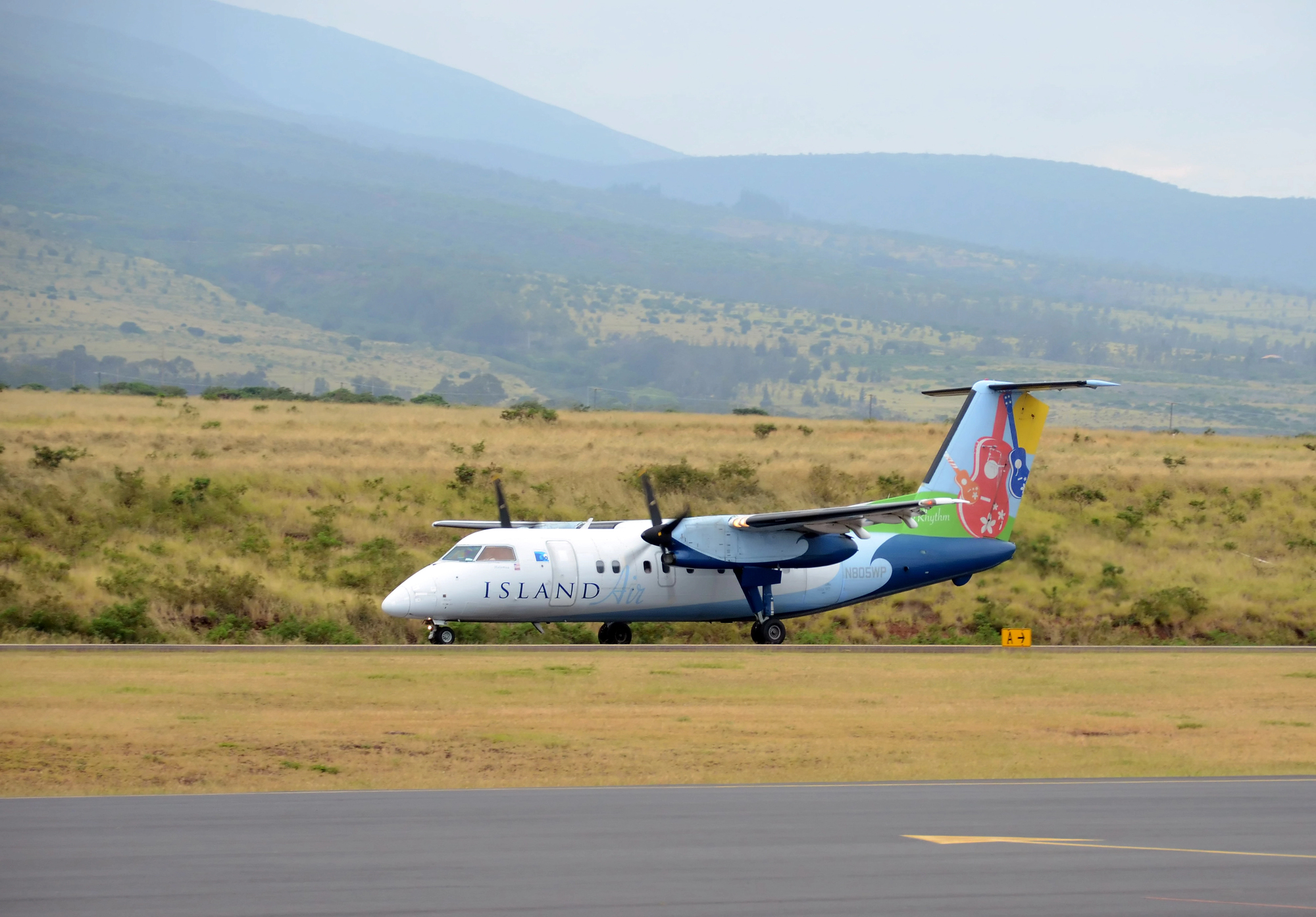
Flying is the only way to get to Molokai right now. Small propeller planes connect the island’s airport in Hoʻolehua with Honolulu and with Kahului on Maui. The hop from Honolulu takes under half an hour. Book seats early for a Molokai family vacation, since the planes are small and holiday flights fill quickly.
Why There Is No Ferry
The passenger ferry between Maui and Molokaʻi made its last run in October 2016, and nothing has replaced it. Maui County is developing a county-run ferry program, with service to Molokaʻi targeted for 2029. Until then, any guide promising a ferry ride over is out of date.
The Small-Plane Arrival Kids Talk About for Years
Here is a moment your kids will retell at every Thanksgiving for a decade. At check-in, everyone steps on a scale with their bags, because weight matters on a plane this size. Nobody makes a fuss about it.
Then the plane lifts off, low over the channel and close enough to count whitecaps. Molokai rises in the window, green cliffs on one side and red dirt fields on the other. Ask the youngest to spot the first beach. When you land, the terminal is small enough to cross in a minute.
Can You Do a Maui to Molokai Day Trip?
A Maui to Molokai day trip is possible by air, but it rarely works well with children. Between flights, picking up a car, and Molokai’s long, winding roads, you would spend most of the day in transit. You would also miss sunrise and sunset, the hours when the island feels most itself. Plan at least two nights instead.
Getting Around Once You Land
A rental car is essential. There is no rideshare on the island. Plus, the rental fleet is small, so you must reserve a car the same day you book flights. Gas stations are few, so top off the tank whenever you pass through Kaunakakai.
Drive slowly after dark. Deer roam the island, especially on the West End. They step into headlight beams without warning. Make the kids your official deer spotters. It keeps everyone alert, and they love the job.
Best Time to Visit Molokai
The best time to visit Molokai depends on what your family wants most from the ocean. Daytime temperatures stay in the mid-70s to high 80s all year, so the season shapes the water more than the weather.
The island stays quieter than Maui and Oʻahu every month. Although, January and school holidays bring the most visitors. Plan your Molokai family vacation around calm water, whales, or culture.
There are so many reasons to visit Molokai, but here are my favorites.
Summer Means Calm Water
Summer brings the gentlest ocean conditions of the year and the clearest snorkeling. It is also warm and dry. When the trade winds pause, heat and humidity climb fast. Plan beach time for mornings and late afternoons, then rest through the midday sun.
Picture a seven o’clock swim on a glassy south shore morning. The water is clear as glass near the sand, then turquoise over the reef. A sea turtle surfaces beside you, exhales with a soft puff, and slips under again.
Winter Brings Molokai Whale Season
Molokai whale season runs from roughly December through April, when humpbacks fill the channel between Molokaʻi, Maui, and Lānaʻi. Kids can watch for spouts from shore with binoculars. A boat trip with a local operator brings you closer when seas allow.
Winter is also wetter and windier. Daytime highs reach the upper 70s. Nights can dip into the 60s. North and west shores see bigger surf, which makes the calmer south and east sides your family’s best bet for the beach.
Spring Belongs to the Molokai Hula Festival
The Molokai hula festival, Ka Hula Piko, celebrates the island as the birthplace of hula each May or June. It is not a competition. Hālau from across Hawaii gather to share dance, chant, and the stories behind them, with island-made crafts and local food booths alongside.
Children often sit spellbound through the ancient hula, the kind rarely performed in public. Festival dates for 2027 have not been posted yet, so watch for the announcement before you book flights.
How Many Days on Molokai?
Three nights is the right length for a first family visit to Molokai. It gives you one day on the West End, one day driving east, and one day in the center of the island near town. Two nights can work if you move efficiently, but one night rarely justifies the flights and rental car.
A full week suits families who want to fish, snorkel daily, or slow down completely. Some of the best mornings happen on day five, when nobody remembers what day it is.
Things to Do on Molokai With Kids
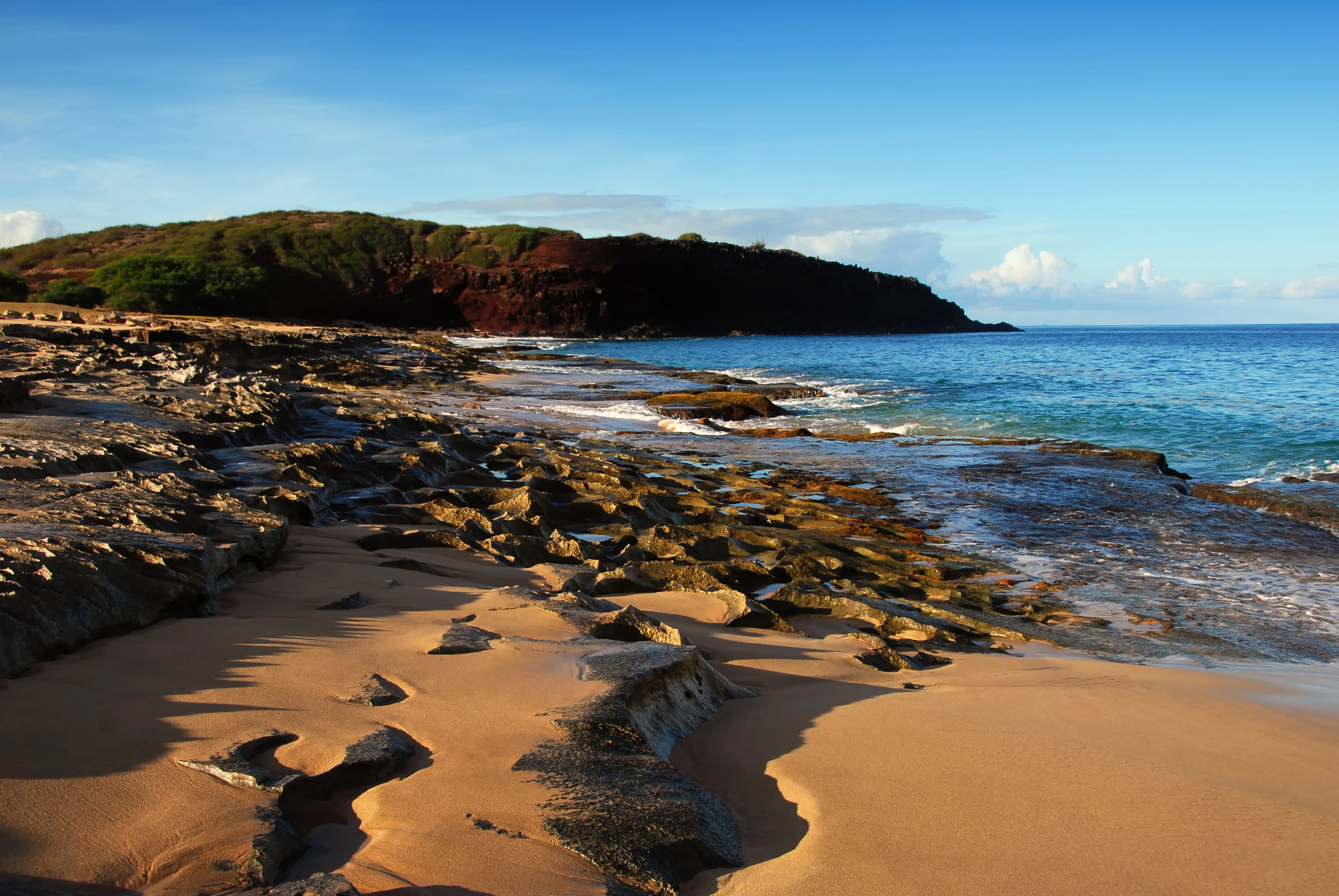
The best things to do on Molokai with kids happen outdoors, unhurried, and close to the water. Think of the island in three parts: The dry, sunny West End, the green and winding East End, and the central plains around town. Give each one its own day.
Sunset Walks on Pāpōhaku
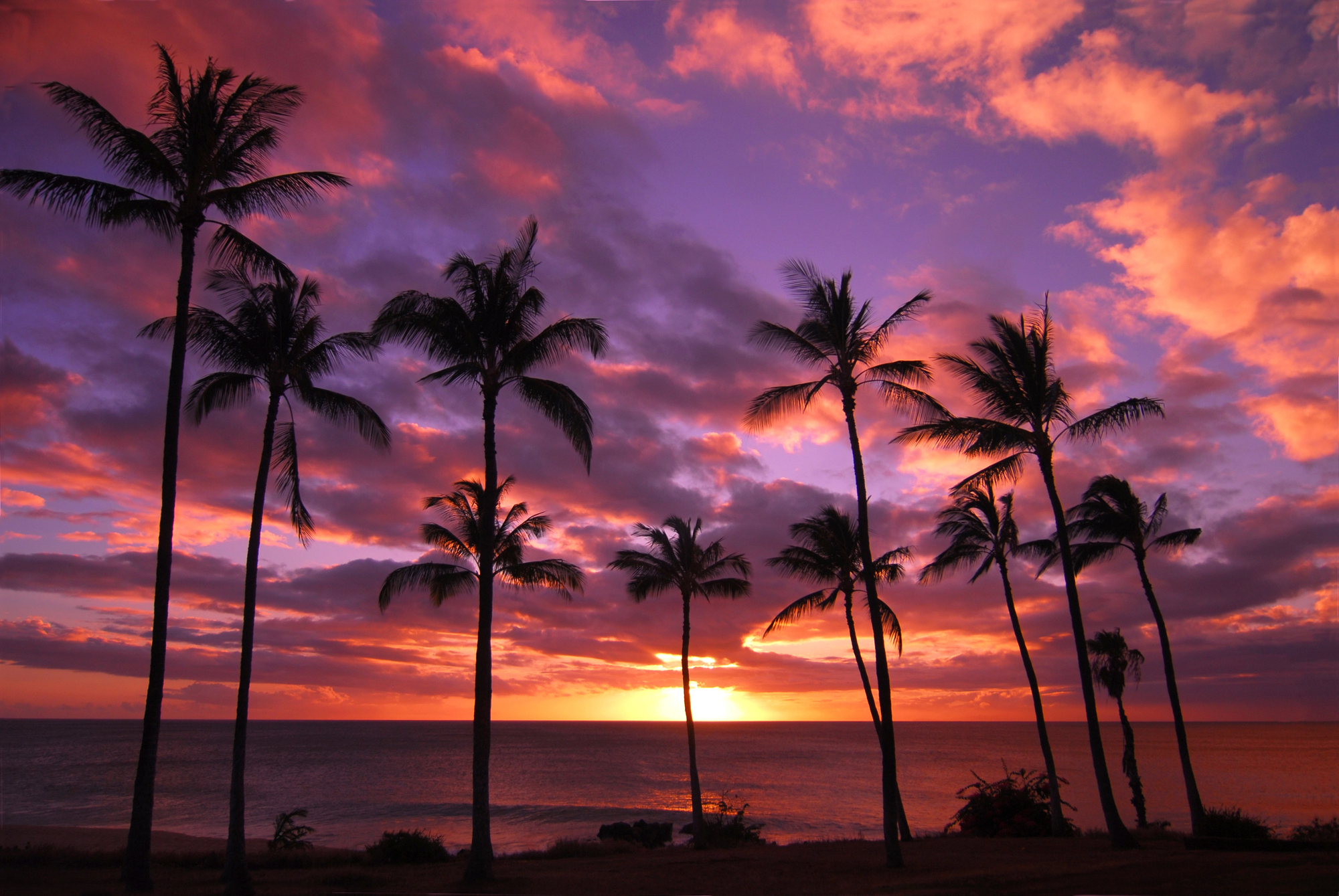
Pāpōhaku Beach on the West End is one of the largest white sand beaches in Hawaii. It is nearly three miles long. Arrive late in the afternoon with a picnic dinner. Let the kids sprint until they collapse, build a sandcastle fortress, and search the tide line for shells. Then sit together as the sun sinks toward Oʻahu, visible on clear evenings.
Keep everyone out of the water here. Pāpōhaku has powerful shore breaks and strong currents, especially in winter. It is rarely safe for swimming. Treat it as your family’s sunset beach, not your swim beach.
Kid-Friendly Beaches Molokai Families Love
For swimming and snorkeling, head east. Kumimi Beach, often called Murphy’s Beach, sits near mile marker 20. This is about 20 miles from Kaunakakai. A reef keeps the water shallow and gentle, ironwood trees throw shade across the sand, and picnic tables wait for lunch. It offers the most reliable calm snorkeling Molokai has for children.
Molokaʻi’s south shore holds the longest fringing reef in Hawaii. Through a mask, kids may spot yellow tangs, parrotfish crunching on coral, and a turtle gliding past. Remind them to never stand on or touch the coral. On windy days with cloudy water, skip the snorkel and come back the next day.
Check out the best beaches in Molokai.
The Drive East to Hālawa Valley
The road east from Kaunakakai runs about 27 miles and takes well over an hour. Pack a cooler, because food options disappear past town. The last stretch narrows to one lane, with blind curves and no shoulder. Drive slowly and yield early.
Fishponds Along the Way
Low stone walls curve out into the shallows along the south shore. These are loko iʻa, Hawaiian fishponds. Molokaʻi holds more of them than any other island. Some are centuries old, and community groups are restoring several today.
Pull over at a safe spot and explain the clever design. Small fish swam in through gated openings, ate and grew, then became too big to swim back out. Kids love the idea of a fish trap that works on its own. Stay off the walls, which are cultural sites and active work areas.
Walking Hālawa With a Local Guide
Hālawa is one of the oldest continuously settled valleys in Hawaii. The lookout near the end of the road is public, and the view down into the double bay earns the drive by itself.
The hike into the valley crosses private land, which means it runs only with a local family whose roots there go back generations. Your walk begins with cultural protocol and stories of the families who farmed this valley. It continues past ancient stone walls and across two river crossings to Moʻoula Falls, where you can swim in the wide pool at its base.
Expect mud, roots, and wet feet. Closed-toe shoes are required. Slippers, slides, and flip flops are not allowed. Children can join with a parent, so confirm age guidelines when you book.
Check out some of the best hikes in Molokai for your family vacation.
Central Molokai’s Small Wonders
The center of the island holds a cluster of short stops. These are ideal for a slower day near town.
The Kalaupapa Overlook
Pālāʻau State Park sits on the cliff top above the Kalaupapa Peninsula, about 1,600 feet below. A short path through cool ironwood forest opens onto a railing and a view that silences even the chattiest kids. The old settlement spreads across a flat green tongue of land, ringed by surf.
This is the place to tell its story. Starting in 1866, people with Hansen’s disease were forcibly sent there and separated from their families. Older kids often ask hard, good questions at this railing. Let them. The park reopened in July 2026 after facility upgrades.
Check out the best waterfalls on Molokai.
Farms, Lei, and a Coconut in the Mail
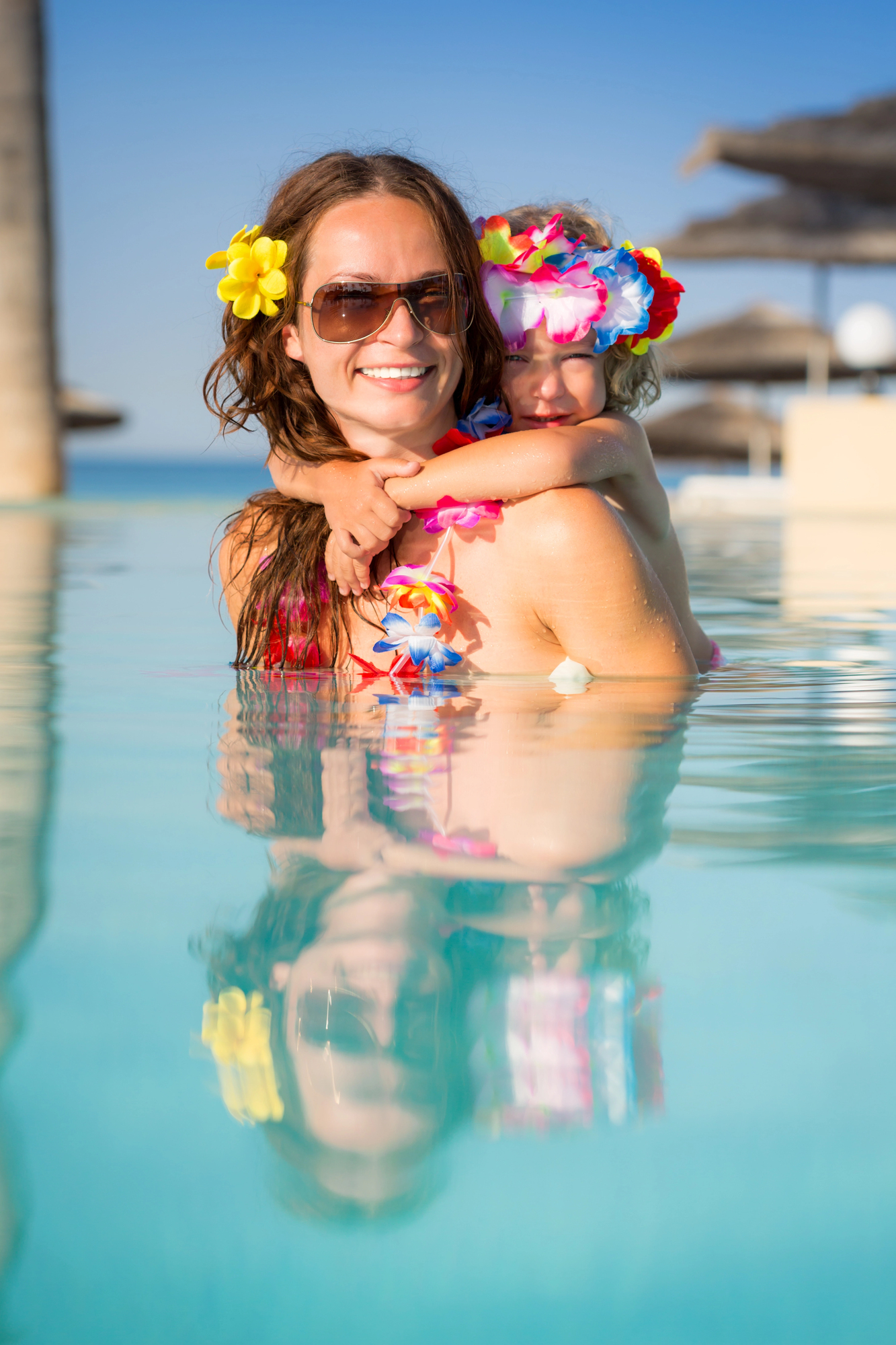
Spend an afternoon by keeping your hands busy. At a family macadamia nut farm, kids crack their own nuts under the trees and taste honey made from the blossoms. At a plumeria farm, they string fragrant yellow blossoms into their first lei.
Then try the island’s quirkiest errand. The post office in Hoʻolehua has long let visitors mail a coconut home, no box required. Kids write the address right on the husk. Call ahead to confirm the current rules before you go.
Check out more of the best things to do in Molokai during your family vacation.
Kalaupapa Tours: What Families Need to Know
Families researching Kalaupapa tours should know the peninsula is closed to public visits right now. The National Park Service ran its first ranger-led hiking tour on July 9, 2026, then paused future public tours while it reassessed visitor access. No date has been set for resuming them.
Even when tours run, they are not built for young children. Visitors must be at least 16. The hike descends a steep cliff trail of about three miles each way. There is a 1,600-foot elevation change and up to eight miles of walking in heat and humidity. The mule rides and fly-in tours that once carried visitors down are no longer operating. For now, the overlook is how your family shares Kalaupapa together.
Planning a Molokai Multigenerational Trip
A Molokai multigenerational trip works because the island moves at a pace every generation can match. There are no theme park lines, no crowded shuttles, and no pressure to see everything. Grandparents can rest without missing out, and kids can roam without vanishing into a crowd. When your Molokai family vacation spans three generations, plan around rhythm instead of attractions.
Molokai With Grandparents
A few practical details make Molokai with grandparents easier:
- The flight. Small planes mean steep, narrow steps and snug cabins. Tell the airline about any mobility needs ahead of time.
- The terrain. Many beaches and paths are soft sand, rock, or packed dirt. Sturdy shoes help, and a folding beach chair earns its suitcase space.
- The lodging. Request a ground-floor unit with air conditioning, since many island rentals rely on ceiling fans.
- Medical care. The island’s hospital in Kaunakakai runs a 24-hour emergency department and can arrange transfers to Oʻahu for a higher level of care. Pack enough prescription medication for the whole trip, plus a few extra days.
Moments That Bridge Three Generations
Picture rain tapping the lānai roof while Grandma teaches a seven-year-old the card game she learned as a girl. A few feet away, Dad and the teenager towel off after a morning snorkel. Nobody is waiting on anybody.
Build days like that. Mornings belong to the active crowd: The reef, the valley hike, and a long beach walk. Afternoons slow down for everyone, with naps, cold juice, and shade. Evenings bring the whole family back to a picnic table for sunset. The island’s legends land differently when a grandparent tells them.
Where to Stay on Molokai with Family
When you decide where to stay on Molokai with family, you will choose among condos, cottages, vacation homes, and the island’s single hotel, a cluster of bungalows near town. There are no big resorts.
For a Molokai family vacation, pick your base by what you want closest:
- Near Kaunakakai puts groceries, gas, and food minutes away. It is the easiest base for families with young kids and for day trips in both directions.
- The West End offers condos and rentals near Pāpōhaku and long sunset beaches. Expect dry, breezy weather and a longer drive to town.
- The East End brings green mountains, calm reef water, and cottages along the shore. It is the quietest of all, with the fewest services.
Wherever you choose, stay as close to the water as you can. Falling asleep to the sound of surf is half the reason families come.
Look for these features before you book:
- A full kitchen, since you will cook many meals
- A washer and dryer, a gift with sandy kids
- Air conditioning, which many units lack
- A covered lānai for slow mornings and sunset dinners
Book early. Rooms on Molokaʻi are limited, and the best family-sized units go first.
What Your Family Will Eat on Molokai
Molokai is not the island for fine dining, and that is part of its charm. Food here is local, generous, and served by families who have fed this island for generations. Eating well on a Molokai family vacation means mixing a few restaurant meals with plenty of home cooking.
The Hot Bread Window
This is the food memory your kids will take home. On select evenings, a historic Kaunakakai bakery sells loaves straight from the oven through a back door. You walk down a dim alley off the main street, follow the smell of warm sugar and yeast, and ring a bell at a half door.
Someone hands over a round loaf, split open and still steaming. Choose your filling: Butter, cinnamon, cream cheese, or jelly. Everyone tears in before the bag is even closed.
The window does not open every night, and loaves sell out. Check the hours before you go.
Plate Lunch and Loco Moco
A plate lunch is island comfort food on a paper plate: Two scoops of white rice, a scoop of macaroni salad, and a main such as teriyaki beef, kalua pork, chicken katsu, or mahimahi. It is filling, and picky eaters usually find something they like.
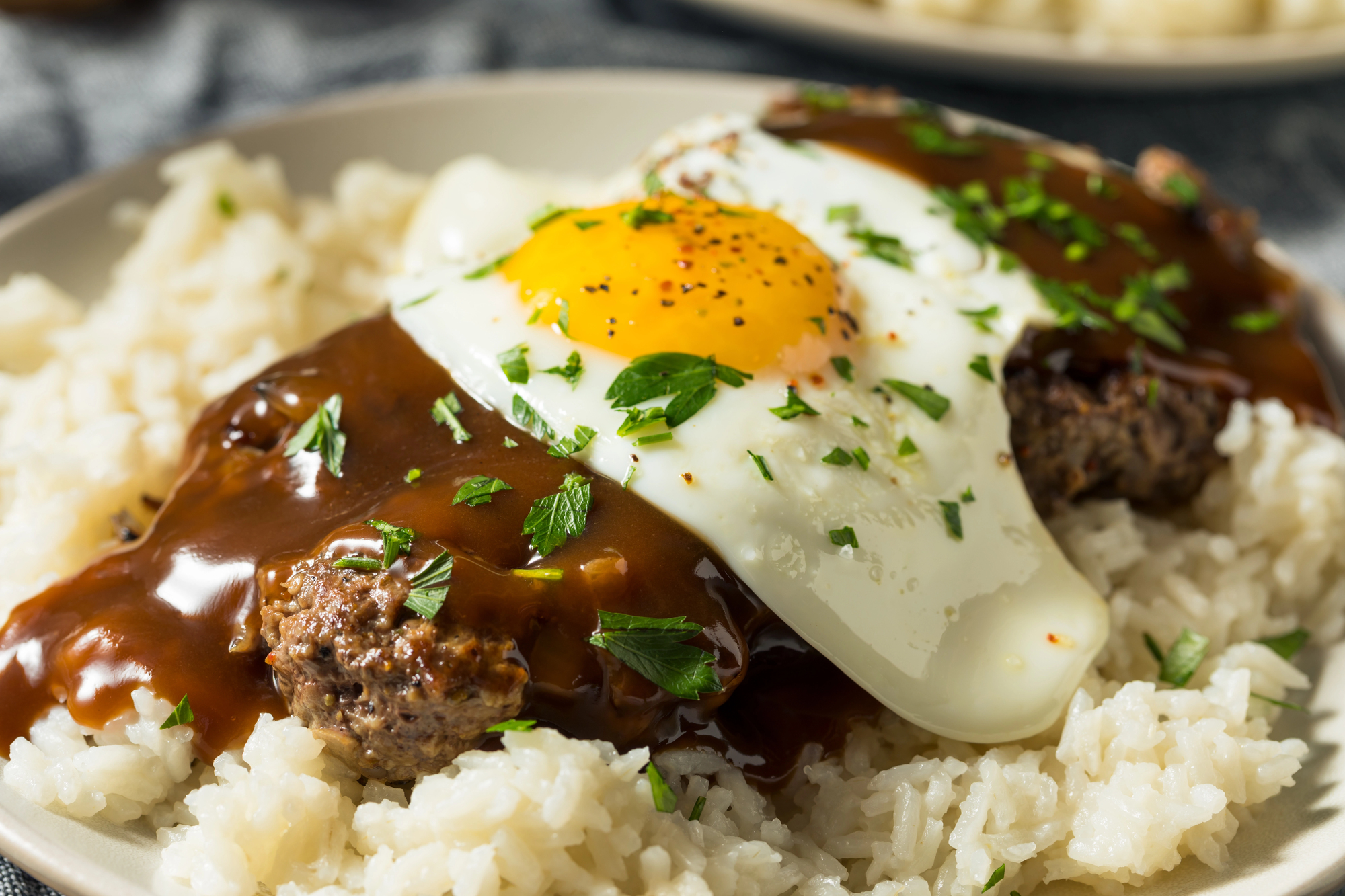
Loco moco is for the hungriest member of the family. A hamburger patty sits on a bed of rice, topped with a fried egg and smothered in brown gravy. Order one to share before deciding whether anyone can finish their own.
Grocery Runs and Lānai Dinners
Stores in Kaunakakai close early, and most groceries arrive by barge. Plan a full shopping trip on arrival day. Buy papaya, apple bananas, and fresh produce from roadside farm stands whenever you pass one.
Then cook simple dinners at your rental. Grilled fish, rice, and sliced pineapple taste better on a lānai as the light turns pink. These quiet dinners often become the meals everyone remembers.
Final Details Before You Fly
Packing for Your Molokai Family Vacation
Pack for warm days first: Shorts, T-shirts, sundresses, and swimsuits for everyone. Then add the items that make Molokai easier:
- Reef-safe mineral sunscreen, sun hats, and rash guards
- Comfortable walking shoes, plus closed-toe shoes that can get wet for the valley hike
- Sandals for the beach
- A light rain jacket or umbrella for passing showers
- A light sweater for cool winter evenings
- Your own snorkel gear, since rental options are limited
- A small cooler for long drives
- Binoculars for whale season
Sundays, Cell Signal, and Cash
Molokai runs on a slower clock, and Sunday is its quietest day. Many stores and restaurants close or keep short hours, so shop on Saturday and plan a beach day. Some families schedule their flight home for a Sunday.
Cell service drops out in parts of the island, especially on the East End. Download maps before you leave town. ATMs are few, and some businesses do not take cards, so carry enough cash for farm stands and small purchases.
Ready to Plan Your Molokai Family Vacation?
Imagine the last evening. Sandy feet rest on the lānai rail. The kids are wrapped in beach towels, quieter than they have been all year. The sky over the channel fades from orange to violet, and somebody asks if you can come back next summer.
That is what this island gives families. Not more to do, but more of each other.
As a travel advisor, I can help you achieve the perfect vacation in Molokai. I customize every vacation I plan, so you can have incredible experiences in every destination you choose. I would love to invite you to click here to schedule a planning session with me. Clicking the link will take you directly to my digital calendar to schedule a time that is convenient for you.
And if you aren’t quite ready to start the planning process, I would like to invite you to sign up for my newsletter here. It is a great way to continue receiving all the travel information I share, so you are well-informed when you do decide it is time for a fabulous family vacation.

Tracy is the owner of Elite Travel Journeys, a luxury travel agency dedicated to crafting extraordinary, memory-making journeys for families, multigenerational groups, empty nesters, and solo female travelers. A proud military veteran and President of the Central PA Chapter of ASTA, Tracy brings both discipline and deep passion to everything she does. With a particular love for river cruising, especially Europe’s enchanting Christmas Markets, she has been turning travel dreams into life-changing experiences since 2014. Tracy believes that extraordinary travel doesn’t just take you somewhere new; it changes who you are.
Enter your Name and best Email Address to receive
On Your Next Family Vacation
We respect your privacy and will never share or sell your information.
3 Ways to See It All in Alaska


On Your Next Family Vacation
Click here for 10 Exciting Family Adventures
You Can Plan
NOW