
The Best Time to Visit Croatia as a Solo Female Traveler Is Not When You Think
Every woman I know who has been to Croatia in July comes home saying the same thing: “It was beautiful, but I couldn’t really feel it.” The crowds are too thick. The heat is too relentless. And the cities are too loud with people who were all chasing the same postcard. If you are seriously considering solo female travel Croatia style, meaning the kind of trip where the place actually gets inside you, the calendar is everything. And the calendar most people follow is wrong.
The Best Time to Visit Croatia as a Solo Female Traveler Is Not When You Think
Why Summer in Croatia Is Not the Gift It Looks Like on Instagram

Here is what the photos do not show you. They do not show the cruise ships pulling into Dubrovnik harbor before nine in the morning, unloading thousands of day visitors into a walled city that was never built to hold them. They do not show the queue to walk the city walls stretching so long that by the time you reach the top, you are mostly experiencing the back of a stranger’s sun hat. And they do not show the heat bouncing off the limestone at noon. The restaurants that are so packed that solo travelers get the worst table without discussion. Or the ferry lines that eat entire afternoons.
July and August are when Croatia is at its most gorgeous and its most exhausted at the same time. The Dalmatian Coast sparkles. The water is every shade of blue that exists. And the experience of actually being there, moving through it slowly, feeling it, belongs to almost no one.
Learn where to visit during the summer as a solo female traveler.
The Crowd Problem Nobody Mentions Until You Are Already There
Picture yourself standing on the Stradun, Dubrovnik’s famous main street, at two in the afternoon in August. The stone beneath your feet has been worn smooth by centuries of footsteps, and right now several thousand of those footsteps belong to people who arrived by ship this morning and leave by tonight. You cannot hear the city. You cannot feel its age. You are managing traffic, not traveling.
Split tells a similar story in peak season. The lanes inside Diocletian’s Palace narrow to single file as tour groups move through in waves. Guides hold colored flags overhead, so nobody gets separated. Hvar Town fills to a density that makes the island feel less like a Croatian jewel and more like a very scenic queue.
This is not a complaint about other travelers. It is simply the reality of what peak season does to places this beautiful. And why when to visit Dubrovnik without tourists is one of the most-searched questions about Croatia on the internet.
What the Heat Actually Does to a Solo Trip
Solo female travel Croatia has a particular texture that crowds and heat both erode. When you are moving alone, you set your own pace. You stop when something catches you. Eat when you are hungry. Change direction without negotiating.
High season heat on the Dalmatian Coast, routinely above 90 degrees Fahrenheit through July and August, compresses that freedom. You retreat indoors during the middle of the day. Evening exploration, which is some of the finest solo travel there is, feels heavier when the air still holds the day’s warmth at ten at night and the streets are dense with people.
The solo female traveler’s greatest asset is her ability to move exactly as she pleases. Summer in Croatia works against that.
What Shoulder Season in Croatia Actually Feels Like
The best time to visit Croatia is the question I get asked more than almost any other, and my answer is always the same: Go after the school year starts. Go when the cruise ships slow down and the restaurant owners have time to actually talk to you. Visit when the light turns golden earlier in the evening and the Adriatic is still holding every degree of warmth it absorbed all summer. Croatia shoulder season is not a compromise. It is the upgrade.
I want you to picture it. A terrace above the sea, late September, a glass of local white wine the color of pale straw. The street below you has people on it, but not crowds. A cat crosses the square without having to navigate around anyone. The waiter brings your order and asks where you are from because he is genuinely curious, not because he is moving through a script before turning the table. This is what Croatia actually is. Most visitors never get to find out.
September in Croatia: Still Summer, Just Yours

Visiting Croatia in September means inheriting summer after the noisiest guests have gone home. The Adriatic Sea temperature sits at roughly 74 degrees Fahrenheit most of the month. Warmer than it was in June. It is warmed by the entire weight of the summer behind it.
The beaches are swimmable. The islands are open. And the ferries are running full schedules.
What has changed is the crowds. The school calendars of northern Europe and the United States empty the coast with remarkable efficiency.
By the second week of September, you can walk Dubrovnik’s city walls at eight in the morning and share them with a handful of photographers and early risers rather than a crowd. You can stand at the top and hear the water. You can actually look at the city instead of managing your position in it.
September is also when Croatia becomes most itself, in terms of food. The summer tourist menus give way to what the restaurants actually want to cook. The fresh catch prepared the way local families eat it. Seasonal vegetables. The wines from nearby hillside vineyards.
You are no longer eating for the crowd. You are eating for the place.
Check out a few more of the perfect autumn vacation destinations for solo female travelers.
October in Croatia: When the Place Belongs to the Locals
Croatia in October solo travel is an entirely different emotional key. Where September still hums with warmth and residual summer energy, October settles into something quieter and more interior. The light changes. The evenings arrive earlier and cooler. And in Istria, the entire region pivots to truffle season.
The Istrian peninsula in October smells like wet earth, woodsmoke, and something deeper underneath. The particular mineral richness of white truffles being unearthed from the ground at Livade and Buzet and the surrounding hill towns.
The Zigante Truffle Days celebration draws food lovers who are primarily Croatian and Italian. This means you are no longer in a tourist economy. You are in a real one. You eat what the people who live here eat, and you pay what they pay for it.
The Croatia off peak season advantages stack up differently in October than in September. Some of the smaller island connections begin to thin their schedules. A handful of businesses on the smaller islands start closing for the winter. But the cities, Dubrovnik, Split, Zadar, Zagreb, are all fully operational and far more interesting than they were two months earlier. All because they are operating for their residents now, not for their visitors.
Is Croatia Safe for Solo Female Travelers in Shoulder Season?
Let me answer this the way I would answer it over dinner, directly and without hedging. Is Croatia safe for solo female travelers? Yes, with confidence I do not extend to every destination around the world.
Croatia has one of the lowest violent crime rates in Europe. The culture is reserved in the way that Mediterranean cultures often are. This means strangers are polite and rarely intrusive. I have walked alone on lit stone streets at midnight in Split and felt safer than I have in several major American cities in broad daylight.
Shoulder season does not change any of that. If anything, it improves it.
What Safety Feels Like in Croatia for Solo Female Travelers
The safety experience you feel is different from the statistical version. Yet, both matter when you are planning a solo trip. I want you to have both.
The statistical version: Croatia’s crime index is among the lowest in the European Union. Tourist police are present and visible in the coastal cities through the shoulder season. The country is small, well-organized, and English is spoken widely enough that you will rarely be stranded without a way to communicate.
The version you will feel: Sitting alone at a harbor-side table in Zadar as the sun organ plays its strange, beautiful music at sunset, and not once scanning the perimeter or calculating your exit. Navigating the ferry from Split to Hvar with just your bag and your ticket and a sense of complete ease. Asking for directions from a man outside a bakery in a small Istrian hill town and receiving a ten-minute tour of the surrounding streets in return, offered freely and with no expectation attached.
Check out the best countries to visit as a solo female traveler.
Shoulder Season Safety Specifics
The particular conditions of shoulder season add a layer of practical advantage that peak season cannot offer. Fewer crowds mean cleaner sight lines. When a piazza has forty people in it instead of four hundred, you see everything.
You keep your bag without effort. You are not pressed against strangers on ferry gangways or squeezing through narrow lanes where pickpockets work best. The quieter pace of shoulder season is not just more pleasant. It is structurally safer.
Local residents are also more present and more visible in shoulder season than in the height of summer, when the tourist economy can make a place feel temporarily inhabited by people who are passing through rather than people who belong to it.
In shoulder season, the woman behind the market counter has time to show you which figs are best today. The man at the wine shop tells you which valley the bottle is from. These interactions are not just pleasant. They root you in a place and make you less of a stranger in it, which is its own form of safety.
The Solo Female Traveler’s Case for the Dalmatian Coast in Shoulder Season
I want to make the full affirmative case here, because the Dalmatian Coast shoulder season travel tips you find most places online focus on logistics and miss the point entirely. This is not just about fewer crowds. It is about what kind of trip becomes available to you when you strip away the summer infrastructure and let the place return to itself.
Solo female travel Croatia is best experienced this way: At the pace the country actually lives at.
Island Hopping Without the Chaos
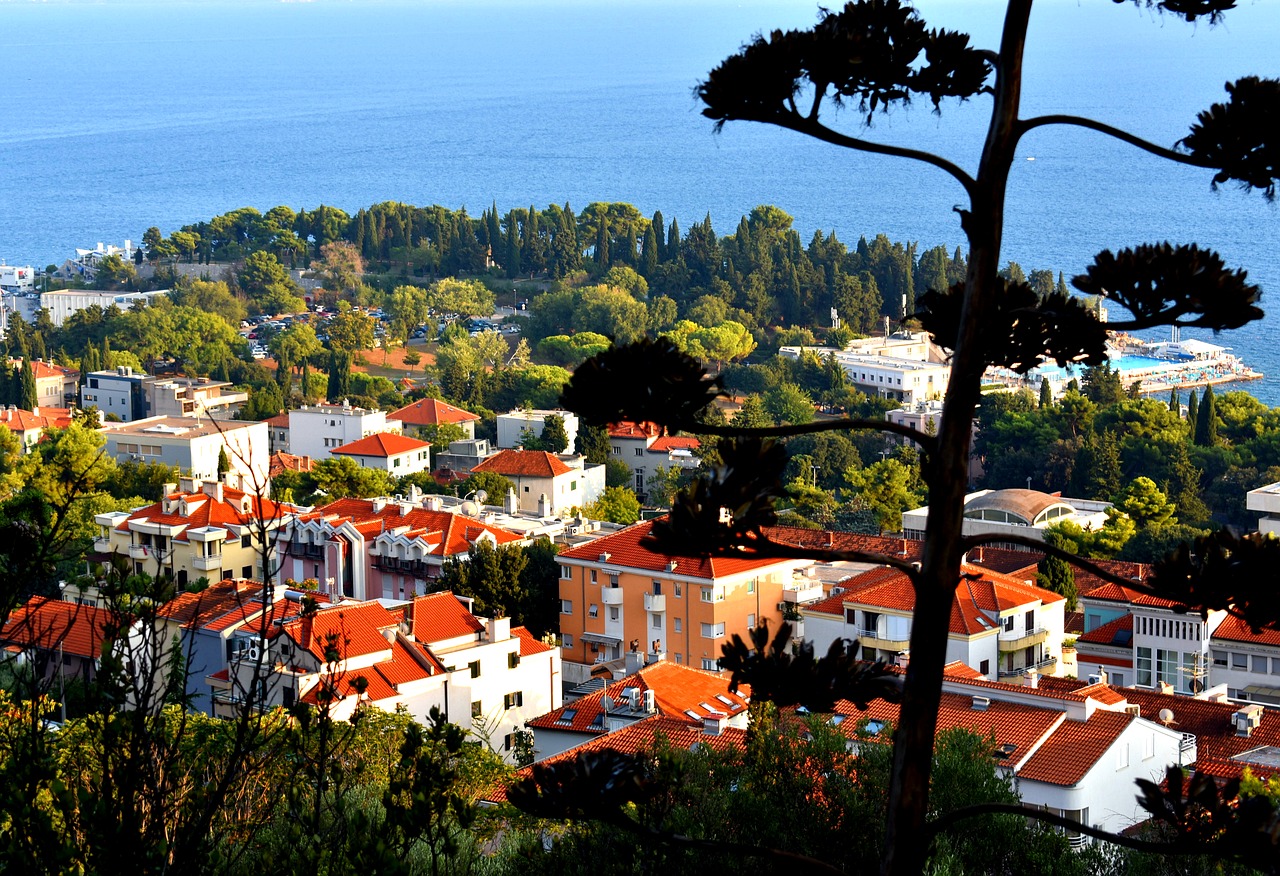
Croatia’s ferry system is one of the great gifts of the country. It is a network of boats connecting the mainland to more than a thousand islands. They run on schedules that are, by the standards of the Adriatic, remarkably reliable.
In shoulder season, the main routes, Split to Hvar, Dubrovnik to Korcula, the connections to Vis and Brac and the smaller islands of the Dalmatian archipelago, are still running full service through September and most of October.
What is different is the arrival. The ferry from Split pulls into Hvar Town harbor in September and there is space on the dock. You step off and look up at the fortress on the hill and the pale stone of the town below it and the whole scene has breathing room.
You are not negotiating your way through a crowd to get to your accommodation. You are arriving. There is a difference, and it is the difference between travel and transportation.
Eating and Moving at Your Own Pace
One of the most underrated pleasures of solo female travel Croatia in shoulder season is what happens at the table. In peak summer, restaurants along the Dalmatian Coast run at capacity and the experience reflects it. Menus lean toward efficiency. Service runs toward transactions. And the solo diner often gets a corner seat and a slightly hurried energy from the staff.
In September, the table by the window is yours. The owner is there, not hiding in the back. The staff has time to tell you that the octopus was caught this morning and that the house wine comes from a family vineyard twenty minutes up the road.
You linger. You order a second glass because no one is waiting for your table. And you leave when you want to leave.
This is the version of Croatia that ruins every other place you visit afterward, because it spoils you completely for the rushed version.
What the Water Looks Like in September
I want to describe this because no photograph I have seen does it justice. The Adriatic in September is the warmest it will be all year, because it has spent three months absorbing the summer sun and has nowhere to release that heat until the autumn winds begin.
The color is a blue that does not exist in many other places on earth. Somewhere between turquoise and sapphire depending on the depth. It has a clarity that lets you see the bottom in fifteen feet of water as though you are looking through glass.
Swimming alone in a cove near one of the quieter Dalmatian islands in shoulder season, with the water that temperature and that color and the beach mostly empty, is one of those travel experiences that recalibrates your entire sense of what a trip can be. You float. You look up at the limestone cliffs. You hear almost nothing. You think: I came alone, and this is better because of it.
Where to Go: The Best Destinations for Solo Female Travel Croatia in Shoulder Season
Croatia rewards the woman who chooses her places thoughtfully rather than following the standard greatest-hits circuit in the standard order. In shoulder season, specific destinations open up in ways they simply cannot in summer. Each one offers something particular to the solo traveler.
Dubrovnik Without the Cruise Ships
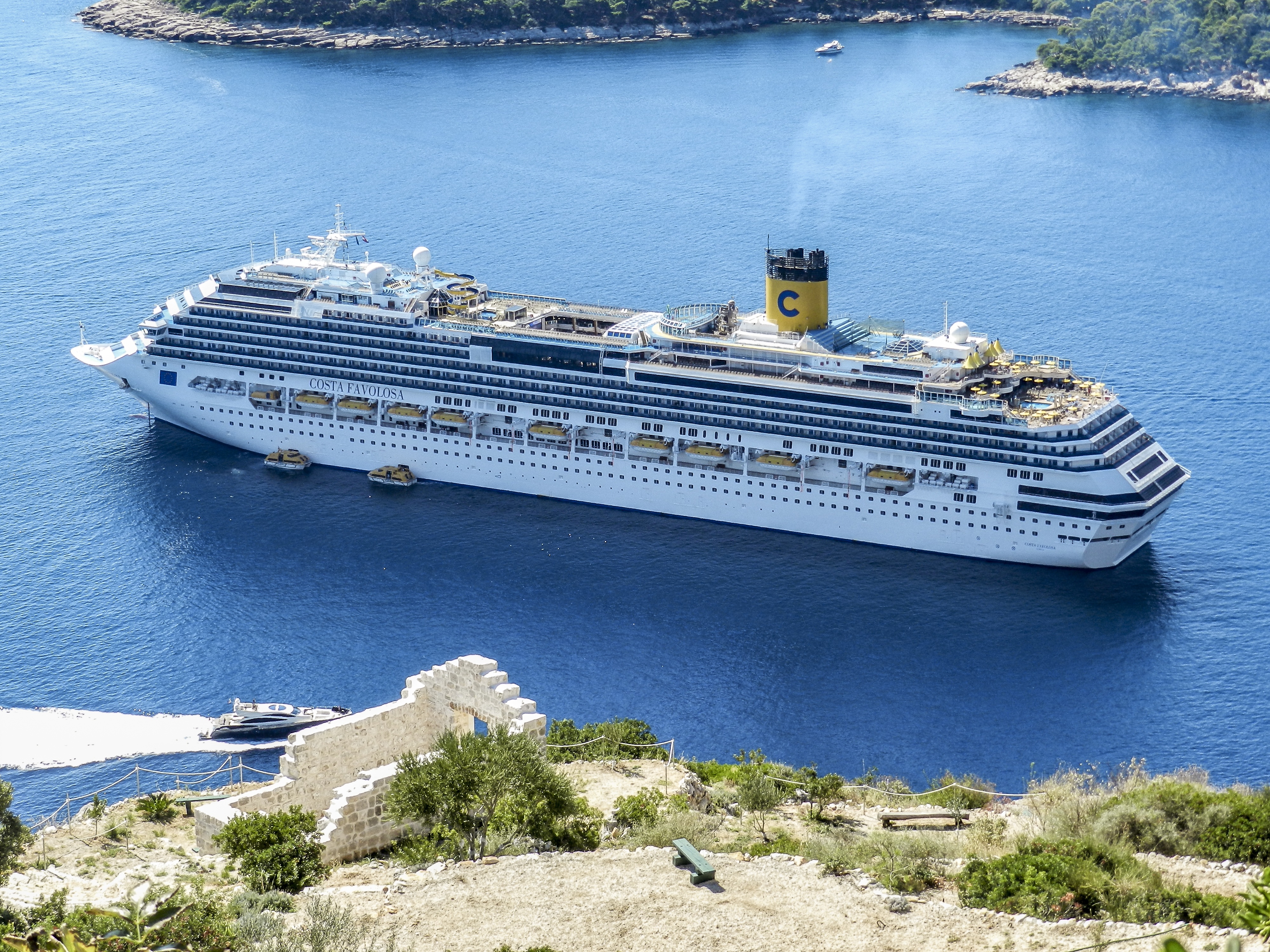
The city everyone told you about is actually more extraordinary than the reputation suggests, but only if you arrive when the cruise ships are not in port. In shoulder season, particularly from mid-September onward, the frequency of large ship arrivals drops significantly.
The Stradun stretches ahead of you in the morning light without the shoulder-to-shoulder crowd. The city walls offer panoramic views over the old town and the sea that you imagined when you first saw the photos. You can stand at a battlement and look for as long as you want without feeling the pressure of the line behind you.
Walk the walls early. Stay for dinner inside the gates when the day visitors have gone and the city returns to its residents. The Dubrovnik that exists at nine in the evening in late September is the one worth crossing an ocean for.
Split as a Base, Not Just a Stop
Most itineraries treat Split as a transit point. The place you pass through to catch a ferry. That is a genuine waste of a city.
Split in shoulder season earns a few days of full attention. Diocletian’s Palace, which is not really a museum, but a living neighborhood built inside Roman walls, is walkable and discoverable at a pace that makes sense only when the streets are not full. The produce market outside the palace walls still runs in September and October. It offers a seasonal richness with pomegranates, figs, and the last of the summer tomatoes.
Split is also a good base for the solo female traveler because it is large enough to have everything you need and small enough that you learn it quickly. On your second morning, you know which cafe to go to. Which way the harbor faces. How long it takes to walk from one end of the old town to the other. You feel at home. That feeling is the whole point.
The Islands That Reward the Woman Who Waits
Hvar in shoulder season is the island it always wanted to be when it was not overrun. The lavender fields have finished blooming, but the scent lingers in the dry heat of the hillsides. The harbor is beautiful and navigable.
Korcula, often called Little Dubrovnik for its medieval lanes and stone architecture, is even better in fall. It is quieter and more self-possessed. The kind of place you stumble through slowly and keep thinking you should leave and do not.
Vis, the most remote of the accessible Dalmatian islands, rewards the solo female traveler who gets there before the season fully closes, because the fishing village pace of the place is most visible when the summer energy has receded.
Istria for the Solo Traveler Who Wants to Eat Her Way Through a Region
If the Dalmatian Coast is Croatia’s famous face, Istria is its secret. The peninsula in the northwest of the country carries a strong Italian influence in its food, its architecture, and its unhurried approach to meals.
In shoulder season, Istria is at the height of its culinary calendar. Truffle season brings a particular kind of food tourism that is serious rather than performative. People who have come to taste, to learn, to sit at long tables and eat slowly.
The hill towns of Motovun, Groznjan, and Rovinj in the cooler October light are among the most beautiful places I have been anywhere. They are best experienced alone, at your own pace, with no agenda except the next meal and the next view.
First-Time Solo Female Traveler in Croatia: What You Actually Need to Know

If this is your first solo trip, or your first time approaching solo female travel Croatia specifically, I want to address the questions you are actually asking. Not the logistical ones printed on every travel website, but the real ones.
- Can I do this?
- Will I feel alone in a bad way?
- Will I be able to get from place to place without help?
The answers are yes, no, and yes, easier than you think.
Getting Around Croatia Is Easier Than You Think as a Solo Female Traveler
Croatia is organized in a way that feels almost designed for the solo female traveler. The country is long and narrow, with the main coastal cities strung along the Adriatic like beads on a string.
The Jadrolinija ferry network connects the mainland ports to the islands on published schedules that are reliable enough to plan around. Long-distance buses connect Zagreb to Split to Dubrovnik to Zadar with comfortable frequency. The logic of the place becomes clear within a day of arrival.
For the first-time solo traveler, this structure is genuinely reassuring. You are not navigating a complex web of options. You are following the coast, choosing where to stop, getting on the next ferry or the next bus when you are ready to move. The country holds you loosely and lets you go at your own pace.
Learn how to go biking through Croatia during your vacation.
How to Time Your Shoulder Season Trip for Solo Female Travel in Croatia
The ideal shoulder season window for most solo female travelers in Croatia is the second week of September through the third week of October. This catches the Adriatic at its warmest for swimming, the September harvest energy on the coast, and the beginning of truffle season in Istria without pushing into the period when smaller ferry connections start closing down.
Arrive with a loose structure rather than a packed itinerary. Know your first night’s accommodation and your general direction. Let the rest form as you move. Croatia in shoulder season rewards the woman who leaves herself room to stay an extra day somewhere because the light was right. Or to catch a boat to a smaller island because someone at breakfast mentioned it was worth the hour.
The Real Reason Solo Female Travelers Who Visit Croatia in Shoulder Season Never Go Back in Summer
There is a version of this trip where you go in July because that is when everyone goes and you do not want to miss anything. You come home saying it was beautiful but a little overwhelming. And you think Croatia is a place you check off rather than a place you carry with you.
And there is another version, the shoulder season version, where you go in September or early October and something shifts during the trip that is hard to explain to someone who was not there. The solo female travel Croatia experience in shoulder season is not just quieter. It is truer. You are meeting the country as it actually is, not as it performs under the pressure of peak season.
The woman who makes this trip alone, in the right season, comes home with something she did not expect to find. Not just photographs of the Adriatic. Not just a passport stamp. Instead, a private confidence that comes from navigating a beautiful place entirely on her own terms. Making every decision herself. Sitting at every table she chose. Watching every sunset from the exact spot she wanted.
That confidence is cumulative. It compounds. And it starts in September, on a terrace above the sea, when the place is quiet enough for you to actually hear yourself think.
The glass of pale Croatian white is almost empty. The light over the Adriatic has gone from gold to rose to the particular deep blue that comes just before the stars. No one is waiting for your table. No one is asking where you want to go next. The next decision is yours, as all of them have been, since the moment you decided to come alone.
That is not the backup plan. That is the whole point.
So, are you ready to start planning your trip to Croatia as a solo female traveler?
If you said yes, I would like to invite you to click here to schedule a personalized planning session with me. Clicking the link will take you directly to my digital calendar to schedule a time that is convenient for you.
Not ready to start planning a vacation in Croatia just yet? Sign up for my newsletter and stay up to date with all the travel information I share.

Tracy is the owner of Elite Travel Journeys, a luxury travel agency dedicated to crafting extraordinary, memory-making journeys for families, multigenerational groups, empty nesters, and solo female travelers. A proud military veteran and President of the Central PA Chapter of ASTA, Tracy brings both discipline and deep passion to everything she does. With a particular love for river cruising, especially Europe’s enchanting Christmas Markets, she has been turning travel dreams into life-changing experiences since 2014. Tracy believes that extraordinary travel doesn’t just take you somewhere new; it changes who you are.
Enter your Name and best Email Address to receive
On Your Next Family Vacation
We respect your privacy and will never share or sell your information.
3 Ways to See It All in Alaska


On Your Next Family Vacation
Click here for 10 Exciting Family Adventures
You Can Plan
NOW