Best Multigenerational Family Vacations for 2027: Where Grandparents, Parents, and Kids All Win
It is 11:40 on a Tuesday night, and you have fourteen tabs open, a family group text arguing beaches versus cities, and a mother who mentioned her knees twice at Sunday dinner without ever saying the word “trip.” Somewhere in that noise is a vacation all three generations will talk about for years, and the best multigenerational family vacations for 2027 begin with finding it. The secret is not the destination with the longest list of attractions. It is the place where your father gets his quiet morning, your kids get their adrenaline, and everyone finds their way back to the same long table by sunset.
I have planned these trips for families who could not agree on a single restaurant. I have then watched them become the families who start the group text the following year asking, “Where next?” If you have been searching for the best multigenerational trips 2027 can offer, consider this your private briefing. You will find a way to match a destination to your family’s needs. These are places I would send my own family. Plus, I’m providing the planning rhythm that keeps everyone happy without you carrying every detail.
Best Multigenerational Family Vacations for 2027: Where Grandparents, Parents, and Kids All Win
What Makes the Best Multigenerational Family Vacations Work?
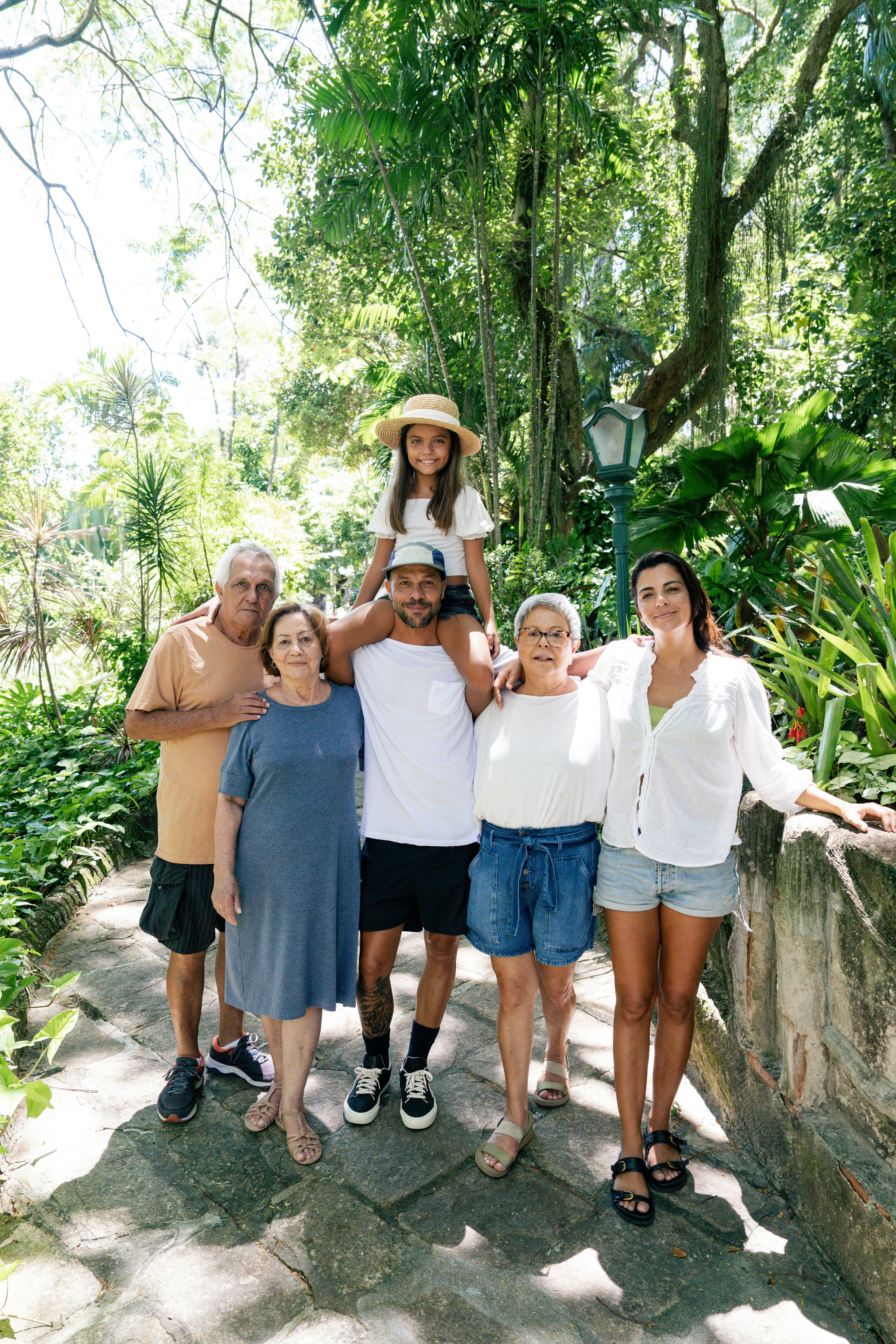
Picture a grandfather on a shaded terrace, coffee cooling at his elbow, counting out loud as his granddaughter cannonballs into the pool for the ninth time. Nobody planned that moment. Nobody needed to. It happened because the trip gave him a quiet place to sit. All while giving her a place to be loud. Plus, it kept them within sight of each other.
The best multigenerational family vacations work because every generation gets something of its own and something to share. Trips go sideways when one generation thrives and everyone else struggles. A theme park week can leave grandparents footsore by noon, while a museum-heavy city break can leave a nine-year-old having a meltdown on a bench. The places that succeed offer flexible lodging, a range of activity levels, and one easy gathering spot when the day winds down.
Why Are Three Generations Traveling Together More Than Ever?
Your sister lives three time zones away. Your parents split the holidays between two houses and still feel like they miss everything. Somewhere along the way, a week together somewhere new started to sound better than another rushed weekend visit.
You are far from alone. Families who once gathered only for holidays are now booking a week somewhere new together. Travel industry surveys keep ranking multigenerational and family trips among the most popular ways people travel as a group. In my own planning conversations, grandparents say it in a dozen different ways: They want time with their grandchildren, not another sweater under the tree.
Who Is Doing All the Planning?
Here is the part no destination list mentions. Someone is doing all of the planning. Usually it is you.
You know which grandchild gets carsick, which uncle needs an aisle seat, and that your mother will say she is fine when she is not. More than half of grandparents typically plan these trips and more working parents in the middle generation step up to plan and pay as well. Either way, one person ends up carrying the spreadsheet, the group text, and the worry.
I want this trip to feel different for you. You deserve to be the woman on the terrace too, not the one checking her phone for the shuttle confirmation. Keep that in mind as you read, because everything that follows is built to lift that weight off your shoulders.
Learn how to plan a luxury multigenerational vacation everyone in your family will remember.
Where Should We Go with Grandparents and Little Kids? Matching a Destination to Your Family’s Needs
Two families can look identical on a booking form and need opposite trips. One has a toddler still napping at two in the afternoon and a grandmother recovering from a hip replacement. The other has a sixteen-year-old who wants to cliff jump and a grandfather who still runs half marathons. Same headcount, completely different vacation.
Start with the needs of your family, not the shape of the map. Find yourself below, then skip ahead to the destinations that fit.
Toddlers, Strollers, and a Grandparent Who Walks Slowly
You need short transfers, sand close to your door, and lodging where nap time does not end the day for everyone else. Portugal’s Algarve and Maui both deliver beach days that entertain a two-year-old and a seventy-eight-year-old with equal ease.
Teens Who Want Adrenaline and Grandparents Who Still Do Too
Look for places where the active ones can zip, paddle, or hike at full speed while others choose a gentler version of the same adventure. Costa Rica, Croatia’s Dalmatian Coast, and the Yellowstone and Grand Teton region all let you split up by morning and compare stories over dinner.
A Vacation With Grandparents and Grandkids, No Parents Required
Skip-gen trips thrive on wonder and structure: A place that feels safe, runs on time, and fills each day with something new to discover together. Kyoto and Alaska’s Inside Passage both suit grandparents who want to lead the way.
The Big Gathering: Family Reunion Trip Ideas for Twelve or More
Large groups need one shared home base and room to spread out. Some of my favorite family reunion trip ideas center on a Provence farmhouse with a long outdoor table, or a South Africa journey that pairs a safari lodge with a city by the sea.
Which Multigenerational Trips in Europe Are Worth Crossing an Ocean For?
Multigenerational trips in Europe reward three generations with something rare: Beaches, ancient streets, and unhurried lunches within a short drive of one another. These three places earn a spot among the best multigenerational family vacations because each lets the group scatter by day and gather again by evening. All while no one feels left behind.
Portugal’s Algarve: Where Do Sea Caves and Long Lunches Meet?

The Tide Pool Moment
The tide is out, and the rocks below the ochre cliffs are full of tiny worlds. Your mother kneels at the edge of a pool with her linen pants rolled to the knee, pointing while your three-year-old shrieks at a crab the size of a coin. Behind you, sardines hiss on a grill and the Atlantic glitters like hammered silver. Nobody is checking a watch.
A Day for Every Generation
Mornings belong to the water. Licensed boats glide along honey-colored cliffs toward the Benagil sea cave, where sunlight pours through a round opening in its domed ceiling. Since August 2024, visitors can enter only with a licensed boat or guided kayak tour. No one may land on the cave’s inner beach. This keeps the experience calmer for everyone.
While teens paddle, grandparents can wander a whitewashed fishing village, browse hand-painted tiles, and claim a cafe table in the shade. Afternoons drift toward the pool. Evenings bring everyone back to a terrace for grilled fish, crusty bread, and a sunset that turns the cliffs the color of apricots.
How the Ground Feels Underfoot
The Algarve’s most dramatic coves sit at the bottom of steep wooden staircases built into the cliffs. Beautiful, yes. Easy on a replaced knee, no. Choose a base near beaches with level promenades and boardwalks instead. Save the clifftop trails for the hikers in your group. When booking a boat, ask whether boarding happens from a dock or straight from the sand. After all, wading in can challenge anyone unsteady on their feet.
When to Go in 2027
Aim for late May through June, or September. Seas tend to be calmest from late spring into early autumn. This means boat tours run more reliably, and you sidestep the August crush. By June the Atlantic welcomes kids who do not mind a bracing first plunge. Plus, the air stays gentle enough for afternoon walks.
Provence: Why Does a Farmhouse Change Everything?
The Market Basket Moment
Saturday morning, and the market square is a riot of color: Striped awnings, pyramids of peaches, and wheels of goat cheese dusted in ash. Your father carries the basket. Your daughter chooses the apricots, sniffing each one with great seriousness. Oh, and your sister bargains in the French she learned in high school. The vendor laughs and tucks an extra bunch of basil into her bag.
How a Villa Day Unfolds
A farmhouse turns three generations into one household. Mornings start slowly, with cafe au lait on stone steps while the kids splash in the pool. Midday brings a short drive to a hilltop village or a lavender distillery, then home for a long lunch under a plane tree.
Late afternoon is when Provence works its spell. Grandparents nap behind cool shutters. Teens borrow bikes. Someone starts a game of petanque on the gravel. By evening, the whole family is cooking together, shoulder to shoulder in a farmhouse kitchen, arguing happily over how much garlic is too much.
Cobblestones and Gentler Villages
Provence’s perched villages are lovely and steep, with cobbled lanes that tilt like ship decks. For grandparents who tire easily, valley-floor market towns offer the same charm on level ground. When choosing a villa, ask for at least one ground-floor bedroom with its own bathroom. Oh, and check how far the pool and terrace sit from the house.
Timing the Lavender in 2027
On the Valensole Plateau, lavender usually peaks from late June through the first week of July. In hot years, harvest can begin by mid-July, which means later dates risk bare fields. Fields at higher altitude around Sault bloom later, roughly mid-July to mid-August. My favorite window is the last week of June, before French school holidays fill the roads in early July.
Croatia’s Dalmatian Coast: Can Island Hopping Work at Every Pace?
The Ferry Deck Moment
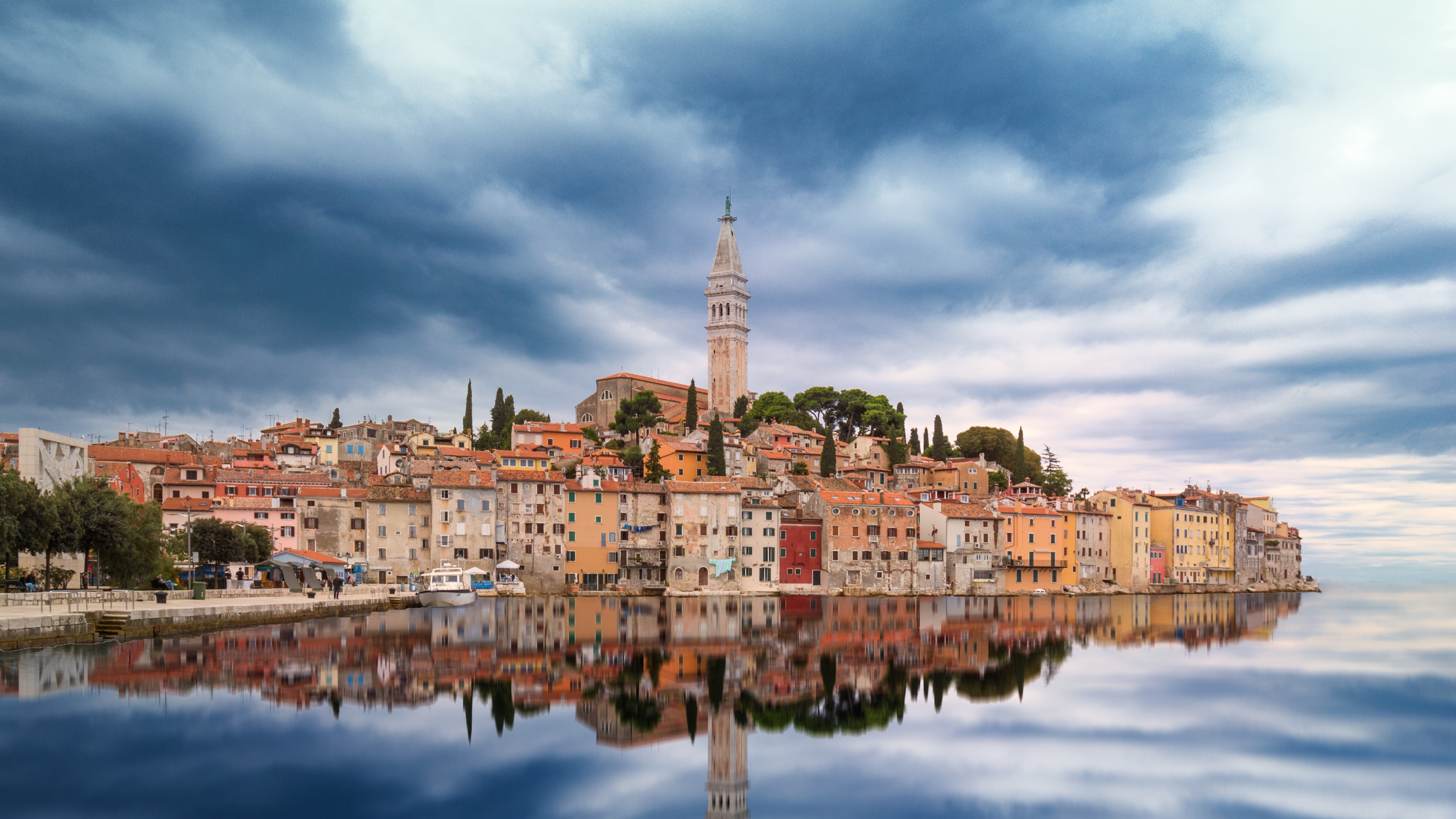
The ferry pulls away from Split, and the wind catches your son’s hair as islands rise out of the Adriatic like the backs of sleeping whales. Your father leans on the rail, naming each one from the paper map he insisted on buying. The water below is a blue you have only seen in paint swatches.
Kayaks, Ancient Walls, and a Shared Table
Split’s old town grew up inside a Roman emperor’s palace. Kids are delighted to learn that people still live within its ancient walls. Grandparents can linger in its stone squares while teens head out on a sea kayak tour along the coast. From there, ferries connect to islands like Hvar and Korcula, where medieval lanes open onto swimming coves. Evenings end the same way: A seaside table, grilled octopus, and the light going pink over the water.
Polished Stone and Ferry Gangways
Centuries of footsteps have polished Dalmatian limestone smooth. However, it turns slick when wet. Pack shoes with real grip for everyone. Ferries and catamarans involve ramps and a few stairs. This means building in extra boarding time for slower walkers and keeping luggage light enough to roll.
Why June and September Win
June and September bring warm seas, frequent ferries, and far fewer crowds than July and August. By June, the Adriatic usually reaches around 21 to 22 degrees Celsius, roughly 70 to 72 degrees Fahrenheit. This is comfortable for kids and inviting for grandparents. Many hotels and ferry routes scale back after September. So, October is a gamble for island hopping.
Which Multigenerational Travel Destinations Beyond Europe Deserve Your Attention?
Some multigenerational travel destinations ask a little more of you on the journey and give back tenfold once you arrive. These three belong with the best multigenerational family vacations because they deliver the kind of wonder that turns a ten-year-old and a seventy-year-old into equals, both seeing something for the first time.
Kyoto, Japan: Where Do Grandparents and Grandkids Find the Same Wonder?
The Lantern-Lit Evening
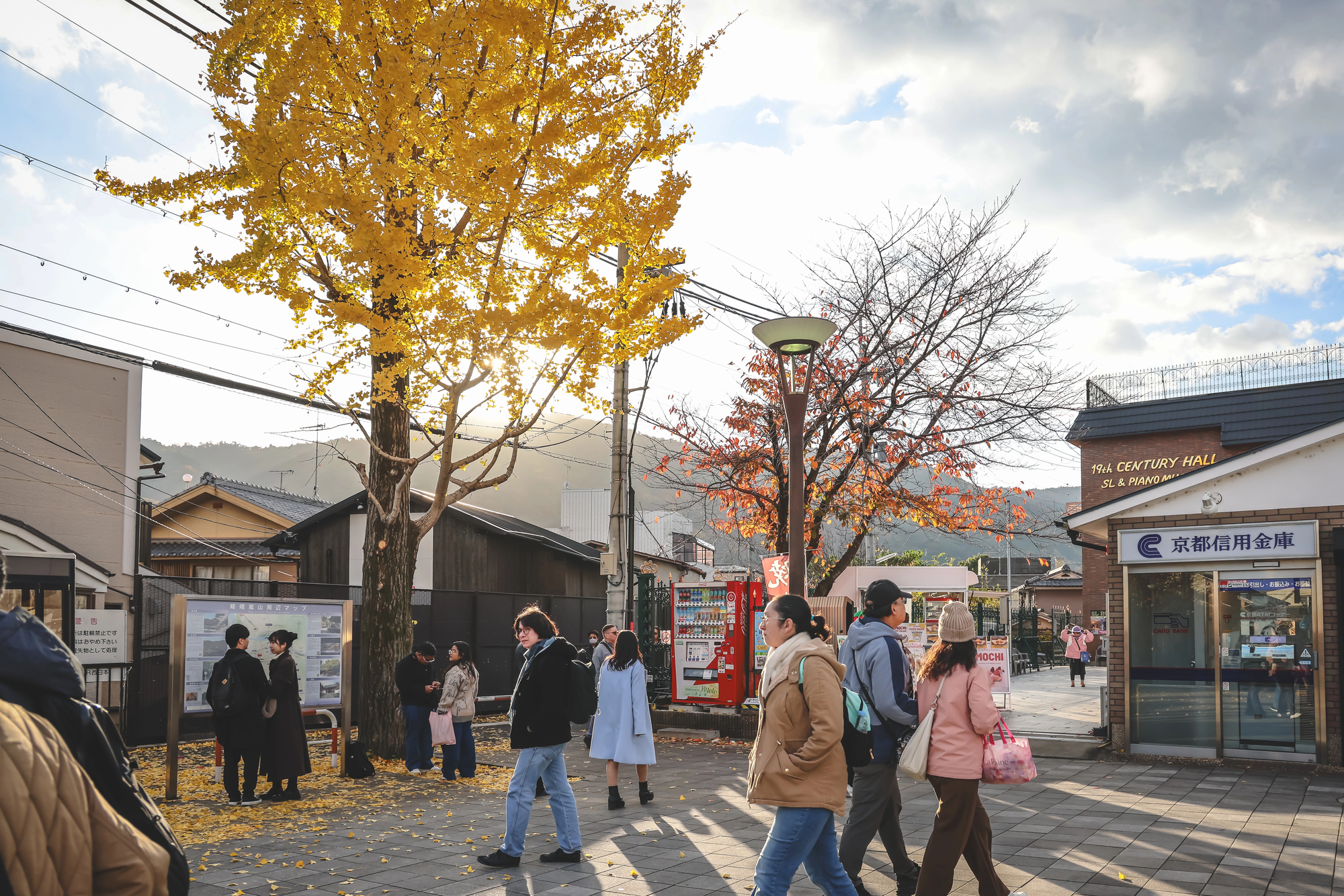
Dusk settles over Kyoto’s old quarter. Paper lanterns flicker on, one by one, along a narrow wooden lane. Your mother holds her granddaughter’s hand as they pass a teahouse where someone is plucking a koto. The air smells of roasted tea and rain on stone. Neither of them says a word, and neither needs to.
Temples, Brushes, and a Bento Lunch
Kyoto is clean, safe, and endlessly fascinating for every age. Mornings might bring a walk beneath the vermilion gates of Fushimi Inari or through the towering bamboo groves of Arashiyama. Afternoons suit a calligraphy or tea ceremony class. This is where grandparents and grandkids learn side by side, equally clumsy at first. Lunch arrives in lacquered bento boxes. Imagine little compartments of discovery that turn picky eaters into explorers. Trust me, it will be music to your ears to hear no complaining during a meal.
Temple Stairs and Garden Paths
Kyoto asks for the ability to climb stairs. The full Fushimi Inari climb takes two to three hours, though the most famous gates sit near the bottom. Hillside temples like Kiyomizu-dera require a sloping walk. Balance those with flat garden strolls and the Philosopher’s Path, which follows a canal lined with maples. Taxis are plentiful and spotless. Thankfully, they rescue tired legs during autumn, when city buses crawl. In traditional inns, ask for raised beds if floor futons would be hard on aging knees.
Autumn Color in 2027
Kyoto’s maples typically peak from late November into early December. Warmer autumns have nudged that window later in recent years. For American families, the timing lines up beautifully with Thanksgiving week, an ideal opening for a skip-gen trip. Book lodging early. The best locations fill months ahead for that window.
Costa Rica: Why Do Sloths and Hot Springs Win Over Every Age?
The Sloth Spotter
The guide is still adjusting his spotting scope when your seven-year-old whispers, “There.” High in a cecropia tree, a sloth turns its sleepy face toward the group. Your father, who swore he was too old for rainforests, laughs loud enough to startle a toucan off a nearby branch.
Zip Lines, Hanging Bridges, and Hot Springs After Dark
Near Arenal Volcano, teens soar above the canopy on zip lines while grandparents cross hanging bridges strung through the treetops. Everyone is close enough to spot orchids and tiny poison dart frogs. Later, the whole family sinks into volcano-warmed hot springs as the night insects begin their chorus. Add a few days on the Guanacaste coast for sunset beach walks and calm-water swims.
Uneven Trails and Easier Options
Rainforest trails can turn muddy, rooty, and steep after rain. Ask guides for shorter, flatter loops, and consider a river wildlife cruise, where crocodiles, herons, and monkeys come into view without a single step. Pack walking poles for anyone who wants extra stability on the trail.
Dry Season or the Little Summer?
The dry season runs roughly December through April, bringing sunny skies, firm trails, and the most reliable beach days on the Pacific coast. Easter week fills fast with local families, which makes it a week to book far ahead or avoid. For summer school breaks, July often brings a short dry spell in the middle of the green season, known locally as the veranillo. This is when forests are at their lushest.
South Africa: Can a Safari and a Seaside City Share One Trip?

The Silence Before the Elephants
The vehicle rolls to a stop, and the guide raises one hand. Nobody moves. Out of the thorn bush steps a matriarch, then another, then a baby elephant tripping over its own trunk. Your mother grips your daughter’s knee. Twenty minutes pass like two. Nobody wants to be the first to speak.
Game Drives, Penguins, and the Winelands
Pair a safari with Cape Town for a trip that covers every mood. Early mornings and late afternoons bring game drives, with long, lazy middays back at the lodge. In and around Cape Town, ride the cable car up Table Mountain, watch African penguins waddle beside the boardwalks at Boulders Beach, and spend an afternoon among the vineyards of the Cape Winelands. The latter is where grandparents savor the view and kids roll down the lawns.
Vehicle Steps, Lodge Layouts, and Age Minimums
Here is what most lists leave out. Many safari camps set a minimum age of six for shared game drives. Others require children to be twelve. Booking a private vehicle often opens the experience to younger kids. South Africa’s Eastern Cape reserves are malaria-free, meaning no one needs antimalarial medication. This is a gift for families traveling with toddlers or grandparents on complex prescriptions.
Safari vehicles sit high, with a big first step up. Ask whether the lodge keeps a step stool for boarding. Lodges also tend to spread out along long garden paths. A room near the main building saves tired legs at the end of the day.
Choosing Your Season
The dry winter, roughly May through September, brings the best game viewing as animals gather at waterholes. Although, early drives are cold. Cape Town runs on the opposite clock, with warm, dry weather from about November through March. April and May sit nicely between the two. Penguins live at Boulders Beach year-round. However, many head out to sea to feed in September and October.
Close to Home: Which Multigenerational Vacation Ideas Need No Passport?
Not every family can manage a long-haul flight, and not every family wants one. These multigenerational vacation ideas lean into landscape, which matters more than most lists admit. Some of the best multigenerational family vacations sit a domestic flight away, with no passports to renew and no jet lag to recover from.
Maui: Why Does the Beach Entertain Every Age?
Sunrise Above the Clouds
It is cold and dark at the summit of Haleakala. Your family huddles in blankets borrowed from the rental house. Then a thin line of gold cracks the horizon. The clouds below glow pink, then orange, then white. Your teenager puts her phone down without being asked.
Snorkel Masks, Slow Drives, and Luau Nights
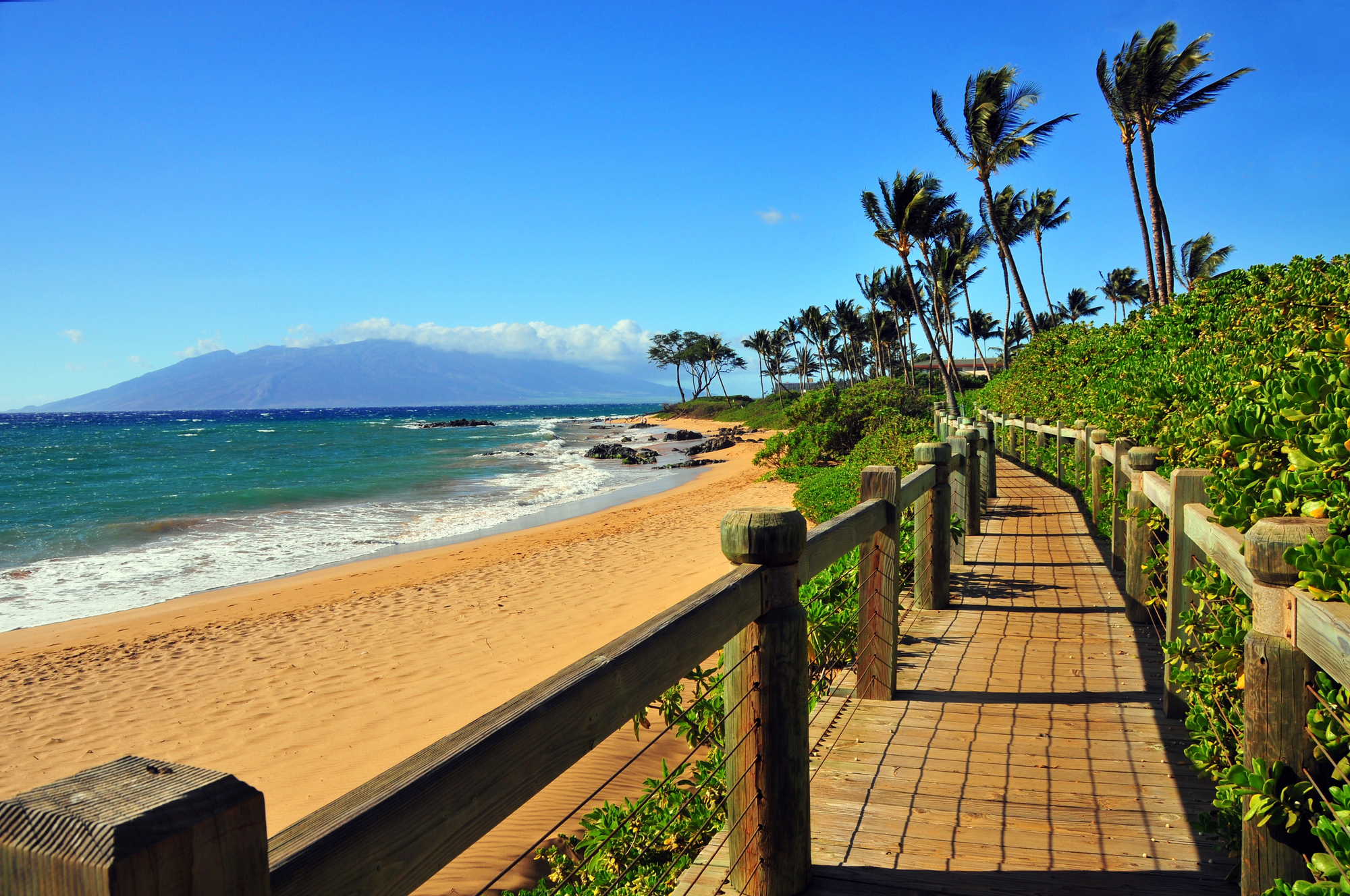
Days on Maui need little planning. Kids snorkel beside sea turtles in calm morning water while grandparents watch from beach chairs under a palm. A slow drive along the coast fills an afternoon with waterfalls and roadside banana bread stands. Evenings bring a luau, with fire dancers, slack-key guitar, and kalua pork lifted from an underground oven.
Easy Sand and Altitude Notes
Maui’s resort coasts offer paved oceanfront paths and gentle beach access. They are easy on strollers and canes alike. The one caution is altitude. Haleakala’s summit rises above 10,000 feet. The air there is thin and cold. Anyone with heart or breathing concerns should check with a doctor first. Sunrise viewing takes advance planning, which means checking the park’s current reservation rules before you go.
Whale Season Timing
Humpback whales visit Hawaiian waters from November through May, with peak numbers from January through March. Grandparents can watch spouts and breaches from shore while the kids keep a running tally. That peak overlaps nicely with February school breaks for families escaping a gray winter.
Check out more of the best multigenerational trip destinations in the US.
Alaska’s Inside Passage: Can You See Glaciers from a Deck Chair?

The Glacier Calves
A crack like thunder rolls across the fjord. A slab of blue ice the size of a building slides into the sea. Every member of your family gasps at once, from the toddler in the carrier to the great-grandmother bundled under a wool throw. The waves reach the ship a moment later, gentle as a sigh.
Whales, Totems, and Sled Dogs
The Inside Passage strings together island towns, fjords, and temperate rainforest. In Ketchikan, totem poles tell clan stories carved in cedar. Out of Juneau, whale watching boats find humpbacks feeding in the channels. Kids can meet sled dogs and their mushers at summer kennels, while grandparents watch the scenery glide past from a window seat.
Why the Water Is Kind to Tired Knees
On the water, the scenery comes to you. Grandparents with limited mobility can see glaciers, whales, and mountains from a deck chair. Port strolls tend to stay short and flat near the waterfront. Larger ships offer elevators and wide corridors. Smaller expedition ships reach quieter coves but often take guests to land by small inflatable boat. This calls for steady footing.
Season Window
Alaska cruise departures for 2027 run from late April through September, with a few smaller ships sailing into October. June brings more than 18 hours of daylight along the Inside Passage. July and August are peak months for whales and bears. Summer school break dates go quickly, so book well ahead.
Yellowstone and Grand Teton: What Happens When a Ranch Becomes Home Base?
The Geyser Crowd Holds Its Breath
Hundreds of people stand hushed along the boardwalk, watching a steaming mound of earth. Then Old Faithful roars skyward, and your son grabs his grandfather’s sleeve. On a typical day the geyser erupts roughly every 60 to 110 minutes. Rangers predict each eruption within about 10 minutes either way. Kids love trying their own predictions based on how long the last eruption lasted.
Horseback Mornings and Porch Rocker Afternoons
A guest ranch outside the parks gives your family one home base, with set mealtimes and activities for every age. Riders saddle up at dawn. Others claim the porch with a book and a view of the mountains. Afternoons might bring a drive through the Lamar Valley, where bison graze close enough to hear, or a gentle float trip beneath the jagged Tetons.
Boardwalks Through Steam
Yellowstone’s geyser basins are threaded with boardwalks that are mostly flat, though some sections include stairs and slopes. Altitude is the bigger factor. The Old Faithful area sits above 7,300 feet. This calls for rest and water breaks, especially on the first day. Some ranches welcome guests who will not ride at all. This is worth confirming before you book.
When the Roads Open
Yellowstone’s interior roads begin opening in mid-April, with more opening through late May as plows clear the high passes. Spring can still bring snow. June and September offer the gentlest blend of open roads, active wildlife, and manageable crowds.
How to Plan a Multigenerational Trip Without Planning It All Yourself
Let me tell you about the Callahans. Fourteen people, three generations, two toddlers, one grandfather on a low-salt diet, and a matriarch named Ruth who had wanted to see Provence for forty years. Here is how a trip like theirs comes together without one person losing sleep over it.
The Conversation That Happens Before Anything Is Booked
Before a single deposit, every household answers two questions. What do you most want from this trip? What would make it stressful for you? The Callahans learned more from those answers than from six months of group texts. One son wanted a pool, full stop. One daughter dreaded long drives. Ruth wanted one market morning and one long lunch that nobody rushed.
Where Should Everyone Sleep? The Home Bases Behind the Best Multigenerational Family Vacations
Your home base shapes every hour of the trip, which is why I ask families to picture each option at 7 a.m. and again at 9 p.m.
A villa or farmhouse feels like home. At 7 a.m., early risers make coffee in a shared kitchen. At 9 p.m., the kids sleep upstairs while the adults linger on the terrace. A resort hands the logistics to someone else, with kids clubs by morning and a choice of restaurants by night. A guest ranch runs on a rhythm of meals and activities. This is a relief when nobody wants to plan.
Families often ask whether cruises suit multigenerational groups. They often do: One unpacking, dining for every palate, and scenery that changes while grandparents rest. The tradeoff is less flexibility in port and crowds at the most popular stops.
Shared Mornings, Optional Afternoons, and an Evening Anchor
The rhythm that works best is simple. Mornings are for everyone, while energy runs high and the day is cool. Afternoons are optional, which lets grandparents nap, teens wander, and toddlers sleep without guilt. Evenings bring the whole family back around one anchor: A dinner, a sunset, and a game night.
On the Callahans’ third day in Provence, the morning brought a market. The afternoon split three ways, with Ruth asleep behind green shutters, the teens biking to the next village, and the toddlers splashing in the pool. By seven, all fourteen sat at one long table under the trees. Ruth called it the best day of her life.
Multigenerational Trips With Limited Mobility, Medications, and Meals
Plan the pace around your slowest walker, honestly and without apology. Request ground-floor rooms or elevator access. Rent wheelchairs or scooters at your destination rather than hauling them along. Many destinations offer mobility equipment rentals.
Food and medicine deserve the same care. The Callahans’ grandfather could not have salt. I confirmed menus with restaurants before anyone arrived. For skip-gen trips, parents should hand grandparents a written list of each child’s allergies, medications, and doctors, plus a signed note authorizing medical care.
Travel Days Are Part of the Trip
A connection that works for a solo traveler can unravel a group of fourteen. Build in longer layovers, well over an hour where possible. This way nobody ends up sprinting through a terminal with a toddler and a grandmother. Request airport wheelchair assistance ahead of time for anyone who tires on long walks. Airlines provide it free in the United States. Assign seats together in advance. Plan nothing more ambitious than dinner and a swim on arrival day.
Why Does a Multigenerational Travel Advisor Change the Whole Trip?

A multigenerational travel advisor like me plans the details, which frees you to enjoy the people. I know which market town has parking close to the square, which villa keeps a bedroom on the ground floor, and which ferry crossing turns choppy in the afternoon. That knowledge turns the best multigenerational family vacations from a hopeful guess into a sure thing.
What Does It Look Like to Plan a Multigenerational Family Vacation With a Travel Advisor?
Picture two versions of the same trip.
In the first version, you plan alone. You spend evenings comparing rentals, refereeing the group text, and sitting on hold with an airline. On the trip itself, you are the one who knows where everything is, and everyone asks you. You come home needing a vacation from your vacation.
In the second, you have one conversation with me. I talk with each household, build a rhythm that fits every age, confirm each dietary note and mobility need, and handle every transfer. When you plan a multigenerational family vacation with a travel advisor, you arrive with nothing left to manage. On the first evening, someone hands you a glass of wine. For the first time in months, you have nowhere else to be.
Your Multigenerational Travel Questions, Answered
What Is a Multigenerational Trip?
A multigenerational trip is a vacation that brings together three or more generations, usually grandparents, parents, and grandchildren. Some families add aunts, uncles, and cousins, while skip-gen trips include only grandparents and grandkids.
What Is the Ideal Group Size for a Multigenerational Trip?
Most multigenerational groups include six to sixteen people across three generations. Beyond sixteen, booking an entire villa or ranch often works better than scattered hotel rooms.
How Far Ahead Should We Plan for 2027?
Start six to nine months ahead for most 2027 trips. Earlier if possible when you need school holiday dates. The best multigenerational family vacations for 2027 reward families who start the conversation now, while the largest villas and connecting rooms are still open.
What Is the Best Age for Grandkids on a Big Family Trip?
Every age works with the right destination. Around five or six, most of the trip tends to stay with children as their own memories, while toddlers thrive at beach and villa bases with room for naps.
Do Grandparents Need Special Travel Insurance?
Grandparents traveling abroad should confirm their medical coverage works overseas, because Original Medicare generally does not cover care outside the United States. Look for policies with emergency medical and evacuation coverage, especially for remote trips. Ask how pre-existing conditions are handled before you buy.
Is This the Year Your Whole Family Finally Goes?
Go back to that Tuesday night: The fourteen tabs, the group text, and your mother’s knees. Now picture a different evening. You are on a terrace somewhere warm. Your children are tangled in a card game with their grandfather. Your mother is laughing at something your sister said. Nobody needs anything from you, and the sun is sinking slowly while glowing gold.
That is what the best multigenerational family vacations give you: Not a checklist of sights, but one evening when everyone you love sits in the same place, happy at the same time. Of all the best multigenerational family vacations I have planned, that is the moment families describe when they call me the following year.
Are you ready to start planning the trip your family will talk about for the next twenty years?
If you said yes, I would like to invite you to click here to schedule a personalized planning session with me. Clicking the link will take you directly to my digital calendar to schedule a time that is convenient for you.
Not ready to start planning your next trip? Sign up for my newsletter and stay up to date with all the travel information I share.

Tracy is the owner of Elite Travel Journeys, a luxury travel agency dedicated to crafting extraordinary, memory-making journeys for families, multigenerational groups, empty nesters, and solo female travelers. A proud military veteran and President of the Central PA Chapter of ASTA, Tracy brings both discipline and deep passion to everything she does. With a particular love for river cruising, especially Europe’s enchanting Christmas Markets, she has been turning travel dreams into life-changing experiences since 2014. Tracy believes that extraordinary travel doesn’t just take you somewhere new; it changes who you are.
Enter your Name and best Email Address to receive
On Your Next Family Vacation
We respect your privacy and will never share or sell your information.
3 Ways to See It All in Alaska


On Your Next Family Vacation
Click here for 10 Exciting Family Adventures
You Can Plan
NOW