
Four Generations, One Ancient Empire: How to Plan a Family Vacation in China That Every Age Will Remember
The trip that changes your family forever does not happen by accident. And a family vacation in China is exactly that kind of trip. It is the one where your mother reaches out and steadies herself against a stone wall that has stood for two thousand years. Where your daughter stops mid-step on a cobblestone lane and whispers, “Grandma, do you feel that?”. And where you, the woman who planned every detail of life for the last fifteen years, finally exhale because the experience itself is doing all the work. China does not simply entertain your family. It holds them and humbles them. It hands every generation something they did not know they were looking for. And it does this all at once, in the same extraordinary moment, under the same impossible sky.
This guide is for the family who is ready to stop waiting. It covers everything you need to know about planning a multigenerational trip to China that works for grandparents and grandchildren. For the history lover and the nine-year-old who just wants to see a dragon. For the matriarch who moves slowly and the teenager who never does.
Four Generations, One Ancient Empire: How to Plan a Family Vacation in China That Every Age Will Remember
Why a Family Vacation in China Works Better Than You Think
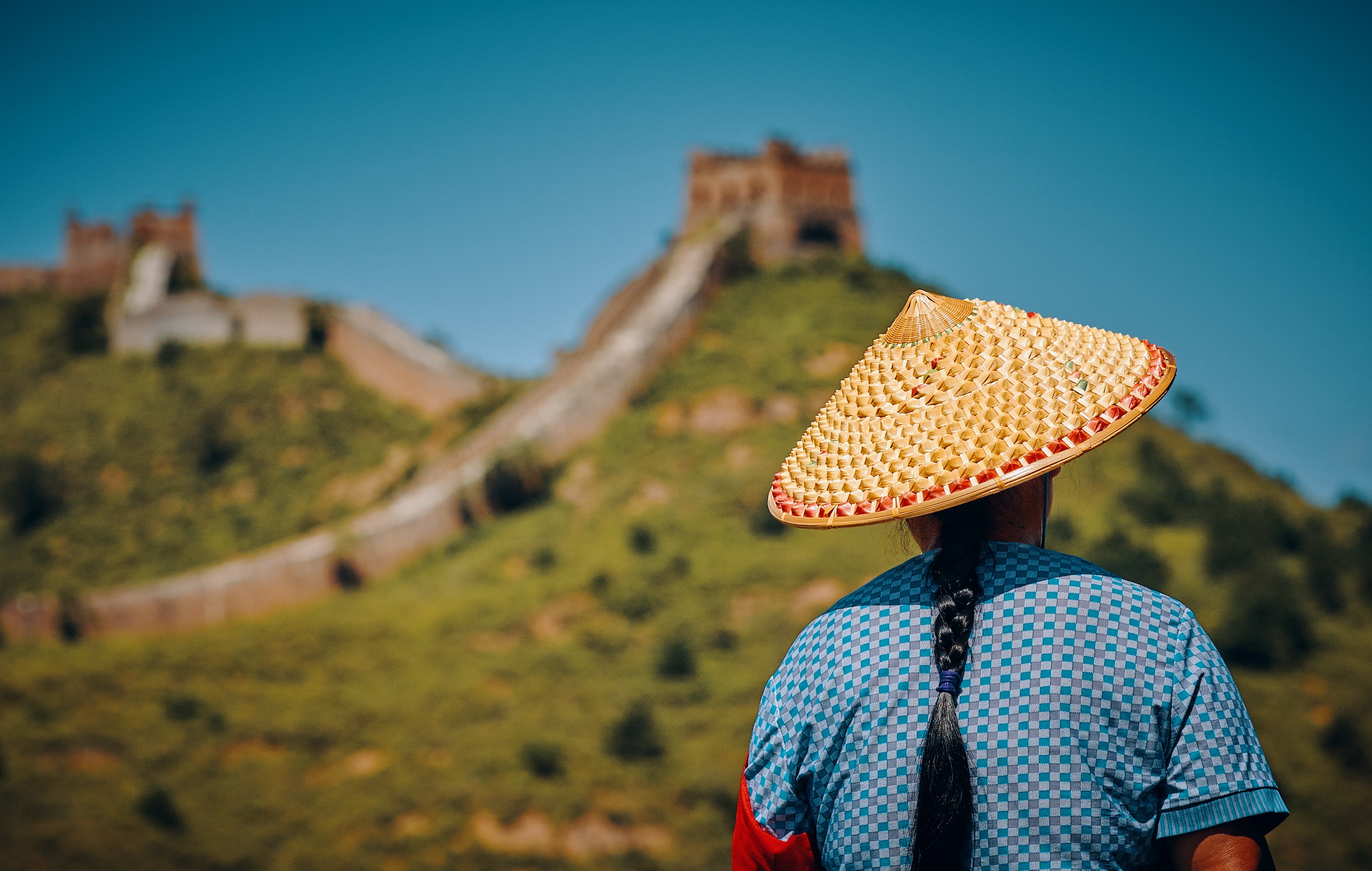
Most families hesitate when China comes up. It feels enormous, complex, and far. The distance alone gives people pause. But here is what those families are missing: China is one of the most naturally multigenerational destinations on earth. Precisely because of its scale and its depth.
Ancient empire travel with family works in China in a way it simply does not work in most other destinations because the history is not behind glass. It is underfoot. It is in the air.
A child does not need a museum placard to feel the weight of the Forbidden City. She can feel it in her bones the moment she walks through the gate.
A grandfather does not need a guided lecture to understand what he is looking at when he stands before the terracotta warriors. The silence in that hall tells him everything.
China meets every generation where they are, and that is a rare and extraordinary quality in a destination.
The sensory experience of China is relentless in the most beautiful way. The smell of star anise rising from a street kitchen in the early morning. The sound of a traditional erhu drifting across a lake at dusk. A particular stillness of a courtyard garden where emperors once walked. These details do not require any special knowledge or a certain age to absorb. They simply wash over you, and you are changed.
For families worried about accessibility and pace, China’s major destinations have made enormous strides in accommodating travelers with varying mobility needs. The key is building an itinerary that accounts for the full range of your group from the very first planning conversation. Not as an afterthought.
What to Expect when Traveling in China with Multiple Generations
The Honest Truth About Pace, Energy, and Expectations
What to expect when traveling in China with multiple generations is one of the most common questions families ask before booking.
The honest answer is this: It will be more extraordinary and more logistically demanding than you are imagining on both counts.
A multigenerational group traveling together naturally moves at more than one speed. Your eighty-year-old father-in-law and your seven-year-old grandson share exactly one thing in common when it comes to travel stamina: Neither of them has any.
The reasons are entirely different, but the result is the same. Both will need rest. Both will need shorter windows of activity. And both will hit a wall at a different point in the afternoon than the parents in the middle of the group who are operating on adrenaline and determination.
This is not a problem. It is simply the reality of multigenerational travel. The families who plan for it from the beginning are the ones who look back on the trip with nothing but joy. Building deliberate rest into every single day is not a concession. It is the strategy. It is what allows the grandmother to be fully present at the Great Wall instead of depleted by the time she gets there.
Jet Lag During Your Family Vacation in China
Jet lag deserves its own conversation when you are traveling with family. China sits roughly twelve to fourteen hours ahead of U.S. time zones depending on where you are departing from.
Younger children often adjust surprisingly quickly. Older adults sometimes need three to four days. Plan your most demanding experiences for the second half of the trip, not the first. Give the group time to land, breathe, and find their footing before you ask them to climb ancient stone steps.
Visa Requirements for Your Family Vacation in China
Visa requirements for U.S. citizens have evolved in recent years. While China has expanded its visa-free entry policies for certain travelers, you may need one depending on how long you are staying. Every adult in your group should verify current entry requirements well in advance of travel. And families traveling with minors who have a different surname than one or both parents should carry notarized permission letters and custody documentation.
How China Surprises Every Generation Differently
The seven-year-old falls in love with the dragons. They are everywhere in China. They are carved into temple rooftops, embroidered onto silk, and painted onto porcelain. Every single one of them is different. Your child will collect photographs of every dragon she finds and spend the flight home organizing them.
The fourteen-year-old who spent the weeks before departure rolling his eyes about the trip will go quiet in the Forbidden City. Something about the scale of it, the sheer audacity of what human hands built without modern tools, will reach him in a way that no classroom lesson ever has. He will not say much about it. But you will notice.
The parents in the middle generation will feel something they did not expect: Relief. Relief that the destination itself is carrying so much of the emotional weight. Relief that nobody is bored. And relief that this was the right choice.
And the grandparents. The grandparents are the reason for taking this trip. Watching a grandmother experience something genuinely new at seventy-four years old, watching her face when she sees something that exceeds every expectation she brought with her, is worth every detail of the planning. That is the image that stays.
How to Plan a Family Vacation in China: Where to Begin
Building Your Family Vacation China Itinerary Around the Group, Not the Guidebook

Knowing how to plan a family vacation in China begins with a single rule: Start with your people, not the destination. Before you look at a map or a calendar, you need a clear picture of everyone who is coming.
How old are the oldest travelers? What is their mobility level honestly, not optimistically? Do they use a cane? Do stairs present a challenge? Is there a health condition that requires access to specific medical care or dietary accommodations?
These are not uncomfortable questions. They are the questions that turn a stressful trip into a smooth one.
How old are the youngest travelers? What is their attention span at historical sites?
A four-year-old and a twelve-year-old are completely different travelers with completely different needs. A twelve-year-old can manage a full morning at a museum if the story is told compellingly. A four-year-old needs to touch something, find something, and move every forty-five minutes.
What does the group genuinely care about? Not what they think they should care about. Not what looks impressive. What actually lights them up? Food? History? Nature? Art?
The answers to these questions shape every decision that follows.
For most families, the ideal trip length to China falls between twelve and sixteen days. Fewer than twelve days does not leave enough room for rest, adjustment, and the unhurried exploration that makes the trip meaningful. More than sixteen days begins to tax the energy reserves of the oldest and youngest travelers in the group.
A well-built family vacation China itinerary anchors itself around two or three marquee experiences and allows everything else to breathe around them. Trying to see all of China in one trip is how families end up exhausted and underwhelmed. Choosing depth over breadth is how they end up changed.
Choosing the Best Destinations in China for Families
The best destinations in China for families share a few common qualities. They offer experiences that work at more than one pace. They have accessible infrastructure or can be navigated with careful planning. And they carry enough sensory richness that even a child with a short attention span is never bored. Plus, they have enough historical and cultural depth that even the most well-traveled grandparent encounters something new.
Cities That Reward Slow Exploration During a Family Vacation in China
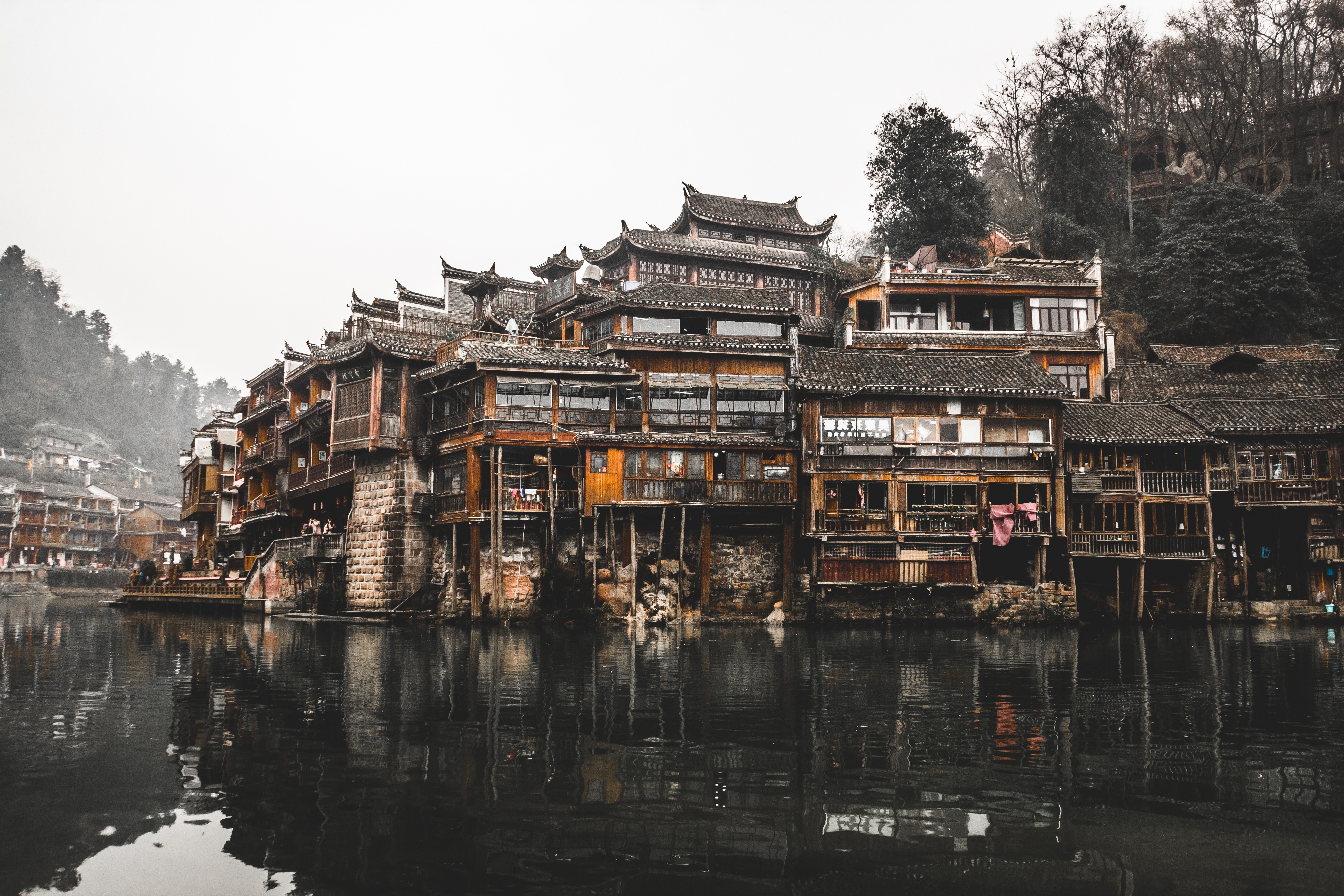
Some of China’s most powerful destinations are built for lingering. Ancient water towns with narrow stone bridges and canal-side teahouses allow a family to move at whatever pace feels right on any given morning. A grandmother can sit with her tea and watch the boats while the children explore the lanes, and nobody is waiting for anyone.
These destinations do not have a single marquee moment. They are composed entirely of small, unhurried ones. Those small moments have a way of becoming the ones the family remembers most vividly.
Ancient walled cities offer a similar gift. The streets are manageable. The scale is human. There is always somewhere to sit. Something to taste. Something to watch. Grandparents feel comfortable. Children feel free. Parents feel something dangerously close to peaceful.
Destinations That Ignite Imagination at Every Age
There are the destinations built for awe. The ones where the scale of what you are seeing makes conversation impossible for a moment. Where the family goes quiet together, and in that silence, something bonds.
These are the ancient capitals. The places where emperors lived and dynasties rose and fell over centuries. The places where you walk into a courtyard and understand, viscerally and without explanation, that you are standing inside a story that is far larger than your own. Every generation feels this. The words they use to describe it afterward will be entirely different. The feeling will be identical.
Family Travel China Ancient Sites: The Experiences That Bond Across Decades
Visiting the Great Wall with Family
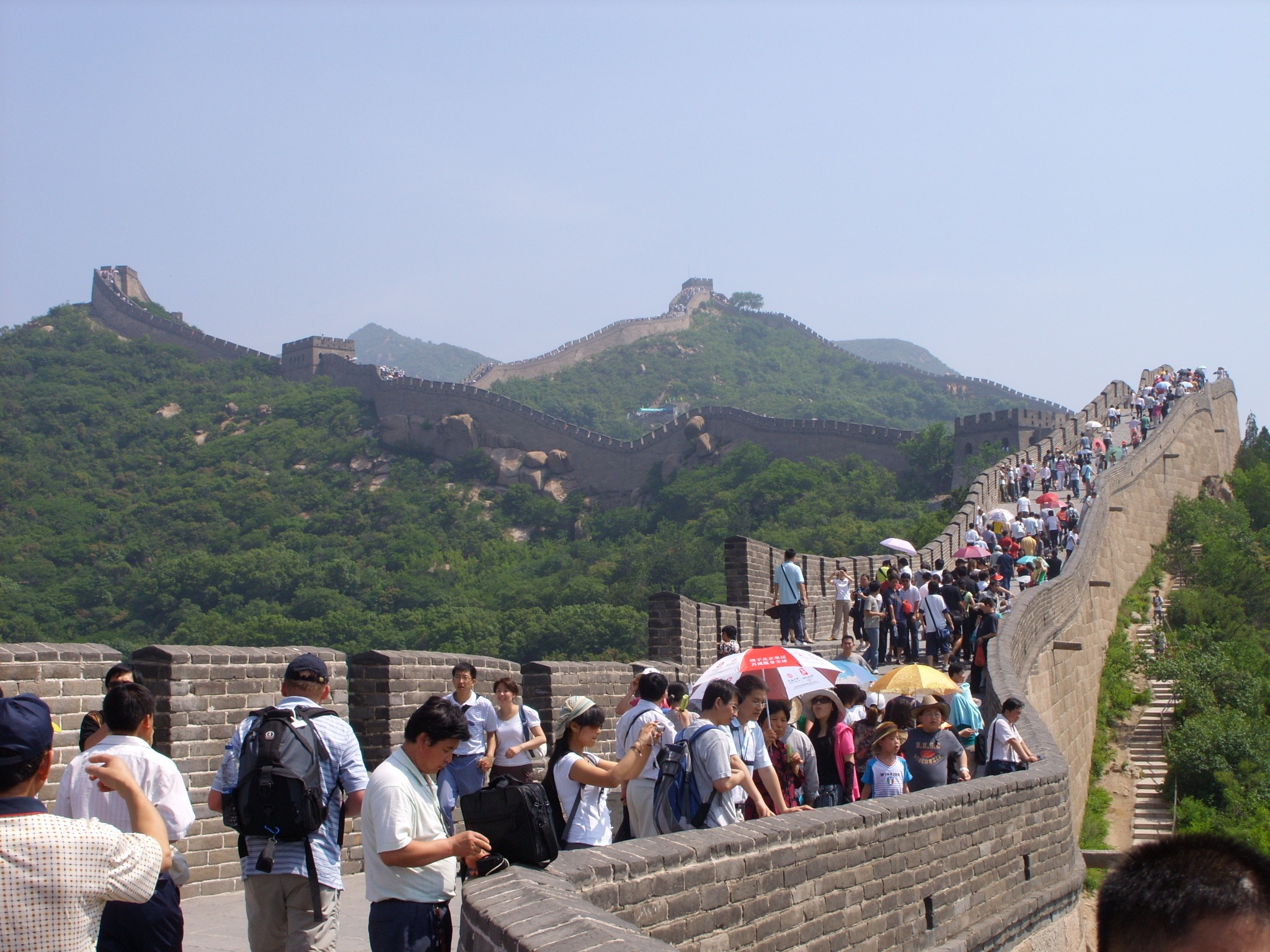
Visiting the Great Wall with family is the experience that anchors nearly every China itinerary. It earns that position completely. There is nothing else in the world that is quite like it.
The Great Wall does not look the way photographs suggest it will look. It is bigger. It is more rugged. And it climbs and descends in ways that feel almost impossible. Snaking across ridgelines that seem designed to make you understand your own smallness. Standing on it with four generations of your family, you feel the pull of something ancient and enormous, and it does not let you go.
Practical considerations matter here. Especially for families traveling to China with grandparents and young children.
Different sections of the Great Wall offer very different experiences in terms of accessibility and crowd levels. Some sections involve steep stair climbing and uneven stone surfaces. Others have been more carefully restored and are more navigable for travelers with limited mobility.
Choosing the right section for your group is one of the most important decisions in the entire itinerary. The most famous section is not always the most appropriate one for every family.
Early morning visits reward the families who make the effort to arrive before the crowds. In that first quiet hour, with the mist still sitting in the valleys below and the Great Wall stretching in both directions as far as you can see, there is a stillness that feels almost sacred. Grandchildren remember that stillness. Grandparents do not forget it.
The practical reality for young children at the Great Wall is that they will get tired before adults do. That is perfectly fine. You do not need to walk far to feel the Great Wall completely. Sometimes thirty minutes on that stone, looking in both directions, is everything.
Family-Friendly Ancient Sites in China Beyond the Wall
The ancient China family experience extends far beyond any single landmark. Some of the most powerful moments your family will share will happen at sites that are less famous but no less extraordinary.
Where History Becomes a Story Children Can Feel
The best ancient China family experiences for younger travelers are the ones where history becomes tactile and narrative rather than static and institutional. Archeological sites where children can see excavation work in progress, temple complexes where incense still burns for the same reasons it burned five hundred years ago, and traditional craft workshops where artisans practice skills passed down through dozens of generations all give children something to hold onto. They are not being lectured at. They are watching history happen in real time.
Markets have an almost universal appeal across ages. The noise and color. The smell of unfamiliar spices and fruits. And the negotiation happening in a language they do not speak but can somehow follow. Children are completely alive in a good market. Grandparents often are, too.
Markets were the center of daily life in ancient China. Many of the ones still operating today carry that same energy.
Sites That Move Grandparents in Ways Words Cannot Capture
For the grandparents in your group, family-friendly ancient sites in China offer something that is harder to name. It is not simply the history. Although, the history is staggering. It is the continuity.
Standing in a place where human beings have been worshipping, trading, building, mourning, and celebrating for three thousand years and understanding that you are simply the latest chapter in a story that long predates and will long outlast you. That perspective is a gift. It arrives quietly and it stays.
Classical gardens, ancient temples still active with daily rituals, and the grand processional spaces of former imperial complexes all carry this quality. They are not frozen in the past. They are alive with it.
Where to see giant pandas during your multigenerational vacation in China.
Family Vacation Travel Tips for China That Most Families Learn Too Late
Traveling to China with Grandparents: What You Need to Plan Differently

Traveling to China with grandparents requires a fundamentally different planning approach than traveling with a group of peers. The families who understand this early are the ones who have the best trips.
The first principle is to rest before you need it. Do not wait for the grandmother to say she is tired. She will not say it. She will keep walking because everyone else is walking and she does not want to slow the group down.
Build the rest in before she has to ask for it. A ninety-minute break after lunch in a shaded courtyard or a quiet tea house is not wasted time. It is the investment that makes the afternoon possible.
Medical considerations deserve advance attention. Confirm that any prescription medications your older travelers require are either available in China or can be carried in sufficient supply for the full trip duration. Some medications that are standard in the United States are classified differently in China.
The gift of centering, rather than accommodating, your older travelers cannot be overstated. When grandparents feel like the trip was planned around them rather than adjusted for them, the entire group dynamic shifts. They stand a little straighter. They engage more fully. And they stop apologizing for their pace. Make their comfort the starting point, not the modification.
And then there is the moment, somewhere in the middle of the trip, when you watch your seventy-six-year-old mother-in-law look out over a landscape she never expected to see in her lifetime, and she does not say anything at all. That silence is worth everything.
China Travel Tips for Families with Young Children
China travel tips for families with young children begin with one overarching truth: Children are extraordinary travelers when they are given the right context. They do not need to understand the full historical significance of what they are seeing. They need a story. Give them a story and they will walk through ancient sites with the focus of tiny scholars.
Preparation before departure matters enormously. Read picture books about ancient China with younger children. Watch documentary footage with older ones. Teach them a few phrases in Mandarin before they land. The moment a child successfully uses a word in a new language and an adult responds to it, something opens in that child that changes the entire trip.
Managing the time zone shift for young children requires patience and flexibility in the early days. Do not fight the schedule aggressively. Let them sleep when they need to sleep. Keep those first few days in China lighter in terms of scheduled activity and heavier in terms of sensory exploration, markets, neighborhoods, food, and open space.
Keeping Every Generation Fed, Rested, and Happy During a Family Vacation in China
Chinese cuisine is one of the great pleasures of this destination. It also presents one of the most common logistical challenges for multigenerational groups. The range of flavors, textures, and ingredients is extraordinary. However, it is not universally embraced by nine-year-olds or by grandparents with restricted diets.
The approach that works best is strategic flexibility. Book accommodations that allow for some self-catering when needed. Identify a few reliable food options that every generation in your group will eat. Use those as a reset when necessary. Then spend the rest of your meals being genuinely adventurous. You will be surprised which family member orders something unexpected and loves it.
Structure each day with a clear rhythm. A meaningful morning experience. A real midday pause. An afternoon that asks less of the group physically. An evening that gathers everyone around a table. That rhythm sustains a multigenerational group across a two-week trip without depleting anyone.
Planning a Family Vacation in China: The Logistics That Make or Break the Experience
The Immersive China Travel Experience Families Remember Forever
The difference between a family trip to China that was fine and an immersive China travel experience that reshapes how your family sees the world comes down almost entirely to approach.
Surface tourism in China checks boxes. It covers the landmarks, moves through the schedule, and returns home with photographs and a vague sense of having been somewhere significant.
Immersive travel does something entirely different. It asks your family to slow down enough to actually inhabit the places you are visiting rather than simply passing through them.
This means spending more than one night in a single destination. It means choosing a neighborhood to walk through without a specific destination. Sitting in a park and watching how people spend a Tuesday afternoon. Eating where locals eat rather than where tourists are expected to eat. Learning three things about the history of a single place deeply rather than three things about twenty places shallowly.
Teaching Children to Be Curious, Not Just Comfortable
An immersive China travel experience for children requires a shift in how they are asked to engage with the world. The question to ask a child at an ancient site is not “What do you see?”. It is “What do you wonder about?”.
The first question has a finite answer. The second one opens a conversation that can last all the way back to the hotel and well into the next morning.
Children who are taught to be curious travelers rather than comfortable ones become adults who seek out experiences that challenge and expand them. China, with its layers of history and its profound difference from Western life, is one of the finest classrooms for that lesson.
What Grandparents Carry Home That Cannot Fit in a Suitcase
For the grandparents in a multigenerational travel group, the immersive China travel experience delivers something that has nothing to do with tourism. It delivers evidence that the world is still large. That there is still more to see and feel and understand than they have yet encountered. That age is not the end of discovery.
Watch a grandparent in China. Watch what happens when something genuinely surprises them. There is a particular quality to the surprise of someone who believed they had already seen most of what the world had to offer. It is wonder without cynicism. It is the best thing travel can give anyone at any age.
The Ancient China Family Experience: How to Make It Feel Like a Story, Not a Schedule
The last evening of your family vacation in China will be quieter than you expect. The family will gather, probably around a long table, probably with tea and something sweet, and nobody will be looking at their phone.
The grandmother will say something about the Great Wall. Not about how long you walked or how many steps there were. But about the moment she stood still and looked out over the valley and understood, for the first time in a physical way, how old the world actually is.
The child will interrupt to say something about a dragon. There will be laughter, and then someone will say, “Do you remember when…” and the table will become a collection of stories.
The families who take this trip return home and describe it the same way, regardless of how old the children were or how mobile the grandparents were or how complicated the logistics were to arrange. They say it was worth every bit of planning. They say they did not expect it to go as smoothly as it did. And they say their family is different now, in the way that only shared extraordinary experience can make people different.
They say they are already talking about going back.
A trip to China is not simply a family vacation. It is a decision to give the people you love most a story they will tell for the rest of their lives. It is one of the most generous things a family can do together. And it is exactly the kind of trip that deserves to be planned with the same level of care and expertise that you bring to every other important decision in your life.
Ready to Plan Your Family Vacation in China?
You did not get where you are by leaving important things to chance, and this trip is too important to plan alone.
A family vacation in China is one of the most complex and most rewarding itineraries I build. I have spent years refining the approach that makes it work across four generations without depleting the person who holds it all together. That person does not have to be you this time. That is exactly what I am here for.
Reach out and let’s begin the conversation. Tell me about your family, your grandparents, your children, the one family member you are a little worried about and the one you know will surprise everyone. Tell me what you are hoping to feel on the last night of this trip. I will take it from there.
This trip is waiting. Your family is ready, even if they do not know it yet. Let’s go.
And if you’re not ready to start planning a family vacation in China, sign up for my newsletter. This way you don’t miss out on any of the exciting travel information I share.

Tracy is the owner of Elite Travel Journeys, a luxury travel agency dedicated to crafting extraordinary, memory-making journeys for families, multigenerational groups, empty nesters, and solo female travelers. A proud military veteran and President of the Central PA Chapter of ASTA, Tracy brings both discipline and deep passion to everything she does. With a particular love for river cruising, especially Europe’s enchanting Christmas Markets, she has been turning travel dreams into life-changing experiences since 2014. Tracy believes that extraordinary travel doesn’t just take you somewhere new; it changes who you are.
Enter your Name and best Email Address to receive
On Your Next Family Vacation
We respect your privacy and will never share or sell your information.
3 Ways to See It All in Alaska


On Your Next Family Vacation
Click here for 10 Exciting Family Adventures
You Can Plan
NOW