
Chasing the Aurora: Your Ultimate Guide to Seeing the Northern Lights in Alaska
Seeing the northern lights in Alaska has been on my bucket list for as long as I can remember. I still recall the moment it happened for me. I was standing in the wilderness outside of Fairbanks, wrapped in layers so thick I could barely move, a cup of something hot cradled in my gloved hands. The sky was impossibly dark and still. And then, without warning, it began. A ribbon of green appeared above the tree line. Then another. Then the whole sky erupted in curtains of color, shifting from green to violet to a deep, burning pink. I did not say a single word. I just stood there with my mouth open, completely undone by something I had no words for.
That moment is why I plan these trips. Not for the logistics. Not for the itineraries. For that.
If you have been dreaming of witnessing the aurora borealis in Alaska, this guide is your starting point. I am going to walk you through everything you need to know before you go, including what the northern lights actually are, the best time to see them, where to go, what to expect, and how to make this the kind of trip your family talks about for the rest of your lives.
Chasing the Aurora: Your Ultimate Guide to Seeing the Northern Lights in Alaska
What Are the Northern Lights?
Before we talk about how to plan your Alaska northern lights vacation, let us take a moment to understand what you are actually looking at when those lights appear in the sky.
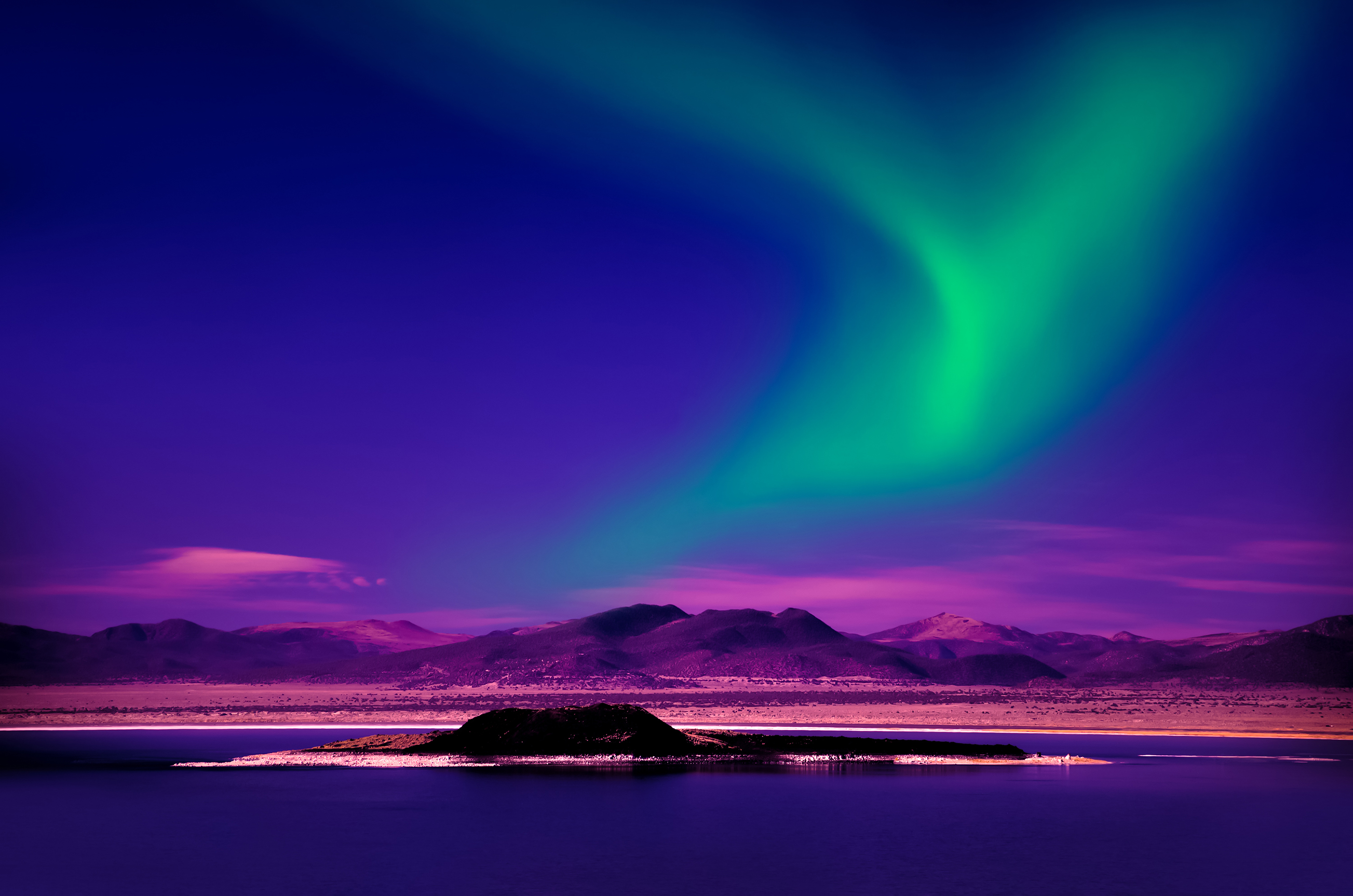
The Aurora Borealis is a natural atmospheric phenomenon created when energized particles from the sun travel toward Earth at speeds of up to forty-five million miles per hour. When those charged particles collide with gases in our atmosphere, the energy is released as light. The result is those breathtaking waves and curtains of color you see dancing across the night sky.
The colors you see depend on which gases the particles are interacting with and at what altitude. Oxygen at higher altitudes produces red. Oxygen at lower altitudes produces the most common color, that iconic luminous green. Nitrogen creates the blue and purple hues. On a truly active night, all of those colors can appear at once, and the sky becomes something you will not believe is real.
Here is something most people do not know. The aurora is actually present in the upper atmosphere every single day of the year, all day and all night. The reason we cannot always see it comes down to two things: darkness and solar activity. That is why timing and location matter so much when you are planning your trip.
The Best Time to See the Northern Lights in Alaska
Aurora Season: August Through April
The best time to see the northern lights in Alaska spans a generous stretch of the year. Aurora season officially runs from late August through late April, which gives you a wide window to plan around your schedule. The lights require darkness to be visible, so the longer and darker the nights, the better your chances.
That said, not every month within that window is equal.
The heart of winter, November through March, offers the longest stretches of darkness. In Fairbanks, you can experience close to twenty hours of darkness in December, which means the aurora has an extraordinary amount of time to perform. Winter also tends to bring clearer skies in the interior of Alaska. This is one of the most important factors in seeing the lights.
The shoulder months, late August through early October and then again in March and April, offer a different kind of experience. In late summer and early fall, you can enjoy outdoor daytime activities in milder temperatures and still have dark enough nights to chase the aurora. Spring is particularly beautiful because the snow is still on the ground, but the temperatures are warming and the daylight is returning. Many of my clients who are not cold-weather travelers love a March trip for exactly this reason.
Solar Activity and What It Means for Your Trip
One thing that cannot go unmentioned is the role of solar activity in aurora viewing. The sun operates on an approximately eleven-year cycle of activity. At the peak of that cycle, called solar maximum, the sun produces more charged particles. This means more frequent and more intense aurora displays. We are currently in a period of elevated solar activity following the most recent peak, which means viewing conditions in Alaska have been exceptional and are expected to remain strong through the coming seasons.
I have had clients tell me they saw auroras every single night of their trip. I have also had clients who waited three nights for a strong display and then watched the whole sky explode in color at two in the morning. That is the nature of this experience. It is wild and unpredictable, and that is precisely what makes it so unforgettable.
What Time of Night Are the Lights Most Active?
If you are wondering what time to be outside, the aurora is most commonly seen between ten at night and two in the morning. That does not mean you should go to bed at nine and hope for the best. Many serious aurora chasers stay out until three or four in the morning. And the dedication almost always pays off. The best lodges and tour operators offer aurora wake-up calls, so you do not have to choose between sleep and the show.
Where to See the Northern Lights in Alaska
Best Places to See Northern Lights in Alaska
Alaska is a vast state. The aurora can technically be seen from many places within it. But if you want to maximize your chances and make the most of your trip, location matters enormously. Here is where I send my clients.
Fairbanks: The Aurora Capital of the United States
When someone asks me for the best place to see northern lights in Alaska, my answer is always Fairbanks. It is not even a close competition.
Fairbanks sits at approximately sixty-five degrees north latitude, which places it directly beneath what scientists call the auroral oval. The auroral oval is a band of geomagnetic activity that encircles the Earth near the Arctic and is where aurora displays are most concentrated, most frequent, and most intense. Fairbanks is positioned right underneath it. That geographic advantage is why the University of Alaska Fairbanks is home to the renowned Geophysical Institute, which tracks aurora activity daily and publishes forecasts that guides and tour operators rely on.
If you stay in the Fairbanks area for a minimum of three nights and make a point of getting outside every evening, your chances of seeing the northern lights are well above ninety percent. I recommend planning for four to five nights to give yourself a real opportunity.
Northern lights Fairbanks Alaska experiences are unlike anything else in North America. You are close to the city, which makes logistics simple. But it takes only a short drive away from the urban glow to reach dark skies with sweeping, unobstructed views. A knowledgeable guide will handle all of that for you.
Check out the best things to do in Fairbanks, Alaska during your family vacation.
Beyond Fairbanks: The Arctic Circle and Remote Interior
If you are the kind of traveler who wants to go further, there are experiences in Alaska’s interior that take the aurora encounter to another level entirely.
Traveling north from Fairbanks along the Dalton Highway brings you deeper into wilderness where light pollution essentially disappears. Towns like Coldfoot and Wiseman, the latter sitting just over sixty miles above the Arctic Circle, offer some of the most remote and pristine aurora viewing in the world. The Brooks Range provides a dramatic jagged backdrop behind the lights. The stillness of those far northern landscapes is something that words genuinely fail to capture.
One of my clients, a retired executive who had traveled to every continent, called a night in Wiseman the single most powerful experience of her life. She had seen the Pyramids. She had sailed the Galapagos. She said nothing compared to standing in that silence under that sky.
Denali National Park and the Alaska Range
Denali National Park is another location I love for aurora viewing. Particularly for clients who want to combine glacier scenery and wildlife with the northern lights experience. The park sits within the auroral oval. And the near-total absence of light pollution inside its six million acres means that when the sky is clear, the display is vivid and immersive.
I do want to be transparent about one consideration here. Denali is more remote, and access in the winter months requires more planning. That is not a reason to skip it. It is simply a reason to work with someone like me who knows how to make it seamless.
Anchorage and the Surrounding Region
I know what you are thinking. Anchorage is a city. Can you really see the northern lights there? The honest answer is sometimes, under the right conditions.
Anchorage and the Mat-Su Valley can experience aurora displays, particularly during high solar activity. Spots like Beluga Point, the Hatcher Pass area, and locations along the Seward Highway put you outside the city glow and into open terrain where the sky opens up. The views there are different from Fairbanks, with the waters of Cook Inlet and the Chugach Mountains as a backdrop.
That said, if your primary goal is to see the northern lights in Alaska, I will always recommend building Fairbanks into your itinerary. Anchorage is often the gateway in, and it is a wonderful place to spend a day or two. But Fairbanks is where the magic lives.
Alaska Northern Lights: What to Expect on Your Trip
A Day in the Life of an Aurora Trip
One of the questions I get most often is what the actual rhythm of an aurora trip feels like day to day. Let me walk you through it.
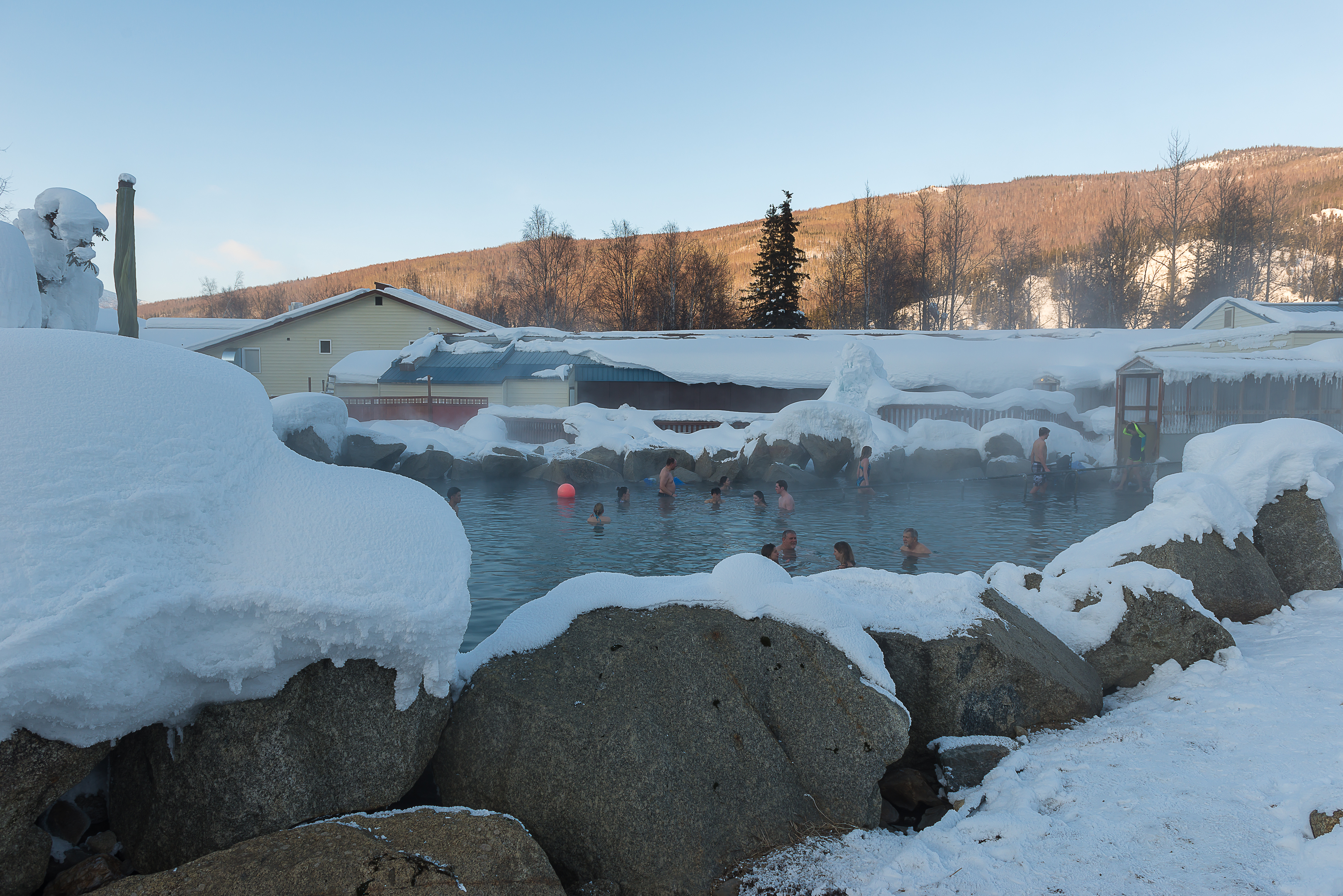
Your mornings and early afternoons are for exploring. In the Fairbanks region alone, there are dog sledding experiences, snowmobiling, ice fishing, visits to Chena Hot Springs, and tours of the ice sculpting world at the Ice Park. If you travel in late winter, you might catch the beginning of dog sled racing season, which is a spectacle all on its own. Families love this part of the trip because the daytime activities are genuinely thrilling and do not require staying up until two in the morning.
Then, as evening falls, the focus shifts to the sky. A good guide will be monitoring the aurora forecast, the KP index (which is a scale measuring geomagnetic activity), and the cloud cover in real time. They will make the call on where to position you for the best viewing that particular night.
And then you wait, in the most wonderful way.
What the Aurora Actually Looks Like in Person
Here is something I want to prepare you for, because it surprises nearly every first-time viewer. The northern lights look different in person than they do in photographs.
Cameras, especially with long exposures, capture a level of color saturation and detail that the human eye simply cannot replicate. That does not mean the experience is disappointing. Quite the opposite. Photographs capture the color. Being there captures the movement. The aurora pulses, shimmers, and dances in real time. It spirals and folds. Some nights it drifts quietly across the horizon. Other nights it erupts overhead in curtains that seem close enough to touch.
On the strongest nights, which are more common during high solar activity, you may hear experienced aurora chasers describe a faint crackling or swooshing sound. Scientists still debate this phenomenon, but those who have heard it say it is unforgettable.
What to Wear for Northern Lights Viewing in Alaska
This is practical information that I consider essential. Dressing properly is the difference between a magical night and a miserable one.
Winter temperatures in Fairbanks can drop to negative twenty or colder. You will be standing still outside, often for an extended period. The cold hits differently when you are stationary.
Layer from the inside out. Start with a moisture-wicking thermal base layer. Add an insulating mid layer. Then an outer shell rated for Arctic temperatures. Your hands and feet need dedicated attention. Winter boots rated to at least negative forty degrees are not an exaggeration. Hand warmers in your pockets are a good call. A neck gaiter, a warm hat that covers your ears, and a balaclava if you run cold.
The best tours provide cold-weather gear if you do not want to invest in your own. It is worth asking about that when we are planning your trip together.
Alaska Northern Lights Vacation Planning: What You Need to Know
How Long Should You Stay?
This is one of the most common questions I receive, and the answer is always the same. Stay longer than you think you need to.
The aurora is a natural phenomenon. It cannot be scheduled or guaranteed. Cloud cover, solar activity, and simple luck all play a role. Guests who book three nights get a reasonable shot. Guests who book five to seven nights get a real aurora experience, with multiple viewing opportunities and the freedom to relax into the rhythm of the trip rather than watching the sky with anxiety every night.
When you are planning an Alaska northern lights vacation as a multigenerational trip, I recommend building in enough time that the experience does not feel rushed. Grandparents, parents, and children all in the same wilderness, watching the sky together. That is the kind of memory no one forgets.
Alaska Northern Lights Cruises
For clients who love the water, there are northern lights cruise options along the Alaskan coastline and through the Inside Passage that incorporate aurora viewing excursions on land. Some cruises include a cruise tour component that puts you on a domed train through the Alaska backcountry, an experience that feels cinematic from the first moment you step aboard. If you are drawn to the idea of combining Alaska’s dramatic coastal scenery with an aurora experience, let us talk about building that itinerary for you.
The Alaska Railroad Aurora Winter Train
One of my favorite ways to travel between Anchorage and Fairbanks during aurora season is aboard the Alaska Railroad’s Aurora Winter Train. The train runs through some of the most breathtaking wilderness on the continent, with large picture windows framing the snow-covered landscape. It is an experience in itself, apart from whatever waits for you in the sky. For families, multigenerational groups, and couples alike, it adds a layer of adventure and romance to the journey north.
Why Alaska Over Iceland, Norway, or Canada?
This is a question I genuinely enjoy answering, because the answer might surprise you.
All of those destinations offer real aurora viewing opportunities, and I am not here to dismiss them. However, for American travelers, Alaska offers advantages that are difficult to match. There is no international travel. No passport required. The logistics of getting there are straightforward compared to a transatlantic itinerary. And the destination itself layers the aurora experience on top of one of the most dramatic and wild landscapes in the entire world.
Alaska also sits directly beneath the auroral oval, giving it viewing frequency and intensity that competes with anywhere on Earth. When you factor in the ability to combine it with dog sledding, hot springs, glacier treks, wildlife encounters, and the sheer scale of the Alaskan wilderness, the value of the experience becomes undeniable.
Beyond all of that, there is something about experiencing this on American soil, in a landscape this raw and this ancient, that gives the aurora a particular emotional weight. My clients who have done both Alaska and Scandinavia often tell me that Alaska felt more immersive, more wild, more theirs.
Planning Your Luxury Alaska Northern Lights Experience
The luxury Alaska northern lights experience is not about white-glove service for its own sake. It is about having every detail handled so that you can be fully present for the moments that matter.
It means staying in accommodations that are strategically positioned for aurora viewing, not just aesthetically beautiful. It means having a guide who knows the forecast, knows the terrain, and knows how to read the sky. It means having the right gear, the right timing, and the right people around you.
It means your family is all in the same place, with nowhere else to be and nothing competing for their attention. Whether that family includes your college-aged kids, your parents, your in-laws, or your oldest friends, an Alaska aurora trip creates a shared experience that bonds people in a way that a resort vacation simply cannot.
I have been planning trips like this for over a decade, and I can tell you that the clients who invest in this kind of experience always come back to tell me it changed something in them. That is not an accident. That is what the aurora does.
The northern lights Alaska has been waiting to show you are not going to wait forever. Aurora season has a defined window. The best guides and the best accommodations book up early. Particularly during high solar activity periods when demand surges. If this trip has been living on your someday list, I want to help you move it to your calendar.
So, are you ready to plan a vacation in Alaska to see the northern lights?
If you said yes, I would like to invite you to schedule a planning session with me by clicking here. This will take you directly to my digital calendar to schedule a time that is convenient for you.
And if you are not ready to see the northern lights during a family vacation in Alaska, you can always sign up for my newsletter here. This will ensure you do not miss out on any of the incredible travel information I share.

Tracy is the owner of Elite Travel Journeys, a luxury travel agency dedicated to crafting extraordinary, memory-making journeys for families, multigenerational groups, empty nesters, and solo female travelers. A proud military veteran and President of the Central PA Chapter of ASTA, Tracy brings both discipline and deep passion to everything she does. With a particular love for river cruising, especially Europe’s enchanting Christmas Markets, she has been turning travel dreams into life-changing experiences since 2014. Tracy believes that extraordinary travel doesn’t just take you somewhere new; it changes who you are.
Enter your Name and best Email Address to receive
On Your Next Family Vacation
We respect your privacy and will never share or sell your information.
3 Ways to See It All in Alaska


On Your Next Family Vacation
Click here for 10 Exciting Family Adventures
You Can Plan
NOW