National Parks in Hawaii with Kids: The Family Guide
Your eight-year-old is wearing her grandfather’s fleece, sleeves rolled four times, and her face is glowing orange. Across the caldera, Kīlauea is throwing lava into the night sky, and nobody in your family is talking. Not the teenager who swore this trip would be boring. Not your mother, who has seen a great deal in eighty years and has never seen this. Moments like this one are why the national parks in Hawaii belong at the center of your Hawaii family vacation, not squeezed between beach days.
Here is the part no one posts about. Getting to that overlook meant choosing the right island, timing a volcano that keeps its own schedule, and booking a sunrise reservation at 7 a.m. Hawaiʻi time while you sat in a Tuesday meeting back home.
Let me take that off your plate. I know these islands. I know which parks will light up your toddler and which ones will hook your teenager. I know where your mother can rest her knees and still see something she will talk about for years. Pour yourself a cup of coffee, and I will show you how it all fits together, right down to what needs booking before anyone packs a swimsuit.
National Parks in Hawaii with Kids: The Family Guide
How Many National Parks Are in Hawaii?

Hawaii has nine National Park Service sites spread across four islands. But only two of them are full national parks: Haleakalā on Maui and Hawaiʻi Volcanoes on the Big Island. The other seven are national historical parks, historic sites, a national memorial, and one national historic trail.
That count surprises almost everyone. Most families arrive knowing about the volcano and maybe Pearl Harbor. Then they discover an ancient place of refuge where lawbreakers once raced for a second chance at life. The national parks in Hawaii tell two stories at once: How the islands were born from fire, and how the people who first called them home lived, worshiped, and ruled.
Which National Parks in Hawaii Belong on Your Family’s List?
Here is how the nine sites fall by island, with a quick guide of how each one fits a family.
Big Island (Hawaiʻi Island)
- Hawaiʻi Volcanoes National Park: The headliner for every age, from toddlers to great-grandparents.
- Puʻuhonua o Hōnaunau National Historical Park: Easy walking and rich storytelling for ages five and up.
- Kaloko-Honokōhau National Historical Park: Sea turtles and ancient fishponds, best in the cooler morning hours.
- Puʻukoholā Heiau National Historic Site: A short stop that rewards history-loving teens.
- Ala Kahakai National Historic Trail: A 175-mile coastal route you can sample in short stretches.
Maui
- Haleakalā National Park: Sunrise above the clouds at the summit, and a rainforest coast on the far side.
Oʻahu
- Pearl Harbor National Memorial: A powerful stop for school-age kids and grandparents.
- Honouliuli National Historic Site: Guided tours only, best for older students of World War II history.
Molokaʻi
- Kalaupapa National Historical Park: Closed to public tours for now.
If you want the short answer on the best national parks in Hawaii for families, start with Hawaiʻi Volcanoes and Haleakalā, then add one cultural park on the Kona Coast.
Kalaupapa: A Story to Know, Not a Stop to Plan
Picture a green peninsula on Molokaʻi’s north shore, cut off from the rest of the island by 2,000-foot cliffs. Beginning in 1866, people diagnosed with Hansen’s disease, once called leprosy, were sent here to live in isolation. A small community still lives on the peninsula today.
It is one of the most moving places in the islands, and right now your family cannot visit. The National Park Service launched ranger-led hiking tours in July 2026, open only to visitors sixteen and older on a strenuous eight-mile trek. After the first tour, the park paused the program while it reassessed visitor access. No restart date has been announced.
If your teenager is drawn to this story, share it at home. Kalaupapa asks for privacy and respect first. It is a lesson worth carrying to every park on this list.
Hawaii Volcanoes vs Haleakala: Choosing Your Island

Hawaii Volcanoes vs Haleakala is the first question most families ask. The answer depends less on the parks themselves than on the island wrapped around each one.
Best Hawaiian Island for National Parks
If parks are the reason for your trip, the Big Island wins on numbers. Four of the nine national parks in Hawaii sit on Hawaiʻi Island, along with long stretches of the Ala Kahakai Trail.
Picture two families landing the same week. One chose Maui for its beaches and found Haleakalā waiting above them like a bonus. The other chose the Big Island for the volcano and kept stumbling onto sea turtles, stone temples, and a royal refuge on the sunny Kona side. Both made the right call for the family they are.
Here is how I help clients choose:
- The Big Island with kids suits families who love science, wide-open landscapes, and a bit of road-trip rhythm. The island is larger than all the others combined, and the volcano park sits about 95 miles from Kona.
- Maui with kids suits families who want one grand adventure folded into a slower, beach-centered week.
- Oʻahu suits families craving history and city convenience, with Pearl Harbor a short drive from Waikīkī.
Fire or Sky: How the Two Parks Feel Different
Hawaiʻi Volcanoes feels alive. At about 4,000 feet, mist drifts through tree ferns, steam rises from cracks beside the road, and the air carries the sharp smell of sulfur. The landscape is still being made, sometimes while you watch.
Haleakalā feels ancient and still. At 10,023 feet the air turns thin and cold. The crater below stretches out in rust, charcoal, and gold. Clouds pile up beneath you like a white sea. The silence is big enough that even a chatty ten-year-old lowers her voice.
If your kids chase action, start with the volcano. If they love big views and starry skies, Haleakalā will win their hearts.
Pairing Two Islands Without Wearing Everyone Out
The inter-island flight is short. The day it consumes is not: Checkout, airport, rental car, new check-in, groceries. Give each island at least four nights. Oh, and treat travel days as travel days.
On the Big Island, consider splitting your stay between the Kona side and the volcano side. Two nights near the park spares you a long round trip each day and puts you minutes from the overlooks after dark.
This is the puzzle that keeps capable women up at night. Yet it is the first thing I solve when we plan together.
My Big Island travel guide for families planning a vacation in Hawaii.
Hawaii Volcanoes National Park with Kids
Hawaiʻi Volcanoes National Park sits about 30 miles southwest of Hilo and protects two of the most active volcanoes on Earth, Kīlauea and Mauna Loa. Of all the Hawaii national parks with kids in tow, this is the one they will describe to their own children someday.
Can You See Lava in Hawaii Right Now?
As of late October 2026, the answer is sometimes. Timing is everything. Kīlauea has been erupting in bursts inside Halemaʻumaʻu crater since December 23, 2024. Through October 17, 2026, scientists counted 55 lava fountaining episodes. Most lasting under 12 hours with quiet pauses of two weeks to almost two months between them.
The latest Kilauea eruption update tells the story well. Episode 55 sent fountains about 720 feet high for nearly six hours on October 17. The U.S. Geological Survey’s preliminary forecast places the next episode between October 27 and November 6, 2026. Although, it notes real uncertainty. Between episodes, the summit vents can still glow after dark.
All eruptive activity sits inside a closed area of the park. Families watch from established overlooks along the rim. Check the USGS Hawaiian Volcano Observatory updates and the park’s alerts page the morning you go. Kīlauea also releases volcanic gas between episodes, so grandparents or kids with asthma, heart, or lung conditions should watch air quality advisories.
Leaving Room for the Volcano’s Schedule
Imagine two evenings set aside near the park. The first night brings fog and a faint pink haze, and everyone goes to bed a little disappointed. The second night, word of a new fountain arrives at dinner. Ten minutes later your kids are at the rail in pajamas and jackets, faces lit in gold.
That second night only happens if you planned for it. Keep at least two flexible evenings, sleep close to the park, and let little ones nap in the late afternoon. Lava shows best after the sun goes down.
Learn more about visiting Hawaii Volcanoes National Park in Hawaii with your kids.
Kid-Friendly Hikes in Hawaii Volcanoes National Park
The best trails here are short, varied, and full of stories. Each one suits a different age and energy level.
Thurston Lava Tube (Nāhuku)
The walk begins in a rainforest of giant tree ferns, where native birds call from the canopy. Then the path tips into a tunnel carved by a river of lava about five centuries ago. Kids feel like explorers, especially with their own small flashlights. The parking lot is tiny, so many families park at the Kīlauea Iki Overlook and walk the connector trail over.
Devastation Trail
In 1959, lava fountains rained cinder across this forest and buried it. Today a paved path about a mile round trip winds past bleached tree skeletons and new green shoots pushing through black gravel. It works beautifully for strollers, wheelchairs, and four-year-olds who ask a hundred questions.
Kilauea Iki
This is the trail for older kids and teens with steady legs. The roughly four-mile loop drops through rainforest onto the floor of a crater that held a lake of molten lava in 1959. Steam still curls from cracks in the crust beneath your shoes. Plan two to three hours, and confirm the trail is open before you set out.
Puʻu Loa Petroglyphs
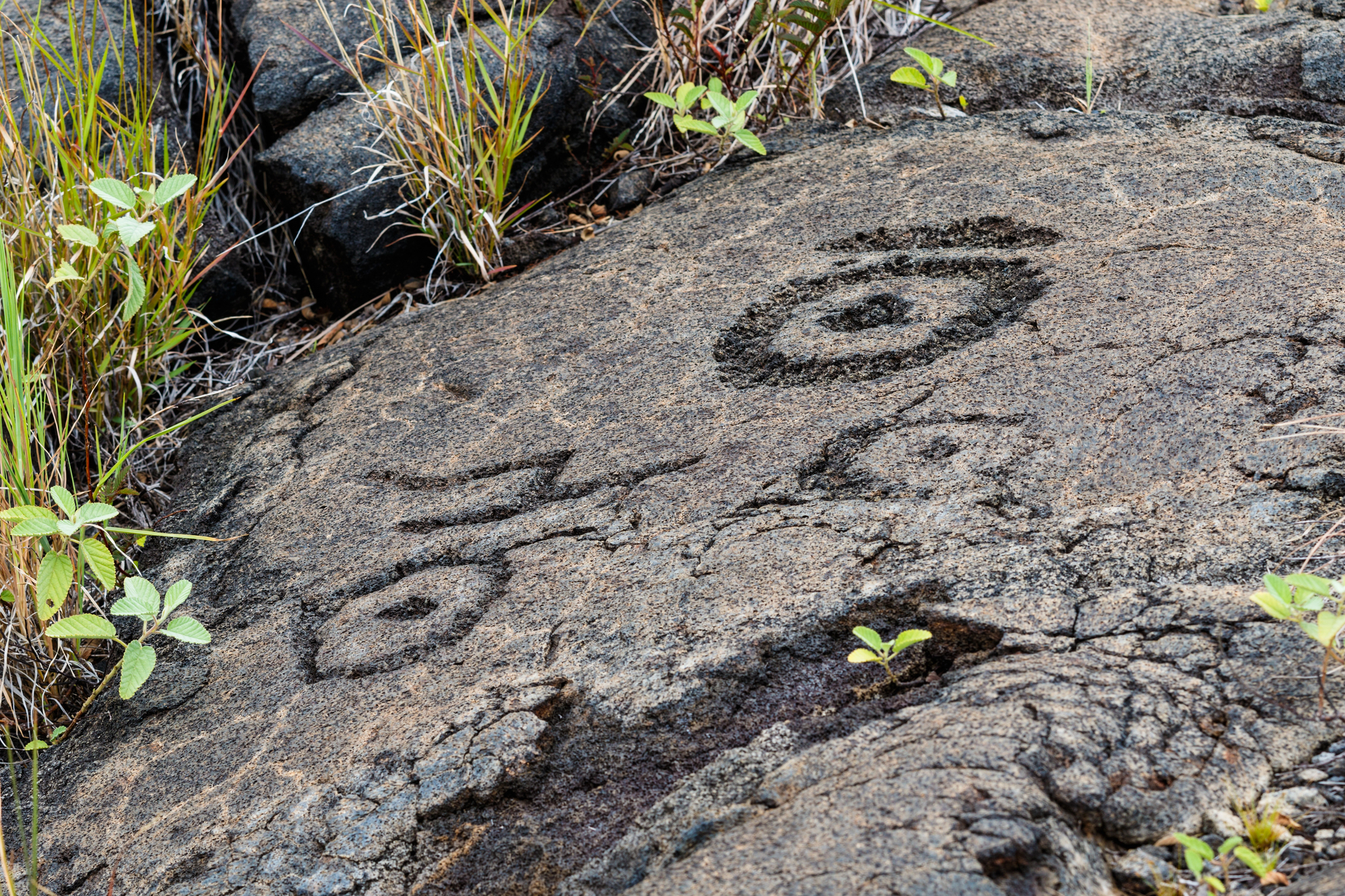
Past mile marker 16 on Chain of Craters Road, a boardwalk leads to the largest petroglyph field in Hawaiʻi. There are more than 23,000 images carved into the lava. Stay on the boardwalk and keep hands off the carvings. Hand each child a small notebook to sketch a favorite symbol, and the walk becomes a treasure hunt. There is no shade, so carry water.
Chain of Craters Road and the Steaming Edges of the Caldera
Chain of Craters Road descends about 19 miles from the summit to the sea, dropping nearly 4,000 feet in roughly 45 minutes each way. The rainforest thins to black lava fields, and the Pacific spreads out ahead. The road ends near the Hōlei Sea Arch, where a lava flow once swallowed the pavement. Check that the road is open before you go.
At the bottom, let the kids walk carefully across hardened ropy lava that crinkles like frozen pudding. Back up top, Kīlauea’s vast crater opens near the visitor center, and Sulphur Banks rewards a short boardwalk stroll. Yellow crystals cling to the rocks, steam hisses from the ground, and the rotten egg smell earns delighted groans from every child.
Cool Nights, Sudden Rain, and Stars Over the Summit
The summit runs 10 to 20 degrees cooler than the coast. This shocks families who packed only sandals. Volcano Village averages more than 100 inches of rain a year. Pack rain jackets, warm layers, and closed-toe shoes for sharp lava rock.
On clear nights, stay out a little longer. Far from city lights, the sky fills with stars. On lucky evenings a red glow from the crater rises to meet those stars.
Haleakala National Park with Kids
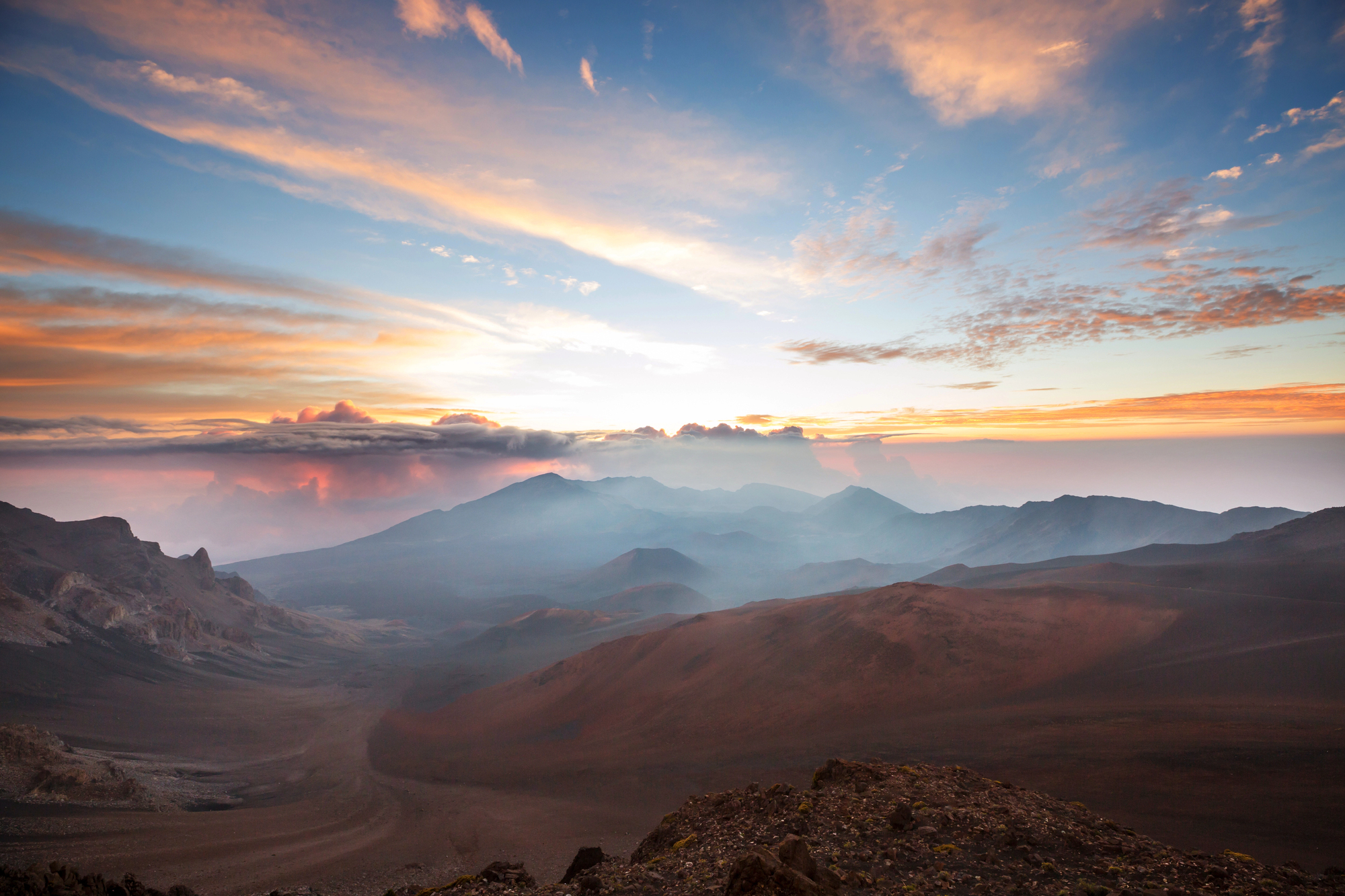
At 2:30 in the morning, the switchbacks climb through darkness while the kids sleep under a blanket in the back seat. Somewhere past the park entrance, your headlights catch a wall of cloud, then break above it. Below you, the whole island has disappeared under a silver sea.
Haleakalā means house of the sun. The park has two districts that do not connect by road inside the park: The volcanic summit, rising to 10,023 feet, and Kīpahulu, a rainforest coast past the town of Hāna. Plan them as separate days.
Haleakala Sunrise Reservation: How It Works
Every vehicle entering the summit district between 3 a.m. and 7 a.m. needs a Haleakala sunrise reservation, booked on Recreation.gov. Here is what to know:
- Reservations open up to 60 days ahead at 7 a.m. Hawaiʻi time, with a smaller batch released two days before each date.
- Popular dates can disappear within minutes. For an East Coast family, that 7 a.m. release lands in the early afternoon at your desk.
- The reservation is tied to the booker’s name and license plate, so that person must ride in the car.
- The reservation is separate from park entry, and an annual pass does not cover it. You still need one on fee-free days.
Sunrise or Sunset for Jet-Lagged Kids?
Here is the secret that works in your favor. For families flying in from the mainland, the body clock runs hours ahead of Hawaiʻi time, and kids wake absurdly early the first few days. Book sunrise for your first or second morning on Maui, and the 3 a.m. alarm feels almost natural.
Later in the trip, sunset is the gentler choice. No reservation is required, the air is warmer, and toddlers stay happier. Linger after the last light, and the stars arrive in numbers your kids have never seen. You can also drive up any time after 7 a.m. without a reservation and spend the morning exploring.
What to Wear to Haleakala Summit with Kids
Picture a little girl in a beach dress at the summit rail, teeth chattering, while her parents wrap her in a beach towel. It happens every morning. The summit can run about 30 degrees colder than the beach, and the wind makes it feel colder still.
Dress everyone as if you were heading to a winter football game:
- A warm jacket over a fleece or sweater
- Long pants, closed-toe shoes, and warm socks
- A knit hat and gloves, especially for small hands
- A blanket for the wait before sunrise
- Sunscreen and sunglasses, because the high-altitude sun burns fast once it rises
Altitude matters too. At over 10,000 feet, everyone should drink plenty of water and move slowly. Grandparents with heart or lung conditions should talk with their doctor before the trip.
Silverswords, Nēnē, and Short Summit Walks
The Haleakalā silversword, ʻāhinahina in Hawaiian, grows nowhere else on Earth. Its silver leaves shimmer like brushed metal against red cinder. Each plant can live for decades, blooms once in a tall purple spike, and then dies. Related cousins grow on Big Island mountains, but this one belongs to Haleakalā alone. Look for them near Kalahaku Overlook, which also frames a grand view into the crater.
Keep watch for nēnē, the Hawaiian goose and state bird. They wander near roads and parking areas, so drive slowly and never feed them.
For short walks, the Hosmer Grove loop near the entrance offers native birdsong and shade. Teens can try the first stretch of Sliding Sands Trail (Keoneheʻeheʻe) into the crater. Remind them the climb back out takes far longer at this altitude. Strong hikers can also tackle the Supply Trail toward the crater rim for wide views across the island.
The Kīpahulu District on Maui’s Rainforest Coast
About 12 miles past Hāna town, Kīpahulu feels like another world from the summit. The Pīpīwai Trail climbs four miles round trip, gaining about 800 feet. Halfway up, a bamboo forest knocks and creaks in the wind like a giant wooden wind chime. The trail ends at Waimoku Falls, a 400-foot ribbon of water spilling down a lava cliff. School-age kids who like muddy adventures love it.
You may have heard of the Seven Sacred Pools. The real name is the Pools of ʻOheʻo, there are more than seven, and they were never considered sacred. As of October 2026, they remain closed to swimming, though you can view them from the Kūloa Point Trail. Restrooms and water stations were also closed for repairs in early October. I recommend carrying plenty of water and checking park alerts before the long drive.
The Quieter National Parks in Hawaii: Living History on the Kona Coast
On the Big Island’s western shore, the sun is strong, the lava is old, and the stories run deep. These three sites are easy to reach from Kona resorts. Each one turns Hawaiian history into something kids can walk through. The Kona side runs hot and dry, so pack water, hats, and reef-safe sunscreen for every visit.
Puuhonua O Honaunau with Kids
Kneel down to your seven-year-old’s height at the edge of the great stone wall and try this: “Long ago, Hawaiian life followed sacred rules called kapu. Breaking one could cost your life. But if you reached this place before anyone caught you, a priest would forgive you, and you could go home free.”
Watch the wheels turn. Suddenly the 1,000-foot wall, the carved kiʻi standing watch over the bay, and the thatched Hale o Keawe temple are not old things. They are part of a story about second chances.
Puʻuhonua o Hōnaunau covers about 420 acres on Hōnaunau Bay. Start at the visitor center for a park map, then follow the half-mile self-guided walk past numbered markers through the royal grounds and into the puʻuhonua, the place of refuge itself. Ranger talks in the amphitheater bring the history to life. Green sea turtles often rest along the rocky shore.
The 1871 Trail to Kiʻilae Village
For families with older kids, the 1871 Trail continues south along the coastal cliffs to the remains of Kiʻilae Village, an abandoned fishing and farming settlement. The round trip runs about two and a half miles over uneven, fully exposed lava rock. Go early, wear real shoes, and let the kids look for old house walls and a hōlua slide where chiefs once raced sleds downhill.
Learn how to honor Hawaiian culture and traditions during your family vacation in Hawaii.
Kaloko-Honokohau Sea Turtles and Ancient Fishponds
Minutes from the Kona airport, this park makes a perfect first or last afternoon of your trip. The spirit of the Kanaka Maoli, the Native Hawaiian people, lives in its stone fishponds, house platforms called kahua, and sacred heiau.
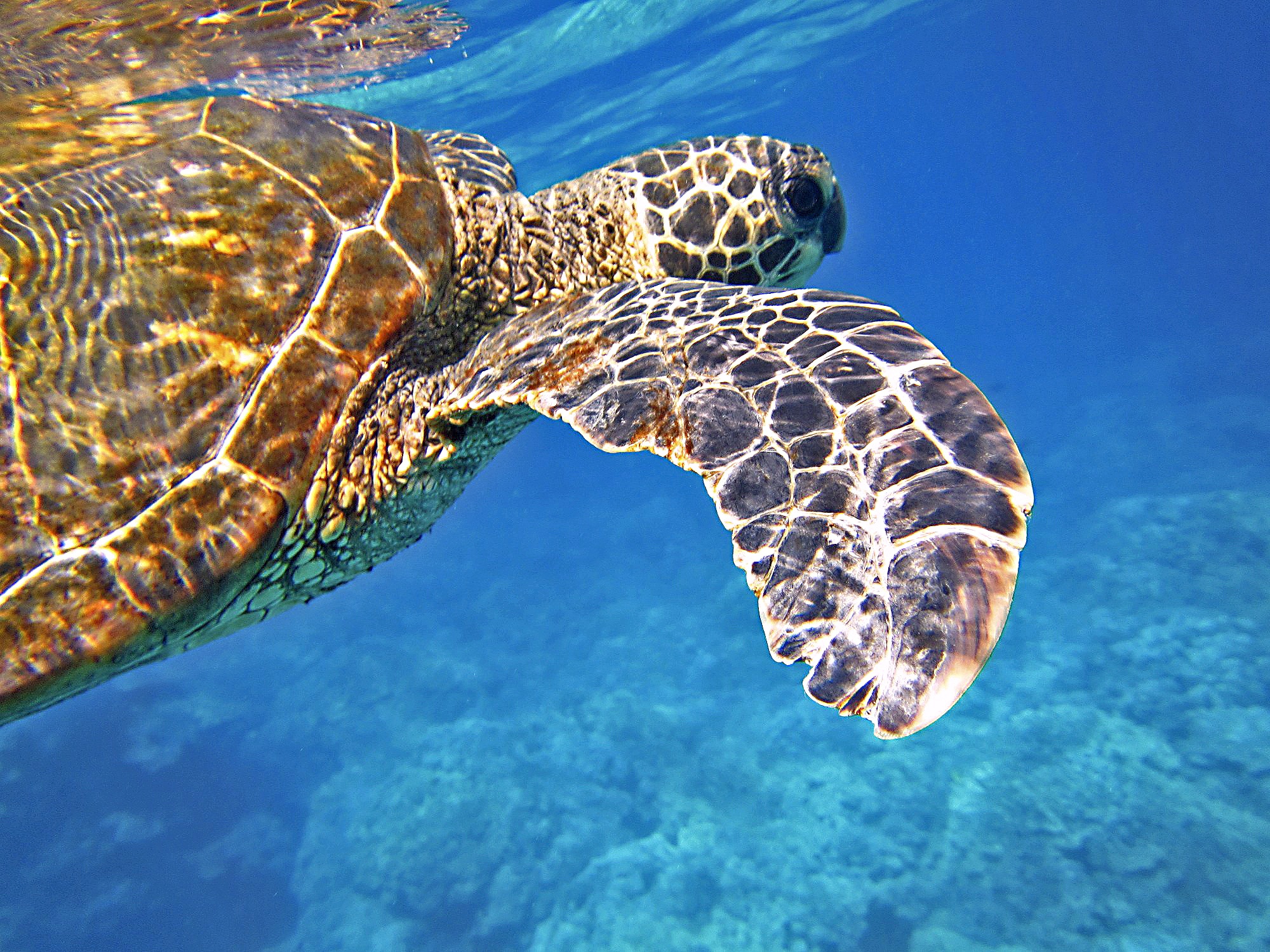
The star for most kids, though, is the honu. The Kaloko-Honokohau sea turtles haul themselves onto the warm sand to rest, looking like smooth gray boulders until one lifts its head. Teach kids to stay at least 10 feet away and let the turtles sleep in peace.
Older kids can search for kiʻi pōhaku, petroglyphs carved in stone, and walk a section of the Māmalahoa Trail, also called the King’s Trail. There is almost no shade here, so morning visits are best.
Puʻukoholā Heiau and the Ala Kahakai Trail
On a hill above Kawaihae Bay rises one of the last great temples built in ancient Hawaiʻi. Kamehameha I built Puʻukoholā around 1790 and 1791 after a prophet told him it would help him unite the islands. History proved the prophecy right. Visitors view the massive stone temple from the paths below, since the heiau itself is sacred and closed to entry. Teens who love history, and grandparents who love a good story, will find this stop moving.
The Ala Kahakai National Historic Trail threads along this coast for 175 miles, linking ancient sites and fishing villages. You do not need to hike it end to end. A short stretch near any of these parks lets your family walk the same path Hawaiians traveled for centuries.
Pearl Harbor with Kids: Oʻahu’s National Memorial
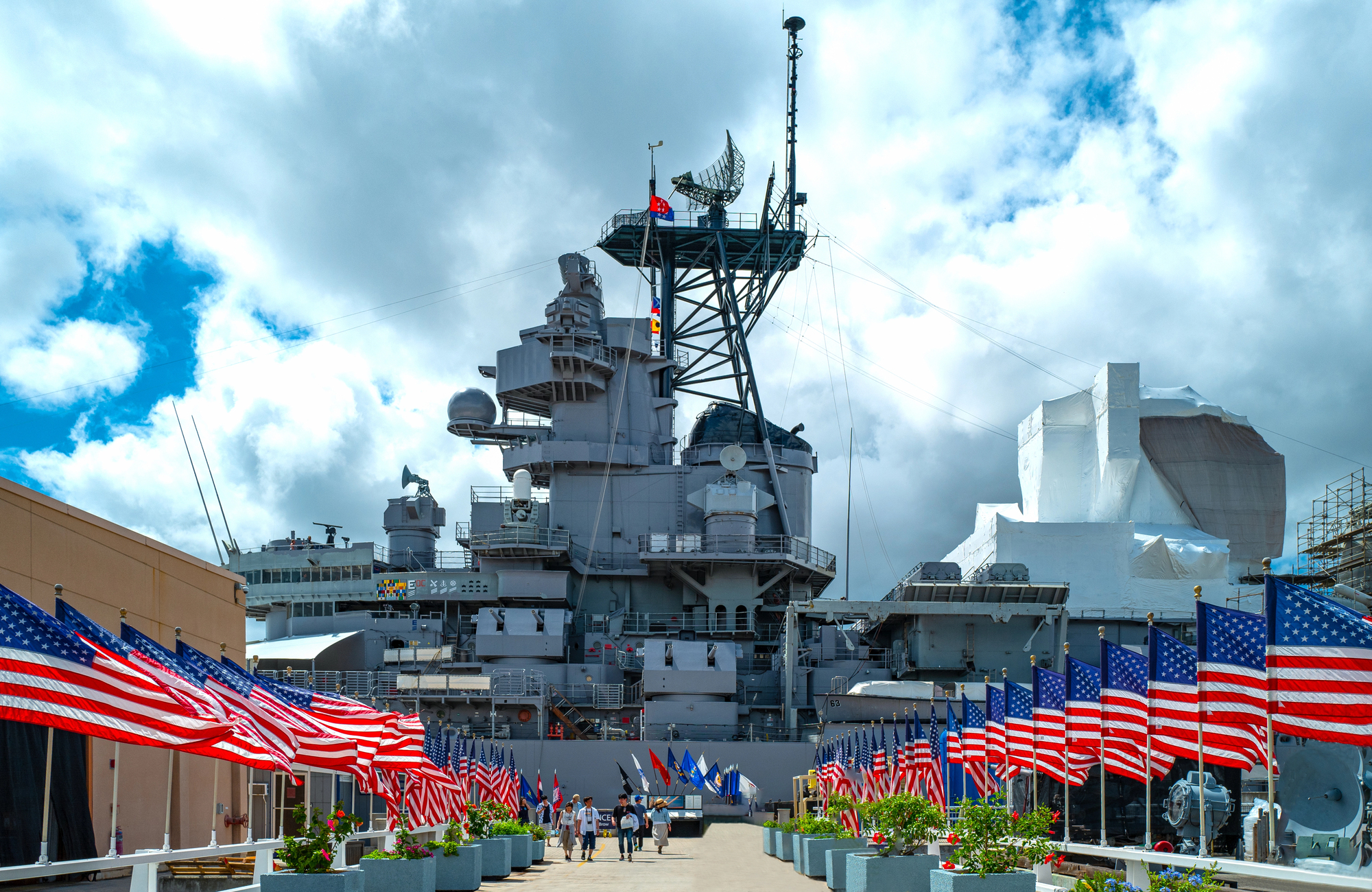
Pearl Harbor National Memorial honors the lives changed by the attack of December 7, 1941, the morning that drew the United States into World War II. For families, it is less a sightseeing stop than a lesson in remembering.
Preparing Young Hearts for the USS Arizona Memorial
The boat ride is short and quiet. Then you step onto a white memorial floating above the sunken battleship. Through the water you can make out the rusted outline of the ship below. Drops of oil still rise to the surface and spread in small rainbows. On a marble wall, rows of names stretch higher than any child can reach.
It helps to talk with kids before you arrive. For little ones, keep it simple: This is a place where we stay quiet to remember people who were brave. School-age kids can handle more about the attack and the sailors still entombed beneath the water.
If a grandparent is traveling with you, this may be the stop that means the most. Many carry family stories of the war years. Invite Grandpa to share his story over dinner the night before, and the memorial becomes personal for everyone.
Reservations, Accessibility, and Arriving Early
The visitor center, museums, and grounds are free to enter without a ticket. The USS Arizona Memorial program is different: Reservations are strongly recommended and are made only online through Recreation.gov.
A few practical notes:
- Reservations are final and cannot be changed, so lock in your date carefully.
- Arrive about an hour before your program, since your boat leaves at the time printed on your ticket.
- There are no restrooms on the boats or the memorial, so make a stop first.
- The visitor center, museums, memorial, and grounds are wheelchair accessible, a gift for multigenerational families.
Honouliuli, Oʻahu’s Newest Park Site
About 15 miles northwest of Pearl Harbor lies a hot, dry gulch with a hard history. Honouliuli opened in 1943 as the largest and longest-used World War II incarceration site in Hawaiʻi, holding Japanese American civilians and prisoners of war.
In July 2026, eighty years after the camp closed, the park opened to the public for the first time through limited guided tours. There are no public roads into the site, so every visitor must join a guided tour, and the walk follows unshaded trails. It suits teens studying American history far better than young children. Check the park’s website for upcoming tour dates before you plan around it.
Planning a Multigenerational Hawaii Vacation Around the Parks
A multigenerational Hawaii vacation asks one trip to work for a toddler, a teenager, a busy mom, and a grandmother with a new knee. The parks can do it, but only with a plan that respects everyone’s pace.
Pacing Three Generations Through the National Parks in Hawaii
The families who come home happiest follow a few simple rhythms:
- One big thing a day. A summit sunrise or a crater hike fills a morning. Let the afternoon belong to the pool, a nap, or shave ice.
- Split up without guilt. Teens can hike while grandparents take the scenic drive between overlooks. Everyone meets for lunch with stories to swap.
- Let scenic drives count. For travelers with limited mobility, the views from the car and short overlook walks deliver much of the wonder without the strain.
- Give each generation an option to choose. Grandpa chooses the history stop, the kids choose the lava tube, and you choose the sunset. Nobody feels dragged along.
I build every family itinerary around these rhythms, because a trip that wears out the grandparents by day three is no trip at all.
Hawaii Junior Ranger Program: Badges Across the Islands
There is a moment I love at the ranger desk. A child raises her right hand, repeats the Junior Ranger pledge, and receives a badge while her grandmother films every second.
The Hawaii Junior Ranger program runs at several park sites, including Hawaiʻi Volcanoes, Haleakalā, Puʻuhonua o Hōnaunau, and Pearl Harbor. Kids pick up a free activity booklet, complete it as they explore, and return it to a ranger to be sworn in. Across a week, a child can collect three or four badges from different islands.
Two small tips make it smoother. Pack a pouch or lanyard to hold the growing badge collection. And plan to finish before the visitor center closes for the day, since the swearing-in happens at the desk.
What to Book Before You Go
Most national parks in Hawaii need nothing more than showing up at the gate. Two experiences need a plan, and missing either one is the most common regret I hear from families who planned on their own.
A Booking Timeline That Takes the Weight Off Your Shoulders
- As soon as your dates are set: Choose your islands and lock in lodging close to Hawaiʻi Volcanoes for those flexible lava evenings.
- Two months before your Maui days: Put the sunrise release on your calendar with a phone alarm, and decide who in the family will book and ride in the car.
- Once your Pearl Harbor date is firm: Reserve USS Arizona Memorial tickets. If they are gone, another batch is released the day before each date.
- The week before you fly: Check park alerts, road status, and the newest Kīlauea forecast, then adjust your volcano evenings.
- No reservation needed: Hawaiʻi Volcanoes entry, Puʻuhonua o Hōnaunau, Kaloko-Honokōhau, and Puʻukoholā Heiau.
This is the checklist I use for every Hawaii family I plan for. The alarms, the refreshing, the backup plans all become mine, and you get to arrive.
Traveling with Respect on Sacred Ground
Many of these places are sacred to Native Hawaiians, and kids follow the example we set. A few habits make a world of difference:
- Never climb on heiau walls, move stones, or stack rocks.
- Stay out of closed areas around the volcano, no matter how tempting the view.
- Give wildlife room. Do not feed nēnē, and keep a respectful distance from resting honu.
- Ask before photographing people in cultural settings, and put the camera down when asked.
- Leave lava rocks and sand where you found them.
It also helps to know that part of what you pay for lodging now supports Hawaiʻi’s conservation work through the state’s new Green Fee. Your stay helps protect the places your children are falling in love with.
Questions Families Ask About National Parks in Hawaii
When Is the Best Time of Year to Visit Hawaii’s National Parks with Kids?
Late November through late April tends to bring the clearest, crispest mornings at the Haleakalā summit. That window overlaps with humpback whale season off Maui, roughly December through April, which makes it a wonderful combination for families. Summer and holiday weeks bring the biggest crowds, so book early if school calendars keep you to those dates. The volcano follows no calendar at all.
How Many Days Do You Need for Hawaii Volcanoes and Haleakalā?
Give Hawaiʻi Volcanoes two full days so you can explore by daylight and still have an evening to spare. One more day covers the Kona Coast parks together. On Maui, the summit takes a half day, while Kīpahulu deserves a full day of its own. Add a half day on Oʻahu for Pearl Harbor, and you have about five park days within a ten to twelve day trip.
Do You Need a Rental Car to Reach the National Parks in Hawaii?
On the Big Island and Maui, yes. Public transportation does not reach Hawaiʻi Volcanoes or Haleakalā, and the drives are long and winding. Book a vehicle with room for everyone’s layers, snacks, and a car seat or two. Oʻahu is the one island where you have more flexibility.
Is Hawaii Volcanoes National Park Safe for Kids During an Eruption?
Yes, when your family follows the park’s guidance. Rangers close any area where conditions shift, and earthquakes can open cracks or change trails overnight. Hold small hands near crater edges and cliffs, and stay behind every railing. If anyone’s eyes sting or throat burns from volcanic gas, move to another viewpoint or call it a night.
Ready to See the National Parks in Hawaii Together?
Years from now, your kids will not remember the flight or the rental car counter. They will remember the cold on their cheeks above the clouds, the turtle that lifted its head on the warm sand, and the night the earth glowed red while Grandma held their hand.
You carry the planning for everyone, all year long. Let me carry this one.
Are you ready to start planning your family’s Hawaii national parks adventure?
If you already know which park you want to visit, I would like to invite you to schedule a planning session with me by clicking here. Clicking on the link will take you directly to my digital calendar to schedule a time that is convenient for you.
And if you aren’t sure which park you want to see the most, you can always sign up for my newsletter here. This will allow you to receive all the helpful travel information I share. And it may help you decide where your next family vacation should be!

Tracy is the owner of Elite Travel Journeys, a luxury travel agency dedicated to crafting extraordinary, memory-making journeys for families, multigenerational groups, empty nesters, and solo female travelers. A proud military veteran and President of the Central PA Chapter of ASTA, Tracy brings both discipline and deep passion to everything she does. With a particular love for river cruising, especially Europe’s enchanting Christmas Markets, she has been turning travel dreams into life-changing experiences since 2014. Tracy believes that extraordinary travel doesn’t just take you somewhere new; it changes who you are.
Enter your Name and best Email Address to receive
On Your Next Family Vacation
We respect your privacy and will never share or sell your information.
3 Ways to See It All in Alaska


On Your Next Family Vacation
Click here for 10 Exciting Family Adventures
You Can Plan
NOW