The New Zealand Family Travel Itinerary That Finally Gets Every Generation Right
The New Zealand family travel itinerary most people plan is the reason most families come home exhausted. They rush from island to island, overschedule every day, and miss the moments that would have actually mattered. I have been planning trips to this extraordinary country for years, and I am here to tell you: New Zealand does not need to be conquered. It needs to be felt.
This is the New Zealand travel guide for families who want more than a checklist. This is for the grandmother who moves a little slower now but still wants to stand inside a living forest. For the teenagers who will roll their eyes at anything until they are dangling above a river in a jet boat and screaming with delight. For the parent who has planned every single detail of every single family trip and is absolutely done doing it alone. I see you. And I have got you.
The New Zealand Family Travel Itinerary That Finally Gets Every Generation Right
How to Plan a Trip to New Zealand for a Family Without Losing Your Mind
The first question most families ask is where to even begin. New Zealand is not a small destination. It sits at the bottom of the world. Roughly five to eight hours from Australia and approximately twelve hours from the West Coast of the United States. That flight alone tells you something important: When you go to New Zealand, you go intentionally. You do not pop over for a long weekend.
The best New Zealand itinerary for families starts with a single, honest conversation about time. Do you have ten days? Two weeks? Three weeks? The answer to that question shapes everything, because New Zealand is made of two dramatically different islands. And honestly, both deserve your attention.
How Long Do You Actually Need in New Zealand?
Most families ask this question before they ever speak to a travel advisor: “How many days do we need in New Zealand with kids?” Here is the honest answer. You need a minimum of ten days to experience one island meaningfully. You need two to three weeks if you want to do both islands justice without turning your vacation into a relay race.
That said, a well-designed New Zealand family travel itinerary can deliver extraordinary experiences in ten to twelve days if every detail is planned with intention. Shorter trips are possible. They just require someone who knows exactly which experiences to prioritize and which ones to skip.
Should You Combine New Zealand with Australia?
Many families choose to visit New Zealand as part of a broader trip that includes Australia. The two countries are close enough that combining them makes logistical sense. The contrast between them makes the experience richer. If your family has three weeks of travel time, spending ten days in New Zealand and ten days in Australia is a very natural rhythm.
If you are working with less time, I always recommend choosing one country and going deep rather than skimming the surface of two. New Zealand, in particular, rewards slow travel. The landscapes are so dramatic and so varied that rushing through them is almost a disservice.
Understanding New Zealand Before You Go
The Two Main Islands and What They Offer Families
Every New Zealand travel guide for families should begin with geography, because the layout of this country shapes every decision you make. New Zealand is composed of two main islands, the North Island and the South Island, along with more than six hundred smaller islands. Most of your New Zealand travel itinerary will be built around these two islands.
The North Island is where you find New Zealand’s cultural heartbeat. Auckland, the country’s largest city, anchors the north with its harbor, beaches, volcanic cones, and vibrant food scene. Rotorua and Taupo are where the earth itself comes alive, with geothermal hot springs, geysers, and landscapes that look as though they belong on another planet. The Bay of Islands, further north, is a sunlit paradise of turquoise water and Maori history that is completely underrated on the family travel circuit.
The South Island is where the drama lives. The mountains are taller. The glaciers are bluer. The fiords of Milford Sound will stop you mid-breath. Queenstown, perched on the edge of Lake Wakatipu, is the adventure capital of New Zealand and arguably the adventure capital of the world. And between all of it runs a stillness that is unlike anything you will find in a theme park or a resort town.
The best New Zealand itinerary for families combines both islands together in a way that feels like a story, not a schedule. A complete New Zealand travel itinerary for North Island and South Island takes three weeks to do fully and ten days to do well.
Check out the best things to do in each region of New Zealand with your family.
A Brief History That Shapes the Culture You Will Experience
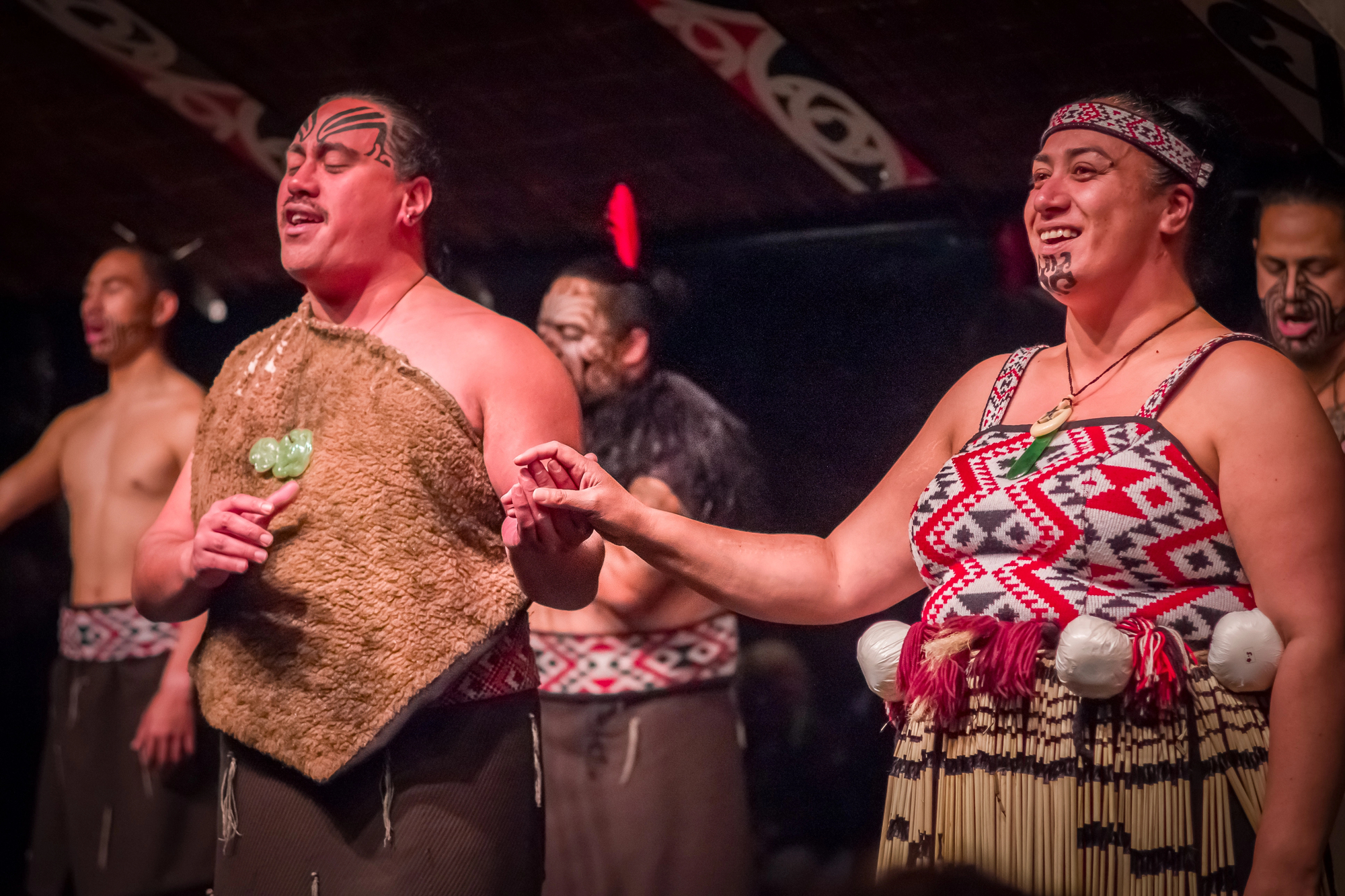
Understanding New Zealand’s history makes every experience richer. The Maori were the first people to arrive on these islands. Their culture is woven into the landscape, the language, and the soul of the country in a way that is impossible to separate from the experience of being there.
European contact began when the Dutch explorer Abel Tasman arrived in the seventeenth century. The British later claimed the territory, and in 1840 the Treaty of Waitangi was signed. That treaty was a document that formalized the relationship between the British Crown and Maori chiefs. You can still visit the site where that treaty was signed, in the Bay of Islands. The experience carries a weight that stays with you.
Since 1840, the law of New Zealand has been shaped by British influence. But the culture you encounter today is something entirely its own: A layered, proud, and deeply beautiful blend of Maori and Pacific Islander heritage alongside its colonial history. That diversity is precisely what makes a New Zealand multigenerational travel experience so powerful. There is something here for every age and every curiosity.
New Zealand Family Travel Itinerary: Building Your Trip Season by Season
Best Time to Visit New Zealand for Families
One of the most common questions families ask when researching New Zealand summer travel with family is how the seasons work, because New Zealand’s seasons are the reverse of what most North American and European travelers know.
Here is the simple breakdown.
Spring in New Zealand runs from September through November. Temperatures begin to warm. Wildflowers bloom across the hillsides. And the rain comes and goes. Spring is an excellent shoulder season for families who want fewer crowds without sacrificing comfortable weather.
Summer in New Zealand runs from December through February. This is peak season, and it earns that title. The days are long, warm, and full of sunshine. The beaches are swimmable and the roads are busy. This is also when New Zealand’s schools are on summer holiday, which means the locals are out in full force. If you are planning New Zealand summer travel with family, book everything early.
Autumn in New Zealand runs from March through May. The light turns golden. The heat softens. Crowds thin out considerably. Autumn is quietly one of the best times to visit New Zealand with families, particularly multigenerational groups, because the pace of the destination naturally slows down.
Winter in New Zealand runs from June through August. Snow falls in the mountains of the South Island. Skiing and snowboarding become the central activities of Queenstown and other alpine areas. If your family loves winter sports, this is a spectacular time to visit. If you are dreaming of beaches and swimming, plan for a different season.
The best time to travel to New Zealand with family truly depends on what your family most wants to experience. Summer delivers the full picture. Autumn delivers the quieter, deeper version of it.
The New Zealand Family Travel Itinerary by Region
North Island: Where Culture, Heat, and Geothermal Wonder Converge
Auckland
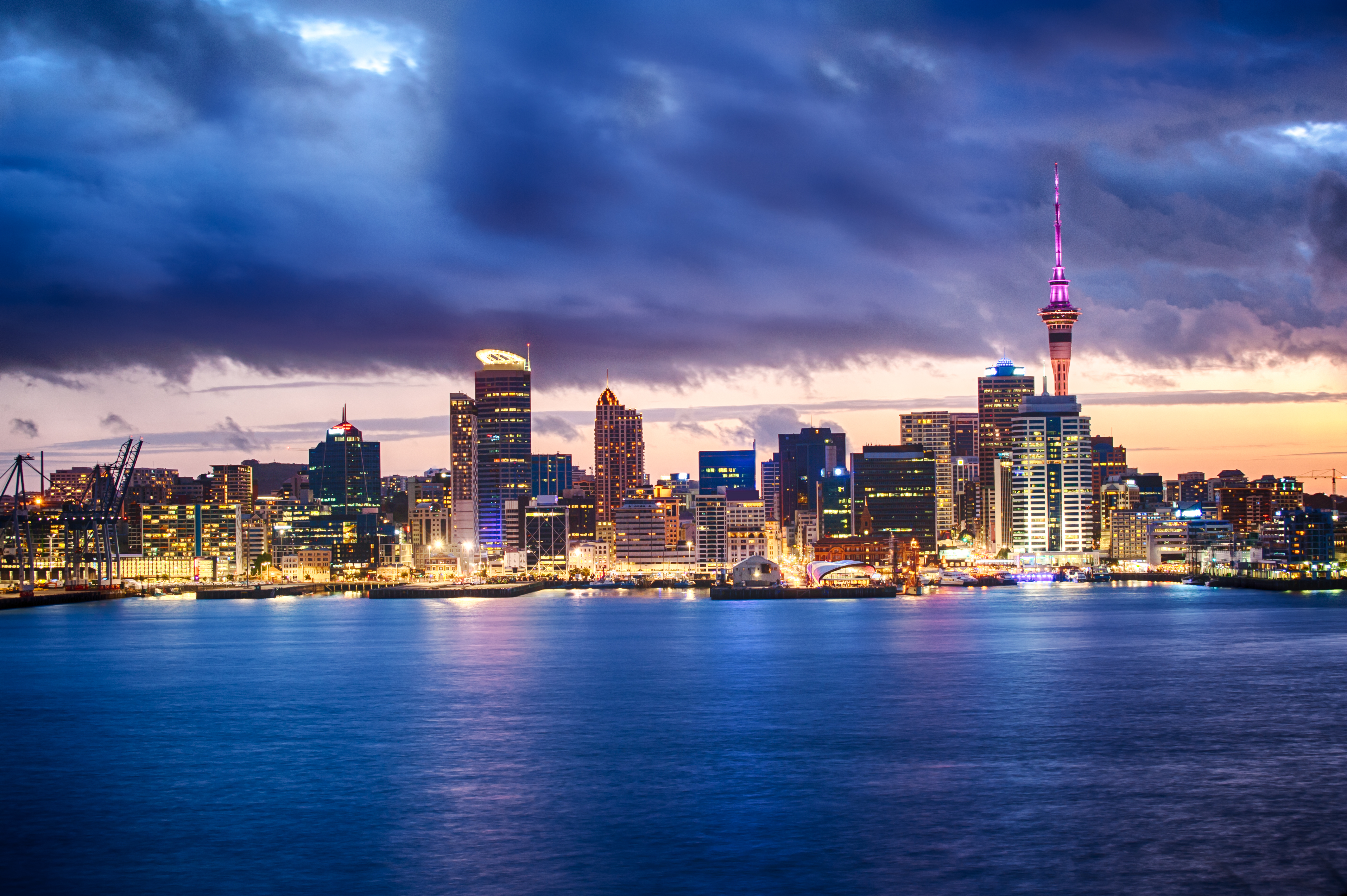
Your New Zealand family travel itinerary most likely begins in Auckland. It is the country’s largest city and its main international gateway. And it is far more interesting than a stopover city has any right to be. Auckland spills across a narrow strip of land between two harbors, punctuated by dormant volcanic cones that you can actually climb for panoramic views of the city and the sea.
The beaches that ring Auckland are worth lingering over. Sandy shores, clear coves, and calm swimming spots give families a chance to decompress after a long-haul flight before heading deeper into the country. The city’s food scene is genuinely excellent, with a strong Pacific Islander and Asian influence that makes every meal feel like an education.
Rotorua and Taupo: The Geothermal Heart of New Zealand
If your New Zealand adventure travel for families has a single must-do region on the North Island, it is this one. Rotorua is where the earth breathes. Geysers erupt on schedule. Mud pools bubble. Hot springs appear in places that look entirely accidental. The sulfur smell is real. Your children will comment on it loudly, and you will all laugh. That moment will be a memory you will all talk about forever.
Natural hot springs are concentrated in and around both Rotorua and Taupo. That makes this region ideal for families with multi-generational travelers. Grandparents can soak while teenagers go on a hike. There is something here for every mobility level and every energy level.
Rotorua is also where Maori culture is most accessible for family travelers. A traditional hangi meal, where meat and vegetables are slow cooked in an underground oven for the better part of a day, is one of the most authentic dining experiences your family can share in New Zealand.
It is not something you walk into casually. It is served on specific occasions, and experiencing it properly requires planning. I handle that planning so that it simply appears on your itinerary as a gift.
The Waitomo Glowworm Caves, a short drive from Rotorua, are among the most quietly magical experiences in the world. You float through a cave on a silent raft while thousands of bioluminescent glowworms illuminate the ceiling above you like a private galaxy. Children go still in there. So do adults.
Bay of Islands
Further north, the Bay of Islands is a collection of coves, inlets, and islands so blue and serene it feels like it belongs in the Mediterranean. This is where the Treaty of Waitangi was signed. Visiting the grounds carries genuine historical weight for families who want travel to mean something beyond beautiful scenery.
Cruising through the bay, exploring the Hole in the Rock, and watching dolphins play in the wake of the boat are experiences that your family will describe differently depending on their age. The grandparents will sit quietly in the sun and feel grateful. The children will hang over the railing and shriek. Both of those responses are exactly right.
South Island: Where the Landscape Becomes the Destination
Kaikoura
Kaikoura sits on the northeastern coast of the South Island. This is where the mountains tumble almost directly into the sea. The result is a marine environment so rich that it supports sperm whales, fur seals, dusky dolphins, and an extraordinary variety of seabirds all within a short distance of shore.
The best New Zealand family travel experiences often include a whale watching excursion here. It is one of those rare activities that holds the attention of every single generation.
Kaikoura also has hiking trails that range from short coastal walks to full-day mountain routes. This makes it a natural fit for multigenerational New Zealand vacation ideas where different family members want different levels of activity.
Check out other New Zealand regions to visit with your family during your vacation.
Queenstown and the Southern Lakes
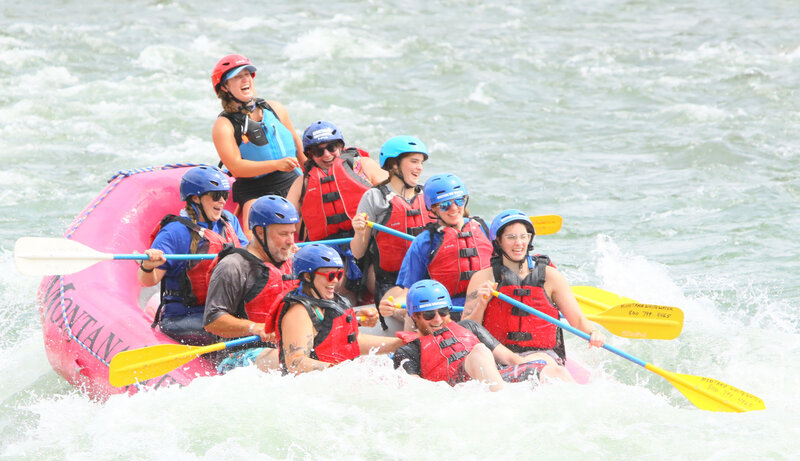
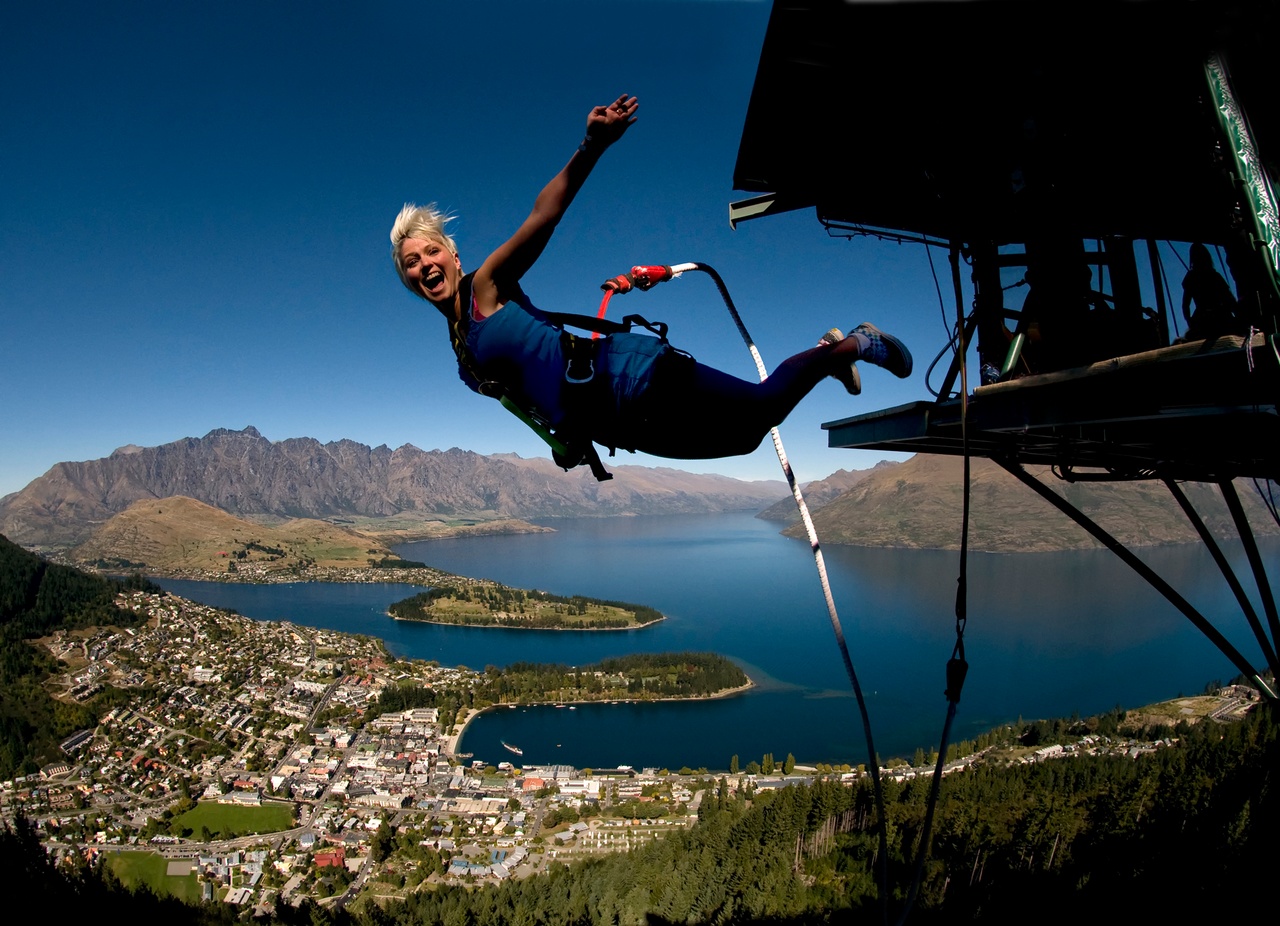
Queenstown is the heartbeat of New Zealand adventure travel for families. And it does not apologize for that. This is the city that invented bungee jumping. Jet boat rides through narrow canyons. Paragliding off mountain ridges. Whitewater rafting in rivers that look like illustrations from a storybook.
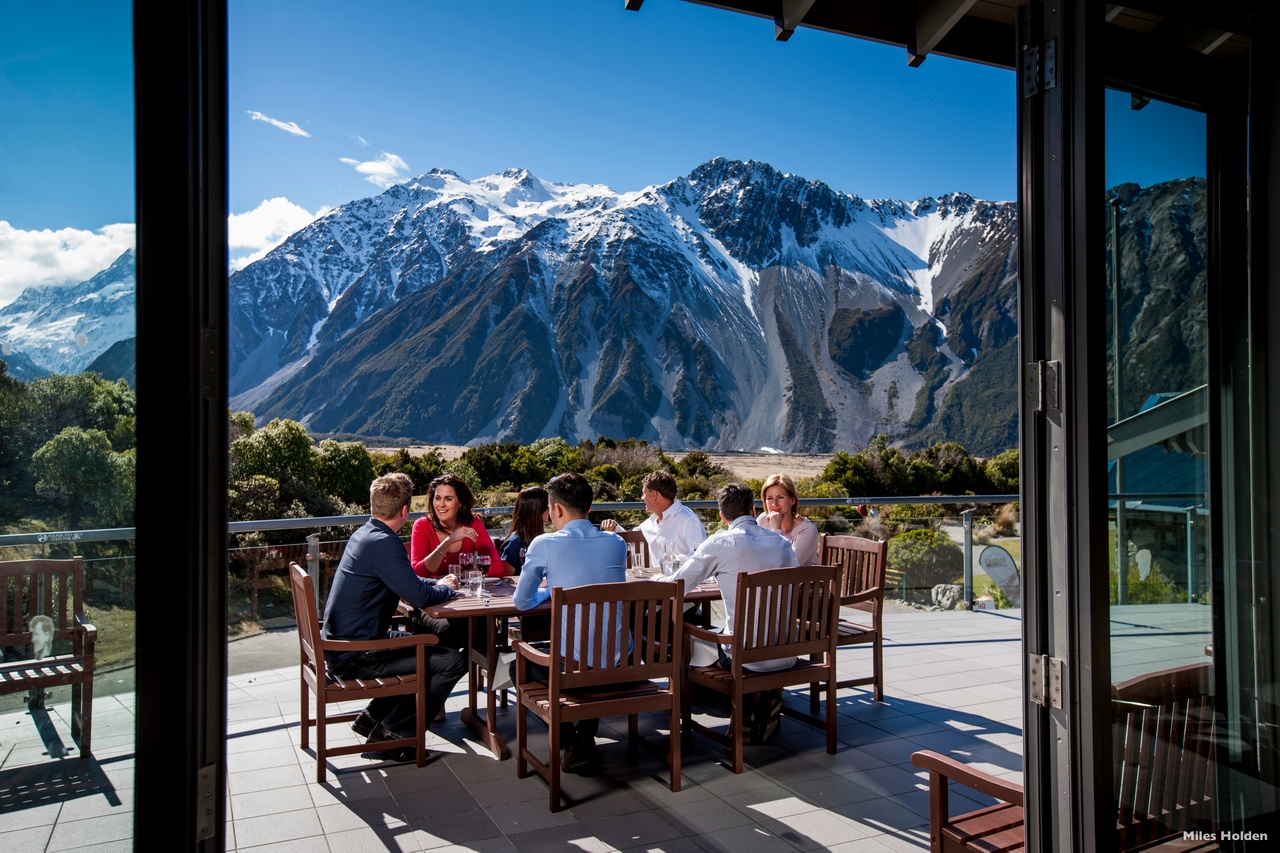
For teenagers, Queenstown is the destination they will tell their friends about for years. For parents who have been running on empty for the better part of a decade, Queenstown also has stunning lakeside terraces, exceptional wine from the surrounding Central Otago region, and long walks through scenery so beautiful it is genuinely disorienting.
Multigenerational New Zealand travel works beautifully in Queenstown because the activity range is so wide. Grandparents can take the gondola up to the Skyline complex and enjoy the view while the teenagers do something terrifying below. Everyone reunites for dinner and swaps stories, and those stories are the reason you came.
Milford Sound and Fiordland National Park
There is a stretch of the South Island’s southwest coast where the mountains rise so steeply from the water that the whole landscape feels vertical. This is Fiordland National Park. And at its heart is Milford Sound, one of the most photographed places on earth. The photographs do not fully prepare you for it.
Cruising through Milford Sound with your family, watching waterfalls cascade down cliff faces while fur seals sleep on rocks and dolphins surface alongside the boat, is the kind of experience that makes everyone put their phones away. Even teenagers. That alone is worth the flight.
The Fox and Franz Josef Glaciers
On the South Island’s west coast, two glaciers descend from the Southern Alps almost to sea level. The Fox Glacier and the Franz Josef Glacier are among the most accessible glaciers in the world. A guided hike that includes time in the ice caves is one of the most otherworldly experiences a family can share in New Zealand. The contrast of walking through ancient blue ice while surrounded by temperate rainforest is something that cannot be replicated anywhere else.
Check out the best hikes in New Zealand.
New Zealand Multigenerational Travel: Making Every Age Feel Considered
What Makes Multigenerational Travel in New Zealand Work
New Zealand multigenerational travel works for one reason above all others: This country offers genuine variety at every level of intensity. You do not have to choose between the grandmother who loves culture and the grandson who wants to jump off something. New Zealand almost always provides both within the same region.
This New Zealand travel guide with kids is built around one core truth: The best experiences here do not require you to choose between adventure and accessibility. The biggest mistake families make is scheduling every day as though everyone has the same energy and the same interests. They do not.
A well-built New Zealand family travel itinerary builds in breathing room. It clusters activities by location so no one is exhausted from driving. It creates anchor experiences that everyone shares together and satellite experiences that allow each generation to do what feeds them.
Accessibility matters too, and I take it seriously when I am planning these trips. New Zealand is a rugged country in places. Some of its most spectacular locations require a level of physical fitness that not every traveler has. There are always alternatives. There is always a way to get every person in your family to the view.
Experiences That Bond Across Generations
Some experiences in New Zealand seem designed specifically for families. Stargazing at the Aoraki Mackenzie International Dark Sky Reserve is one of them. This region of the South Island is one of the darkest places on earth. The night sky there is a revelation.
Grandparents who grew up watching the Milky Way before city lights erased it will feel something they have not felt in decades. Children will see it for the first time and understand why humans have always looked up.
Kayaking through the Marlborough Sounds, swimming with dolphins, birdwatching in forests that have no natural land predators, and soaking in natural hot springs are all experiences that require nothing more than presence. They are naturally slow, naturally beautiful, and naturally connecting.
New Zealand Luxury Family Vacation Planning: What to Know Before You Go
New Zealand Luxury Travel Is About Access, Not Just Amenities

Luxury New Zealand travel is not primarily about thread counts or champagne on arrival. Although, those things exist here in abundance. It is about access. Access to wilderness lodges so remote that the only sounds are birdsong and wind. Access to private guides who know where the waterfall is that no one else visits on a Tuesday. And access to a Maori elder who will sit with your family and share the history of his land in a way that no guidebook ever could.
New Zealand luxury family vacation planning requires someone who knows those doors and knows how to open them for you. That is what I do.
Packing for a New Zealand Family Trip
What to pack depends almost entirely on when you go and what you plan to do. Here is a list to get you started.
For summer travel, light layers are your best friend. The days can be warm and brilliant, but New Zealand weather is famously changeable. A light rain jacket takes up almost no room in a bag and will save you more than once.
Swimsuits, sun hats, and strong sunscreen are non-negotiable. The UV index in New Zealand is significantly higher than in most of North America and Europe. It will surprise you if you are not paying attention.
For spring and autumn travel, add a mid-weight layer for mornings and evenings. The days are lovely, but the temperature drops once the sun goes down.
For winter travel, pack as you would for a cold mountain destination. The South Island in winter is serious. Wool base layers, waterproof outer shells, and proper footwear matter.
Sturdy walking shoes are necessary regardless of season. New Zealand rewards those who move through it on foot, and you will want your feet to be comfortable.
Driving in New Zealand
If your family itinerary includes any self-drive time, a few things are essential to know. New Zealand drives on the left side of the road. For North American families, this requires a genuine adjustment period.
GPS is helpful but not always reliable. Particularly in rural areas of both islands. Cell coverage can be spotty once you leave the main population centers.
Rental car agencies will brief you on the specific road rules, but understanding the general framework before you arrive reduces stress considerably.
The best ways to travel in New Zealand with your family.
New Zealand Food Your Family Will Actually Talk About
The Dishes That Define New Zealand
Eating your way through a destination is one of the great pleasures of family travel. New Zealand has a food culture that is confident, creative, and deeply tied to its land and sea.
The hangi is the dish that defines Maori hospitality. Experiencing a hangi as a family is not just dinner. It is a cultural lesson served warm.
The kiwi burger is a uniquely New Zealand take on a hamburger. It is topped with beetroot and a fried egg. It tastes like belonging. You will find it on menus across both islands. Trying it is practically a rite of passage for visiting families.
Southland cheese rolls are a regional specialty found in the southern part of the South Island. Melted cheese rolled in bread and toasted. Simple, comforting, and entirely addictive. They are called Southland sushi by locals, which gives you a sense of the affection the region has for them.
For something sweet, hokey pokey ice cream is the quintessential New Zealand dessert. Vanilla ice cream studded with pieces of caramelized honeycomb toffee. It is perfect after a day of hiking. Your children will request it at every opportunity.
Jaffas, small chocolate balls coated in orange-flavored sugar, are the classic New Zealand candy and make excellent souvenirs. Chocolate fish, which are marshmallows shaped like fish and dipped in chocolate, are another local treasure worth finding.
One practical note: Tipping is not customary in New Zealand. You will not need to calculate gratuities at restaurants. And if you plan to purchase alcohol, carry your passport. It is the accepted form of age identification.
New Zealand Festivals Worth Planning Around
When Cultural Events Become Part the Itinerary
Some of the best memories families make in New Zealand happen not at landmarks, but at festivals. If your travel dates align with any of the following, building them into your New Zealand family travel itinerary adds a layer of cultural richness that no museum can replicate.
The Auckland International Buskers Festival brings street performers from every corner of the world to Auckland’s waterfront. Jugglers, acrobats, comedians, and hula hoopers perform alongside the harbor. Their energy is infectious. This festival is completely accessible for families with children of any age.
The Hokitika Wildfoods Festival, held on the South Island’s wild west coast, is the country’s most adventurous food event. Local seafood and wild-sourced foods take center stage. It is educational and occasionally surprising, which is exactly what family travel should be.
And Oktoberfest, celebrated in New Zealand with genuine enthusiasm, is an unexpected delight for any family traveling during the autumn months. The combination of live music, local craft beer, and Kiwi hospitality makes for an evening that bears almost no resemblance to what you might expect.
Your New Zealand Family Travel Itinerary Starts with One Conversation
How I Plan New Zealand Trips So You Do Not Have To
The best New Zealand family travel itinerary is not found in a search engine or assembled from a checklist. It is built around your family. Around the grandmother who has always wanted to see a glacier. Around the twelve-year-old who will never stop talking about the day she kayaked through a sea cave. And around the parent who finally, for the first time in years, sat on a terrace at the edge of the world and did not look at her phone once.
That is the trip I build.
I handle the logistics, the timing, the pacing, the reservations, the guides, the transfers, and the moments in between that turn a good vacation into the trip your family measures every other trip against. You bring your people. I bring the plan.
New Zealand is waiting for your family. And when you arrive, it will feel like it was made for exactly this.
So, are you ready to plan your next family vacation in New Zealand??
If you said yes, I would like to invite you to schedule a planning session with me by clicking here. Clicking this link will take you directly to my digital calendar to schedule a time that is convenient for you.
And if you are not ready to plan an incredible family vacation in New Zealand, you can sign up for my newsletter here. This will ensure you always receive all the travel information I share.

Tracy is the owner of Elite Travel Journeys, a luxury travel agency dedicated to crafting extraordinary, memory-making journeys for families, multigenerational groups, empty nesters, and solo female travelers. A proud military veteran and President of the Central PA Chapter of ASTA, Tracy brings both discipline and deep passion to everything she does. With a particular love for river cruising, especially Europe’s enchanting Christmas Markets, she has been turning travel dreams into life-changing experiences since 2014. Tracy believes that extraordinary travel doesn’t just take you somewhere new; it changes who you are.
Enter your Name and best Email Address to receive
On Your Next Family Vacation
We respect your privacy and will never share or sell your information.
3 Ways to See It All in Alaska


On Your Next Family Vacation
Click here for 10 Exciting Family Adventures
You Can Plan
NOW