
Why Empty Nesters Are Booking Street Food Travel Experiences Instead of Fancy Restaurants
The most transformative meal of your life will not happen at a candlelit table with a sommelier hovering nearby. It will happen at a food stall in a narrow alley, with plastic stools, a smoky wok, and a cook who has been perfecting the same dish for forty years. And that is precisely why street food travel experiences have become the defining choice of empty nesters who have finally reclaimed the freedom to travel entirely on their own terms.
For years, the assumption was that once the kids left home, couples would trade up. Better hotels. Fancier restaurants. More refined everything. And yes, there is a season for that. But something unexpected is happening. Empty nesters who have spent decades doing things the right way, the responsible way, the way that fit around school calendars and picky eaters and teenage schedules, are discovering that the most memorable moments of their travels are happening at street level, not at altitude.
This is not a rejection of elegance. This is an embrace of something richer: Culture, connection, and the particular electricity of eating food that belongs entirely to a place and its people.
Why Empty Nesters Are Booking Street Food Travel Experiences Instead of Fancy Restaurants
The Empty Nest Just Opened a Door You Did Not Know Was Waiting

There is a specific kind of exhale that happens when the last child moves out. It is part grief, part relief, and part something that is harder to name. It is the quiet recognition that you have arrived at a chapter that belongs to you. And that you have, perhaps for the first time in a very long time, the freedom to choose what fills it.
For so many accomplished women, that recognition arrives and immediately gets buried under the next board meeting, the next strategic initiative, the next thing that needs managing. The empty nest does not automatically create space. You have to choose to step into it.
Travel is one of the most powerful ways to do that. Not travel as productivity. Not travel as another box to check. Travel as genuine immersion in something unfamiliar. Something that asks nothing of your professional identity and everything of your curiosity.
Culinary travel for empty nesters has emerged as one of the most meaningful ways to step into that new chapter, because food is the universal doorway. It does not require a common language or prior knowledge. It asks only that you show up hungry, open, and willing to let a destination surprise you.
Reasons to embrace empty nester travel.
When the Itinerary Is Yours to Write
One of the most profound shifts that empty nester travel brings is the collapse of the constraint grid. No more traveling only in summer. No more choosing destinations based on what resort has a kids club. And no more negotiating between a twelve-year-old who wants a water park and a teenager who wants to sleep until noon.
Now the itinerary is yours. And what most empty nesters discover, often to their own surprise, is that when they finally have the freedom to go anywhere, they want to go deep rather than wide. They want to wake up slowly in a city that is new to them and spend the morning following their nose through a market. They want to eat things they cannot pronounce and discover stories told through flavor rather than guidebooks.
Immersive food experiences for empty nester travel are not just trending. They are answering a craving that has been building for years. Basically, the craving to be fully present in a moment that has nothing to do with being needed.
Why Street Food Travel Experiences Are Replacing the White Tablecloth
Let’s be honest about what a great fine dining experience delivers. It delivers precision. It delivers theater. And it delivers the particular pleasure of being taken care of in a room designed around the art of hospitality. There is a place for all of that, and it has a place in this kind of travel too.
But the white tablecloth, by its very nature, creates distance. You are inside, in a controlled environment, insulated from the actual heartbeat of the city around you. The chef has decided what you will eat and how it will arrive. The experience is curated to the point of removal.
Street food does the opposite. It pulls you into the current of daily life in a place. It puts you shoulder to shoulder with locals who are eating the same thing for breakfast that their grandmothers ate. And it connects you to the agricultural rhythms of a region, the spice trade histories, the migration patterns that shaped a cuisine over centuries.
The numbers reflect this shift. According to the TravelBoom 2026 Leisure Travel Study, nearly 80 percent of travelers now factor food into their destination decisions. Two-thirds of those travelers say street food and unique local dining are what excite them most. Not Michelin stars. Not white tablecloths. The stall, the market, and the alley kitchen.
What Street Food Travel Experiences Actually Feel Like

Close your eyes for a moment. You are standing at the edge of a night market. The air is thick with the smell of charcoal and lemongrass and something sweet caramelizing just out of sight. String lights hang overhead. A vendor catches your eye, gestures toward a bowl, and slides it across the counter before you have even fully decided whether to stop. The first spoonful changes everything.
That moment, that specific intersection of heat and flavor and human generosity, is something that no tasting menu in a climate-controlled restaurant has ever replicated. It is too alive. Too specific to exactly where you are standing at exactly this hour in the evening.
Authentic food experiences abroad work on a level that bypasses your analytical mind entirely. They go straight to the emotional core. The part that remembers and stores and transforms a trip from a series of sights into a collection of feelings.
Check out these yummy street foods to try during your next vacation.
How Street Food Tours for Adults Unlock a Destination
One of the most intelligent ways to arrive in a new destination is through a well-curated food tour. Not the kind that marches a group of forty tourists past a row of identical stalls. The kind that is intimate, expert-led, and designed to reveal the layers of a place through its food culture.
Street food tours for adults, particularly those designed for discerning travelers who have seen enough of the world to know the difference between tourism and experience, operate as the best possible orientation to a city. Within a single morning, you understand the local rhythm.
You learn which vendors have been operating in the same spot for three generations. You taste the ingredient that shows up in everything because the soil here grows it perfectly. And you begin to understand a place not through its architecture or its museums, but through what it puts on the table.
How street food tours deepen travel experiences comes down to a single principle: Food is never just food. It is history, identity, economy, climate, and culture in edible form. Every dish is a story. Every stall is an archive. And every meal shared with strangers who quickly stop being strangers is a kind of diplomacy that no amount of sightseeing can replicate.
The Best Destinations for Culinary Travel as an Empty Nester
When people search for the best destinations for culinary travel, they are often looking for a shortcut to the feeling described above. The good news is that the world is full of destinations where street food culture is not just present but central to daily life. Places where the most extraordinary meals happen outdoors, at market stalls, from carts, and in open-air kitchens that have been feeding neighborhoods for generations.
The best street food destinations for empty nesters share a few qualities: A depth of culinary history. A culture that values communal eating. And the kind of sensory richness that makes every meal feel like an event.
These are destinations where the food is not an afterthought. It is the entire point.
Asia: Where Street Food Travel Experiences Reach Their Peak
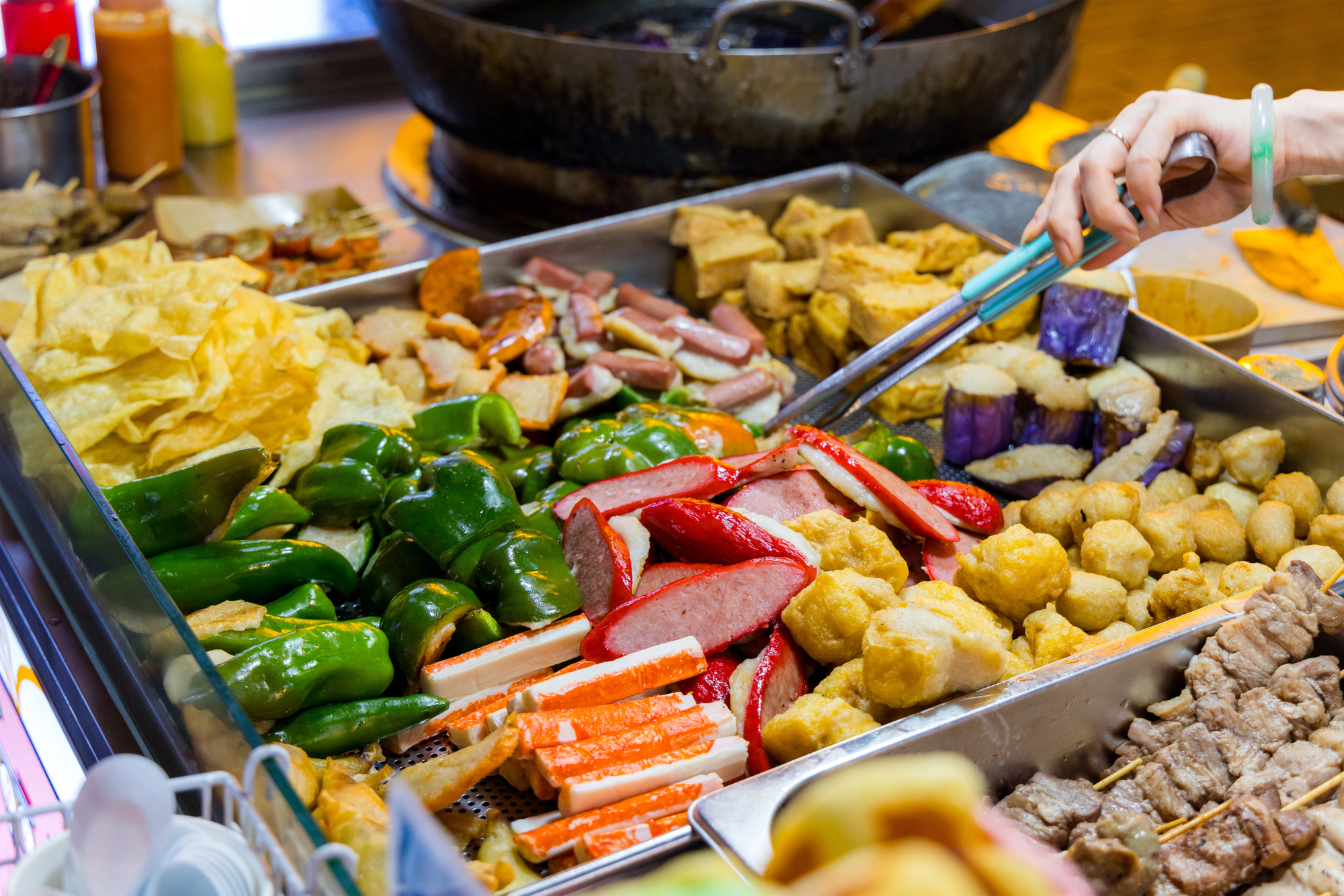
Southeast and East Asia represent the heartland of street food culture destinations. In Thailand, the relationship between daily life and street food is inseparable. Night markets stretch for blocks. The variety within a single stall can occupy an entire evening. The layering of flavors, the balance of sweet, sour, salty, and heat, reflects a culinary intelligence that has been refined over centuries.
Vietnam offers something slightly different: A quieter intensity. Pho eaten at a low plastic table on a Hanoi sidewalk at six in the morning. The broth having simmered through the night is one of the defining food experiences of the world.
The precision of Vietnamese street food, its insistence on freshness and balance, makes it endlessly compelling for the palate of a traveler who has eaten well in many places and is still capable of being surprised.
Japan brings a different register entirely. Street food here is elevated in the way that everything in Japan is elevated, with attention and craft brought to bear on even the most casual market bite. Covered market streets called shotengai. The fish stalls of Tsukiji’s outer market. The takoyaki stands of Osaka. All of them carry a seriousness of purpose that makes eating feel like participation in something important.
Hong Kong operates at a culinary intensity that is almost overwhelming in the best possible way. Dim sum trolleys, roast meats hanging in glass-fronted shops, wonton noodle soup served in portions so perfect they feel almost architectural. This is a city that takes eating seriously at every price point and in every setting.
Check out my guide to the delicious street foods in Vietnam.
Europe and North Africa: Where the Market Is the Whole Story
Morocco deserves its place on every serious culinary traveler’s list. Marrakech in particular offers street food culture destinations of extraordinary depth. The medina’s souks are layered with the smell of cumin, dried rose petals, preserved lemons, and slow-cooked tagines that have been simmering since morning. Eating at a stall in Djemaa el-Fna as the evening call to prayer echoes across the square is one of those travel moments that resettles something inside you.
Spain, and particularly its tapas culture, invites a style of eating that is perfectly suited to the empty nester pace: Unhurried, sociable, and built around grazing rather than arriving and departing.
Moving from bar to bar through the narrow streets of San Sebastian or Seville. Stopping for a single pintxo here and a glass of something local there. Eating standing up and talking to whoever is next to you. This is cultural food travel experience at its most joyful.
Turkey sits at the crossroads of the world’s great food traditions. And nowhere is that more evident than in its street food. Simit vendors circle the grand squares. Bosphorus-side fish sandwiches are assembled with the practiced efficiency of craft. Lahmacun, sometimes called Turkish pizza, emerges from wood-fired ovens thin and crackling, topped with spiced lamb and finished with a squeeze of lemon. Istanbul is a city that rewards the eater at every corner.
Latin America: The Most Underrated Street Food Travel Adventures

Mexico City has quietly become one of the most exciting culinary capitals on the planet. Its street food is the reason. Taco culture here is not a category. It is a world. Tacos al pastor, their meat carved from vertical spits in a practice that traces directly to Lebanese immigration in the early twentieth century. Birria, the braised meat stew, appearing in breakfast bowls and dripping quesadillas at midnight.
The markets, the mercados, are destinations in themselves. Cathedral-sized spaces filled with stalls serving regional dishes you will never find in any restaurant outside of this city.
Peru, and Lima specifically, represents one of the most compelling arguments for building a trip entirely around food. The cuisine is the product of an unusually complex history. Indigenous traditions layered with Spanish, African, Japanese, and Chinese influences. The result is something unlike anywhere else in the world.
Lima’s markets are extraordinary. The ceviche alone justifies the journey.
Colombia, particularly Cartagena and Medellin, is gaining serious recognition among those who pursue the best countries for street food travel adventures. Arepas, empanadas, sancocho, fresh fruit in colors that seem invented. All of it consumed in coastal heat or mountain cool, with the particular warmth of Colombian hospitality making every interaction feel like a welcome rather than a transaction.
How Street Food Tours Deepen Travel Experiences for Couples
There is a theory about why travel works so well for couples in the empty nest years. It removes you from the architecture of your domestic routine, all the roles and responsibilities and patterns you have accumulated over decades, and places you both inside an experience that is new to you equally.
You are not the one who handles the finances and the one who handles the school pickups. You are not the CEO and the logistics coordinator of the household.
Instead, you are two people standing in front of a stall in a market you have never visited trying to figure out what to order. Laughing because neither of you knows. Pointing at what the person next to you is eating. And somehow ending up with the best thing you have tasted all week.
Reconnecting as a couple through culinary travel works because it creates shared discovery. Not shared itinerary. Not shared logistics. Shared genuine surprise. And it is very difficult to feel distant from someone when you are both leaning over the same bowl of something extraordinary, trying to identify every flavor at once.
Food and Travel Experiences for Couples That Go Beyond the Dinner Reservation
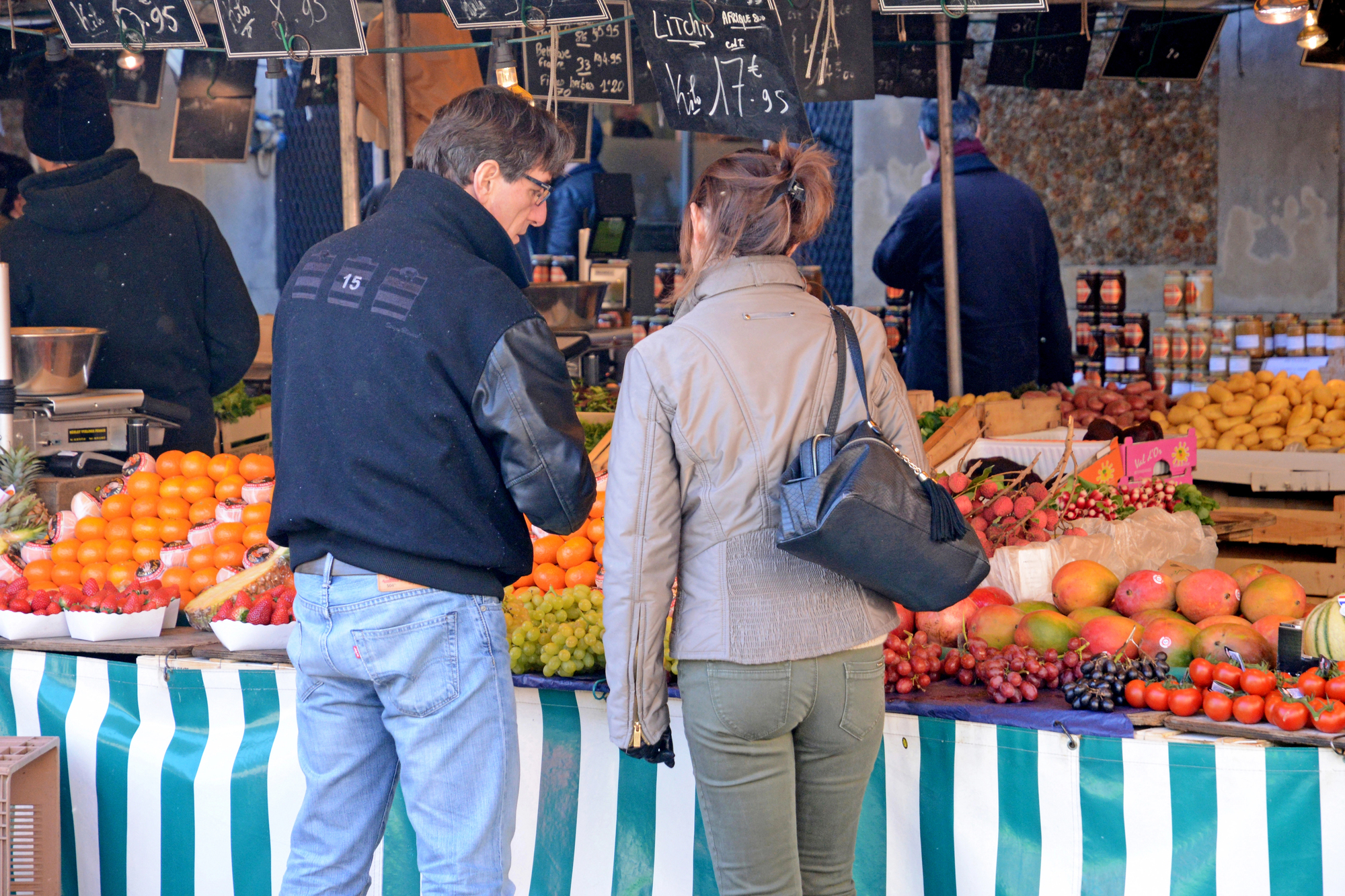
Food and travel experiences for couples who are ready to go deeper than the restaurant reservation tend to follow a pattern. They begin with curiosity and end with intimacy. Not the romantic-getaway kind of intimacy. Although, that often follows. The intimacy of having shared something real together.
A morning spent wandering around a local food market, stopping to taste cheese or olives or a pastry you cannot name, watching the vendors set up their stalls and understanding something about how this place begins its day, is a different kind of experience than reading a menu together. It is participatory. It asks something of you both.
Local food market travel experiences, particularly those that go beyond the tourist-facing market to the actual daily market where neighborhood residents shop, are among the most intimate windows into a place and its people that travel offers. They are also deeply equalizing. Everyone is a beginner here. Everyone is navigating something unfamiliar. That shared navigation is its own form of connection.
How to Travel for Food Experiences as a Couple Without Logistics Becoming the Enemy
Here is where the conversation turns practical, because this kind of travel, done well, requires more planning than it appears to.
The fantasy of spontaneously wandering into the perfect market experience is real. Those moments happen. But they happen far more reliably when someone has done the advance work of understanding which markets are worth the journey, which neighborhoods have the density of culinary culture you are looking for, which time of day is ideal for each kind of experience, and how to move between them without losing half a day to logistics.
How to travel for food experiences as a couple begins with one decision: Are you going to plan this yourself? Or are you going to hand it to someone who has already done it? For the executive woman who spends her professional life making every decision and managing every detail, the answer that actually delivers the experience she is craving is the second one.
The most immersive culinary travel happens when you arrive as a traveler, not as a planner. When the only thing on your agenda is to follow the route someone who knows this city intimately has laid out for you. And to be fully present in each moment rather than mentally managing what comes next.
Immersive culinary travel, the kind that actually delivers on the promise of transformation, is the kind where every detail has been handled before you land.
The Questions Every Empty Nester Asks Before Booking a Culinary Trip
Is street food safe to eat when traveling internationally?
Safety in street food comes down almost entirely to knowledge and guidance. High-turnover stalls, meaning those with long lines of locals, are consistently reliable indicators of food that is fresh and properly prepared. The most common mistakes travelers make are eating from stalls with no local clientele and consuming raw items that should be cooked. With the right guidance, street food is not only safe but is often more reliably fresh than what arrives in a restaurant kitchen.
What are the best countries for street food travel?
The best countries for street food travel adventures combine culinary depth, strong street food culture, and accessibility for international travelers. Thailand, Vietnam, Japan, Mexico, Morocco, Turkey, Peru, Spain, and India consistently top expert lists for the density and quality of their street food culture destinations. Each offers a distinct culinary identity and a street food tradition that has been evolving for centuries.
How do I find authentic food experiences when I travel?
Authentic food experiences abroad are found by moving away from the areas of concentrated tourism and toward the neighborhoods where residents actually eat. Morning markets, neighborhood bakeries, lunchtime canteens favored by office workers, evening stalls that open after dark for the local late-night crowd.
The formula for authenticity is simple: Follow the locals. Eat where there is no English menu posted outside. Trust the guidance of someone who knows the destination intimately.
What is the difference between a food tour and a culinary travel experience?
A food tour is typically a single activity within a trip. It is a guided walk through a neighborhood with stops at several vendors or restaurants.
A culinary travel experience is an entire trip philosophy. One where food serves as the primary lens through which a destination is understood and explored.
Food tourism experiences for couples who are serious about this kind of travel tend to be built around the latter: Destinations chosen for their culinary culture. Neighborhoods selected for their market access. Days structured around eating and discovering rather than sightseeing with meals as an afterthought.
Can empty nesters really slow down enough to enjoy food travel?
This is the question underneath the question. The honest answer is that slowing down is the point, and it requires intention. The executive who has been running at full speed for twenty years does not automatically downshift the moment she lands in Marrakech. But street food culture has a natural pace built into it.
You cannot rush a vendor who is hand-rolling something with care. You cannot scroll your phone while navigating a busy market. The experience itself creates the conditions for presence. That is part of what makes it so restorative.
How to embrace freedom and flexibility during your empty nester vacation.
This Is Not a Food Trip. This Is a Reconnection.
Here is what no one tells you about street food travel experiences until you have had one: They are not really about the food.
The food is the vehicle. What you are actually doing when you stand at a market stall in a city that is new to you, when you accept something from a vendor’s hands that you have never tasted and probably cannot name, when you look at your partner and see the same expression of delight and surprise on their face that you feel on yours, is remembering who you are outside of every role you have been performing for the past twenty-five years.
You are not a CEO at a stall in a Peruvian market. You are not a household manager at a night market in Vietnam. Instead, you are just a person, hungry and curious and alive, eating something extraordinary with someone you love.
Food tourism experiences for couples who have reached the empty nest years carry a particular emotional weight because of everything they represent: The reclaiming of a self that has been largely in service to others. The rediscovery of a partnership that may have been running on autopilot. And the recognition that there is an entirely new chapter available. One that is not defined by what you have built but by what you are still willing to explore.
The best street food destinations for empty nesters are not just cities with good food. They are places where the act of eating is communal, cultural, and alive. Places where the table is the public square. Where everyone who sits at it, even briefly, even on a plastic stool in an alley, belongs.
What Immersive Culinary Travel Gives You That Nothing Else Does
It gives you stories. Not the kind you tell once and file away. The kind that keep surfacing years later over a dinner table back home, when someone mentions Thailand and you both start talking at once because you are each remembering the same bowl of noodles from a stall that had four seats and a woman who looked at you like you had finally arrived somewhere important.
Cultural food travel experiences, the genuine ones, the ones that happen at street level in places that have not been sanitized for tourist consumption, leave marks. They shift something in the way you understand the world and your place in it. They remind you that curiosity is not a young person’s game. And they remind you that you are still someone who can be surprised, delighted, and completely, gloriously at a loss for words.
That is the gift. And it is available to you right now, in a city you have not yet visited, at a stall you have not yet found, serving something you have not yet tasted.
Ready to Trade the White Tablecloth for Something Far More Memorable?
If something in this post has stirred something in you, that is not an accident. That is recognition. That is the part of you that has been waiting for exactly this kind of permission to travel differently.
I specialize in creating culinary travel experiences for empty nesters, couples reconnecting, and women who are ready to explore the world on their own terms. I handle every detail so that when you arrive, the only thing on your agenda is to show up and be present.
No logistics. No planning. And no decisions beyond what to taste next.
So, are you ready to start planning a street food travel experience?
If you said yes, I would like to invite you to click here to schedule a personalized planning session with me. Clicking the link will take you directly to my digital calendar to schedule a time that is convenient for you.
Not ready to start planning your next empty nester vacation just yet? Sign up for my newsletter and continue learning more about traveling the world.

Tracy is the owner of Elite Travel Journeys, a luxury travel agency dedicated to crafting extraordinary, memory-making journeys for families, multigenerational groups, empty nesters, and solo female travelers. A proud military veteran and President of the Central PA Chapter of ASTA, Tracy brings both discipline and deep passion to everything she does. With a particular love for river cruising, especially Europe’s enchanting Christmas Markets, she has been turning travel dreams into life-changing experiences since 2014. Tracy believes that extraordinary travel doesn’t just take you somewhere new; it changes who you are.
Enter your Name and best Email Address to receive
On Your Next Family Vacation
We respect your privacy and will never share or sell your information.
3 Ways to See It All in Alaska


On Your Next Family Vacation
Click here for 10 Exciting Family Adventures
You Can Plan
NOW